
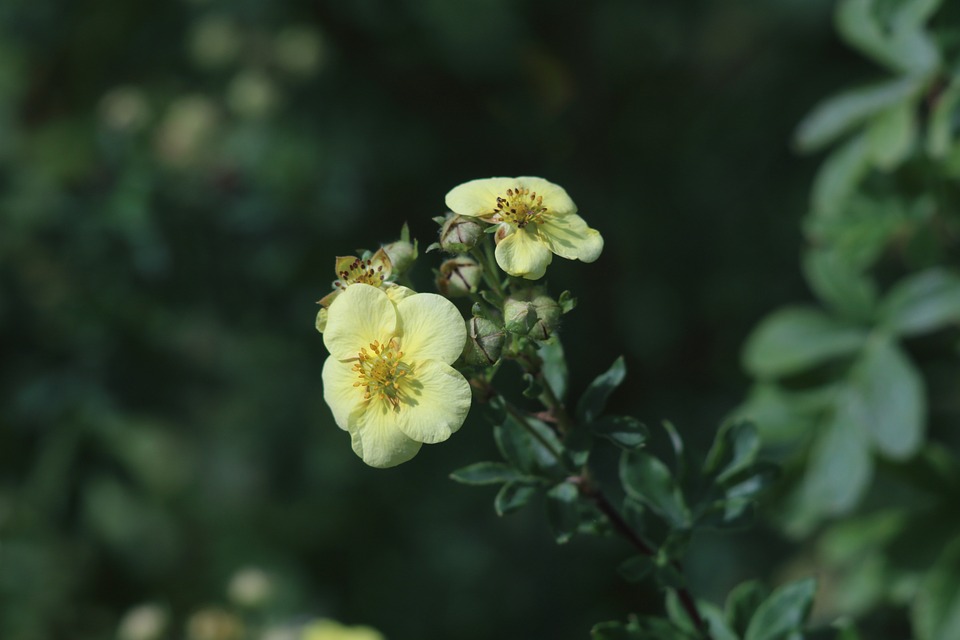
Acacia sieberiana

Source: Alchetron

Source: Alchetron

NAME:  Acacia sieberiana

FAMILY: Fabaceae

COMMON NAMES: Acacia, Paperbark

LOCAL NAMES: Siyi, sie, farakaya, Umkhamba, Mokgaba

USEFUL PART(s):  Bark, stem-twigs, roots, leaves, latex

GENERAL USES:  

  • Fibre from the tree’s bark is used for stringing beads.

  • The gum of the tree is used as food for livestock, adhesive, in making ink.

  • The wood is used in making furniture, tool handles.

  • Geographic Distribution

  • South Africa

  • Botswana

  • Swaziland

  • Zimbabwe

  • Namibia

Acacia_sieberiana_photo_file_204KB.jpg

WHY IS IT GREEN

Acacia sieberiana medicinal uses include:·      

  • Diarrhoea·

  • Gonorrhoea ·

  • Cold and Cough·

  • Fever·

  • Rheumatism

ENVIRONMENTAL IMPACT    

  • Windbreak and Shade tree·

  • Fix Nitrogen from the air

FURTHER READINGS

Aleper, D., Lye, K. A., & Moe, S. R. (2008). Response of Acacia sieberiana to repeated experimental burning. Rangeland Ecology and Management, 61(2), 182–187. https://doi.org/10.2111/06-179.1

Brimer, L., Christensen, S. B., Jaroszewski, J. W., & Nartey, F. (1981). Structural elucidation and partial synthesis of 3-hydroxyheterodendrin, a cyanogenic glucoside from Acacia sieberiana var. woodii. Phytochemistry, 20(9), 2221–2223. https://doi.org/10.1016/0031-9422(81)80117-3

Kibon, A., & Maina, A. H. B. (1993). Dry acacia sieberiana pods as a supplement to a low quality forage diet for growing lambs in Northern Nigeria. Tropical Animal Health and Production, 25(1), 59–64. https://doi.org/10.1007/BF02236887

Matekaire, T., & Maroyi, A. (2007). Thermotolerance and Osmotic Potential Studies in Germinating Seeds and Growing Seedlings of Acacia sieberiana and Acacia tortilis. Journal of Sustainable Development in Africa, 9(2), 9. Retrieved from http://www.jsd-africa.com/Jsda/V9N2-Summer2007/ARC_Thermotolerance.pdf

Mucunguzi, P., & Oryem-Origa, H. (1996). Effects of heat and fire on the germination of Acacia sieberiana D.C. and Acacia gerrardii Benth. in Uganda. Journal of Tropical Ecology, 12(1), 1–10. https://doi.org/10.1017/S0266467400009275

Mugunga, C. P., & Mugumo, D. T. (2013). Acacia sieberiana Effects on Soil Properties and Plant Diversity in Songa Pastures, Rwanda. International Journal of Biodiversity, 2013, 1–11. https://doi.org/10.1155/2013/237525

Nartey, F., Brimer, L., & Christensen, S. B. (1981). Proacaciberin, A cyanogenic glycoside from Acacia sieberiana var. Woodii. Phytochemistry, 20(6), 1311–1314. https://doi.org/10.1016/0031-9422(81)80029-5

Sabiiti, E. N., & Wein, R. W. (1987). Fire and Acacia Seeds: A Hypothesis of Colonization Success. Journal of Ecology, 75(4), 937–946. https://doi.org/10.2307/2260305

SABIITI, E. N., & WEIN, R. W. (1988). Fire behaviour and the invasion of Acacia sieberiana into savanna grassland openings. African Journal of Ecology, 26(4), 301–313. https://doi.org/10.1111/j.1365-2028.1988.tb00982.x

Zinn, A. D., Ward, D., & Kirkman, K. (2007). Inducible defences in Acacia sieberiana in response to giraffe browsing. African Journal of Range and Forage Science, 24(3), 123–129. https://doi.org/10.2989/AJRFS.2007.24.3.2.295
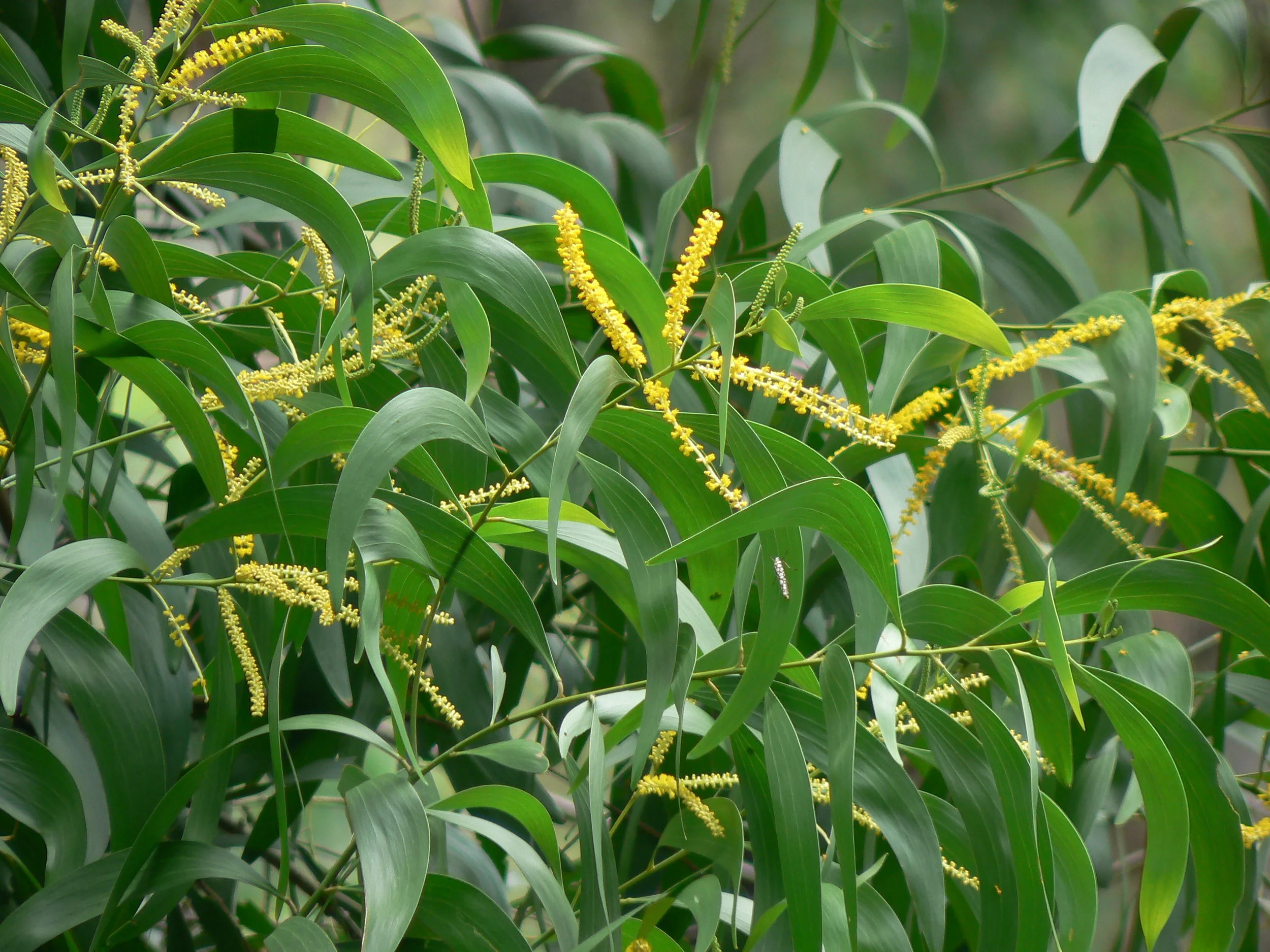
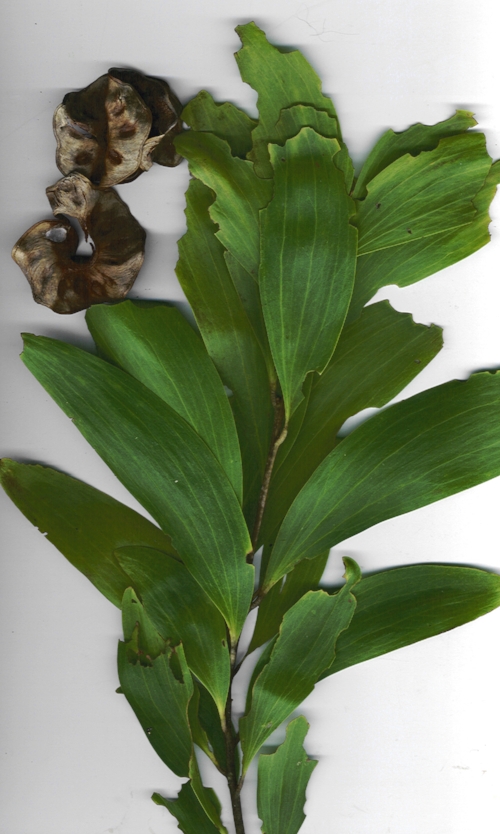


Acacia auriculiformis

Acacia_auriculiformis

NAME:  Acacia auriculiformis

FAMILY: Fabaceae

COMMON NAMES: Earleaf acacia, auri, earpod wattle, northern black wattle

LOCAL NAMES: Kasia eleti, Maha Babul, Kondamanu

USEFUL PART(s):  Bark, wood

GENERAL USES:  

  • The wood can be use for making paper pulp, furniture, toys and tools.

  • Wood can serve as fuel for fire

  • The bark can be use as tanning material and natural dye.

GEOGRAPHIC DISTRIBUTION

  • Australia

  • Indonesia

  • New Guinea

WHY IS IT GREEN? 

Acacia auriculiformis medicinal uses include:

  • Astringent

  • Conjunctivitis

  • Rheumatism

Starr_031013-8001_Acacia_auriculiformis.jpg

ENVIRONMENTAL IMPACT

  • Erosion control

  • Shade tree

  • Improves the Soil quality Fix Nitrogen from the air

OTHER IMPACT

  • Ornamental purpose


FURTHER READINGS

Galiana, A., Chaumont, J., Diem, H. G., & Dommergues, Y. R. (1990). Nitrogen-fixing potential of Acacia mangium and Acacia auriculiformis seedlings inoculated with Bradyrhizobium and Rhizobium spp. Biology and Fertility of Soils, 9(3), 261–267. https://doi.org/10.1007/BF00336237

Kabir, A., Rafiqul, A. T. M., & Kamaluddin, M. (2006). Acclimation of acacia hybrid (Acacia mangium × Acacia auriculiformis) vegetative propagules to soil water deficits. Dendrobiology, 56, 37–43.

Marsoem, S. N., & Irawati, D. (2016). Basic properties of Acacia mangium and Acacia auriculiformis as a heating fuel. In AIP Conference Proceedings (Vol. 1755). https://doi.org/10.1063/1.4958551

Mihara, R., Barry, K. M., Mohammed, C. L., & Mitsunaga, T. (2005). Comparison of antifungal and antioxidant activities of Acacia mangium and A. auriculiformis heartwood extracts. Journal of Chemical Ecology, 31(4), 789–804. https://doi.org/10.1007/s10886-005-3544-x

Mittal, A., Agarwal, R., & Gupta, S. C. (1989). In vitro development of plantlets from axillary buds of Acacia auriculiformis - a leguminous tree. Plant Cell, Tissue and Organ Culture, 19(1), 65–70. https://doi.org/10.1007/BF00037777

Ng, C. H., Koh, S. C., Lee, S. L., Ng, K. K. S., Mark, A., Norwati, M., & Wickneswari, R. (2005). Isolation of 15 polymorphic microsatellite loci in Acacia hybrid (Acacia mangium x Acacia auriculiformis). Molecular Ecology Notes, 5(3), 572–575. https://doi.org/10.1111/j.1471-8286.2005.00994.x

Nguyen, N. T., Moghaieb, R. E. A., Saneoka, H., & Fujita, K. (2004). RAPD markers associated with salt tolerance in Acacia auriculiformis and Acacia mangium. Plant Science, 167(4), 797–805. https://doi.org/10.1016/j.plantsci.2004.05.016

Sedgley, M., Harbard, J., Smith, R. M. M., Wickneswari, R., & Griffin, A. R. (1992). Reproductive-biology and interspecific hybridization of Acacia mangium and Acacia auriculiformis A. Cunn. ex Benth (Leguminosae, Mimosoideae). Australian Journal of Botany, 40(1), 37–48. https://doi.org/10.1071/BT9920037

Yang, L., Liu, N., Ren, H., & Wang, J. (2009). Facilitation by two exotic Acacia: Acacia auriculiformis and Acacia mangium as nurse plants in South China. Forest Ecology and Management, 257(8), 1786–1793. https://doi.org/10.1016/j.foreco.2009.01.033


Abrus precatorius

8338146495_1e5428d9cd_b.jpg

NAME:  Abrus precatorius

FAMILY: Fabaceae

COMMON NAMES: Crab’s eye, rosary pea, love nut, jequirity, prayer bead, country licorice

LOCAL NAMES: Oju-ologbo, omisinminsin, mesenmesen, iwere-jeje, Olorun yin-ni, otoberebere, idonzakara, Umkhokha.

USEFUL PART(s): Root, leaves, seeds

GENERAL USES: The seeds of Abrus precatorius are used as:

  • Units of measurement

  • Weapons

  • Jewelry (beads)

GEOGRAPHIC DISTRIBUTION

  • China

  • Thailand

  • Japan

  • Seychelles

  • Nigeria

  • Brazil

WHY IS IT GREEN? 

Abrus precatorius medicinal uses include:

  • Colds and cough

  • Convulsion

  • Rheumatism

  • Conjunctivitis

  • Contraceptive

  • Antimicrobials

  • Aphrodisiac

  • Ulcer

  • Anaemia

  • Antidote poison

ENVIRONMENTAL IMPACT

  • Environmental weeds

  • Strange/unusual scramblers and vines

OTHER IMPACT

The seeds are toxic to both humans and farm animals

 FURTHER READINGS

Bhardwaj, D. K., Bisht, M. S., & Mehta, C. K. (1980). Flavonoids from Abrus Precatorius. Phytochemistry, 19(9), 2040–2041. https://doi.org/10.1016/0031-9422(80)83038-X

Ghosal, S., & Dutta, S. K. (1971). Alkaloids of Abrus precatorius. Phytochemistry, 10(1), 195–198. https://doi.org/10.1016/S0031-9422(00)90270-X

Hata, Y., Ebrahimi, S. N., De Mieri, M., Zimmermann, S., Mokoka, T., Naidoo, D., … Hamburger, M. (2014). Antitrypanosomal isoflavan quinones from Abrus precatorius. Fitoterapia, 93, 81–87. https://doi.org/10.1016/j.fitote.2013.12.015

Limmatvapirat, C., Sirisopanaporn, S., & Kittakoop, P. (2004). Antitubercular and antiplasmodial constituents of Abrus precatorius. Planta Medica, 70(3), 276–278. https://doi.org/10.1055/s-2004-818924

Manasi, N., Pimpalgaonkar, P. B., & Laddha, K. S. (2011). Studies on sodhana prakriya of gunja (Abrus precatorius Linn.) seeds. Indian Journal of Traditional Knowledge, 10(4), 693–696.

Nwodo, O. F. C. (1991). Studies on Abrus precatorius seeds. I: Uterotonic activity of seed oil. Journal of Ethnopharmacology, 31(3), 391–394. https://doi.org/10.1016/0378-8741(91)90023-7

Olsnes, S. (1978). Toxic and Nontoxic Lectins from Abrus precatorius. Methods in Enzymology, 50(C), 323–330. https://doi.org/10.1016/0076-6879(78)50036-0

Osmeli, D., Kimia, B., Kedokteran, F., & Yarsi, U. (2009). KANDUNGAN SENYAWA KIMIA , UJI TOKSISITAS ( Brine Shrimp Lethality Test ) DAN ANTIOKSIDAN ( 1 , 1-diphenyl-2-pikrilhydrazyl ) DARI EKSTRAK DAUN SAGA ( Abrus precatorius L .). Macara Sains, 13(1), 50–54.

Singh, R. B., & Shelley. (2007). Polysaccharide structure of degraded glucomannan from Abrus precatorius Linn, seeds. Journal of Environmental Biology, 28(2 SUPPL.), 461–464.

Subba Reddy, V. V., & Sirsi, M. (1969). Effect of Abrus precatorius L. on Experimental Tumors. Cancer Research, 29(7), 1447–1451.

Abelmoschus esculentus (Okra)

green-Abelmoschus esculentus.jpg

GENERAL INFORMATION

NAME: Abelmoschus esculentus L., 1753

FAMILY: Malvaceae

LOCAL NAMES: Ila, okweje, kubewa

COMMON NAMES: Okra, lady's finger

USEFUL PART(s): Fruit, seeds

WHY IS IT GREEN? 

Abelmoschus esculentus use includes: 

  • Fevers

  • Gonorrhoea

  • Dysentery

  • Catarrhal infections

  • Emollient

  • Antispasmodic

  • Tonic


VIDEOS


FURTHER READINGS

Doreddula, S.K., Bonam, S.R., Gaddam, D.P., Desu, B.S.R., Ramarao, N., Pandy, V., 2014. Phytochemical analysis, antioxidant, antistress, and nootropic activities of aqueous and methanolic seed extracts of ladies finger (Abelmoschus esculentus L.) in Mice. Sci. World J. 2014. doi:10.1155/2014/519848

Jayaseelan, C., Ramkumar, R., Rahuman, A.A., Perumal, P., 2013. Green synthesis of gold nanoparticles using seed aqueous extract of Abelmoschus esculentus and its antifungal activity. Ind. Crops Prod. 45, 423–429. doi:10.1016/j.indcrop.2012.12.019

Kumar, D.S., Tony, D.E., Kumar,  a P., Kumar, K.A., Rao, D.B.S., Nadendla, R., 2013. a Review on : Abelmoschus Esculentus ( Okra ). Int. Res. J. Pharm. appied Sci. 3, 129–132.

Molfetta, I., Ceccarini, L., Macchia, M., Flamini, G., Cioni, P.L., 2013. Abelmoschus esculentus (L.) Moench. and Abelmoschus moschatus Medik: Seeds production and analysis of the volatile compounds. Food Chem. 141, 34–40. doi:10.1016/j.foodchem.2013.02.030

Mollick, M.M.R., Rana, D., Dash, S.K., Chattopadhyay, S., Bhowmick, B., Maity, D., Mondal, D., Pattanayak, S., Roy, S., Chakraborty, M., Chattopadhyay, D., 2015. Studies on green synthesized silver nanoparticles using Abelmoschus esculentus (L.) pulp extract having anticancer (in vitro) and antimicrobial applications. Arab. J. Chem. doi:10.1016/j.arabjc.2015.04.033

Doreddula, S.K., Bonam, S.R., Gaddam, D.P., Desu, B.S.R., Ramarao, N., Pandy, V., 2014. Phytochemical analysis, antioxidant, antistress, and nootropic activities of aqueous and methanolic seed extracts of ladies finger (Abelmoschus esculentus L.) in Mice. Sci. World J. 2014. doi:10.1155/2014/519848

Jayaseelan, C., Ramkumar, R., Rahuman, A.A., Perumal, P., 2013. Green synthesis of gold nanoparticles using seed aqueous extract of Abelmoschus esculentus and its antifungal activity. Ind. Crops Prod. 45, 423–429. doi:10.1016/j.indcrop.2012.12.019

Kumar, D.S., Tony, D.E., Kumar,  a P., Kumar, K.A., Rao, D.B.S., Nadendla, R., 2013. a Review on : Abelmoschus Esculentus ( Okra ). Int. Res. J. Pharm. appied Sci. 3, 129–132.

Molfetta, I., Ceccarini, L., Macchia, M., Flamini, G., Cioni, P.L., 2013. Abelmoschus esculentus (L.) Moench. and Abelmoschus moschatus Medik: Seeds production and analysis of the volatile compounds. Food Chem. 141, 34–40. doi:10.1016/j.foodchem.2013.02.030

Mollick, M.M.R., Rana, D., Dash, S.K., Chattopadhyay, S., Bhowmick, B., Maity, D., Mondal, D., Pattanayak, S., Roy, S., Chakraborty, M., Chattopadhyay, D., 2015. Studies on green synthesized silver nanoparticles using Abelmoschus esculentus (L.) pulp extract having anticancer (in vitro) and antimicrobial applications. Arab. J. Chem. doi:10.1016/j.arabjc.2015.04.033