The Global STEAM Conference 2026 is an international, hybrid forum bringing together scholars, educators, policymakers, practitioners, artists, and innovators to explore how STEAM education can drive regenerative, equitable, and climate-resilient futures. Under the theme “Regenerating Futures: STEAM Education for Planetary Health and Equity,” the conference examines interdisciplinary research, pedagogy, and practice that address pressing global challenges at the intersection of education, sustainability, technology, and social justice.


KEYNOTE SPEAKERS

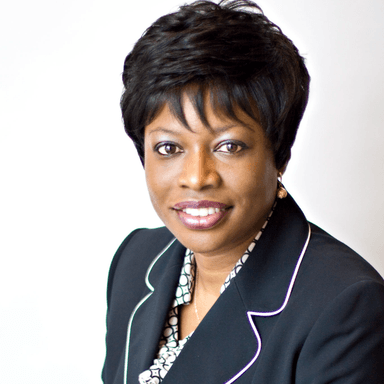
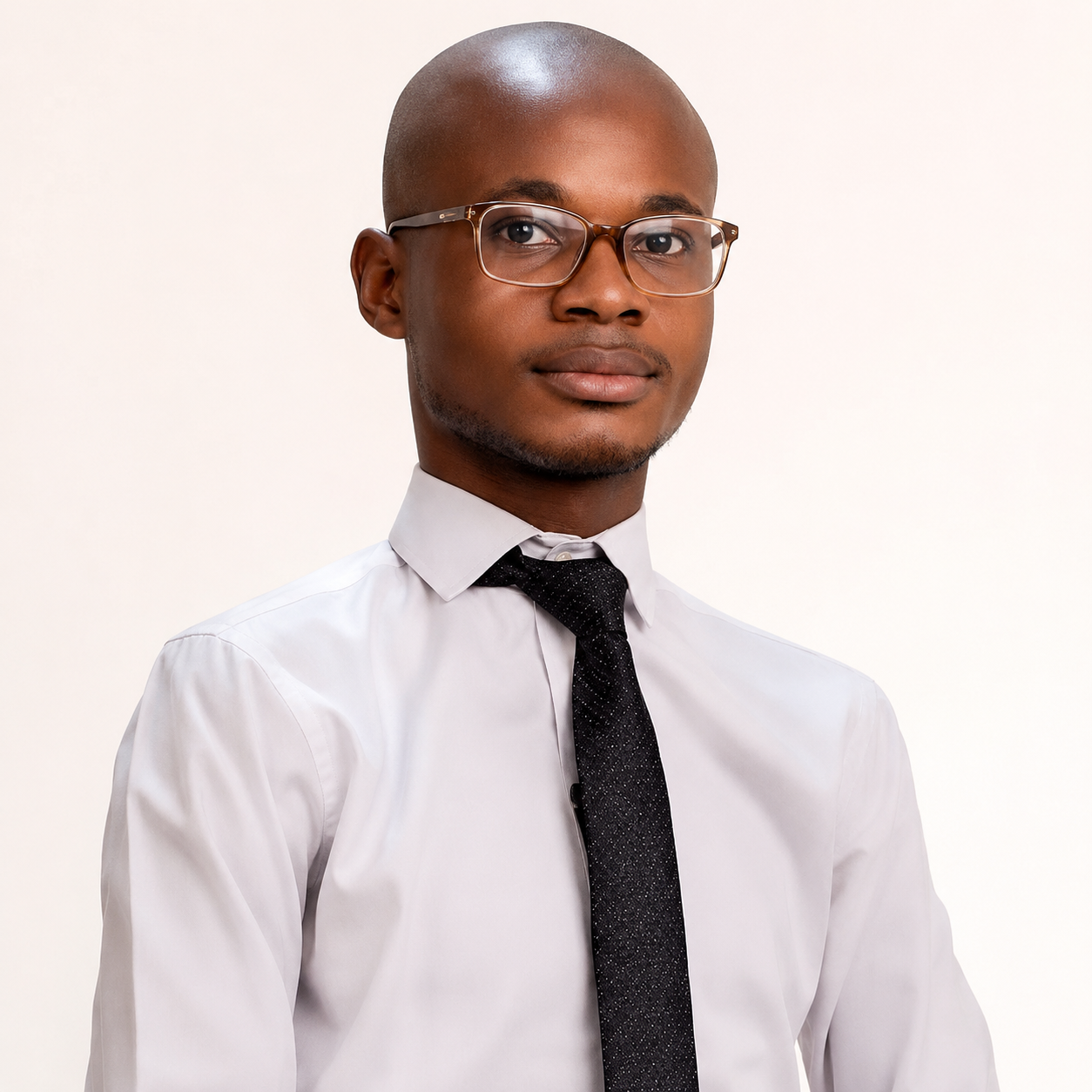
Hon. Dr. Ajibayo Adeyeye, Esq.

Co-Founder, Nibanola Motherland, Ondo, Nigeria

SPEAKERS

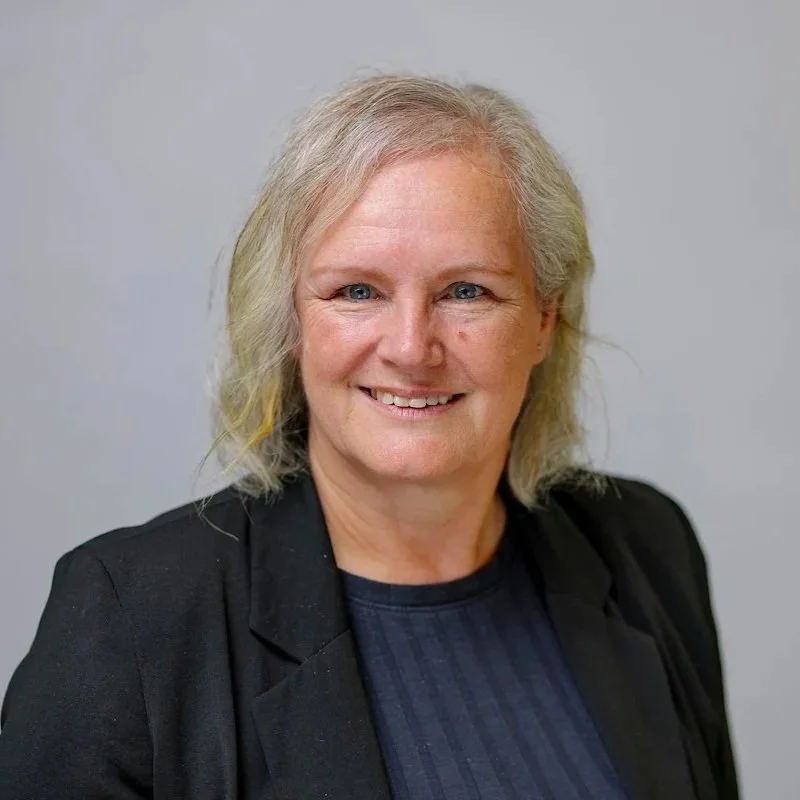
Dr Sally Flint, AHEA 

Associate Lecturer - Creative Writing, English, & Publishing, University of Exeter, United Kingdom

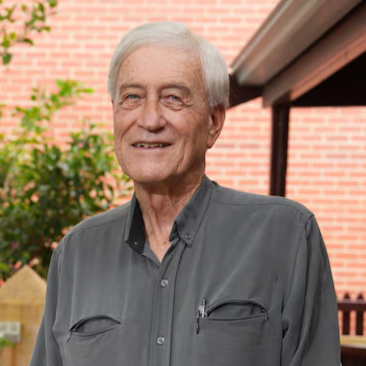
Prof. Peter Newman AO

John Curtin Distinguished Professor of Sustainability, Curtin University, Australia

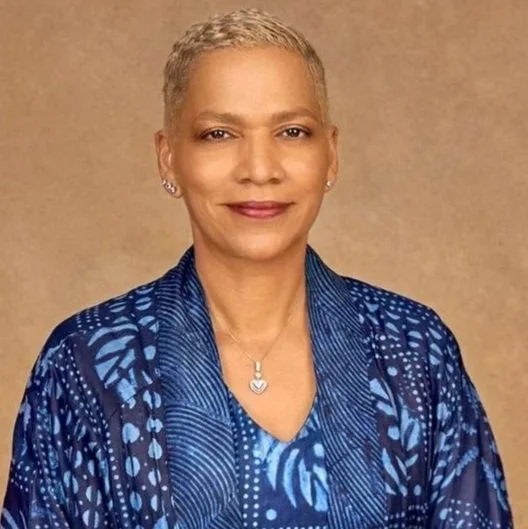
Dr. David Akanbi

Adjunct Professor - University of the District of Columbia, United States

Dr. Charles Adeyemi

Founder, Chale Institute

Prof. Yoshihiro Hamaguchi

Professor, Macroeconomics, Hannan University, Osaka, Japan

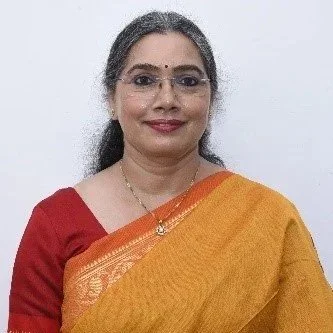
Dr. Mona Sedwal

Assistant Professor, National Institute of Educational Planning and Administration (NIEPA), India

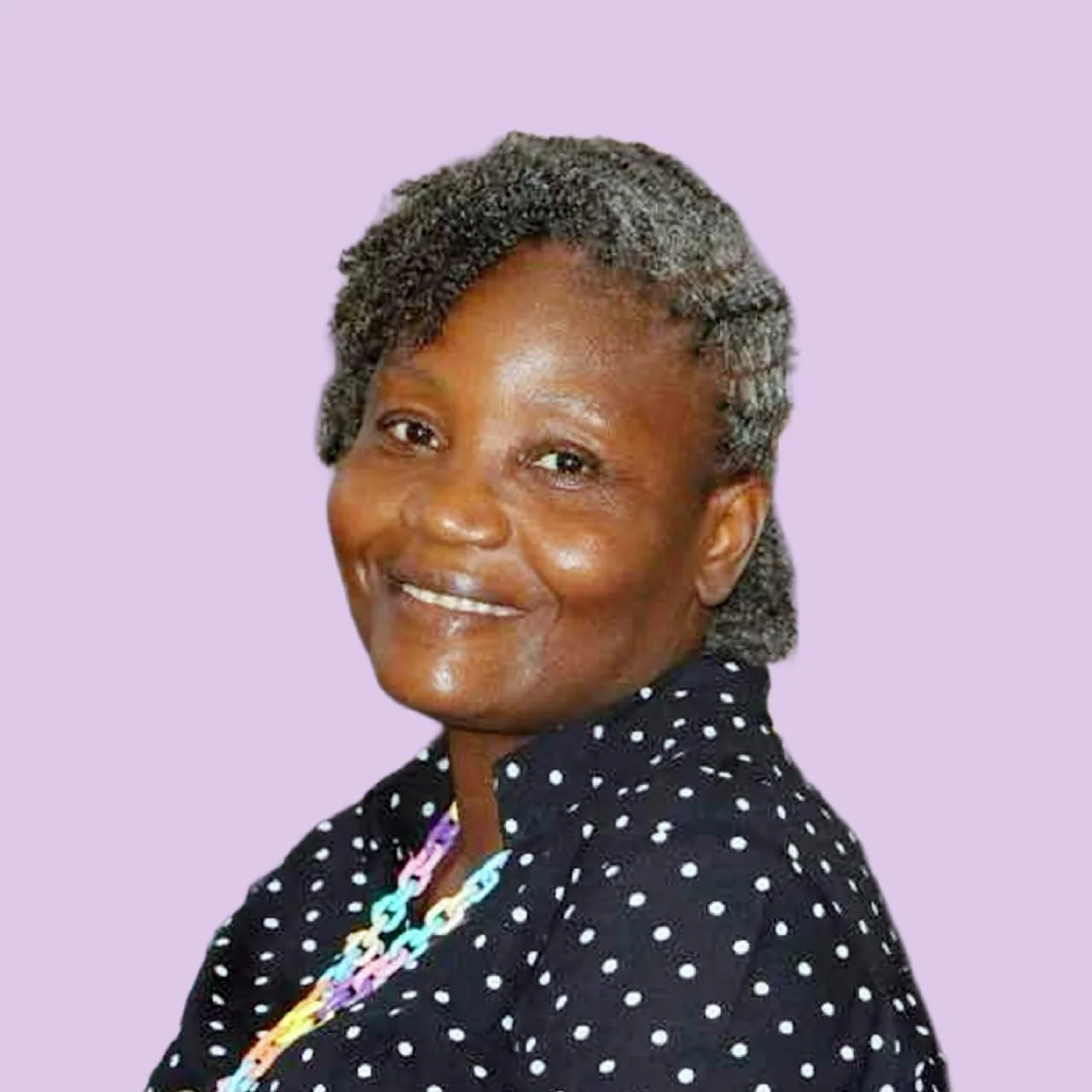
Dr. Adeola Adewusi

Volunteer, Food and Genes initiatives, Nigeria

Foluke Arijeniwa

Executive Assistant, The Green Institute

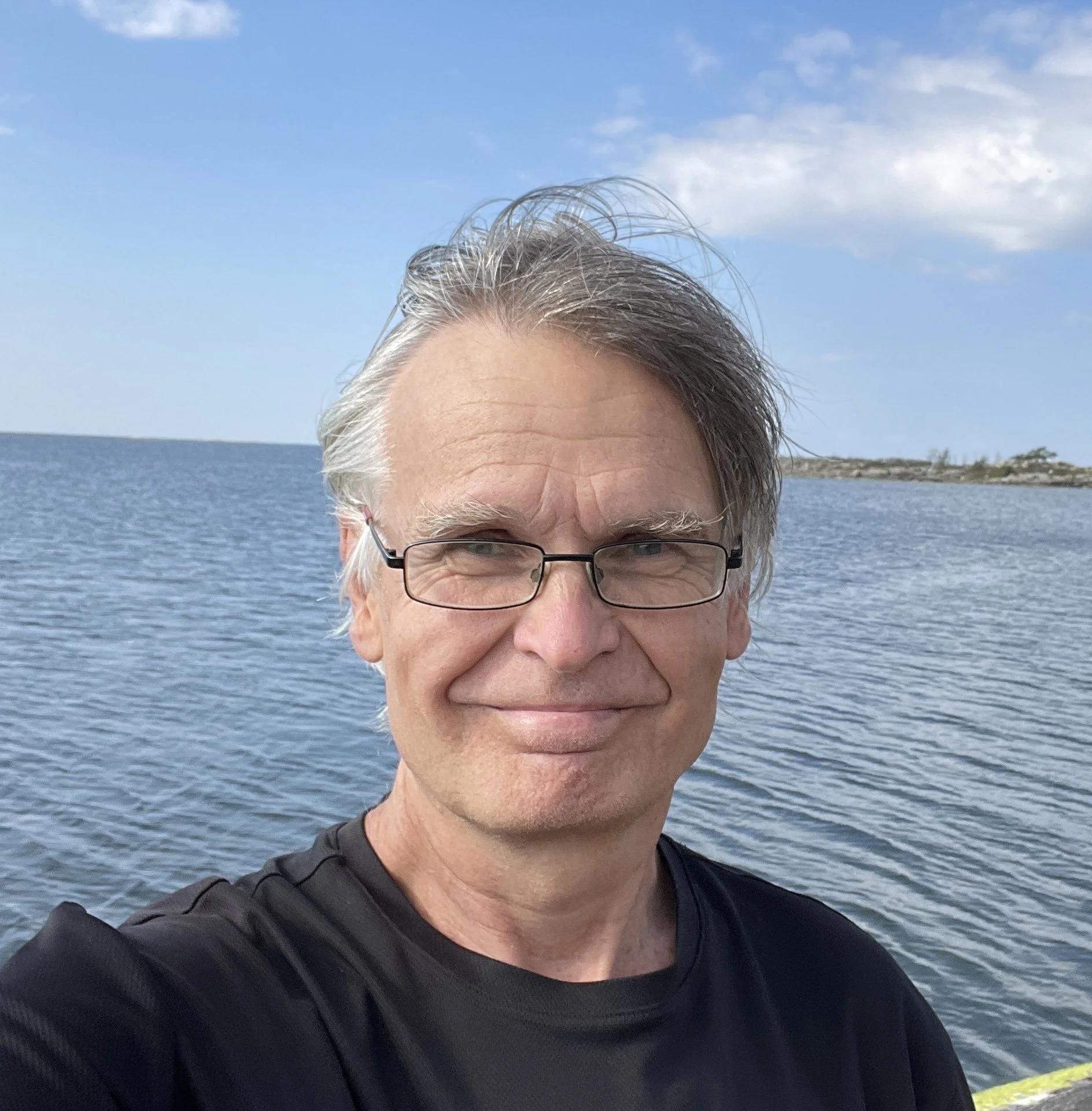
Dr. Juha Henriksson

Associate Professor, Ethnomusicology, University of Helsinki, Finland

Dr. Aaron A. Funa

Assistant Professor I, Sorsogon State University (SorSU), Philippines
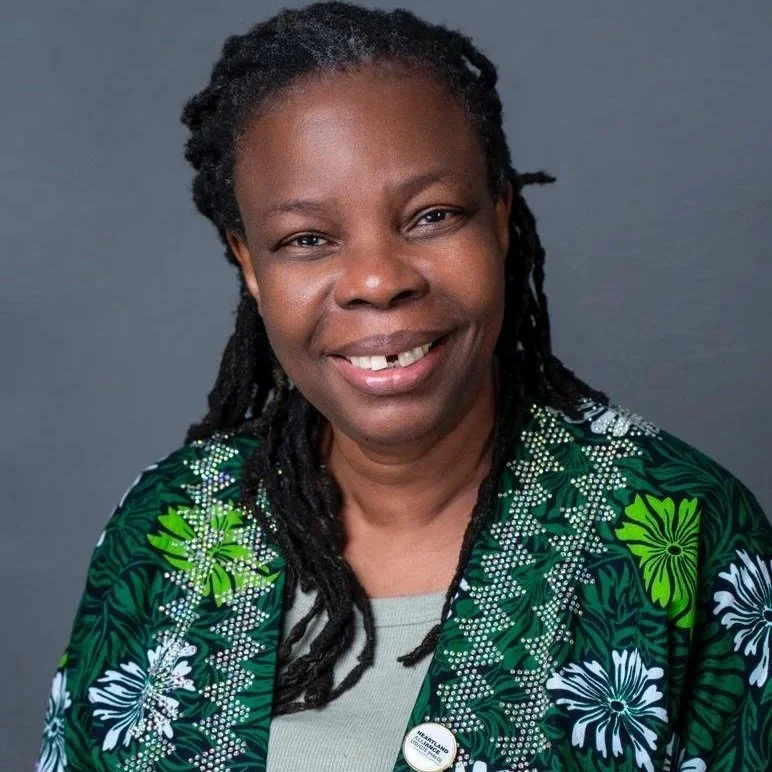
Dr. Stephen Adewole

Senior Lecturer, University of Medical Sciences, Ondo, Ondo State, Nigeria

Prof. Evans Osabuohien

Founding Chair, DePECOS Institutions and Development Research Centrer, Nigeria

Dr. Dimeji Adeyemo

Resident Medical Doctor, Wesley University, Ondo, Nigeria


Register OR SubmIT Abstract

BASIC LIFE SUPPORT (BLS) SKILLS TRAINING

Hands-On Emergency Response Training

Learn CPR & AED for all age groups and emergency scenarios

Train with experts using the latest global first aid standards

Boost your confidence and career in health-related fields


PUBLISHING IN SCOPUS JOURNALS & ACHIEVING GLOBAL SCHOLAR RECOGNITION

Publish Smart: Identify reputable Scopus-indexed journals, understand peer review, and avoid predatory outlets.

Write & Share Effectively: Improve academic writing, structure, citations, and research dissemination strategies.

Boost Impact: Learn tools to track performance, increase citations, and connect with global scholars and mentors.


MASTERING THE ART OF COMMUNICATION FOR CHANGE-MAKERS

Simplify complex ideas for diverse audiences, including policymakers and the public

Use storytelling & digital tools to engage, inform, and inspire

Build confidence for interviews, talks, and cross-disciplinary collaboration

REGISTER


These subthemes highlight the critical intersections of Science, Technology, Engineering, Art, and Mathematics in addressing pressing global issues. Submissions on other related topics that align with the conference's overarching goal of fostering interdisciplinary solutions are also welcome!


Science and Research for Planetary Health

  • Climate science, environmental systems, and sustainability research

  • Biodiversity, ecosystems, and nature-based solutions

  • Health, wellbeing, and planetary health sciences

  • Translational science for sustainable development

  • Scientific research informing policy and practice

Technology and Digital Innovation for Sustainable Futures

  • Artificial intelligence and emerging technologies in education

  • Digital tools for sustainability, climate action, and resilience

  • Ethical, responsible, and inclusive technology design

  • Data, modelling, and smart systems for global challenges

  • Technology-enabled learning and innovation ecosystems

Engineering, Design, and Applied Solutions

  • Sustainable engineering and green infrastructure

  • Design thinking and problem-solving for global challenges

  • Engineering solutions for climate resilience and equity

  • Built environment, energy, and resource-efficient systems

  • Applied STEAM innovations and real-world implementation

Arts, Creativity, and Cultural Practice in STEAM

  • Creative arts and design for sustainability and regeneration

  • Art-based research, pedagogy, and community engagement

  • Storytelling, media, and visual communication for climate and equity

  • Indigenous, local, and cultural knowledge systems

  • Creativity as a driver of innovation and social transformation

Mathematics, Data, and Systems Thinking

  • Mathematical modelling for climate, health, and sustainability

  • Data literacy, statistics, and evidence-based decision-making

  • Systems thinking and complexity in STEAM education

  • Quantitative approaches to social and environmental challenges

  • Mathematics education for future-ready skills

ReGiSter or Submit Abstract

Fees & Certification

CERTIFICATION

A verifiable ‘Certificate of Participation’ will be issued to participants who have successfully presented their papers, at a discounted rate.

EARLY REGISTRATION

  • Workshop Only: ₦40,000

  • Poster Presentation: ₦40,000

  • Oral Presentation: ₦45,000

  • Workshop + Presentation: $100

  • Presentation & Publication: ₦80,000

  • International Participation (Presentation & Publication): $100

You will have the option to make your certification payment after receiving registration confirmation from the Organizing Committee.


Important Deadlines

DEADLINE FOR EARLY-BIRD REGISTRATION

August 28, 2026

DEADLINE FOR Full Paper Submission and Registration

August 30, 2026


Abstract Submission

During the registration process, you will have the opportunity to submit a 250-word abstract in English. This abstract should include the title, theme, focus, and main contributions of your paper, article, or research.

Register OR Submit an Abstract

Paper Format

All panel abstracts, paper abstracts, posters, and presentations will be available online as open access on our website.

Three types of manuscripts may be submitted:

  • Full-length Articles: These should describe new and carefully confirmed findings, and experimental procedures should be given in sufficient detail for others to verify the work. The length of a full paper should be the minimum required to describe and interpret the work clearly.

  • Short Communications: Suitable for recording the results of complete small investigations or giving details of new models or hypotheses, innovative methods, techniques, or apparatus. The style of the main sections need not conform to that of full-length papers. Short communications should be 2 to 4 printed pages (about 6 to 12 manuscript pages) in length.

  • Reviews: Submissions of reviews and perspectives covering topics of current interest are welcome and encouraged. Reviews should be concise and no longer than 4-6 printed pages (about 12 to 18 manuscript pages). Reviews are also peer-reviewed.

  • Posters: Submission of posters must include data and methodology. Posters are subject to peer review and will be made available on all our platforms before the day of the event.

Anybody willing to present or publish a presented paper must register for the conference and submit an abstract(s). Abstracts and full-length papers (in case of peer-reviewed publication) should be emailed to hello@greeninstitute.ng with this ms-word file name format “GSC2026_ Peterson_Abstract” or “GSC2026_Peterson_Fullpaper” where “Peterson” represents the corresponding author's surname and “GSC2026” stands for the conference code.


REGISTER or SUBMIT AN ABSTRACT

All participants—keynote speakers, panellists, presenters, and the audience—have the opportunity to submit and deliver their papers on the sub-themes listed above. Why not showcase your views on sustainability to the world at this year's event?

The conference features five sessions, with three keynote speakers delivering opening lectures central to the theme. Following this, each of the five sessions will have ten or more speakers presenting their articles or papers.

A moderator will manage the speakers, presentations, and timing. Each session will last for two hours, including a short break.

KEYNOTE SPEAKERS

Each keynote speaker has a total of 30 minutes to deliver their article, paper, or research. The first 20 minutes are for the lecture or presentation, followed by a brief ten-minute question-and-answer session.

PRESENTERS

Presenters have 12 minutes for their lectures: ten minutes for the presentation on their chosen sub-theme and two minutes for a quick question-and-answer session.

MEDIUM FOR ATTENDANCE

This year's conference will be virtual. Participants—speakers, panellists, presenters, and the audience—will receive a link for the video conference via email or text message.

We will also live-stream the conference in real-time. Connect and join us from anywhere via a phone or computer. If you're presenting a lecture, you will need a good microphone, in addition to a webcam and a computer or phone. Please test these devices before the online conference begins to ensure they are working properly.

After registering, you will receive more information about the Global STEAM Conference. If you have any questions or wish to know more about this online conference, email us at hello@greeninstitute.ng or click here. Our team is ready to assist you.

DOWNLOAD LOCAL HOTEL BROCHURE

TO BE ANNOUNCED