
The Global STEAM Conference 2026, convened by The Green Institute, is an international, hybrid forum bringing together scholars, educators, policymakers, practitioners, artists, and innovators to explore how STEAM education can drive regenerative, equitable, and climate-resilient futures. Under the theme ‘Regenerating Futures: STEAM Education for Planetary Health and Equity,’ the conference examines interdisciplinary research, pedagogy, and practice that address pressing global challenges at the intersection of education, sustainability, technology, and social justice. Abstract submissions should be sent to hello@greeninstitute.ng
KEYNOTE SPEAKERS AND AWARDEE
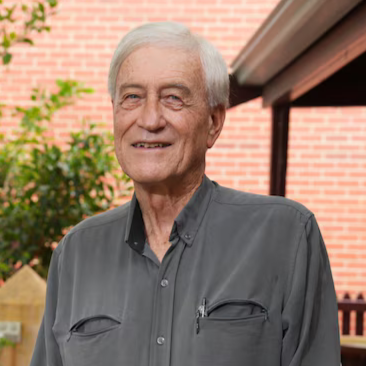
Prof. Peter Newman AO
John Curtin Distinguished Professor of Sustainability, Curtin University, Australia

Dr. Olusola Ayoola
Founder and CEO, Robotics and Artificial Intelligence Nigeria (RAIN)
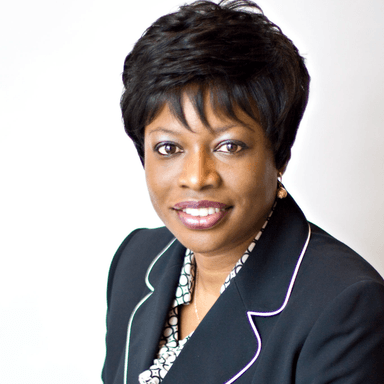
Dr. Unoma Ndili Okorafor
Founder & President, WAAW Foundation
2026 Distinguished Award for Advancing African Women and Girls in STEM
DISTINGUISHED SPEAKERS
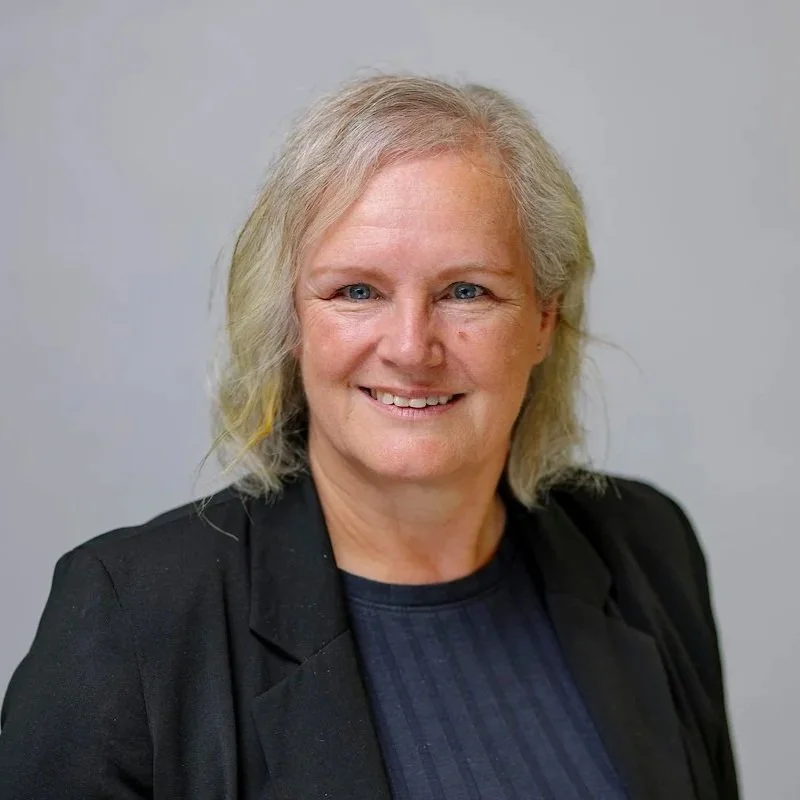
Dr. Sally Flint, AHEA
Associate Lecturer - Creative Writing, English, & Publishing, University of Exeter, United Kingdom

Dr. Juha Henriksson
Europeana Ambassador and Adjunct Professor, Ethnomusicology, University of Helsinki, Finland

Dr. David Akanbi
Adjunct Professor, University of the District of Columbia, United States

Prof. Jennie C. Stephens
Professor of Climate Justice, National University of Ireland, Maynooth
Dr. Mona Sedwal
Assist. Prof., National Institute of Educational Planning and Administration (NIEPA), India

Yusuf Amuda Tajudeen
Public Health and One Health Researcher, Nigeria

Prof. Yoshihiro Hamaguchi
Professor, Macroeconomics, Hannan University, Osaka, Japan

Prof. Fiona Nunan
Professor of Environment and Development, University of Birmingham, UK
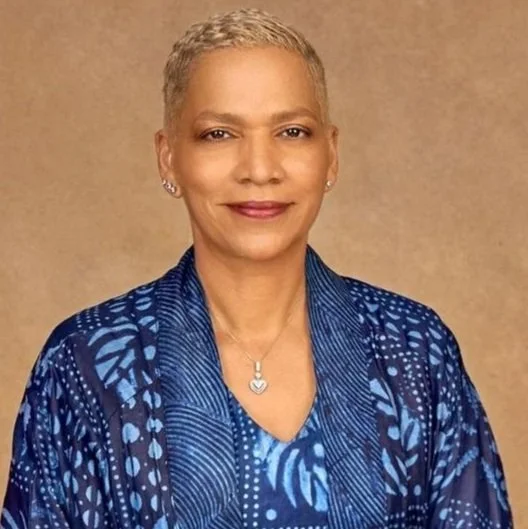
Dr. Ndidi Nnoli-Edozien
Member, International Sustainability Standards Board

Prof. Evans Osabuohien
Professor of Economics, Covenant University & DIaDeRC Founding Chair, Nigeria

Dr. Charles Adeyemi
Founder, The Chale Institute, Nigeria

Mayokun Iyaomolere
Founder and Executive Director, Plogging Nigeria

Prof. Helen N. Onyeaka
Professor, School of Chemical Engineering, University of Birmingham, UK
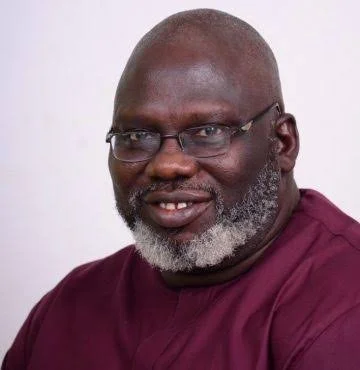
Prof. Adeniran Oluwaranti
Director, Linkages and Partnership Office, Obafemi Awolowo University, Nigeria

Dr. Aaron A. Funa
Assistant Professor I, Sorsogon State University (SorSU), Philippines
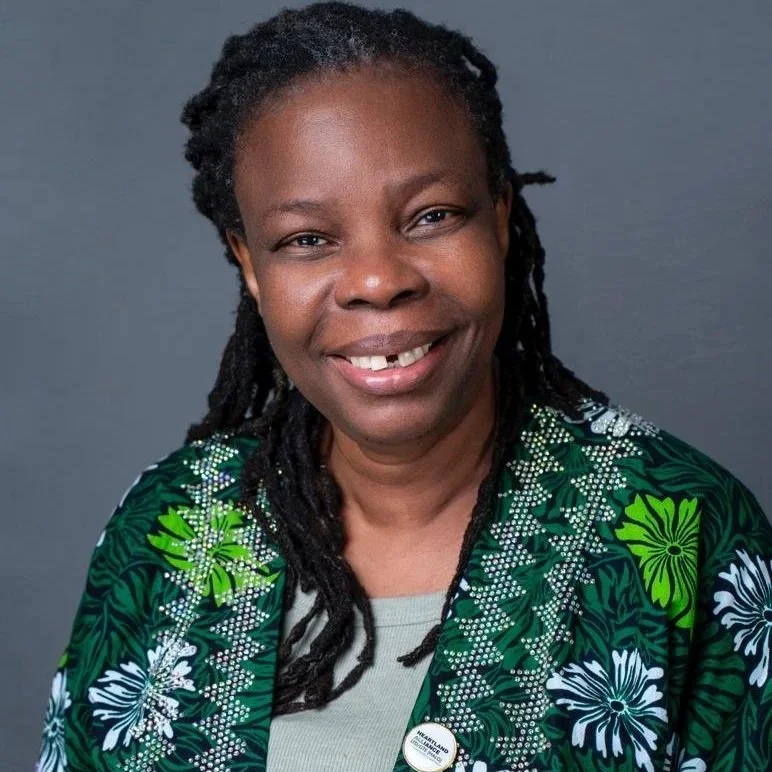
Prof. Morenike O. Folayan
Professor, Paediatric Dentistry, Obafemi Awolowo University, Nigeria
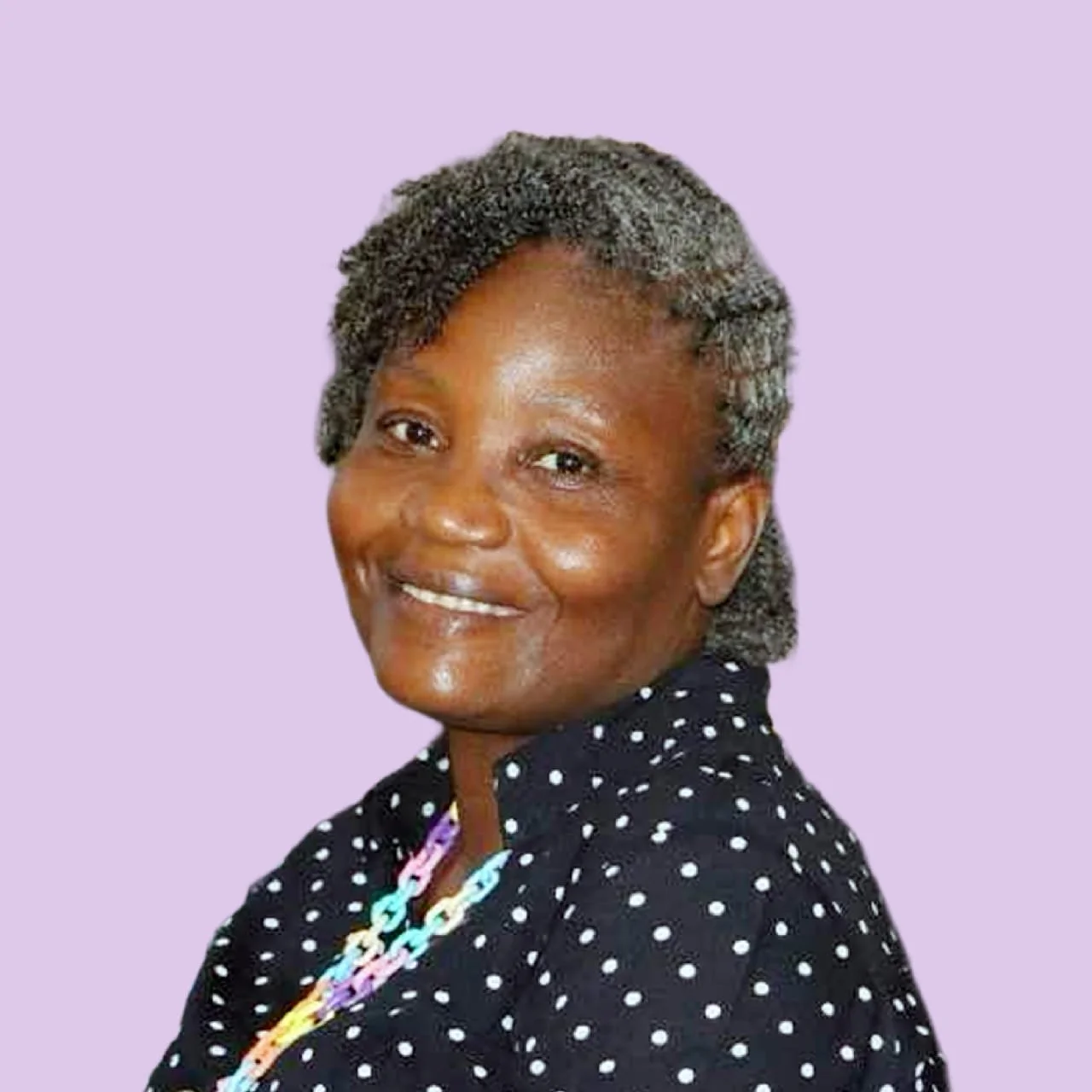
Titilope Gbemisola Akosa
Executive Director, Centre for 21st Century Issues | Climate Justice & Gender Specialist

Foluke Arijeniwa
Executive Assistant, The Green Institute
CONFERENCE COMMITTEE
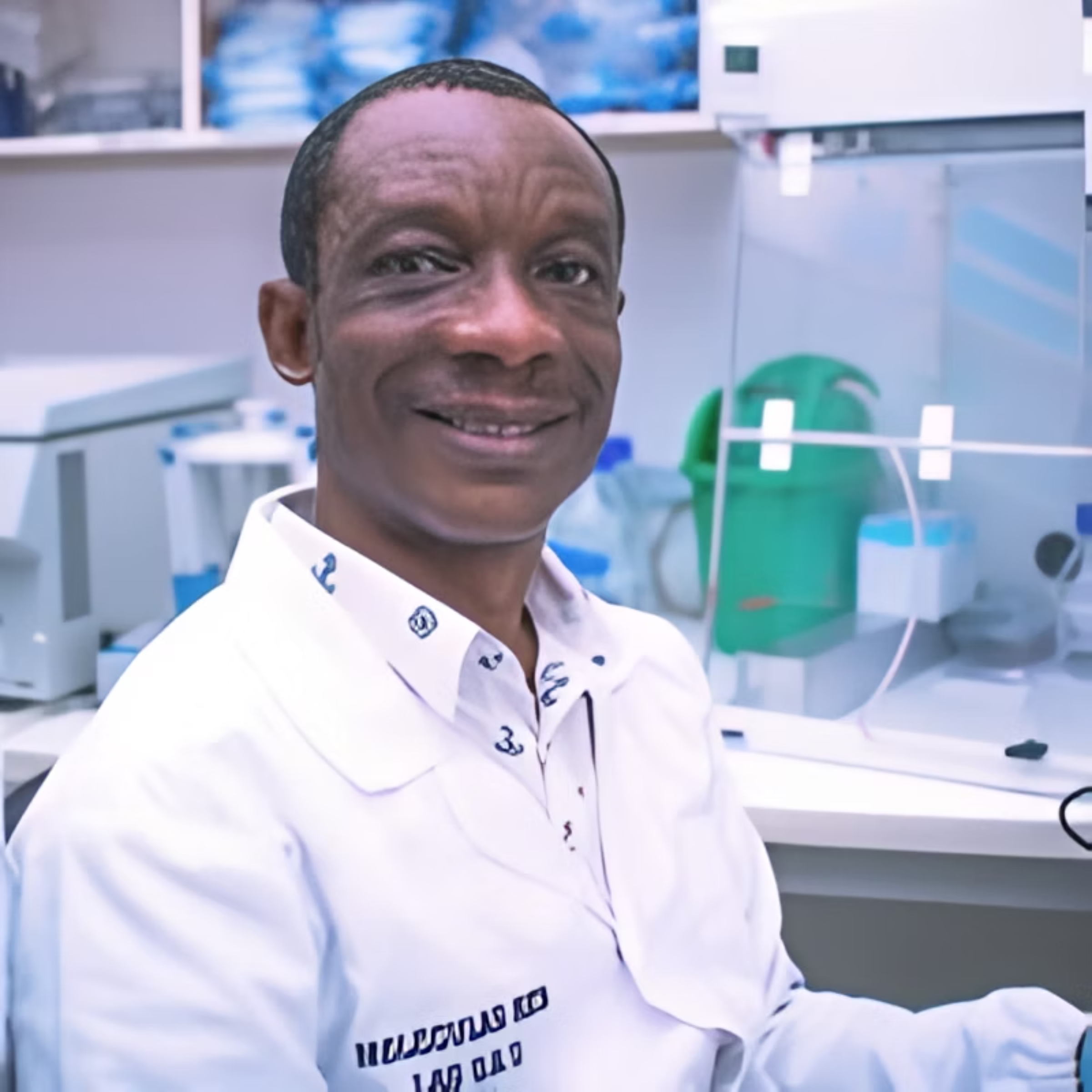
Professor, Department of Microbiology, Obafemi Awolowo University, Nigeria
CONFERENCE CHAIR

Adenike A. Akisnemolu, PhD
Founder and Director, The Green Institute
HOST
These subthemes highlight the critical intersections of Science, Technology, Engineering, Art, and Mathematics in addressing pressing global issues. Submissions on other related topics that align with the conference's overarching goal of fostering interdisciplinary solutions are also welcome. Abstract submissions should be sent to hello@greeninstitute.ng
Science and Research for Planetary Health
Climate science, environmental systems, and sustainability research
Biodiversity, ecosystems, and nature-based solutions
Health, wellbeing, and planetary health sciences
Translational science for sustainable development
Scientific research informing policy and practice
Technology and Digital Innovation for Sustainable Futures
Artificial intelligence and emerging technologies in education
Digital tools for sustainability, climate action, and resilience
Ethical, responsible, and inclusive technology design
Data, modelling, and smart systems for global challenges
Technology-enabled learning and innovation ecosystems
Engineering, Design, and Applied Solutions
Sustainable engineering and green infrastructure
Design thinking and problem-solving for global challenges
Engineering solutions for climate resilience and equity
Built environment, energy, and resource-efficient systems
Applied STEAM innovations and real-world implementation
Arts, Creativity, and Cultural Practice in STEAM
Creative arts and design for sustainability and regeneration
Art-based research, pedagogy, and community engagement
Storytelling, media, and visual communication for climate and equity
Indigenous, local, and cultural knowledge systems
Creativity as a driver of innovation and social transformation
Mathematics, Data, and Systems Thinking
Mathematical modelling for climate, health, and sustainability
Data literacy, statistics, and evidence-based decision-making
Systems thinking and complexity in STEAM education
Quantitative approaches to social and environmental challenges
Mathematics education for future-ready skills