Investing in health workers yields ‘triple dividend - WHO chief says

_The problem is we don't know what the climate is doing. We thought we knew 20 years ago. That led to some alarmist books – mine included – because it looked clear-cut, but it hasn't happened._ (11).jpg

“They are doing life-saving work every day, including during holidays when the rest of us are with our loved ones at home”, said Tedros Adhanom Ghebreyesus, Director-General of the World Health Organization (WHO), in his video message for the new year.

“But the world needs to do a better job in supporting our health workers, paying them, training them and protecting them”.

WHO estimates that the world will need another 18 million health workers, mostly in low- and middle-income countries.

He recalled that 2020 is the Year of the Nurse and the Midwife, which celebrates the professionals who provide a wide range of health services “from the first moments of life to the last”.

There are 22 million nurses and two million midwives worldwide, who prevent, diagnose and treat diseases, provide expert care during childbirth and also serve people caught in humanitarian emergencies and conflicts, according to WHO. 

Pollution Statistics

Pollution Statistics

Pollution is one of the biggest global killers, affecting over 100 million people. That’s comparable to global diseases like malaria and HIV.

Cleanups can save animals’ lives and discourage people from littering in the future. Take initiative and host a cleanup -- wearing anything but clothes! -- at a park near you. Sign up for 

In 1975, the National Academy of Sciences estimated that ocean-based sources, such as cargo ships and cruise liners had dumped 14 billion pounds of garbage into the ocean.

Over 1 million seabirds and 100,000 sea mammals are killed by pollution every year.

People who live in places with high levels of air pollutants have a 20% higher risk of death from lung cancer than people who live in less-polluted areas.

Further Reading

  1. World Health Organization. "Climate change and health." 2014. Web Accessed April 25, 2015. ↩︎

  2. Keep America Beautiful. “LITTER IN AMERICA.” 2010. Web Accessed April 25, 2015. ↩︎

  3. California Coastal Commission. "Marine Debris." State of California. Web Accessed April 25, 2015. ↩︎

  4. United Nations Environment Programme. "Marine Liter: Trash that Kills." Web Accessed April 25, 2015. ↩︎

  5. Grens, Kerry. "Air pollution tied to lung cancer in non-smokers." Thomas Reuters, 2011. Web Accessed April 25, 2015. ↩︎

Secretary-General calls for global participation in UN75 dialogues for better future for all

_The problem is we don't know what the climate is doing. We thought we knew 20 years ago. That led to some alarmist books – mine included – because it looked clear-cut, but it hasn't happened._ (10).jpg

The UN75 initiative is  described as a "global reality check" to spark conversations  around building a better future for all.

As the UN prepares to turn 75, we want to hear your views on how to tackle the biggest challenges of our time.

Four innovative data streams will capture discussions across the world, and in diverse settings, to build the first-ever repository of crowd-sourced solutions to major global challenges.  

The UN75 dialogues – together with a ‘One-minute Survey’, opinion polling in 50 countries, and an artificial intelligence sentiment analysis of traditional and social media in 70 countries – will generate compelling data to inform national and international policies and debate

UN Secretary-General António Guterres will present the views and ideas that are generated to world leaders and senior UN officials at a high-level event on 21 September to mark the Organization's 75th anniversary.

Sub-Saharan Africa faces grave hunger challenges in 2020: UN food relief agency

_The problem is we don't know what the climate is doing. We thought we knew 20 years ago. That led to some alarmist books – mine included – because it looked clear-cut, but it hasn't happened._ (8).jpg

According to the World Food Programme (WFP) 2020 Global Hotspots Report, millions of people in Zimbabwe, South Sudan, Democratic Republic of Congo and the Central Sahel region will require life-saving food assistance in the coming months – the sheer scale and complexity of which will stretch the UN food relief agency’s capacity to the limit and require generous donor support for a ramped-up humanitarian response.

WFP Executive Director David Beasley spelled out: “WFP is fighting big and complex humanitarian battles on several fronts at the start of 2020”.

WFP is fighting big and complex humanitarian battles on several fronts at the start of 2020
— WFP chief

“In some countries, we are seeing conflict and instability combine with climate extremes to force people from their homes, farms and places of work”, he elaborated. “In others, climate shocks are occurring alongside economic collapse and leaving millions on the brink of destitution and hunger.”

Why Is It So Difficult to Fund Infrastructure Development in Africa?

_The problem is we don't know what the climate is doing. We thought we knew 20 years ago. That led to some alarmist books – mine included – because it looked clear-cut, but it hasn't happened._ (6).jpg

In a period of rapid advancement worldwide, Africa’s development needs remain huge. Why? Closing the infrastructure deficit in Africa entails recognizing the numerous barriers impeding economic growth and prosperity. Environmental, social and governance factors should not be ignored.

Over the past two decades, the region has expanded core infrastructure, such as telecommunications networks and access to safe potable water, but developmental progress has generally been too limited, with Africa remaining the only world region where there has been a decline in road network density and almost no improvement in per capita electricity-generating capacity. Investment in development infrastructure has also been insufficient: according to recent statistics,

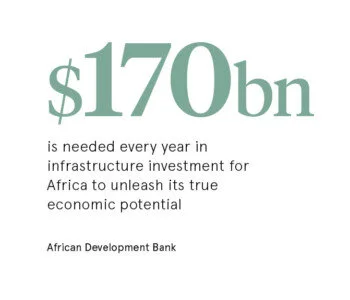
Africa has a development financing gap of nearly USD 108 billion and an estimated need for infrastructure investment of between USD 130 billion and USD 170 billion.

Africa’s development gap and relatively slow progress present attractive investment opportunities for developmental projects focused on building intra-regional transport networks, creating power generation solutions, revolutionizing manufacturing and agro-processing, and achieving environmentally responsible natural resources extraction. But the chances of meeting this potential are hampered by fundamental challenges limiting the involvement of potential financiers. To successfully fund infrastructure development projects, financial investors need to identify, understand and overcome these challenges.

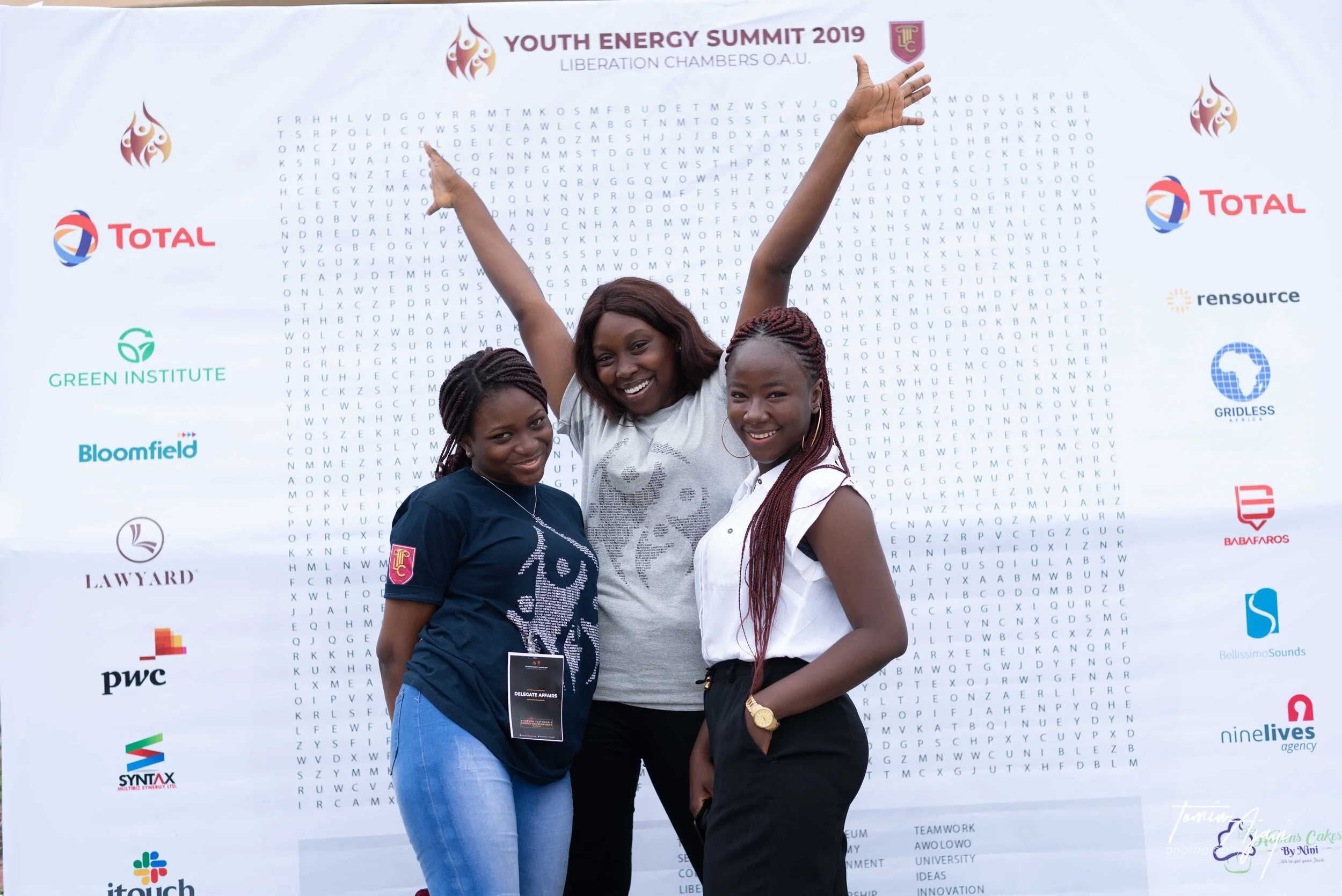
The Green Institute at The Youth Energy Summit (YES) 2019

Dr Akinsemolu Adenike at the YES summit

Dr Akinsemolu Adenike at the YES summit

The Youth Energy Summit (YES) which is the first ever energy conference organized by students was held at Nacatem Hall, Obafemi Awolowo University Ile-Ife on the 6th and 7th of November 2019. The summit was tagged ACHIEVING SUSTAINABLE ENERGY DEVELOPMENT IN NIGERIA. At the Summits Energy Project Finals, it had in attendance the founder, Green Institute Dr Adenike Akinsemolu, who was a panelist at the event. Also, present were Prince Ojelabu, Head Engineering Operations at Rensource Energy, Damilola Asaleye, Co-founder Ashdam Solar Company Limited amongst others.

About 30 Nigeria Universities participated in this summit presenting recommendations on achieving sustainable Energy in Nigeria. All speakers at the event spoke on the need to take action towards harnessing renewable energy sources available in Nigeria. According to The Green Institute founder we may not be ready for renewable energy in the fullest of forms but we are ready for the traditional biomass.The time to take ACTIONS is NOW.

The Green Institute to Participate in the UN Global Goals Week in Doha, Qatar

The Green Institute is excited to be a collaborator for the Maker-Majlis during the Global Goals Week in Doha, Qatar. Hosted by the College of Islamic Studies at the Hamad Bin Khalifa University, the Maker-Majlis holds from 22 to 25 September 2019. This event offers a space for transformative dialogue and synergy on the UN Sustainable Development Goals (SDGs), Qatar National Vision 2030, and faith. 

At the Maker-Majlis, diverse participants and institutions will come together to share ideas, identify solutions, and develop meaningful partnerships. We will maintain a booth and showcase how our training and research on environmental sustainability and development advances the SDGs in Nigeria. 

The Green Institute’s 3-man team led by our founder, Dr. Adenike Akinsemolu, has arrived Education City, Doha. Others are Mr. Oghenekevwe Oghenechovwen and Ms. Leclair.

Dr. Akinsemolu will serve as a Judge for the SDG Awards recognizing Qatari individuals or entities advancing the Global Goals, informally interact and share her expertise with students of HBKU, mentor high-school students, and give one of the Halaqa talks on how some of Green Institute’s initiatives led by children and youth are inspiring adults to act on environmental protection. Oghenekevwe Oghenechovwen will also give a Halaqa talk on plastic pollution in the ocean and how our Trash for Education initiative addresses this environmental crisis. 

Find full information and schedule of the Maker-Majlis here: https://www.hbku.edu.qa/en/maker-majlis-islam

SALOME KARWAH: Green Personality for July 2019

GREEN PERSONALITY.png

NAME: SALOME KARWAH

DATE OF BIRTH: 1988

NATIONALITY: LIBERIAN

Helping others with Ebola brought meaning to my life.
— Salome Karwah

FAMILY

Karwah’s father was a medical doctor who was the first person to die from Ebola in Liberia. She lost also her mother and seven other relatives to the epidemic. She herself was an Ebola survivor who later engaged to work with ‘Medecins Sans Frontierers’ (i.e Doctors Without Borders) and other healthcare professionals helping to save lives of thousands of people from the Ebola epidemic.

However, in 2013, Karwah had met James Harris at a mutual friend’s place and the two later became lovers. They had two children together before getting married in January, 2016, while Karwah was pregnant with their third child.

It’s unfortunate that Karwah died on February 21, 2017, while giving birth to the fourth child for James Harris.

It’s noteworthy that though James Harris too had been infected with the Ebola Virus, it was discovered that both Karwah and Harris had developed a natural immunity to the particular strain of Ebola in Liberia. Thus, shortly after their discharge from the hospital, ‘MSF’ (i.e Doctors Without Borders) hired the couple as mental health counsellors in their Ebola units.

EDUCATION

Karwah was educated in Liberia and apparently was trained to be a medical practional. 

OCCUPATION/CAREER

Although Karwah had lost her parents and other relatives to the Ebola epidemic in the Liberia, after her surviving the attack herself and the survival of her then boyfriend, James Harris, the two later devoted all their training and experiences on the disease to caring for other victims without minding the risk to their own personal health.

Thus, they were employed by MSF to serve as mental health counsellors in Ebola units. For instance, when Karwah was interviewed on her work by ‘NPR’ in 2014, she recalled that ‘it was not hard to come back (to the Ebola treatment centre)….. if I can help someone survive, I will be very happy.’ No wonder she remained at the unit until the end of Ebola crisis.

ADVOCACY AND ACHIEVEMENT ON SUSTAINABLE DEVELOPMENT AND ENVIRONMENTALISM                                         

In October, 2014, the Guardian featured Karwah as a guest writer. In the piece, she stated categorically that helping others with Ebola brought meaning to her life. She also declared that ‘If someone has Ebola, it is not good to stigmatize, because you don’t know who is next in line to contact the virus.’ It’s noteworthy that Karwah’s efforts, determination, sacrifices and experience really helped thousands of victims of the Ebola epidemic while it lasted in Liberia.

PRIZES/AWARDS/HONOURS 

Times Magazine named Salome Karwah as its Co-Person of the year, along side several other ‘Ebola fighters’ in December, 2014. Also, various publications and institutions celebrated her rare and tremendous contributions and doggedness on the fight against the Ebola epidemic.

_The problem is we don't know what the climate is doing. We thought we knew 20 years ago. That led to some alarmist books – mine included – because it looked clear-cut, but it hasn't happened._.png

RESOURCES

Paye-Layleh, Jonathan (2017-03-02). "Ebola health care worker dies after childbirth in Liberia". Associated Press. CBC News. Retrieved 2017-03-15.

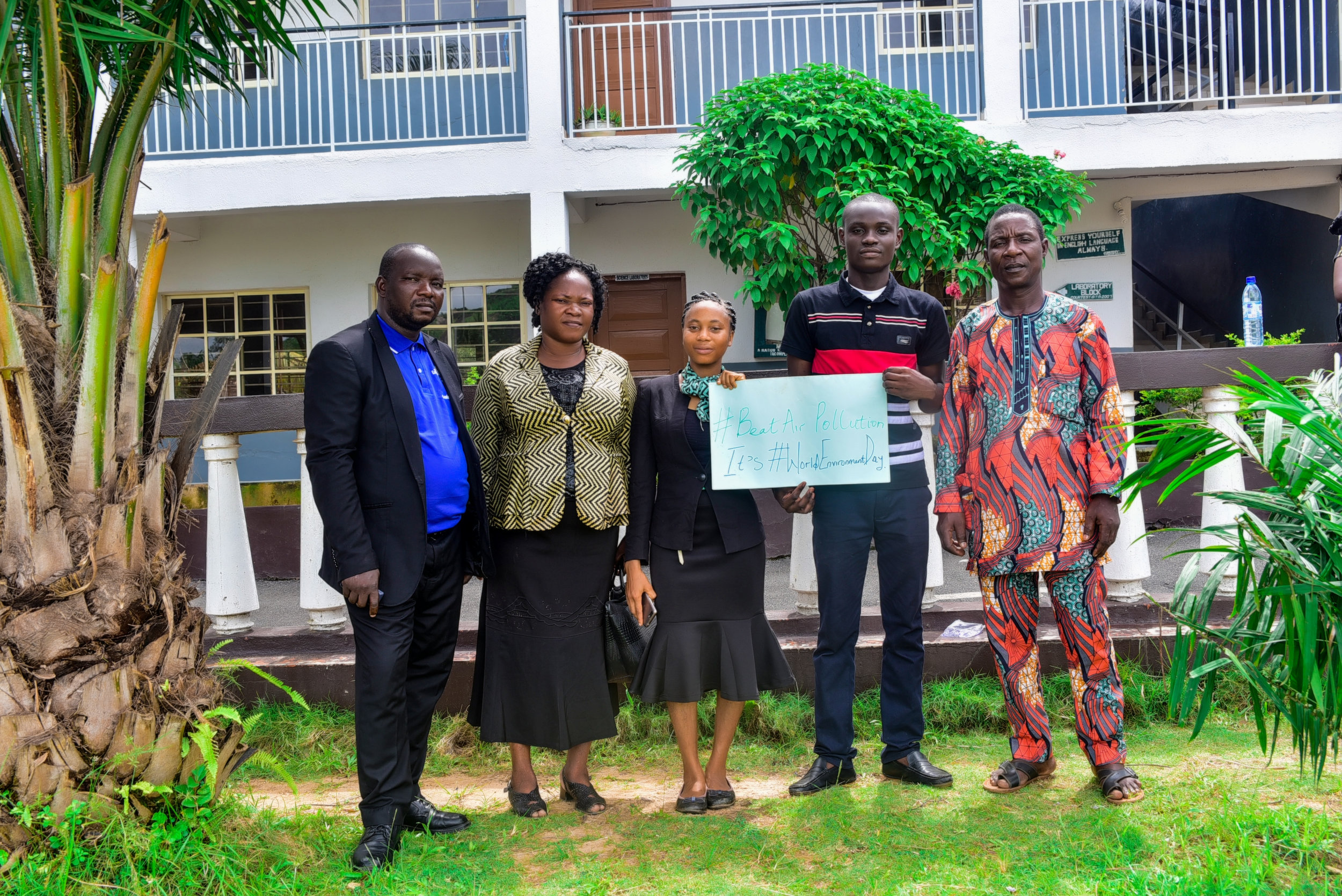
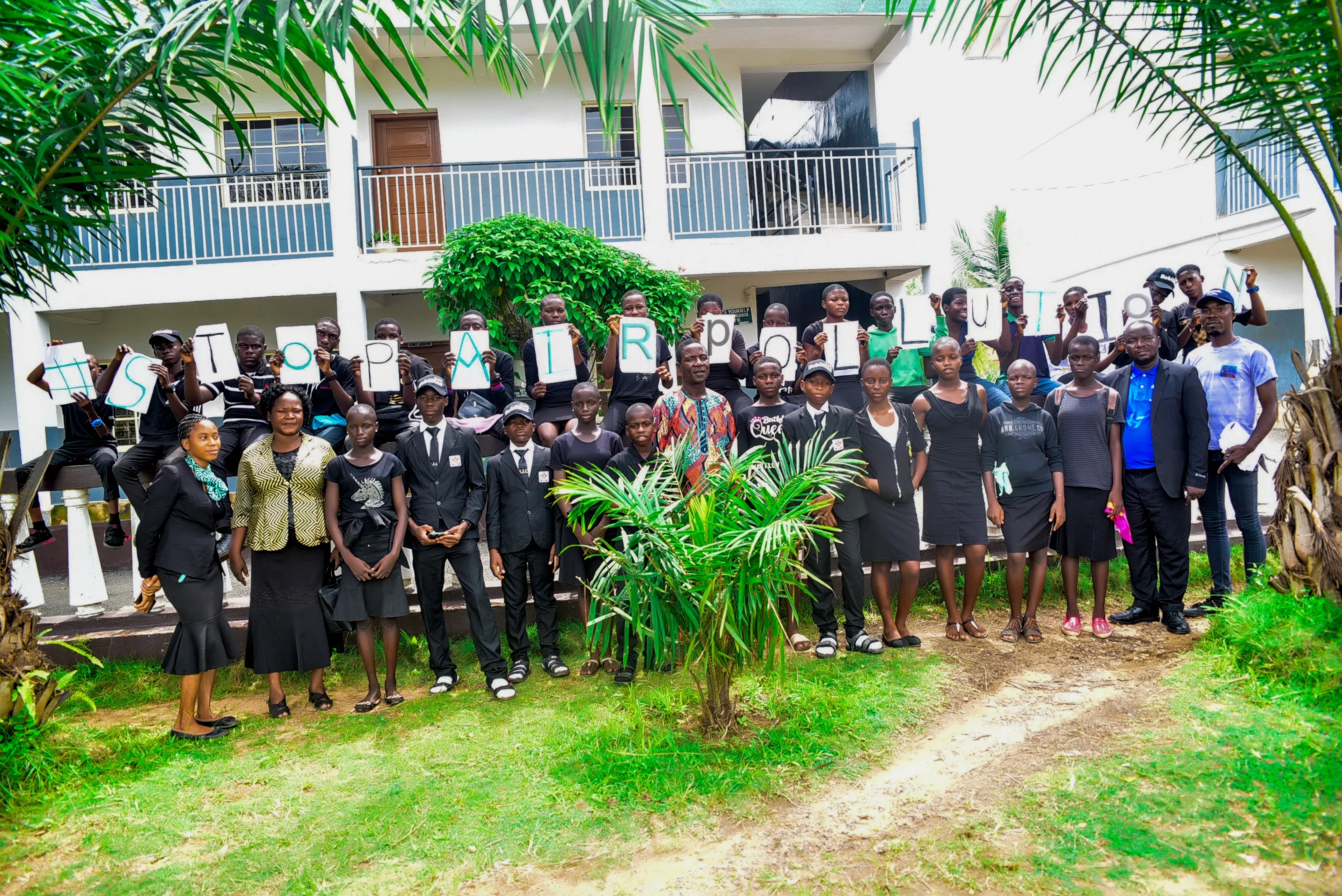
#BeatAirPollution: 2019 World Environment Day

Green_Beat_Air_Pollution.jpg

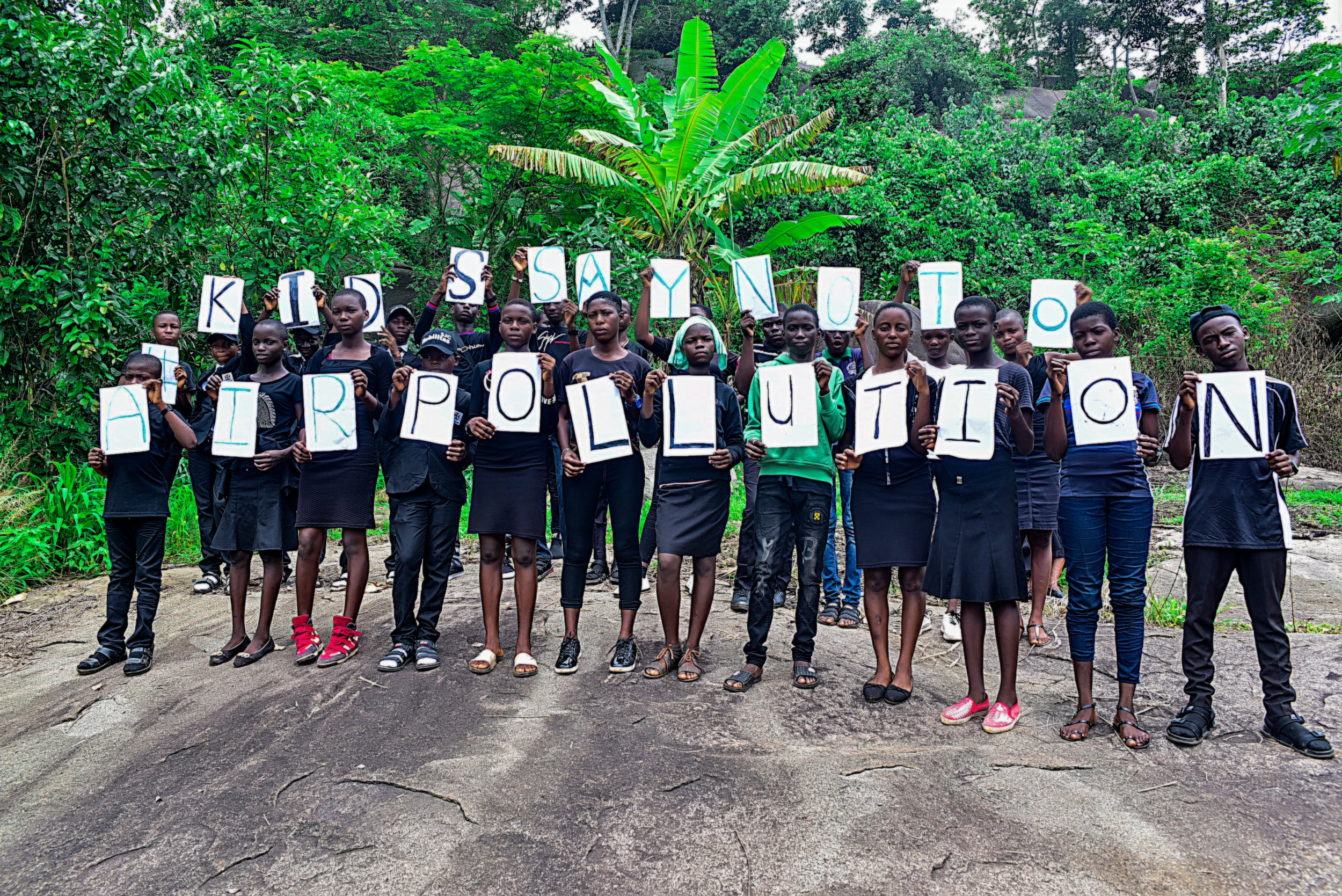
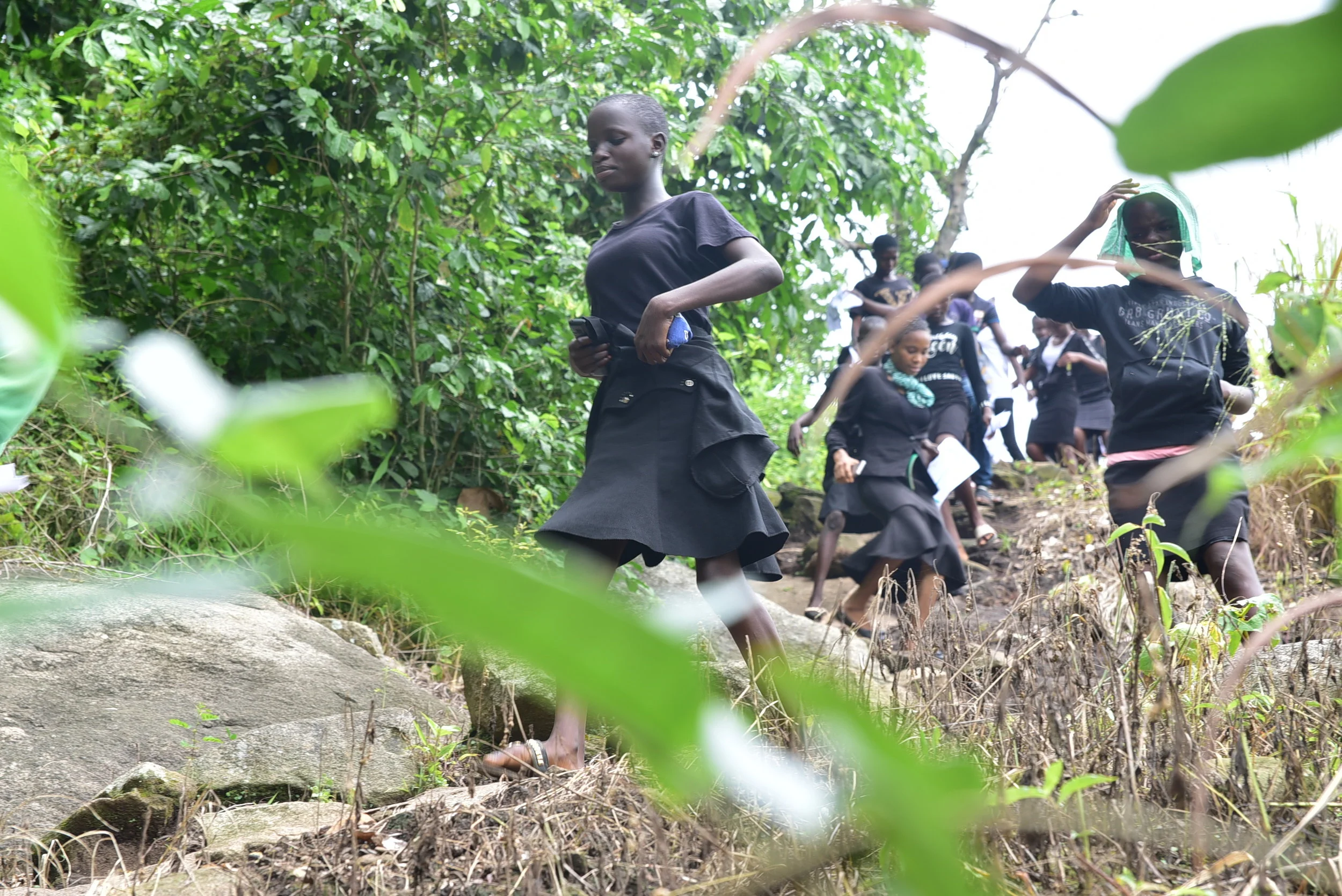
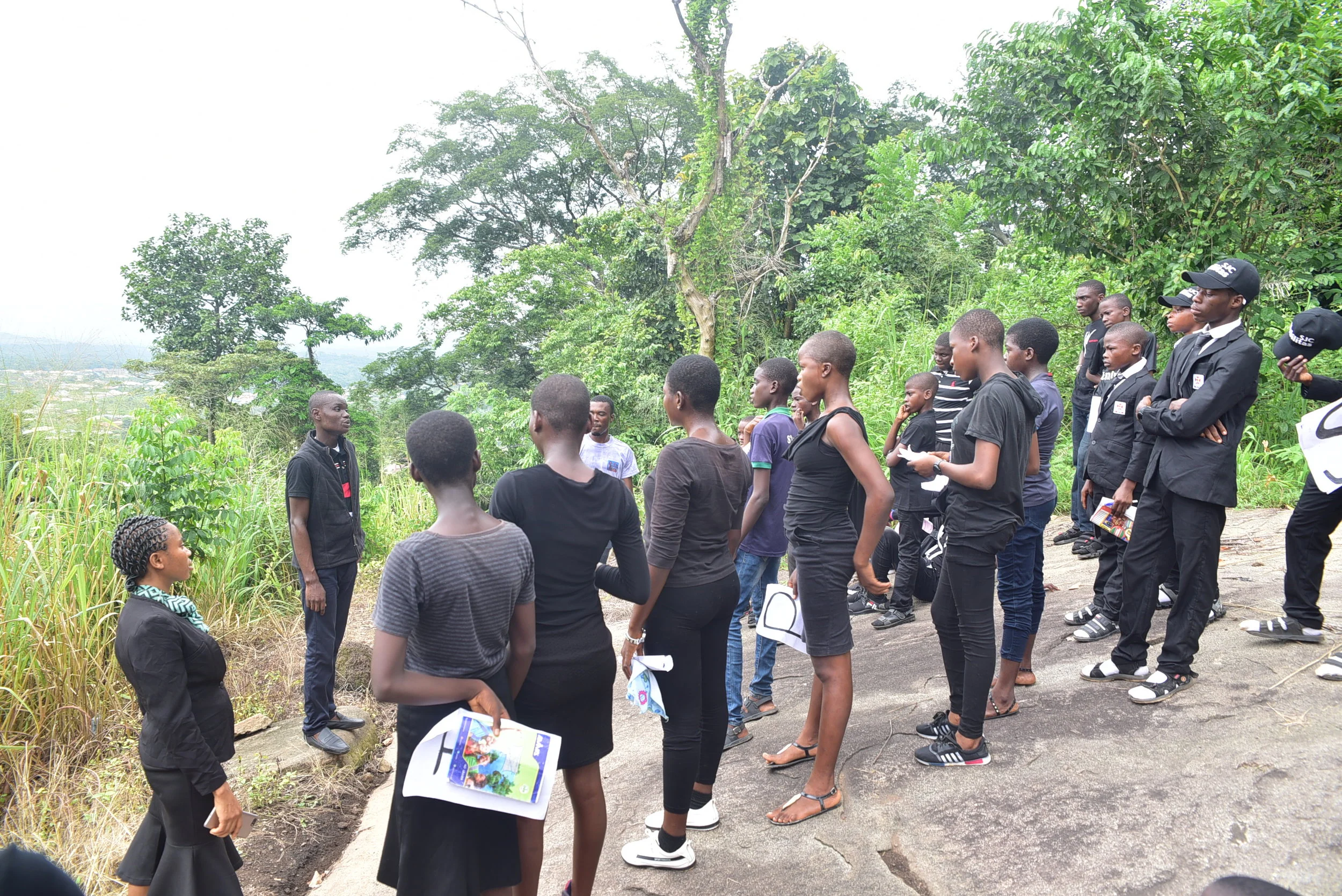
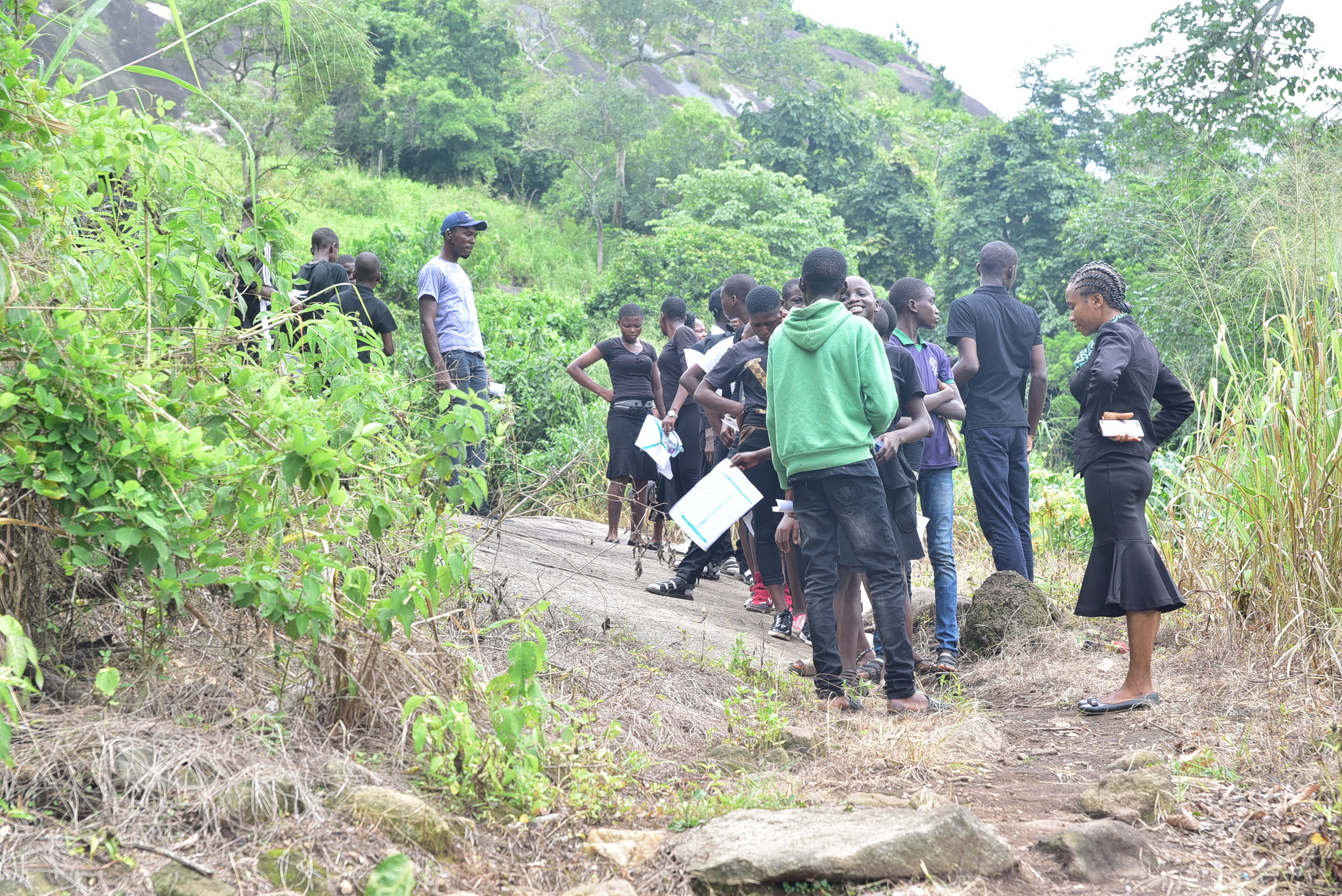
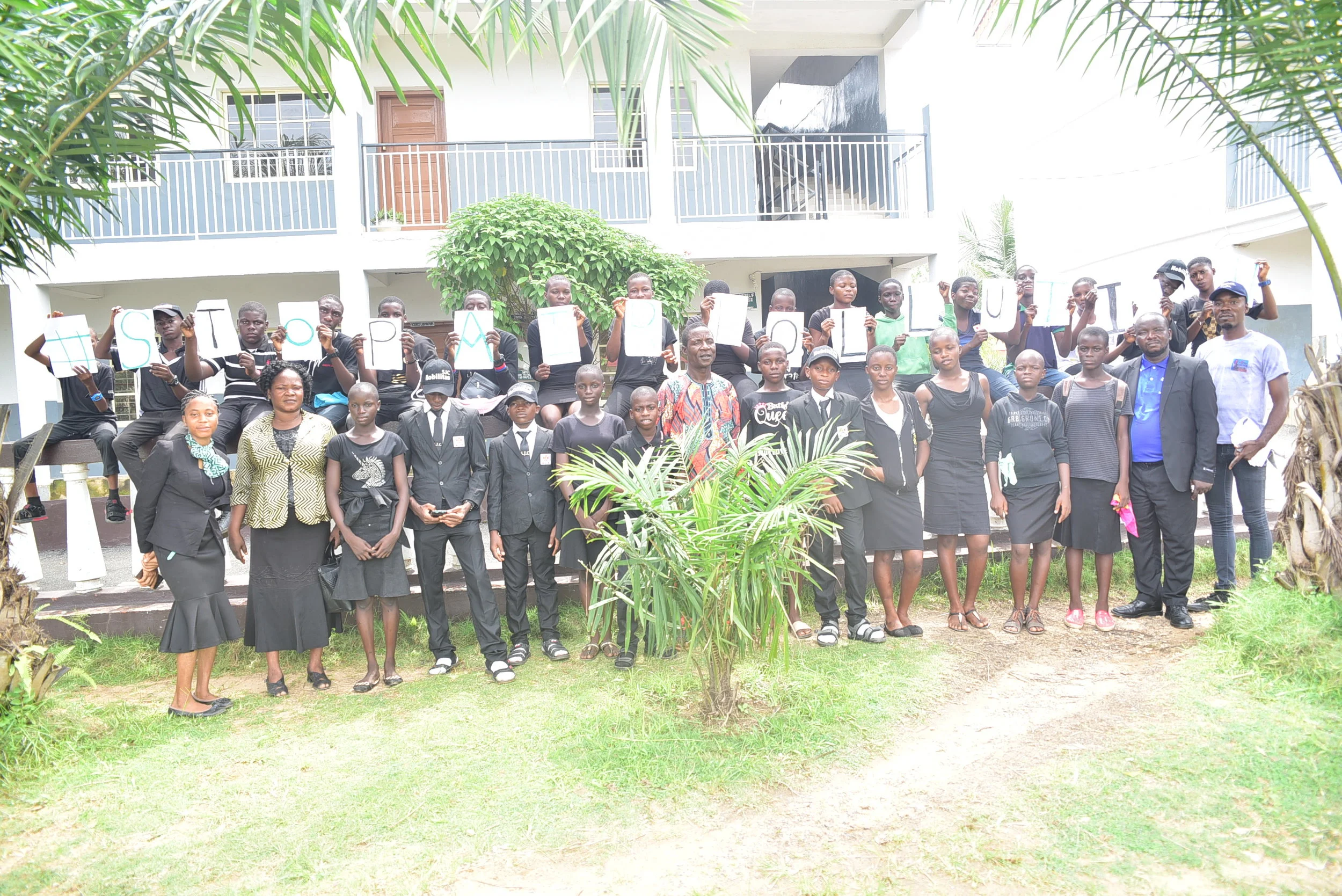
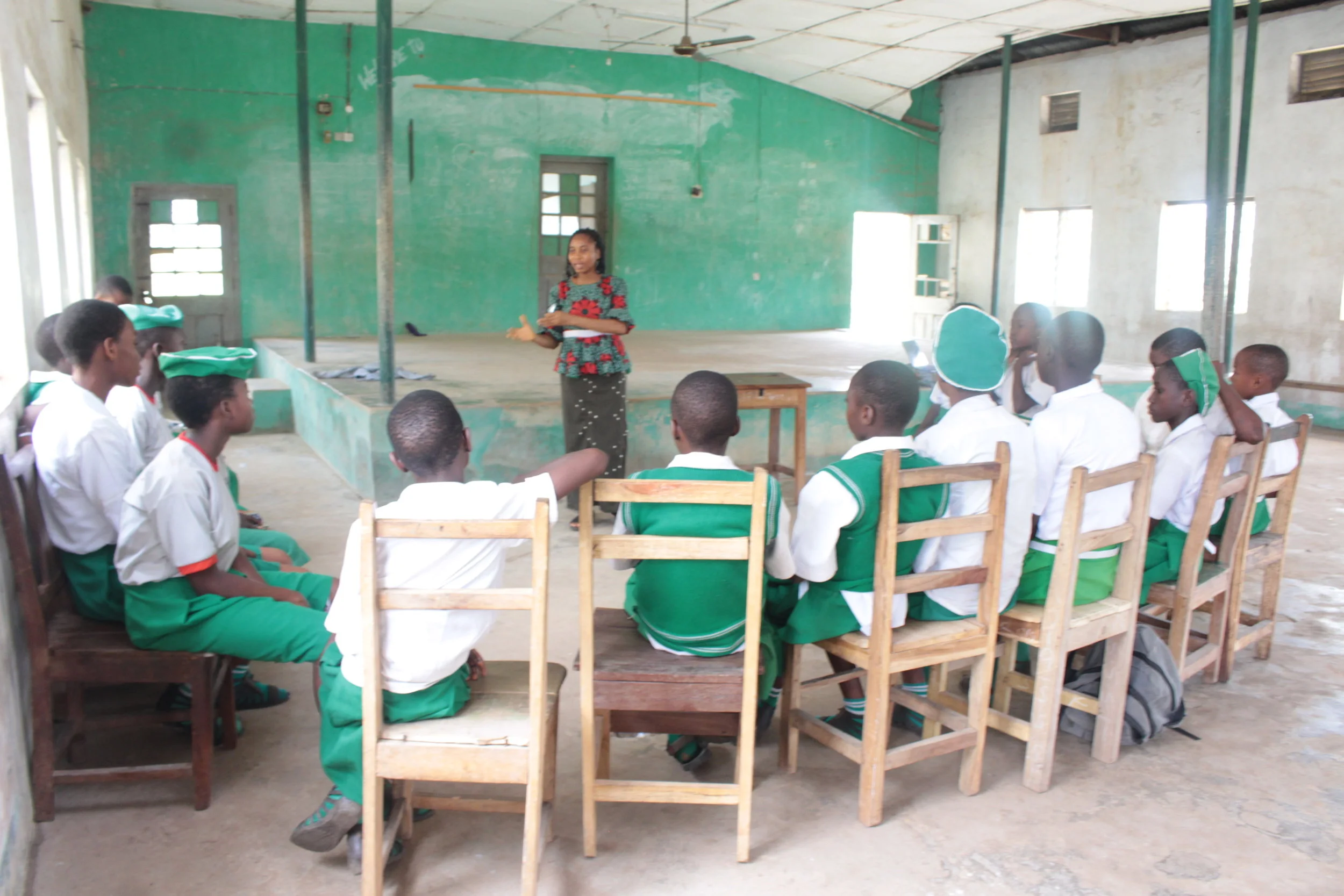
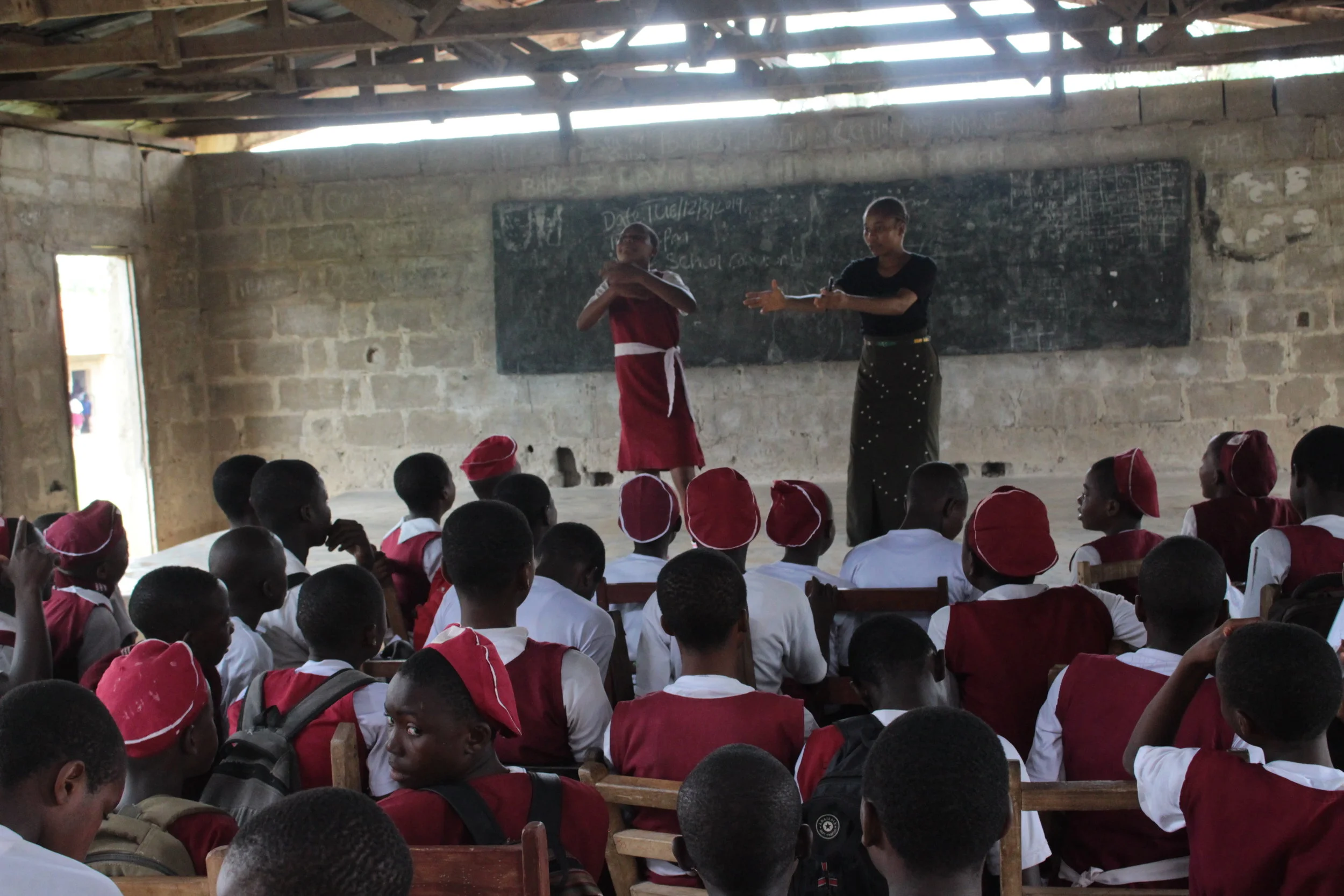
The program commenced by a few minutes to 10 in the morning, with a welcoming speech by one of the Green officials, Seun Owoka. All the five schools represented were all identified and introduced; she also gave a brief outline of the day’s program. After that, the kids were enlightened on air pollution, which was the major theme of the program. They watched four different videos to help widen their knowledge. It was an interactive session between the Green Kids and the staff advisers from various school.

Another interactive aspect of the program was when the kids were asked the question, “If you become the President of your country, what will you do”?

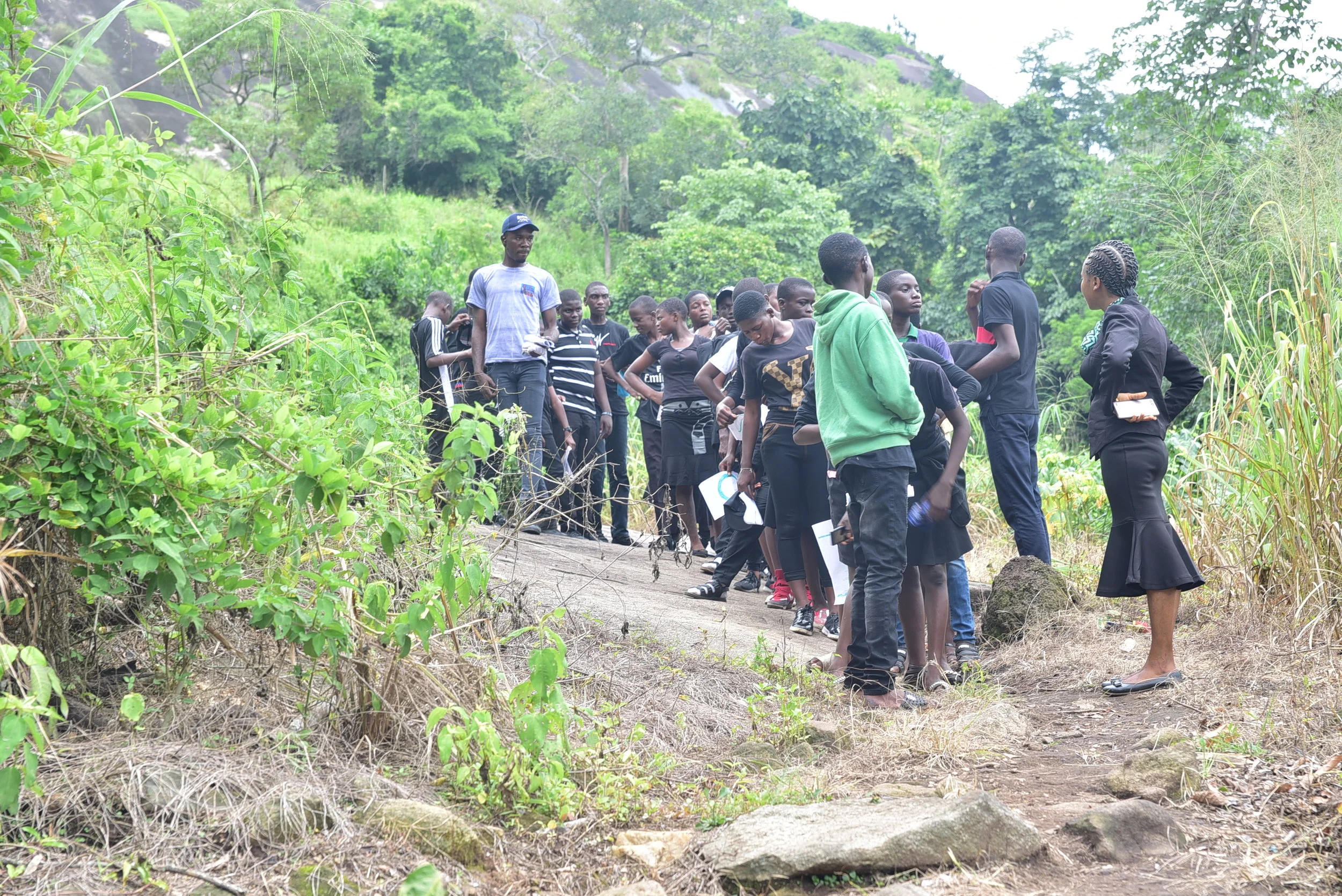
Many of the kids said they would enforce policies that will help to protect the environment and ensure people abide by them. The Green cheer was not left out of the program because of its great importance, which brings life and vitality to the kids. After this, the kids were all set to launch out for the practical aspect of the day’s work, which was the visitation to the Green Mountain.

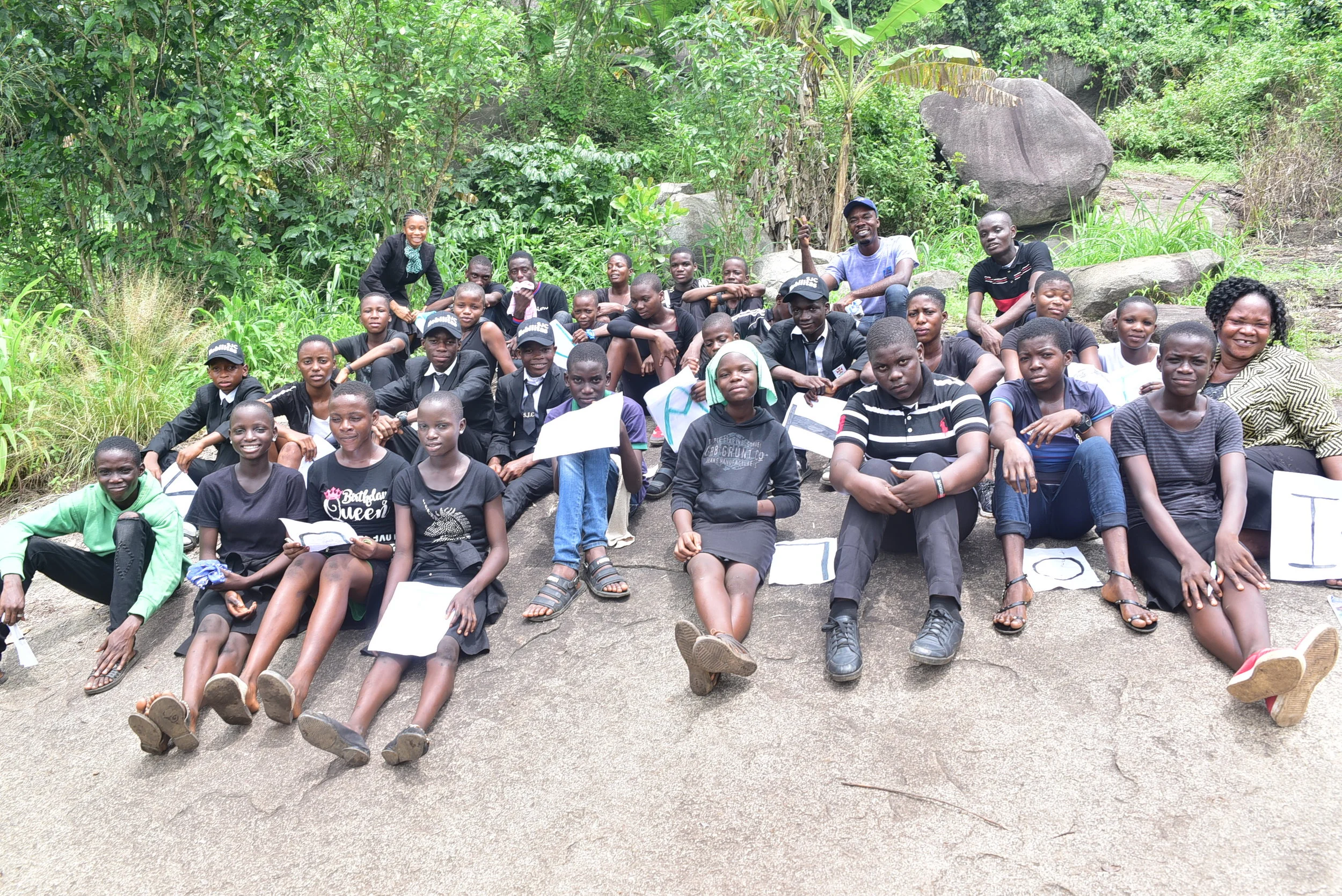
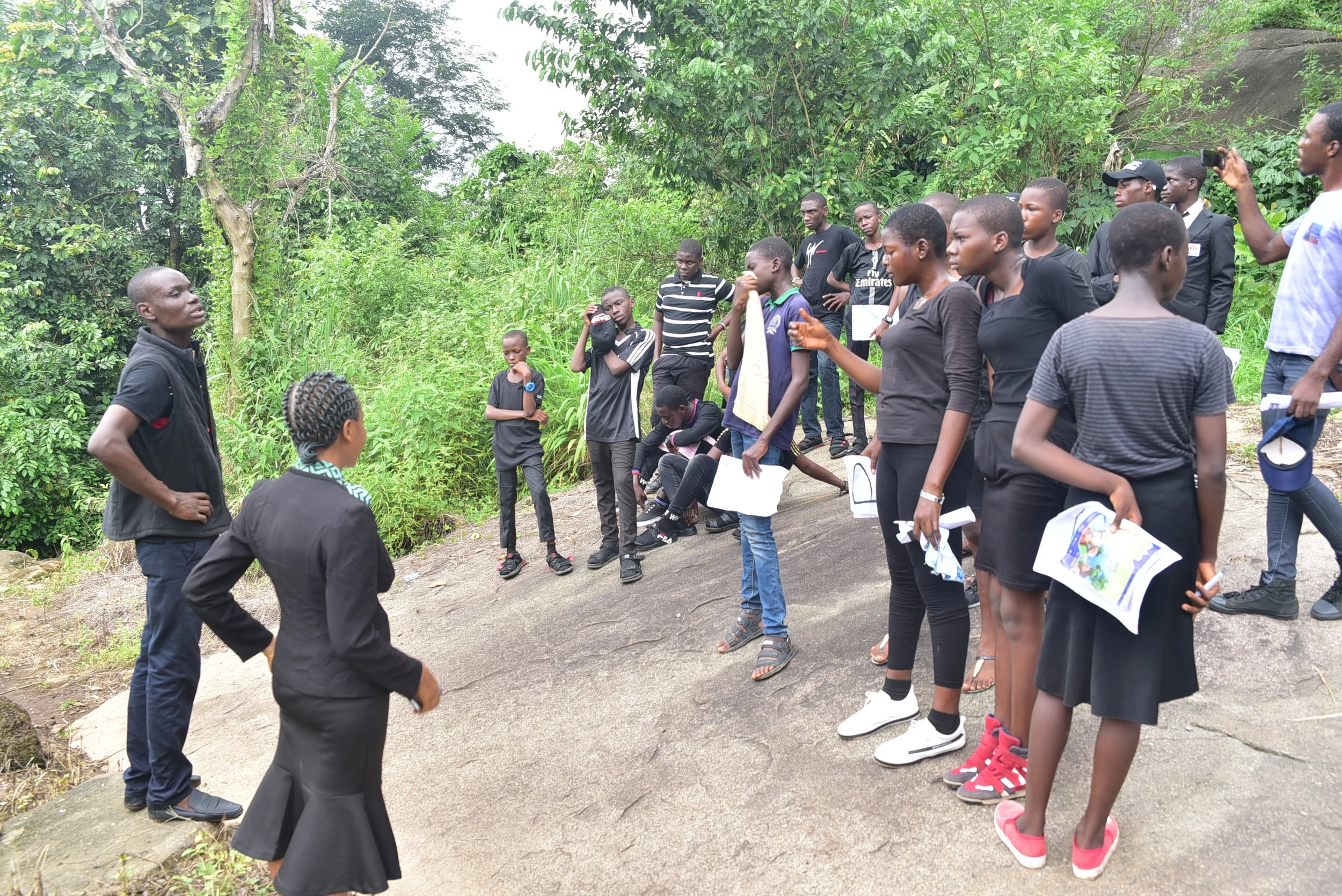
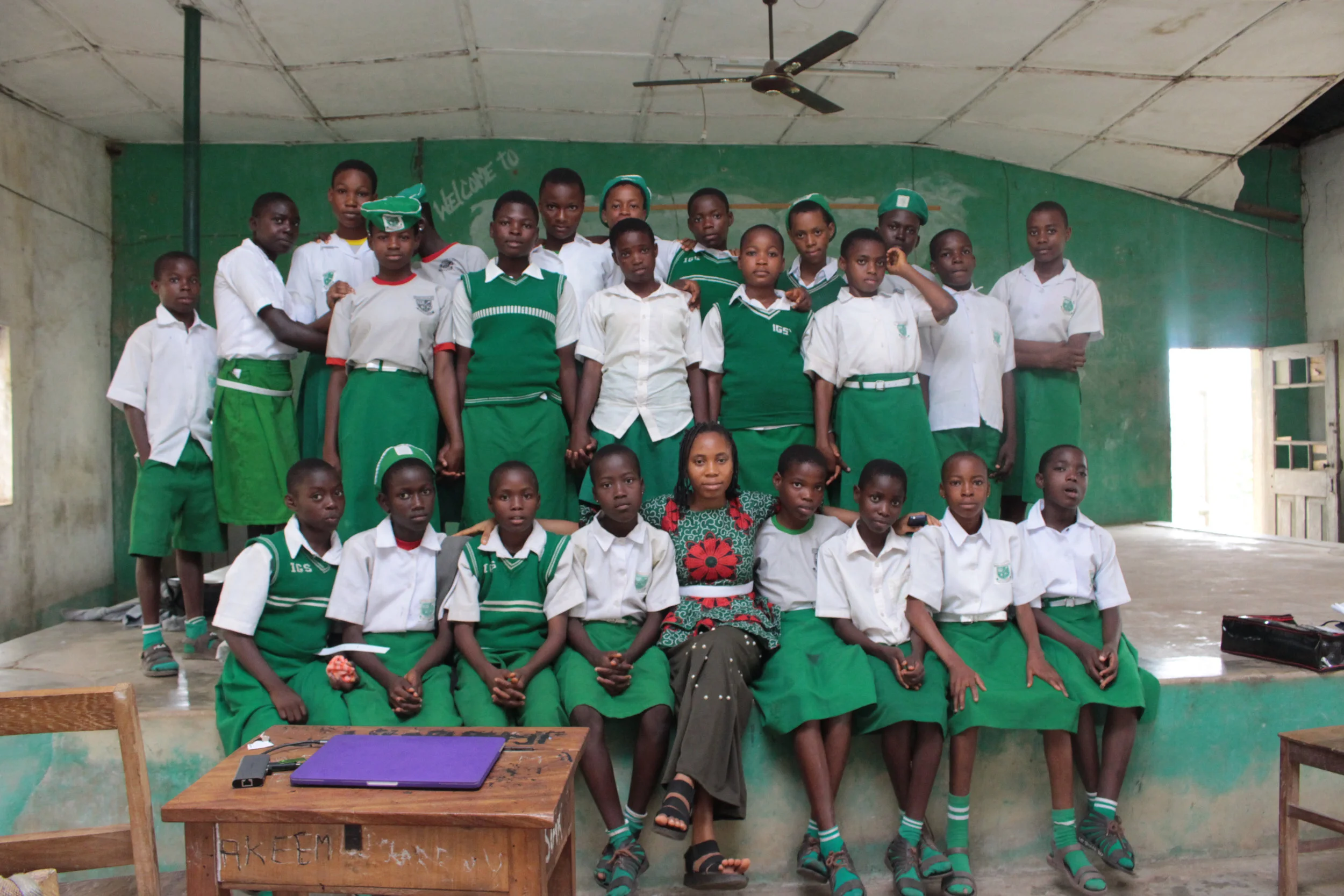
When the kids got there, they were all excited, and observation that the air was fresh, which was quite different from where they came from. They also realized the importance of trees and rocks in our environment, and the need to stop air pollution in the environment. A group photograph was taken with the kids and the staff advisers.

The kids returned to the institute, refreshed and entertained. After which the program was brought to a close by reciting the Green pledge which was led by Joshua, the Commissioner for Health of La Salle College Ondo.

Electric buses put Chile on the path to a healthier tomorrow

Chile owns the biggest fleet of electric buses in Latin America and the Caribbean today. The 200 e-buses hit the road earlier this year in the capital city, Santiago, as part of a plan to cut emissions and reduce air pollution. By 2040, Chile aims to convert its public transport system to an all-electric fleet.

“To decisively confront climate change, electromobility is critical. We are taking a leap towards a cleaner, more efficient and sustainable transport system,” says Carolina Schmidt, Minister of Environment of Chile and President of the UN Climate Change Conference COP25.

In December, the country will host the COP25 and lead one of the most challenging negotiations of our times: to try to get more ambitious commitments to reduce emissions from countries around the world, to keep global warming under the 1.5°C threshold.

Sustainable transport is critical for climate action, but also key to protect citizens’ health. Each electric bus can avoid up to 60 tonnes of carbon emissions every year.

In Chile, air pollution causes at least 4,000 premature deaths every year, while 10 million Chileans are exposed daily to levels of fine particulate matter above the World Health Organization standards, according to official figures.

A 2017 study by UN Environment estimates that the transition towards an all-electric taxi and bus fleet in Santiago would avoid 1,379 premature deaths by 2030.

At a country level, tackling air pollution would bring annual health benefits amounting to US$8 billion dollars, according to the Ministry of Environment of Chile.

Public electric mobility is booming in other parts of Latin America too. Guayaquil, Ecuador’s most populated city, launched in March 2019 a fleet of 20 electric buses that will transport 10,500 users every day. In Colombia, the city of Cali will complete a 125-unit fleet this year, while Medellin already bought 64 e-buses.

Chile owns the biggest fleet of electric buses in Latin America and the Caribbean today. The 200 e-buses hit the road earlier this year in the capital city, Santiago, as…
— Eletric buses put Chile on the path to a healthier tomorrow

Turning air pollution into art

Artists are known to take inspiration from the world around them. So it’s no surprise that some have begun shining light on one of the most pressing environmental issues of our time—air pollution.

According to the World Health Organization, every year around 7 million premature deaths are caused by air pollution, with 9 out of 10 people breathing toxic air. Air pollution is also known to contribute to climate change and so efforts to tackle it can also help address the climate crisis.

The time to act is now, and artists, like so many others are looking at ways to raise awareness about air pollution, find solutions to reduce it and even use it as a resource.

Pollution Pods

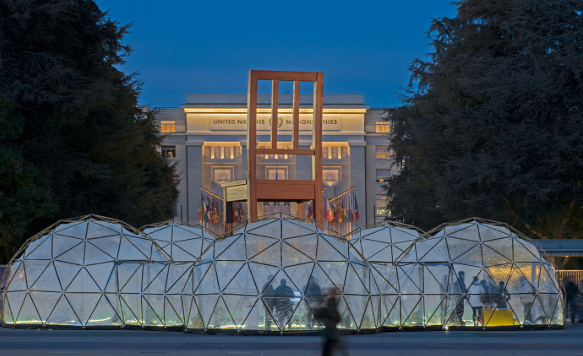
Michael Pinsky got inspired by the differences between the various types of air pollution, when he set out to make Pollution Pods. The project consists of five domes, each imitating air in five different areas of the world: Northern Norway, London, New Delhi, Beijing and São Paulo. As you move through the domes you experience varied levels and sources of air pollution.

“I wanted to have very different sensations from one dome to another,” Pinsky told UN Environment. “It's not just a question of how strong the pollution is but that they have very different characteristics as well.”

For London, Pinsky recreates the smell of diesel. For Beijing, he mixes the smells of industrial fumes, coal or wood-based heating, and transportation emissions. While New Delhi whiffs of burnt plastic and grass, as citizens still burn a lot of their rubbish.

Luckily, the pollution is only in smell and visibility, without the actual harmful gases. But Pinsky says the experience still isn’t very pleasant. That’s the whole point: air pollution isn’t pleasant.

Pinsky hopes Pollution Pods will lead to a more “radical approach” when dealing with air pollution, particularly with transportation. “It's not so easy to apply the same advocacy or philosophy towards different cities in the world,” he said. “But in some cases, you could turn the problem around in two years with the right policies.”

Turning air pollution into art

Turning air pollution into art

Artists are known to take inspiration from the world around them. So it’s no surprise that some have begun shining light on one of the most pressing environmental issues…
— world environment day 2019

Rotary International backs World Environment Day

Rotary International, with 1.2 million members worldwide as well as 500,000 young Rotaract members, has produced a handbook to inspire Rotarians to engage their communities for World Environment Day.

The handbook includes a selection of 11 green themes for activities that Rotary clubs can do for World Environment Day on 5 June and commitments they can make in the future. These include adopting a river, organising a clean-up, planting trees and measuring local air quality.

All six of the Rotary’s six corporate priority areas directly relate to the environment: promoting peace, fighting disease, providing clean water and sanitation, saving mothers and children, supporting education and growing local economies.

“A vital component to humanity’s well-being, we increasingly need to recognize the environment’s elemental role in creating truly sustainable and lasting change,” said Barry Rassin, President of Rotary International, 2018-2019 and Mark Maloney, President of Rotary International, 2019-2020. “The opportunity to collaborate with UN Environment — the United Nations agency that serves as the global authority on the environment — is well-timed for those who want to make a difference at the local level. Our collective efforts will result in greater global impact.”

Daniel Cooney, UN Environment’s Communication Deputy Director, welcomed Rotary putting its support behind World Environment Day.

“At a time when the environment is under threat, we need to unite people to take decisive and collective action to sustain our future,” he said. “The work of organizations like Rotary International can make a powerful contribution to our efforts to protect people and planet.”

World Environment Day is the United Nations day for encouraging worldwide awareness and action to protect our environment. It is the "people's day" for doing something to take care of the Earth. This year’s theme is on air pollution, a call to action to combat one of the greatest environmental challenges of our time, chosen by this year’s host, China.

“At a time when the environment is under threat, we need to unite people to take decisive and collective action to sustain our future,” he said. “The work of organizations like Rotary International can make a powerful contribution to our efforts to protect people and planet.”

World Environment Day is the United Nations day for encouraging worldwide awareness and action to protect our environment. It is the "people's day" for doing something to take care of the Earth. This year’s theme is on air pollution, a call to action to combat one of the greatest environmental challenges of our time, chosen by this year’s host, China.

Rotary International, with 1.2 million members worldwide as well as 500,000 young Rotaract members, has produced a handbook to inspire Rotarians to engage their communities for World Environment Day.

The handbook includes a selection of 11 green themes for activities that Rotary clubs can do for World Environment Day on 5 June and commitments they can make in the future. These include adopting a river, organising a clean-up, planting trees and measuring local air quality.

All six of the Rotary’s six corporate priority areas directly relate to the environment: promoting peace, fighting disease, providing clean water and sanitation, saving mothers and children, supporting education and growing local economies.

“A vital component to humanity’s well-being, we increasingly need to recognize the environment’s elemental role in creating truly sustainable and lasting change,” said Barry Rassin, President of Rotary International, 2018-2019 and Mark Maloney, President of Rotary International, 2019-2020. “The opportunity to collaborate with UN Environment — the United Nations agency that serves as the global authority on the environment — is well-timed for those who want to make a difference at the local level. Our collective efforts will result in greater global impact.”

Daniel Cooney, UN Environment’s Communication Deputy Director, welcomed Rotary putting its support behind World Environment Day.

“At a time when the environment is under threat, we need to unite people to take decisive and collective action to sustain our future,” he said. “The work of organizations like Rotary International can make a powerful contribution to our efforts to protect people and planet.”

World Environment Day is the United Nations day for encouraging worldwide awareness and action to protect our environment. It is the "people's day" for doing something to take care of the Earth. This year’s theme is on air pollution, a call to action to combat one of the greatest environmental challenges of our time, chosen by this year’s host, China.

Rotary International backs World Environment Day

Rotary International backs World Environment Day

World Environment Day Mask Challenge

Nine out of ten people breathe polluted air. From 24 May, through to #WorldEnvironmentDay on June 5, we are calling on everyone to join the Mask Challenge. Face masks are a great symbol to show leaders we want to breathe clean air. Alongside celebrities, influencers and creators, the World Environment Day campaign invites everyone to:

Decide what action you are going to take to #BeatAirPollution

Here are some examples:

  • Use public transport or car sharing, cycle or walk

  • Switch to a hybrid or electric vehicle and request electric taxis

  • Turn off the car engine when stationary

  • Reduce your consumption of meat and dairy to help cut methane emissions

  • Compost organic food items and recycle non-organic trash

  • Switch to high-efficiency home heating systems and equipment

  • Save energy: turn off lights and electronics when not in use 

  • Choose non-toxic paints and furnishings
     

  1. Make a pledge and challenge others to take action
    May 24th – June 4th

    • Take a photo or video of yourself wearing a mask to post on social media. Don't have a mask?

    • Get creative and make your own!

    • In your post share the action you’ll take to reduce air pollution

    • Tag 3 people/organizations/ companies to challenge them to do the same.

    • Use #WorldEnvironmentDay and #BeatAirPollution in your social media posts and don’t forget to tag @UNEnvironment.
       

  2. On World Environment Day, show how you have fulfilled your pledge!

  • Take another photo or video of yourself fulfilling your commitment and post it on social media.
  • Use #WorldEnvironmentDay and #BeatAirPollution in your social media posts and don’t forget to tag @UNEnvironment. 
Green_Institute-Insta_Bike_(Phase_2)_0.jpg

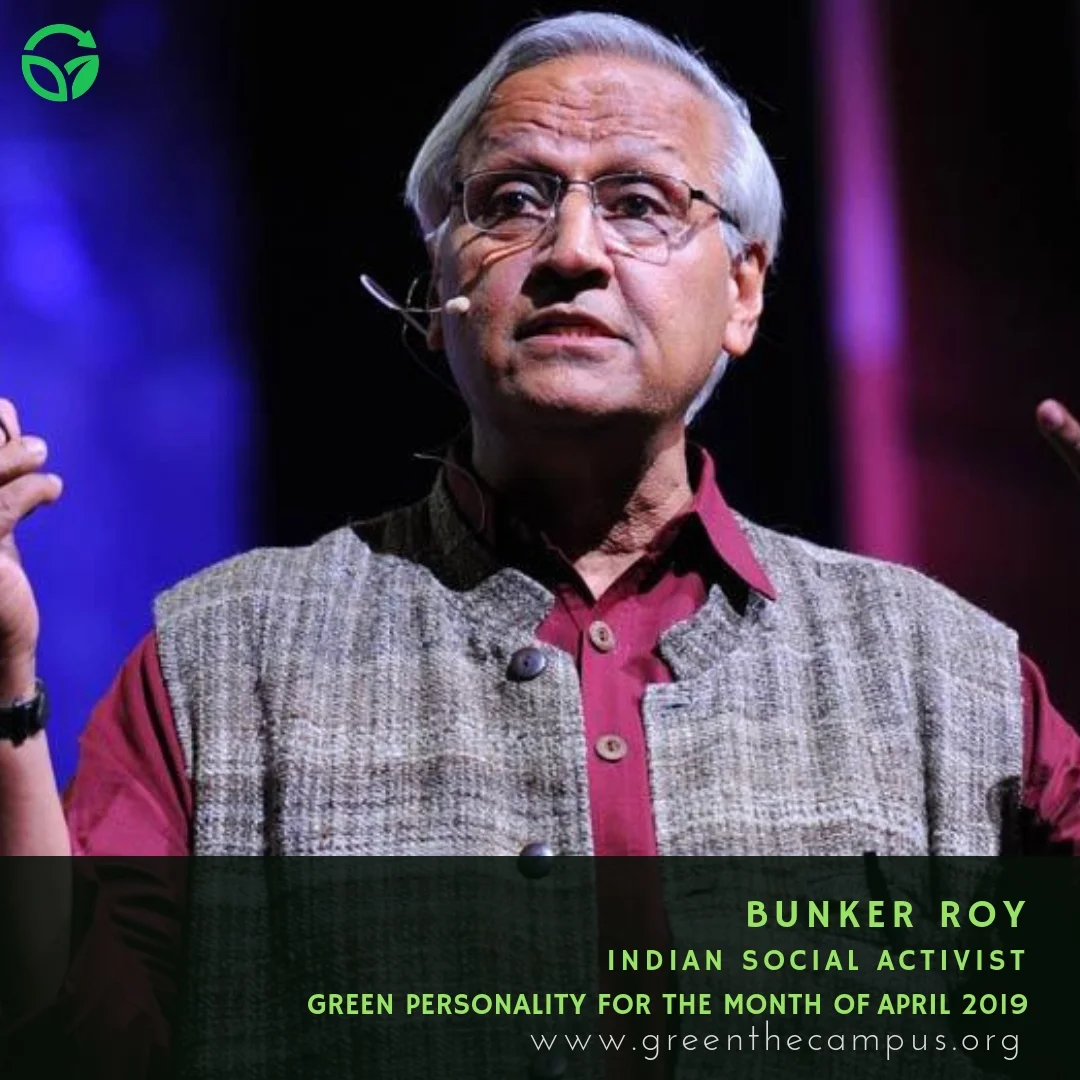
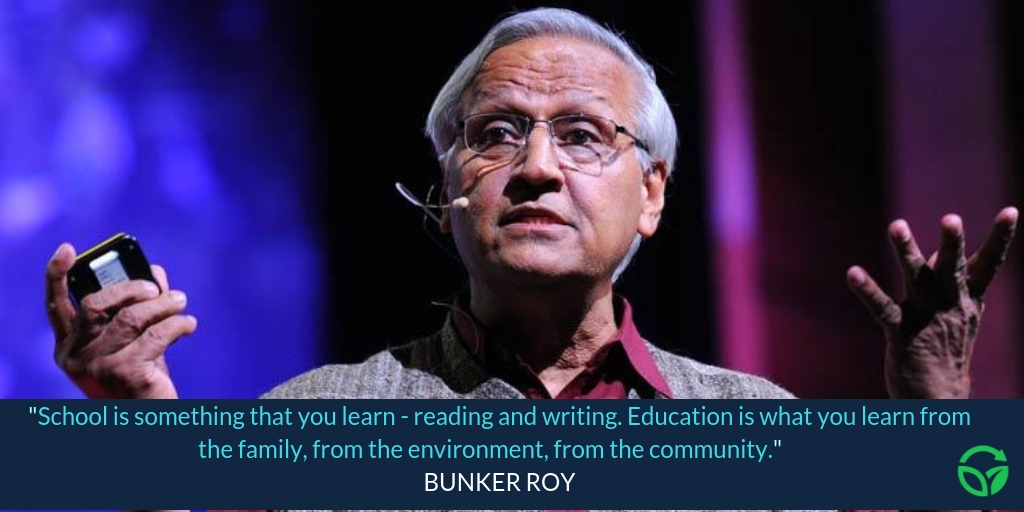
BUNKER ROY: Green Personality for April 2019

GREEN PERSONALITY (3).jpg

NAME: BUNKER ROY

DATE OF BIRTH: AUGUST 2, 1945

NATIONALITY: INDIAN

We have shown that solar-electrified villages can be technically and financially self-sufficient.
— Bunker Roy

EDUCATION

He attended The Doon School from 1956 to 1962, and St. Stephen's College, Delhi from 1962 to 1967. Roy was the National Runner-up in squash in 1964, and participated in three world squash championships representing India.

OCCUPATION/CAREER

Bunker is a founder of what is now called Barefoot College. After conducting a survey of water supplies in 100 drought prone areas, Roy established the Social Work and Research Center in 1972. Its mission soon changed from a focus on water and irrigation to empowerment and sustainability. The programs focused on siting water pumps near villages and training the local population to maintain them without dependence on outside mechanics, providing training as paramedics for local medical treatment, and on solar power to decrease dependence and time spent on kerosene lighting.

ADVOCACY/ACHIEVEMENTS

He was recognized in 2010 in Time for the programs of the college which have trained more than 3 million people in skills including solar engineers, teachers, midwives, weavers, architects and doctors. Roy was appointed by Rajiv Gandhi to the government's Planning Commission. He recommended that legislation be created that would apply a "code of conduct" for non-governmental organizations. He also proposed that a national council be created that would recommend "legitimate" organizations to the government and monitor their activities. Both of these recommendations were "fiercely" opposed as mechanisms that could be used to promote patronage of favored groups and quell organizations that were not supportive of a particular government or party.

In 1983, he was the plaintiff in Roy v State of Rajasthan in which the Supreme Court struck down an emergency policy which had allowed women famine relief workers to be paid less than male workers.

Roy has spoken at the TED conference;in which he talks about how the Barefoot College "helps rural communities becomes self-sufficient."

Bunker Roy.jpg

RESOURCES

LEONARDO DICAPRIO: Green Personality for March 2019

GREEN PERSONALITY (6).jpg

NAME: LEONARDO WILHELM DICAPRIO

DATE OF BIRTH: NOVEMBER 11, 1974

NATIONALITY: AMERICAN

Raising awareness on the most pressing environmental issues of our time is more important than ever.
— Leornardo Dicaprio

EDUCATION

DiCaprio attended Seeds Elementary School (now UCLA Lab School) and John Marshall High School a few blocks away, after attending the Los Angeles Center for Enriched Studies for four years. He dropped out of high school following his third year, eventually earning his general equivalency diploma (GED). DiCaprio spent part of his childhood in Germany with his maternal grandparents, Wilhelm and Helene. He is conversant in German and Italian.

OCCUPATION/CAREER

In 1979, DiCaprio was removed, at the age of five, from the set of the children's television series Romper Room for being disruptive. He began his career by appearing in several commercials and educational films, following his older stepbrother Adam Farrar into television commercials, and landing an ad at age 14 for Matchbox cars by Mattel, which he considered his first role. Throughout his teens he was seen in commercials for Kraft Foods, Bubble Yum, Apple Jacks, and many more. In 1989, he played the role of Glen in two episodes of the television show The New Lassie.

In 1990, he started acting regularly on television. This started with a role in the pilot of The Outsiders, and one episode of the soap opera Santa Barbara, playing the young Mason Capwell. That same year, DiCaprio got a break on television when he was cast in Parenthood. A series based on a successful comedy film by the same name. His works that year earned him two nominations at the Young Artist Award in Best Young Actor in a Daytime Series (Santa Barbara) and Best Young Actor Starring in a New Television Series (Parenthood). DiCaprio was also a celebrity contestant on the children's game show Fun House. One of the stunts he performed on the show was going fishing in a small pool of water by catching the fish only with his 

ADVOCACY/ACHIEVEMENTS

Following the success of Titanic in 1997 along with earlier films, 24-year-old DiCaprio established the Leonardo DiCaprio Foundation in 1998, a non-profit organization devoted to promoting environmental awareness.Although concerned with all areas of the environment, it focuses on global warming, preserving Earth's biodiversity and supporting renewable energy. It has worked on projects in over 40 countries and has produced two short web documentaries, Water Planet and Global Warning. The foundation has also funded debt-for-nature swaps. Because of his active involvement in those causes, he has received praise from environmental groups. Among the accolades received were the Martin Litton Environment Award, in 2001, from Environment Now, and the Environmental Leadership Award in 2003 from Global Green USA. He has been an active supporter of numerous environmental organizations and has sat on the board of the World Wildlife Fund, Global Green USA, International Fund for Animal Welfare and the Natural Resources Defense Council.

DiCaprio is a vegetarian, rumored to even be vegan, and in 2014 he backed the documentary Cowspiracy about the impact of animal agriculture on the environment and the positions of several environmental organizations on the issue. By taking the role of executive producer, DiCaprio helped the documentary get released on Netflix. DiCaprio has owned environment-friendly electric-hybrid vehicles and his home is powered by solar panels, although his use of private jets and large yachts has attracted criticism due to their large carbon footprints.

_The problem is we don't know what the climate is doing. We thought we knew 20 years ago. That led to some alarmist books – mine included – because it looked clear-cut, but it hasn't happened._ (3).jpg

RESOURCES

WANGARI MAATHAI: Green Personality of January 2019

GREEN PERSONALITY (4).jpg

Name: Wangarĩ Muta Maathai 

Date of Birth: 1st April 1940

Nationality: kenyan

Until you dig a hole, you plant a tree, you water it and make it survive, you haven’t done a thing. You are just talking.
— Wangari Maathai

EDUCATION

At age eleven, Maathai moved to St. Cecilia's Intermediate Primary School, a boarding school at the Mathari Catholic Mission in Nyeri. Maathai studied at St. Cecilia's for four years. During this time, she became fluent in English and converted to Catholicism. She was involved with the Legion of Mary, whose members attempted "to serve God by serving fellow human beings. "Studying at St. Cecilia's, she was sheltered from the ongoing Mau Mau uprising, which forced her mother to move from their homestead to an emergency village in Ihithe. When she completed her studies there in 1956, she was rated first in her class, and was granted admission to the only Catholic high school for girls in Kenya, Loreto High School in Limuru. She was educated in the United States at Mount St. Scholastica (Benedictine College) and the University of Pittsburgh, as well as the University of Nairobi in Kenya.

OCCUPATION/CAREER

Maathai taught at Nairobi, becoming a senior lecturer in anatomy in 1975, chair of the Department of Veterinary Anatomy in 1976 and associate professor in 1977. She was the first woman in Nairobi appointed to any of these positions.

She was a member of the Nairobi branch of the Kenya Red Cross Society, becoming its director in 1973. She was a member of the Kenya Association of University Women. Following the establishment of the Environment Liaison Centre in 1974, Maathai was asked to be a member of the local board, eventually becoming board chair. The Environment Liaison Centre worked to promote the participation of non-governmental organizations in the work of the United Nations Environment Programme (UNEP), whose headquarters was established in Nairobi following the United Nations Conference on the Human Environment held in Stockholm in 1972. Maathai also joined the National Council of Women of Kenya (NCWK). Through her work at these various volunteer associations, it became evident to Maathai that the root of most of Kenya's problems was environmental degradation

ADVOCACY/ACHIEVEMENTS

Wangari Maathai is internationally admired for her persistence in the areas of environmental conservation, human rights, and democracy. She has taken the opportunity to address the United Nations on several occasions and has spoken at special sessions of the General Assembly on behalf of women. Maathai has been given numerous awards because of her philanthropic work with the Green Belt Movement and other organizations. The most notable award given to Wangari Maathai was the Nobel Peace Prize in 2004.

In December 2002, Professor Maathai received another honor when she was elected to the Kenyan Parliament with 98% of the vote. After winning the election she was appointed, by President Mwai Kibaki, as Assistant Minister for Environment, Natural Resources and Wildlife in Kenya’s ninth parliament.

Wangarĩ Maathai was awarded the 2004 Nobel Peace Prize for her "contribution to sustainable development, democracy and peace". She had received a call from Ole Danbolt Mjos, chair of the Norwegian Nobel Committee, on 8 October informing her of the news. She became the first African woman, and the first environmentalist, to win the prize.

_The problem is we don't know what the climate is doing. We thought we knew 20 years ago. That led to some alarmist books – mine included – because it looked clear-cut, but it hasn't happened._ (1).jpg

PUBLICATIONS