Scores die in flash floods in Indonesia and Timor-Leste

Agence France-Presse

Death toll expected to rise further after torrential rain swept the Indonesian archipelago and neighbouring Timor-Leste

More than 70 people have died after flash floods and landslides swept through eastern Indonesia and neighbouring Timor-Leste on Sunday, authorities said, with warnings the toll could rise further.
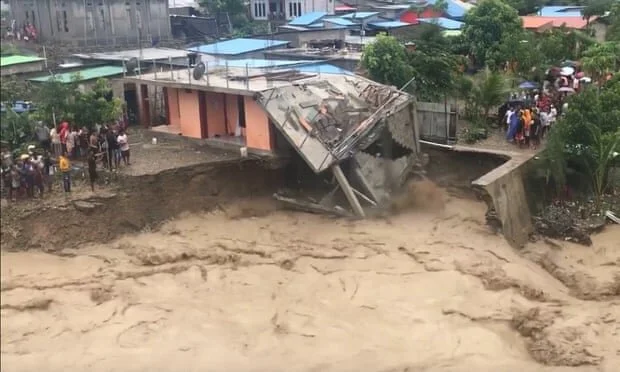
A house collapses after its foundations were washed away as the Comoro river floods in Dili, Timor-Leste. Photograph: Janito DF Afonso/Reuters

A house collapses after its foundations were washed away as the Comoro river floods in Dili, Timor-Leste. Photograph: Janito DF Afonso/Reuters

Torrential rain wreaked havoc and destruction on islands stretching from Flores Island in Indonesia to Timor-Leste, a small nation east of the Indonesian archipelago.

The deluge and subsequent landslides caused dams to overflow, submerging thousands of houses and leaving rescue workers struggling to reach survivors trapped in the aftermath.

“There are 55 dead, but this number is very dynamic and will definitely change, while some 42 people are still missing,” Raditya Djati from the Indonesia disaster management agency spokesman told MetroTV.

Mud inundated homes, bridges and roads in the East Flores municipality, where rescuers struggled to reach a remote and badly hit area because of rains and strong waves.

In Timor-Leste, 11 were killed by floods in the capital Dili, authorities said. “We are still searching for the areas impacted by the natural disasters,” Joaquim José Gusmão dos Reis Martins, Timor-Leste’s secretary of state for civil protection, said.

The death toll and the number of injured victims could still rise, authorities warned.

East Flores deputy regent Agustinus Payong Boli estimated there were 60 casualties in his municipality.

“The majority of them, 55, are in Lemanele village. Many people died here because the village was hit by both landslides and flash floods,” he told Agence France-Presse, providing numbers not yet confirmed by national authorities.

Images from Lemanele showed engulfed houses, debris covering entire roads, fallen trees and damaged power lines.

In Lembata, an island halfway between Flores and Timor, parts of affected villages were displaced down a mountain slope and near the coastline, according to an AFP journalist on the scene. Local officials deployed heavy equipment to reopen roads that had been cut off.

Injured victims have been evacuated to neighbouring villages that were unaffected by the flash floods. Images from Lembata showed people wading barefoot through mud, evacuating victims from collapsed houses on makeshift stretchers .

Separately on Sunday, two people were killed in major floods in Bima city in the neighbouring province of West Nusa Tenggara, according to the disaster agency.

Dams in four sub-districts also overflowed, submerging nearly 10,000 houses in Bima following a nine-hour downpour, said Jati.

Fatal landslides and flash floods are common across the Indonesian archipelago during the rainy season. January saw flash floods hit the Indonesian town of Sumedang in West Java, killing 40 people.
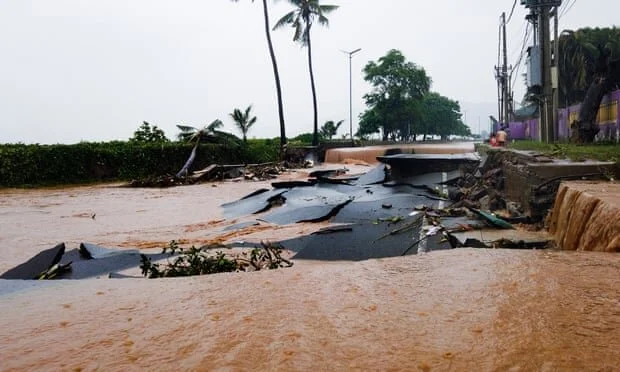
The floodwaters destroyed roads in Dili, Timor-Leste. Photograph: Antonio Sampaio/EPA

The floodwaters destroyed roads in Dili, Timor-Leste. Photograph: Antonio Sampaio/EPA

In September last year, at least 11 people were killed in landslides on Borneo.

The country’s disaster agency has estimated that 125 million Indonesians – nearly half of the country’s population – live in areas at risk of landslides.

The disasters are often caused by deforestation, according to environmentalists.
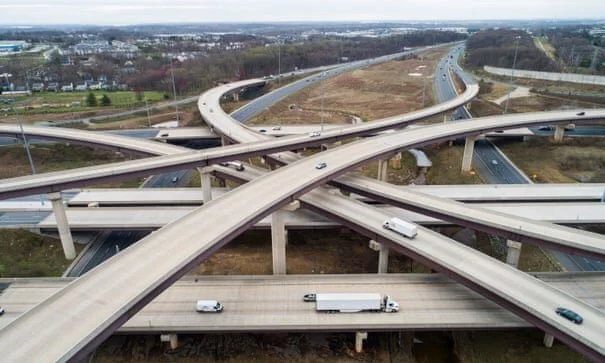
Biden’s $2tn infrastructure plan aims to ‘finally address climate crisis as a nation'


Oliver Milman

President says new plan will allow ‘transformational progress’ by bolstering investments in clean energy and electric vehicles

President Joe Biden is expected to release his $2tn infrastructure package on Wednesday. Photograph: Jim Lo Scalzo/EPA

President Joe Biden is expected to release his $2tn infrastructure package on Wednesday. Photograph: Jim Lo Scalzo/EPA

Joe Biden has said his new infrastructure plan will allow “transformational progress in our ability to tackle climate change” by bolstering investments in clean energy, electric vehicles and building homes resilient to threats posed by the climate crisis.

The $2tn plan will make “crumbling” American infrastructure more robust to extreme weather events, the US president said in a speech on Wednesday, while providing funds to “build a modern, resilient and fully clean grid”.

Biden said that tax incentives should allow “all Americans to afford clean electric vehicles” and workers will be able to “seize amazing opportunities in a clean energy future”.

Biden opened his White House term with a cavalcade of executive actions to begin the gargantuan task of shifting the US to net zero greenhouse gas emissions by 2050 and the new $2tn package, known as the American Jobs Plan, is the first indication of the scale of spending that will be required to reshape day-to-day life in order to avert disastrous climate change.

As well as huge investments in crumbling roads and bridges, the Biden plan takes aim at the emissions created by transport, currently the country’s largest source of planet-heating gases. There’s $80bn for Amtrak and freight rail, $85bn for public transit, $174bn to promote electric vehicles through various incentives, the electrification of school buses and 500,000 new plug-in recharging stations within the next decade. The federal government’s vehicle fleet will also be electrified.

Ports and airports will be upgraded, the plan states, while more than $200bn is proposed to build, modernize and fortify housing for low-income people affected by the storms, heatwaves and wildfires of growing intensity that are upending American lives and threatening billions, if not trillions, of dollars in ongoing damages. A further $100bn will be spent upgrading an electricity grid vulnerable to the sort of climate shocks that recently shook Texas, as well as aiding the transmission of a glut of new renewable energy. In all, 40% of this spending will be aimed at vulnerable communities of color.

The scale of the investment, even in the wake of the giant Covid relief bill, is striking. Biden made clear in his speech on Wednesday that this is the point when the US “finally address the climate crisis as a nation”, according to an administration official.

“There’s a lot to like in this plan, it’s excellent in almost every way,” said Julio Friedmann, who was a climate and energy adviser in Barack Obama’s administration and is now an energy researcher at Columbia University.

“This is a generational commitment and it can only be applauded. The $2tn is half the price tag of World War Two, it exceeds the scale of the New Deal, it’s wildly larger than the Marshall Plan – and appropriately so. This is the hardest thing we’ve ever done. People generally don’t understand how much construction and reduction is required.”

But even the administration’s allies concede further, longer-term spurs to remodel the economy and alter behavior will be required on top of this plan.

The package includes a major boost to clean energy research and development, as well as a proposal for a clean electricity standard – a mandate for utilities to phase out fossil fuels use across the grid to zero over the next 15 years that Friedmann said will be a “vital” element of eliminating planet-hearting emissions.

But these measures will, like the new spending, require congressional support that is far from guaranteed. Republicans have recoiled from Biden’s idea of raising corporate tax rates to help pay for the investments, with Mitch McConnell, the GOP’s Senate leader, calling the plan a “Trojan horse” for climate measures the party doesn’t support.

“In an ideal world this plan would be part of a set of policies to lower emissions but with American politics it’s not clear the rest of it will happen,” said David Popp, a climate policy expert at Syracuse University. “Infrastructure alone won’t get you to net zero emissions. The hope is that you build a green economy to the point where emissions reduction mandates become more doable.”

Progressives, meanwhile, have complained that Biden’s plan does not meet the scale of the climate crisis.

“Needs to be way bigger,” tweeted Alexandria Ocasio-Cortez, the Democratic representative from New York. Ocasio-Cortez and her allies back an alternative $10tn plan, called the Thrive Act, that proponents say would create 15m new jobs and cut emissions in half by the end of the decade. Rallies are set to be held across the US on Wednesday by climate activists who support this plan.

Communities of color, which often suffer the brunt of the climate crisis, helped elect Biden and “it’s time to make sure that our government delivers a real recovery that recognizes the harsh reality our communities continue to face on the ground,” according to Elizabeth Yeampierre, co-chair of the Climate Justice Alliance. “We’ve had enough excuses, enough delays.”

The Biden plan is a “big opening gambit, a big downpayment, but it’s not the totality required,” said Friedmann. “It focuses on what’s actionable quickly that yields big emissions abatement. I would like more too, but it’s easy to throw rocks from the outside. It’s a great start but, yes, we will ultimately need more. For the next 30 years, every week is infrastructure week.”

Climate change top challenge over the next decade, UNESCO global survey finds

UN NEWS

Emmanuel Rouy/Lycée Français d | Students of the primary section of the Lycée français de New York (French School) protest climate change in the city’s Upper East Side neighbourhood (file photo).

Emmanuel Rouy/Lycée Français d | Students of the primary section of the Lycée français de New York (French School) protest climate change in the city’s Upper East Side neighbourhood (file photo).

Climate change and loss of biodiversity is seen as the most pressing challenge over the decade, according to the World in 2030 Survey report published on Wednesday by the UN Educational, Scientific and Cultural Organization (UNESCO).

More than 15,000 people worldwide contributed to the survey, which was held online between May and September 2020, and made available in 25 languages.  

Respondents were mainly young people, with 57 per cent under age 35, and 35 per cent under 25. Results also were analyzed along regional, gender, age and other demographic lines. 

 “Greater efforts are needed to address people’s specific concerns, and multilateralism is the way to do this. Restoring confidence in multilateralism requires the implementation of concrete and impactful projects, and this is at the heart of our Organization's role”, said Audrey Azoulay, the UNESCO Director-General. 

The World in 2030 survey invited people from across the globe to share their specific worries about 11 challenges, and solutions for overcoming them.  

Education is the solution 

Most participants, or 67 per cent, selected climate change and loss of biodiversity as their top concern, mainly due to issues such as increasing natural disasters and extreme weather.   

Respondents felt investment in ‘green’ solutions, education on sustainability, promoting international cooperation and building trust in science, were the best ways to address the issue. 

Violence and conflict, discrimination and equality, and lack of food, water and housing were other big challenges, the survey revealed.   

Participants believed that overall, more education was the crucial solution to every single challenge.  They also felt that it was the area that most needed to be re-thought, in light of the COVID-19 pandemic, followed by the overall relationship between humankind and nature. 

‘Crisis of faith’ 

The survey further showed that while 95 per cent of respondents extoll the importance of global cooperation in overcoming common challenges, only one in four felt confident that the world would be able to address these issues. 

UNESCO said that “taken together, the results suggest not a lack of appreciation of the importance of multilateralism but rather a crisis of faith in its effectiveness.”

Uganda climate change: The people under threat from a melting glacier

Pablo Uchoa

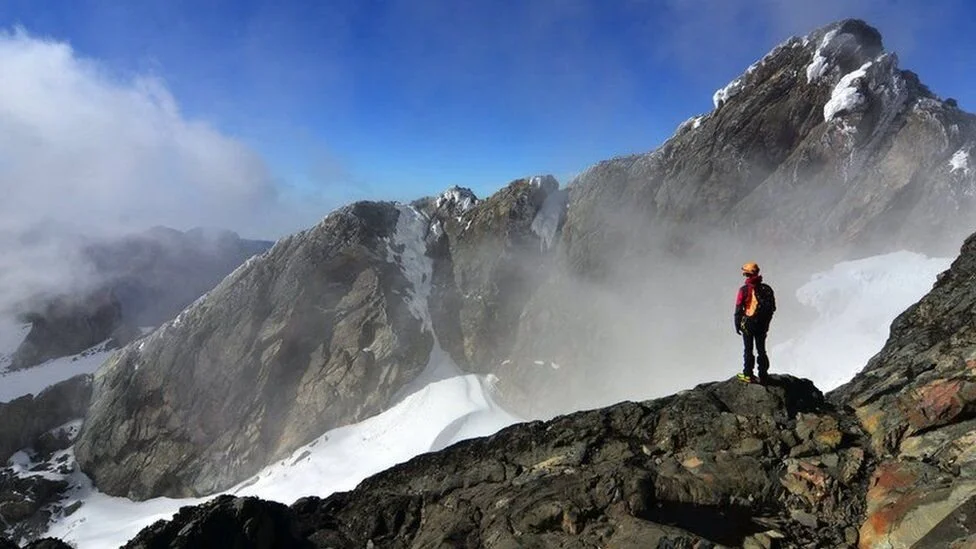
The ice and snow at the the top of the Rwenzori Mountains, seen here in 2016, are slowly melting I GETTY IMAGES

The ice and snow at the the top of the Rwenzori Mountains, seen here in 2016, are slowly melting I GETTY IMAGES

Ronah Masika remembers when she could still see the snowy caps of the Rwenzori mountains, a Unesco World Heritage site on the border between Uganda and the Democratic Republic of Congo.

The view was stunning every time she travelled from her home in Kasese town to the Ugandan capital, Kampala - and it was not even that long ago.

But now she cannot even catch a glimpse of the ice because the glacier is receding.

And it is not only the view that has changed.

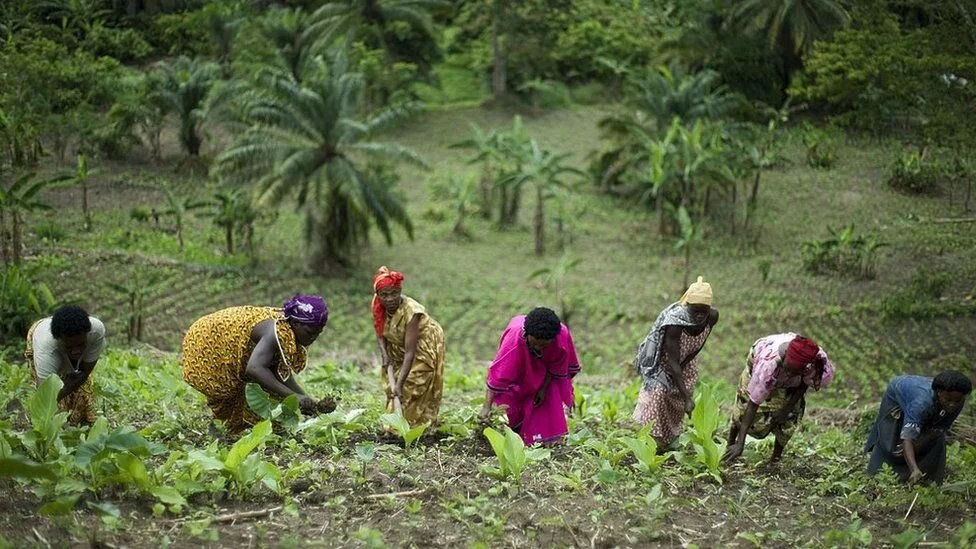
Communities living on the foothills of the Rwenzori Mountains are facing both floods and droughtI GETTY IMAGES

Communities living on the foothills of the Rwenzori Mountains are facing both floods and droughtI GETTY IMAGES

Ms Masika recalls her grandmother used to grow beans to feed her family, and they would last until a new crop was ready to be harvested.

"Now I and other people find it difficult to sustain ourselves with what we plant at home, because everything gets destroyed by floods or drought. It's either too much drought or too much rain.

"It's making me uncomfortable, thinking of how the next generation is going to survive this horrible situation," says Ms Masika, who now works on a project to mitigate the impact of the shifting environment.

Climate change is affecting the Rwenzori Mountains in different ways.

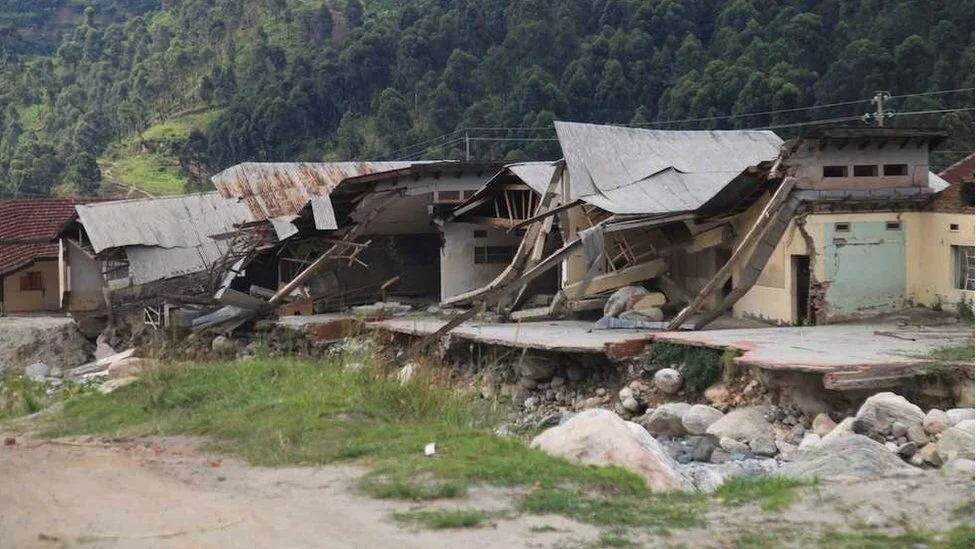
Violent floods in May 2020 destroyed about 25,000 houses I KISA KASIFA/ CCFU

Violent floods in May 2020 destroyed about 25,000 houses I KISA KASIFA/ CCFU

The most visible is the rapid loss of the ice field, which shrunk from 6.5 sq km in 1906 to less than one sq km in 2003, and could completely disappear before the end of this decade, research shows.

In 2012, forest fires reached altitudes above 4,000m, which would have been inconceivable in the past, devastating vegetation that controlled the flow of the rivers downstream.

Since then, the communities living at the foot of the Rwenzori have suffered some of the most destructive floods the area has ever seen, coupled with a pattern of less frequent but heavier rainfall.

In May last year, five local rivers burst their banks after heavy rains. The waters came down the mountain carrying large boulders, sweeping away houses and schools and razing the entire town of Kalembe to the ground.

Around 25,000 houses were destroyed and 173,000 people were affected.

While science may provide an explanation for these events, the local Bakonzo culture has another way of framing them - according to their beliefs, they happen because the gods are angry.

"The Bakonzo have a very strong attachment to the snow and the water," says Simon Musasizi, a programme manager at the Cross-Cultural Foundation of Uganda (CCFU).

"They believe that their god, Kithasamba, lives in the snow, and that the snow is actually the frozen sperm of their god."

The name Rwenzori comes from rwe nzururu, which means "place of snow" in the Bakonzo language. There are 30 gods associated with different natural resources living on the mountain, according to Bakonzo cosmology.

But deforestation and rapid population growth around the sacred mountain, as well as the melting glacier, are changing things.

During last year's floods, the water submerged hot springs and washed away the vegetation around a waterfall that was used as a place for rituals. Since then, spiritual leaders have been unable to perform those ceremonies.

Other spiritual sites are getting eroded or filled up with silt and the destruction of the vegetation has weakened the banks in many areas.

All this is threatening centuries-old rituals.

"Most likely, many of these customs will gradually became rare or they won't happen any more, because everything is shifting," Mr Musasizi says.

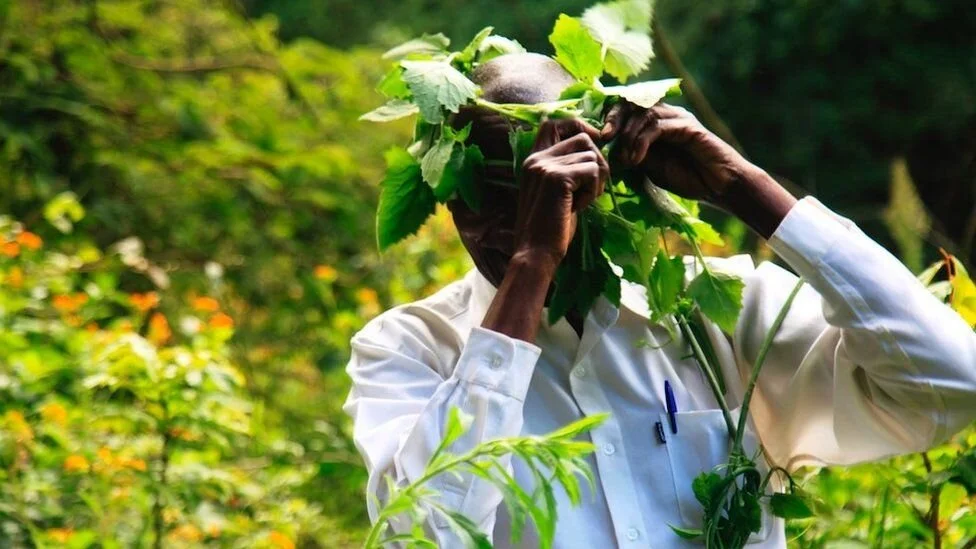
The Bakonzo's knowledge of their environment has helped devise some policies to help combat climate change I KISA KASIFA/CCFU

The Bakonzo's knowledge of their environment has helped devise some policies to help combat climate change I KISA KASIFA/CCFU

The Bakonzo community is made up of around one million people living on both sides of the border between Uganda and DR Congo, and their heritage could be lost as a result of climate change.

"The consequences of climate change are particularly acute at the tropics," says Richard Taylor, a geographer at University College London, who has led research on the Rwenzori Mountains.

"One or two degrees of warming at the Equator has a much bigger impact on climate and water budgets than one or two degrees of warming in London, Paris or New York."

The intensification of weather patterns observed in the mountains is happening throughout the tropics.

Prof Taylor, who co-led expeditions from 2003 to 2007 to measure the changes in the Rwenzori glaciers, says the loss of ice fields in the tropics is a tell-tale signal of global warming.

Restoring and protecting areas affected by climate change is key to preserving cultural heritage too.

As part of a project to do this, Mr Musasizi says there is an agreement with the community about which trees are going to be planted to best reinforce the riverbanks, including bamboos and native trees.

Ms Masika, whose job it is to liaise with the local people, says the community already had answers for some of the problems.

"For example, they know what type of vegetation should be planted at what level on the mountain. They know which ones are strong enough to be planted along the river to stop the floods.

"They know they are supposed to plant along the riverbank because it is food to the water god. And when the water god is fine, he doesn't cause floods.

"Climate change is understood in the culture, and they have some suggestions that can help us mitigate this situation."

The lessons are being shared with other institutions working to protect cultural heritage from climate change, mainly in East and North Africa and the Middle East.

Finding solutions that highlight the close link between the Bakonzo culture and the natural environment has been a surprise for Ms Masika, who grew up in a Christian household where little was said about it.

Now one of her favourite spots is the Embugha or Rwagimba hot springs, that the Bakonzo believe have physical and spiritual healing powers, particularly for skin diseases.

"When we started this project, my skin was itching all over. But every time I visited the springs, I made sure I bathed in the water," she said.

"It's so hot when you sit there, you feel like you're burning. Then you go to the river, which is just next to the hot pool, and the water is so cold you feel like you're freezing.

"By the time you leave, your body is feeling light, and since then I no longer feel itchy."

Covid: new vaccines needed globally within a year, say scientists

Natalie Grover

Survey of experts in relevant fields concludes that new variants could arise in countries with low vaccine coverage

A man in the Uruguayan capital, Montevideo, gets a dose of the CoronaVac jab. Photograph: Pablo Porciuncula/AFP/Getty Images

A man in the Uruguayan capital, Montevideo, gets a dose of the CoronaVac jab. Photograph: Pablo Porciuncula/AFP/Getty Images

The planet could have a year or less before first-generation Covid-19 vaccines are ineffective and modified formulations are needed, according to a survey of epidemiologists, virologists and infectious disease specialists.
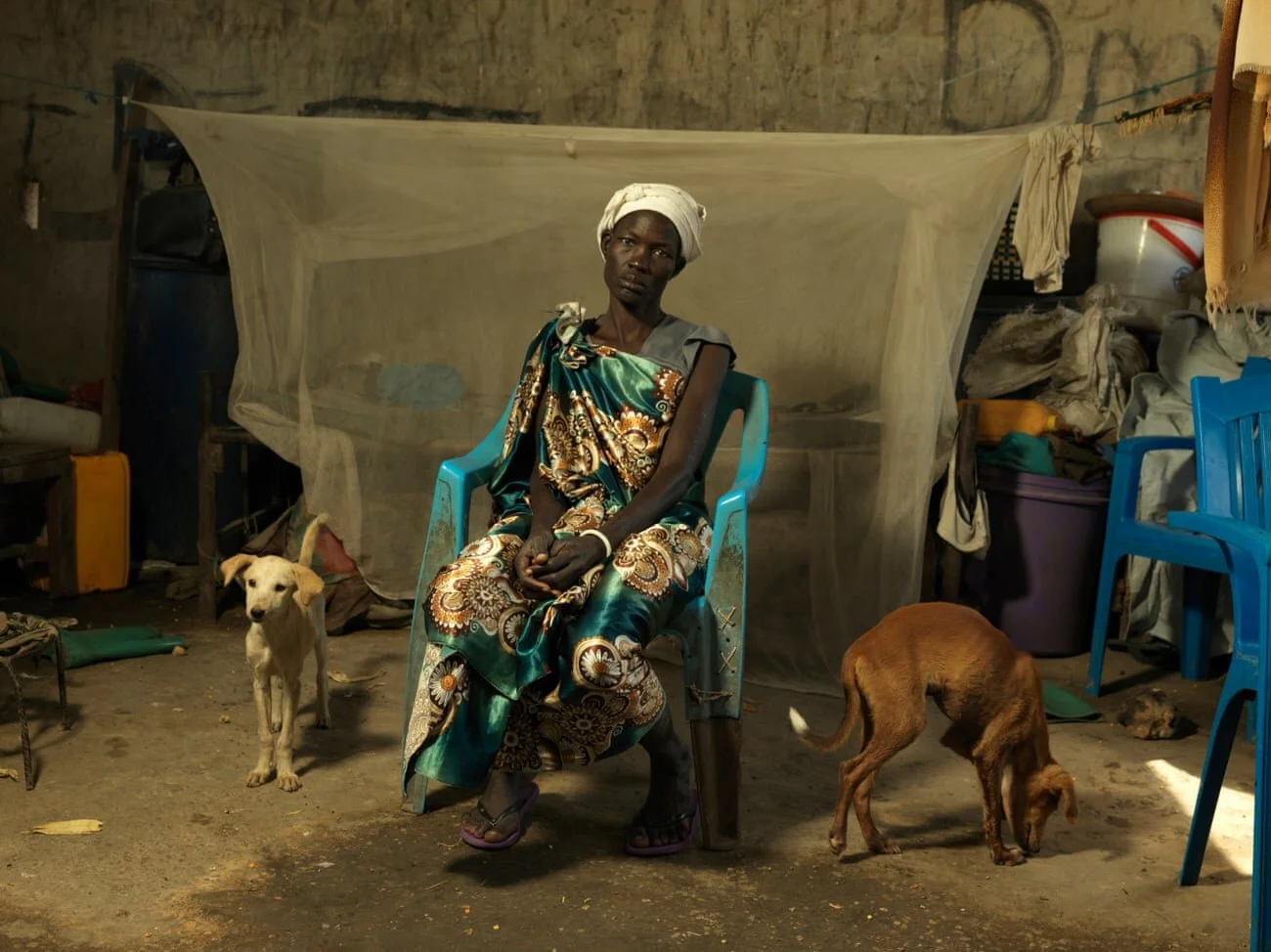
Scientists have long stressed that a global vaccination effort is needed to satisfactorily neutralise the threat of Covid-19. This is due to the threat of variations of the virus – some more transmissible, deadly and less susceptible to vaccines – that are emerging and percolating.

The grim forecast of a year or less comes from two-thirds of respondents, according to the People’s Vaccine Alliance, a coalition of organisations including Amnesty International, Oxfam, and UNAIDS, who carried out the survey of 77 scientists from 28 countries. Nearly one-third of the respondents indicated that the time-frame was likely nine months or less.

Persistent low vaccine coverage in many countries would make it more likely for vaccine-resistant mutations to appear, said 88% of the respondents, who work across illustrious institutions such as Johns Hopkins, Yale, Imperial College, London School of Hygiene & Tropical Medicine and the University of Edinburgh.

“New mutations arise every day. Sometimes they find a niche that makes them more fit than their predecessors. These lucky variants could transmit more efficiently and potentially evade immune responses to previous strains,” said Gregg Gonsalves, associate professor of epidemiology at Yale University, in a statement.

“Unless we vaccinate the world, we leave the playing field open to more and more mutations, which could churn out variants that could evade our current vaccines and require booster shots to deal with them.”

The current crop of vaccines that have received emergency authorisations in different parts of the world is a mix of old and fresh technologies.

Of particular interest is the mRNA approach, employed by the companies Pfizer/BioNTech and Moderna, which can be tweaked at speed (within weeks or months) to accommodate new variants – however, manufacturing hiccups are always a potential problem.

But crucially, they are unlikely within reach of poorer countries, given that this set of vaccines are far more expensive and have comparatively onerous temperature storage requirements.
Meanwhile, resource-rich countries like the UK and US have administered at least one vaccine dose to more than a quarter of their populations and have secured hundreds of millions of supplies. In contrast, nations such as South Africa and Thailand haven’t even managed to get shots in the arms of 1% of their populations. Some countries are yet to administer their first dose.
Covax – the global vaccine initiative coalition aimed at countering so-called vaccine nationalism – hopes to be able to supply at least 27% of the population of lower-income countries with vaccines in 2021.

“The urgency we see in rich nations to vaccinate their populations, aiming for all adults by the summer, is simply not reflected globally. Instead, we have Covax aiming for perhaps 27% by the end of the year if we possibly can manage it – that is simply not good enough,” said Max Lawson, head of inequality policy at Oxfam and the chair of the People’s Vaccine Alliance, which is calling Covid-19 vaccine developers to openly share their technology and intellectual property to boost production.

“Where is the ambitious global goal? A goal that the science tells us is needed?’ I think that’s the key point – we just don’t see the ambition that would go along with it, widespread recognition that limited vaccination is quite dangerous.”

'I'm scared': top US official shares sense of 'doom' as Covid cases rise

Joan E Greve & Richard Luscombe

Dr Rochelle Walensky, the CDC director, notes new US cases are now at about 70,000 a day

The US faces “impending doom” from a resurgent coronavirus pandemic, the head of the federal Centers for Disease Control and Prevention (CDC) warned on Monday.

“Right now I’m scared,” Rochelle Walensky said in an emotional and unscripted moment during a White House briefing.

“I’m speaking not necessarily as your CDC director, and not only as your CDC director, but as a wife, as a mother, as a daughter to ask you to just please hold on a while longer.”

Walensky aired her concerns the same day a new CDC study provided “strong evidence” that the two mRNA vaccines approved for use in the US, produced by Pfizer-BioNTech and Moderna, are highly effective in preventing infections in what the agency called “real-world conditions” among healthcare personnel, first-responders and essential workers.

“This study shows that our national vaccination efforts are working,” Walensky said. “These findings should offer hope to the millions of Americans receiving Covid-19 vaccines each day and to those who will have the opportunity to roll up their sleeves and get vaccinated in the weeks ahead.”

Later, Joe Biden announced that 90% of US adults would be eligible to be vaccinated by 19 April, with twice as many pharmacies authorized to administer shots.

In New York, Governor Andrew Cuomo announced that the state would begin vaccinating people aged 30 and older on Tuesday, and would make all adult residents eligible from 6 April.

Nonetheless, many experts fear a fourth wave of Covid-19 in the US as variants of the deadly virus continue to circulate in numerous states, many of which have almost fully reopened, and Americans prepare for the summer travel season.

And while Biden’s news offered some optimism, the president also warned the battle against Covid-19 was not over yet. “We still are in a war with this deadly virus, and we’re bolstering our defense, but this war is far from won.”

Despite more than 2.5m vaccinations being administered per day and a shrinking death toll, Walensky believes a fourth wave is imminent.

“I’m going to lose the script, and I’m going to reflect on the recurring feeling I have of impending doom,” she said. “We have so much to look forward to, so much promise and potential of where we are, and so much reason for hope. But right now I’m scared.”

Walensky’s concern appears to be backed up by statistics. The US recently passed 30m cases of Covid-19, according to Johns Hopkins University, and the seven-day average of hospital admissions has risen to 4,800, up 200.

The daily average of new cases has also risen, by 10% in a week, to about 70,000, far higher than the 40,000 to 50,000 daily cases of a few weeks ago.

According to Johns Hopkins, 549,364 Americans have died of coronavirus.

“We do not have the luxury of inaction,” Walensky said, pleading with Americans to continue to wear masks and maintain social distancing. “I’m asking you please hold on a little while longer.”

The CDC vaccines study, conducted in six states from December to March, showed risk of infection was reduced by 90% two weeks after a participant received a second dose, and by 80% two weeks after their initial shot.

The figures mirrored those reported by vaccine manufacturers after clinical trials, which led to the US Food and Drug Administration (FDA) granting emergency use authorisations.

Elsewhere on Monday, the New York Times and other outlets reported that it had obtained a leaked copy of a World Health Organization (WHO) report suggesting the coronavirus most likely originated in bats before spreading to humans through another animal.

The origin of the pandemic has become a political football with some, including Dr Robert Redfield, a former director of the CDC, suggesting without evidence the virus escaped a laboratory in Wuhan, China.

The WHO report, set for official release on Tuesday, discounts that claim as “highly unlikely”, the Times said, citing “a team of experts” that recently visited Wuhan.

Also on Monday, the CDC confirmed it was extending until 30 June a nationwide moratorium on evictions for renters affected financially by the pandemic. The current protection had been scheduled to lapse on Wednesday.

Vaccinated Mother Gives Birth To First Newborn With Covid-19 Antibodies

Nina Shapiro

Newborn I GETTY

Newborn I GETTY

While none of the initial Phase 3 Covid-19 vaccine trials specifically included pregnant or lactating women, the limited data with regard to safety and efficacy in this demographic were promising. Over 20 women enrolled in the initial adult Pfizer/BioNTech vaccine trial became pregnant during the study period, and none suffered pregnancy loss or perinatal complications. A recent study reported in Forbes demonstrated that breastfed infants of vaccinated women had Covid-19 antibodies via consumed breast milk. As reported in Forbes by Victoria Forster, pregnant women who had been infected with SARS-CoV-2 during New York City’s coronavirus surge between March and May 2020 delivered babies who tested positive for Covid-19 antibodies. Women who had more demonstrable symptoms when infected with Covid-19 had higher levels of antibodies, as did their newborns.

Pregnant woman receiving vaccine I UNIVERSAL IMAGES GROUP VIA GETTY IMAGES

Pregnant woman receiving vaccine I UNIVERSAL IMAGES GROUP VIA GETTY IMAGES

Vaccinating pregnant or breastfeeding women against Covid-19 has been up for debate, as vaccines have not, to date, been studied specifically in this population. The CDC and WHO, as well as the American College of Obstetricians and Gynecologists (ACOG) and the Society for Maternal/Fetal Medicine (SMFM) have advocated for strongly considering the importance of vaccinating pregnant women. Pregnant women who develop acute Covid-19 infections have been considered extremely high risk for developing severe complications, including fetal loss and maternal death.

Prospective trials using the Pfizer/BioNTech Covid-19 vaccine are currently underway in 4,000 pregnant women between 6 and 8 months of their pregnancy.

Delivery room with newborn and mother I GETTY

Delivery room with newborn and mother I GETTY

A Florida woman, who is a healthcare worker, received her first dose of the Moderna Covid-19 vaccine at 36 weeks of pregnancy, and three weeks later delivered a healthy newborn girl. Samples of the newborn’s umbilical cord blood at the time of delivery demonstrated presence of Covid-19 antibodies. As discussed by authors of the pre-print article regarding this patient, maternal transmission to the fetus of both influenza as well as TDaP (tetanus, diphtheria, pertussis) antibodies after being vaccinated during pregnancy have been shown in the past to provide some protection to newborns who are too young to be vaccinated, for up to six months. It is hopeful that Covid-19 antibody transmission will provide similar protection.

When it comes to antibodies against Covid-19, whether transmitted via breast milk or in utero via the umbilical cord, it remains unclear whether these will be sufficient to prevent acute Covid-19 infections in newborns and older infants. While it is likely that these antibodies will provide some protection, infants and children may still merit Covid-19 vaccination, as is the case for routinely used vaccines such as the flu vaccine (given to infants ages 6 months and older) and DTaP (diphtheria, tetanus, pertussis vaccine, the first dose of the series given at age 2 months).

This week, Moderna, whose vaccine is currently approved under emergency use authorization (EUA) by the FDA for ages 18 years and older, began enrollment of children ages 6 months to 11 years, to assess dosing, safety, and efficacy of this vaccine in infants and young children. Until results of this study, enrolling over 6,000 children, are reported, newborns born to vaccinated mothers will likely receive some degree of antibody protection from Covid-19 in their first months of life.

'Dimming the sun': $100m geoengineering research programme proposed

Damian Carrington

Outdoor experiments should be allowed only if they provide critical knowledge that cannot be obtained by other means, said the report. Photograph: Charles Wollertz/Alamy

Outdoor experiments should be allowed only if they provide critical knowledge that cannot be obtained by other means, said the report. Photograph: Charles Wollertz/Alamy

All options to fight climate crisis must be explored, says national academy, but critics fear side-effects

The US should establish a multimillion-dollar research programme on solar geoengineering, according to the country’s national science academy.

In a report it recommends funding of $100m (£73m) to $200m over five years to better understand the feasibility of interventions to dim the sun, the risk of harmful unintended consequences and how such technology could be governed in an ethical way.

The National Academies of Sciences (NAS) said cutting fossil fuel emissions remained the most urgent and important action to tackle the climate crisis. But it said the worryingly slow progress on climate action meant all options needed to be understood.

Outdoor experiments should be allowed only if they provide critical knowledge that cannot be obtained by other means, said the report, and the research programme “should not be designed to advance future deployment of these interventions”. Harvard University is hoping to gain imminent approval from an independent committee for test flights, which are opposed by environmental groups.

The report considers three types of solar geoengineering to allow more heat to escape the Earth’s atmosphere: injecting tiny reflective particles into the stratosphere to block sunlight; using the particles to make low-lying clouds over the oceans more reflective; and thinning high-altitude cirrus clouds. Major volcanic eruptions are already known to cool the climate by pumping particles high into the atmosphere.

Proponents of geoengineering argue that impacts of global heating could be so great that every option to limit these must be explored. Opponents argue that such research increases the risk that such technologies could be deployed, perhaps by rogue states, instead of cutting emissions. Critics also warn that solar geoengineering could cause damage such as crop failures, and would need to be maintained to avoid a sudden hike in temperature, unless carbon emissions fall rapidly.

“Given the urgency of the climate crisis, solar geoengineering needs to be studied further,” said Prof Marcia McNutt, the president of the academy. “But just as with advances in fields such as artificial intelligence or gene editing, science needs to engage the public to ask not just can we, but should we?” She said questions of governance – who will decide to deploy this intervention and for how long – were as important as the scientific questions.

“The US solar geoengineering research programme should be all about helping society make more informed decisions,” said Prof Chris Field of Stanford University, who was chair of the committee that wrote the report. “Based on all of the evidence from social science, natural science, and technology, this research programme could either indicate that solar geoengineering should not be considered further, or conclude that it warrants additional effort.”

The report said: “A reasonable initial investment for this solar geoengineering research programme is within a range of $100-200m total over five years.” It said the programme would be a small fraction of the US budget for climate change research and should not shift the focus from other projects.

It said the programme should be designed to “move forward in a socially responsible manner” with researchers following a code of conduct, research catalogued in a public registry, and public engagement undertaken. Outdoor experiments should be subject to appropriate governance including impact assessments, said the report.

The academy said the programme should include scientific research on the possible climate outcomes of geoengineering and impacts on ecosystems and society. Social dimensions cited for research included “domestic and international conflict and cooperation” and “justice, ethics, and equity”.

Prof Gernot Wagner of New York University, whose research includes geoengineering, said: “The report’s focus on research and research governance is important for one simple reason: the current discussion is – and should be – all about research into solar geoengineering, certainly not about deploying the technology, where, if anything, a firm moratorium would be appropriate.”

“Solar geoengineering is an extremely risky and intrinsically unjust technological proposal that doesn’t address any of the causes of climate change,” said Silvia Ribeiro, Latin America director for the ETC campaign group. “The report asking for more research into a technology we don’t want is essentially flawed.”

Iceland volcano dormant for 6,000 years erupts not far from Reykjavík

Phil Helsel

Meteorological officials said the eruption at this stage appeared small. The prime minister said no towns are considered threatened.

A volcano in southwest Iceland that has long been dormant began erupting Friday night, spilling lava down two sides but officials said it appears small and was not considered a threat to any towns.

The eruption on Reykjanes Peninsula, which began around 8:45 p.m. local time (4:45 p.m. ET) was seen on a web camera and later confirmed, the Icelandic Meteorological Office said in a statement.

"The eruption is considered small at this stage," it said on Twitter, estimating that the fissure was around 500 meters, or 1,640 feet, long. While a distinct orange glow could be seen in the low cloud on the peninsula.

Early Saturday, the Meteorological Office said the "volcanic activity has somewhat decreased," and the "lava fountains are small."

The Department of Emergency Management was not anticipating evacuations because the volcano is in a remote valley, The Associated Press reported.

The department initially urged people on Twitter to "close windows and stay indoors"over fears of "volcanic gas pollution" but on Saturday said "currently, gas pollution is not expected to cause much discomfort for people except close up to the source of the eruption."

Iceland's Prime Minister Katrín Jakobsdóttir said the eruption was not considered a threat to any towns, but officials were closely monitoring events.

The capital Reykjavík is about 20 miles away.

"As of now it is not considered a threat to surrounding towns," she wrote in a tweet. "We ask people to keep away from the immediate area and stay safe."

The Fagradals Mountain volcano had been dormant for 6,000 years, and the Reykjanes Peninsula hadn't seen an eruption of any volcano in 781 years, The AP reported.

There had been earthquakes and other seismic activity on that peninsula, but activity in the area of the eruption had been lower in recent days, the meteorological office said in a statement.

In 2010, a different volcano in a different part of Iceland, Eyjafjallajökull, erupted and spewed volcanic ash that spread and caused massive flight disruptions in Europe and affected travel worldwide.

Big banks’ trillion-dollar finance for fossil fuels ‘shocking’, says report

Damian Carrington

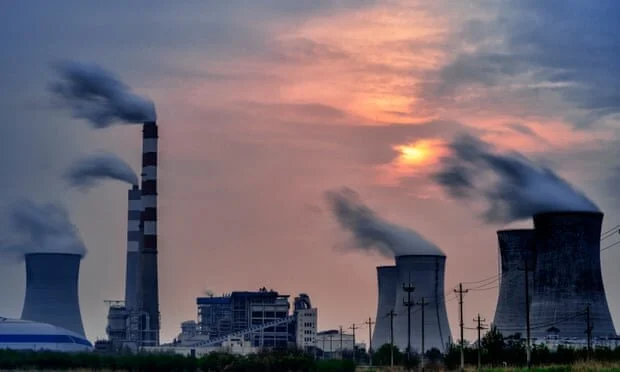
A coal-fired power station in China. Despite the pandemic cutting energy use, overall funding of fossil fuel firms remains on an upward trend. Photograph: Wang Meng/Getty Images/iStockphoto

A coal-fired power station in China. Despite the pandemic cutting energy use, overall funding of fossil fuel firms remains on an upward trend. Photograph: Wang Meng/Getty Images/iStockphoto

Coal, oil and gas firms have received $3.8tn in finance since the Paris climate deal in 2015

The world’s biggest 60 banks have provided $3.8tn of financing for fossil fuel companies since the Paris climate deal in 2015, according to a report by a coalition of NGOs.

Despite the Covid-19 pandemic cutting energy use, overall funding remains on an upward trend and the finance provided in 2020 was higher than in 2016 or 2017, a fact the report’s authors and others described as “shocking”.

Oil, gas and coal will need to be burned for some years to come. But it has been known since at least 2015 that a significant proportion of existing reserves must remain in the ground if global heating is to remain below 2C, the main Paris target. Financing for new reserves is therefore the “exact opposite” of what is required to tackle the climate crisis, the report’s authors said.

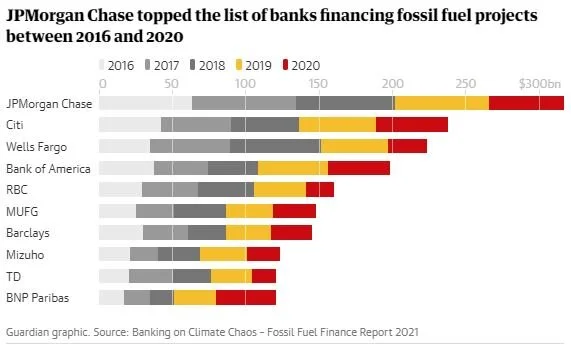
US and Canadian banks make up 13 of the 60 banks analysed, but account for almost half of global fossil fuel financing over the last five years, the report found. JPMorgan Chase provided more finance than any other bank. UK bank Barclays provided the most fossil fuel financing among all European banks and French bank BNP Paribas was the biggest in the EU.

Capture.JPG

Overall financing dipped by 9% in pandemic-hit 2020, but funding for the 100 fossil fuel companies with the biggest expansion plans actually rose by 10%. Citi was the biggest financier of these 100 companies in 2020.

A commitment to be net zero by 2050 has been made by 17 of the 60 banks, but the report describes the pledges as “dangerously weak, half-baked, or vague”, arguing that action is needed today. Some banks have policies that block finance for coal, the dirtiest fossil fuel, but almost two-thirds of funding is for oil and gas companies.

The report’s authors said targeting of banks by campaigners and activist shareholders could help change bank policies but that action by governments was also needed.

“When we look at the five years overall, the trend is still going in the wrong direction, which is obviously the exact opposite of where we need to be going to live up to the goals of the Paris Agreement,” said Alison Kirsch, at Rainforest Action Network and an author of the report. “None of these 60 banks have made, without loopholes, a plan to exit fossil fuels.”

“We have seen progress in restricting financing for special places like the Arctic or greenhouse-gas-intensive forms of oil, like tar sands, but these are such a small piece of the pie,” she said.

Capture 1.JPG

“One bank after another is making solemn promises to become ‘net zero by 2050’,” said Johan Frijns, at BankTrack, part of the coalition behind the report. “But there exists no pathway towards this laudable goal that does not require dealing with bank finance for the fossil fuel industry right here and now.”

“Banks provide the financial oxygen that allows the fossil fuel industry to breathe,” said Mark Campanale, at financial thinktank Carbon Tracker, which was not involved in the report. “It reveals the shocking fact that lending has grown since the Paris Agreement, [which] should concern everyone, not least policymakers and shareholders of the banks themselves.

“The cost of carbon in terms of extreme weather events, lost lives and livelihoods will be borne by society and sadly not the banks, nor the fossil fuel companies,” said Campanale. “Next time the banks come looking to taxpayers for a bailout, they shouldn’t be surprised to find backs are turned.”

The report was produced by six NGOs and is endorsed by over 300 organisations from 50 countries. It used Bloomberg data to analyse both direct loans by banks to fossil fuel companies and funding from other investors that the banks arrange via bond and debt sales.

“A surprising result from the 2020 data is that BNP Paribas, a bank that never loses an opportunity to boast of its clean, green credentials, and those of its US subsidiary Bank of the West, came in as the fourth-worst fossil bank in 2020,” the report said, with the $41bn provided by far the biggest sum in last five years.

BNP Paribas has some of the strongest policies on unconventional oil and gas, such as fracking and tar sands, Kirsch said: “But it’s a relatively small part of their overall funding and the bank hasn’t reined in its financing to the oil and gas supermajors, which get really big deals.”

A spokesperson for BNP Paribas said the report has ranked the bank second for the strength of its restrictions on financing coal, fracking and tar sands. “During the Covid-19 crisis, all sectors of the economy needed support and BNP Paribas, like other banks, played an important stabilising role for the economy. However, BNP Paribas supported the oil and gas sector to a lower extent than other sectors of activity.”

JPMorgan Chase launched a “Paris-aligned financing strategy” in October, pledging to set intermediate emission targets for 2030 for its financing portfolio. It declined to comment on the report. Barclays and Citi did not respond to requests for comment.

A separate report last Thursday from the International Energy Agency and Imperial College London found that investments in renewable energy have seen a 367% greater return than fossil fuels since 2010.

Australia’s Worst Floods in Decades Quicken Concerns About Climate Change

Damien Cave

In a country that suffered the harshest wildfires in its recorded history just a year ago, the deluge has become another awful milestone.

WINDSOR, Australia — Kelly Miller stood in her doorway on Monday, watching the water rise to within a few inches of the century-old home where she runs an alternative medicine business. The bridge nearby had already gone under in some of Australia’s worst flooding in decades, along with an abandoned car in the parking lot.

“It’s coming up really quickly,” she said.

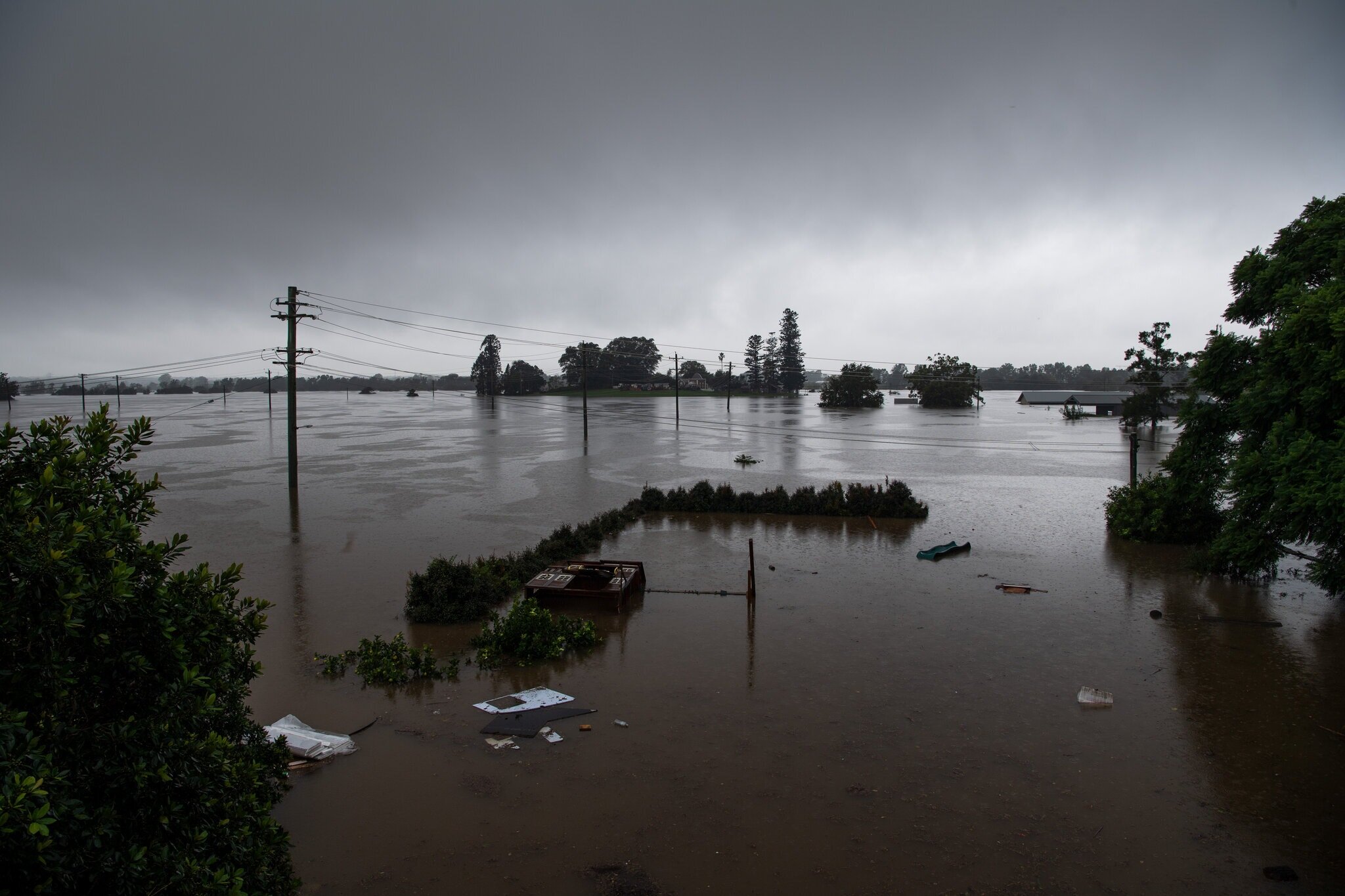
Two massive storms have converged over eastern Australia, dumping more than three feet of rain in just five days. In a country that suffered the worst wildfires in its recorded history just a year ago, the deluge has become another record-breaker — a once-in-50-years event, or possibly 100, depending on the rain that’s expected to continue through Tuesday night.

Nearly 20,000 Australians have been forced to evacuate, and more than 150 schools have been closed. The storms have swept away the home of a couple on their wedding day, prompted at least 500 rescues and drowned roads from Sydney up into the state of Queensland 500 miles north.

Watching the flooded Hawkesbury River in Windsor, on Monday. Over the weekend, the river rose rapidly by more than 30 feet.Credit...Matthew Abbott for The New York Times

Watching the flooded Hawkesbury River in Windsor, on Monday. Over the weekend, the river rose rapidly by more than 30 feet.Credit...Matthew Abbott for The New York Times

Shane Fitzsimmons, the resilience commissioner for New South Wales — a new state position formed after last year’s fires — described the event as another compounding disaster. Last year, huge fires combined into history-making infernos that scorched an area larger than many European countries. This year, thunderstorms have fused and hovered, delivering enough water to push rivers like the Hawkesbury to their highest levels since the 1960s.

Scientists note that both forms of catastrophe represent Australia’s new normal. The country is one of many seeing a pattern of intensification — more extreme hot days and heat waves, as well as more extreme rainfalls over short periods.

It’s all tied to a warming earth, caused by greenhouse gases. Because global temperatures have risen 1.1 degrees Celsius, or about 2 degrees Fahrenheit, over preindustrial levels, landscapes dry out more quickly, producing severe droughts, even as more water vapor rises into the atmosphere, increasing the likelihood of extreme downpours.

“There is a very strong link between global warming and that intensification in rainfall,” said Andy Pitman, director of the ARC Center of Excellence for Climate Extremes at the University of New South Wales. “There’s good scientific evidence to say extreme rain is becoming more extreme due to global warming.”

Australia’s conservative government — heavily resistant to aggressive action on climate change that might threaten the country’s fossil fuel industry — has yet to make that link.

Prime Minister Scott Morrison has offered funds for those forced to flee, and several dozen areas have already been declared disaster zones.

Sandbagging in Windsor, which may see some of the worst flooding as rains continue on Tuesday.Credit...Matthew Abbott for The New York Times

Sandbagging in Windsor, which may see some of the worst flooding as rains continue on Tuesday.Credit...Matthew Abbott for The New York Times

“It’s another testing time for our country,” he told a Sydney radio station, 2GB, on Monday. Windsor may become one of the places hardest hit. Over the weekend, the Hawkesbury rose rapidly by more than 30 feet, and it is expected to peak in the next day or so at 42 feet.

With rain continuing to fall, emergency workers wearing bright orange went door to door on side streets with waist-deep puddles where the road dipped.

In and around the historic downtown, many of the businesses close to the river stayed shut on Monday, with a few putting sandbags by their doors. The central meeting place seemed to be at the foot of the Windsor Bridge, where television crews and crowds in rubber boots marveled at the view.

The new Windsor Bridge, which opened just a few months ago as a “flood-proof” replacement for an older bridge, was completely underwater.

Flooding in Windsor. Experts say the storm that produced the floods was a once-in-50-year event, or perhaps even 100.Credit...Matthew Abbott for The New York Times

Flooding in Windsor. Experts say the storm that produced the floods was a once-in-50-year event, or perhaps even 100.Credit...Matthew Abbott for The New York Times

It was built 10 feet higher than the bridge it replaced, but the river flowed over it as if it did not exist. A red flashing light on the top of a buried yellow excavator offered the only hint of the old bridge, or what had once been solid ground.

Cameron Gooch, 46, a diesel mechanic from a town nearby, said he saw huge trees speeding downriver toward the coast a day earlier. The water seemed to have slowed down, he said, becoming a giant bathtub with water held in place and rising slowly from tributaries.

“That’s the problem,” he said. “It’s just going to keep building up.”

A few feet away, Rebecca Turnbull, the curator of Howe House, a home and museum built in 1820, put handwritten notes on the furniture that would need to be removed if the water surged a few more feet.

She pointed to a line drawn on the doorway of a room that smelled of damp old wood.

“This is where the water came up to in 1867,” she said. Like many others in Windsor, she said she doubted the river would reach quite that high this time around. But that didn’t bring much solace to those closer to the rising brown sludge.

Windsor may become one of the places hardest hit by the Australian floods.Credit...Matthew Abbott for The New York Times

Windsor may become one of the places hardest hit by the Australian floods.Credit...Matthew Abbott for The New York Times

Rachael Goldsworthy, who owns a home and real estate business just behind Ms. Miller’s naturopathic clinic — it’s a few feet higher on the hillside — said she saw a new Mercedes washed downstream the night before after a man had parked in a small puddle and then went into a grocery store to buy a roast chicken. In just minutes, the rising water carried the car away.

On Monday, she tried to help Ms. Miller find a few milk crates — the only defense for some of the heavy furniture that could not be moved out.

Inside, Ms. Miller and her son collected oils and other products that she would normally be selling, with plans to put them in a truck or a storage unit. The antique flowered carpet was still dry, and she’d taped up the toilets to keep the septic system from backing up into the house.

She said she didn’t have flood insurance because she couldn’t afford it. So all she could do was learn from YouTube videos about how to fight a flood.

“We’re trying to work out how to save what we can,” she said. “We don’t want to lose everything.”

Yan Zhuang contributed reporting from Melbourne, Australia.

THE GREEN ROOM (Episode 11): Amelia Clarke on Collaboration not Competition (Building Multi-stakeholder Partnerships for Sustainability)

GREEN ROOM: LIVE WEBINAR


Summary of the Discussion

Dr. Amelia shared her research work which focuses on Implementation of goals through different approach which can be partnership or participation. She further speaks on the importance of localising the Sustainable Development Goals and the deep Decarbonization strategy which is also  crucial in achieving the Global Goals.


LISTEN TO PODCAST

ABOUT THE SPEAKER

Dr. Amelia Clarke is the Associate Dean Research in the Faculty of Environment at the University of Waterloo.

Dr. Amelia Clarke is the Associate Dean Research in the Faculty of Environment at the University of Waterloo.

Read full bio

ABOUT THE MODERATOR

Dr. Jason J. McSparren is an educator, researcher, and administrator with a PhD. in Global Governance and Human Security from Massachusetts Boston.

Dr. Jason J. McSparren is an educator, researcher, and administrator with a PhD. in Global Governance and Human Security from Massachusetts Boston.

read full bio

Q&A

Dr. McSparren: Fantastic work. Thank you very much. Thank you very, very much. Okay, I'd like to begin now with the question and answer period. Okay, again, ladies and gentlemen in the audience, if you're interested in asking a question, please raise your hand or type your question into the chatbox. And then, we will call on you unmute your screen so that you can ask your question, or if you prefer if it's in the chat box, I can always ask.

But as I was listening to the presentation. One thing came to mind that that jumped out on me. Actually, there are a lot of very interesting details. This is a really fantastic research; it can have a big impact on sustainable development progress and the actualisation of the SDGs going forward. So that's really great work. I want to commend the two of you. But one thing that I thought about really quickly is, you mentioned, Dr. Clarke, that you have some of these multi-stakeholder group projects are either voluntarily put together or they are contract-based. And I was wondering if in your conclusions in your findings. Did you find that one or the other is more successful, or was that something that you weren't necessarily looking at?

Dr. Clarke: So what we're finding is that at the local scale, they're all relevant.And so then it's a question for what.So generally, organisations get involved with a partnership approach because they've, they want to tackle something that's outside their jurisdiction, or they don't have the resources to do it.And so that drives them to want to partner with someone else. So, if the main resource you're missing is capital, don't have the money to do an infrastructure project for example, then a PPP might be the right approach. On the other hand, if you're missing kind of collective action by many actors simultaneously. And you want to move forward on a lot of aspects because these are very complicated problems. Then a multi-stakeholder kind of cross sector partnership will enable you to engage many actors from local universities to local businesses to civil society, to all collectively work towards the same vision. So, each one has a purpose. And what we're seeing in the climate spaces now there's a lot of sector approaches. So they're starting to develop partnerships very specific on transportation, for example. And then another one over here on electricity. So, again, it depends on what you're missing right how much do you control the local utilities or it's another company. How much needs to be done through partnership or how much you can do yourself.

Dr. McSparren: Yes, interesting I asked that question because in some of my research, I've looked at voluntary governance mechanisms in the mining sector, and again in the literature, there's a lot of talk about the effectiveness or sometimes lack thereof. And those so I'll just kind of wondering about your perspective in the sustainability front.

Dr. Clarke: I'm glad you brought up mining. So, this is a perfect example of a participation approach versus a partnership approach. And if you're doing stakeholder engagement, but you completely control their decision, and you're going to completely implement all the decisions that's not collaborative right, where if it's a partnership approach where you let the community have a big say in what's happening here. Then you're starting to get into a more partnership approach.

DOWNLOAD FULL TRANSCRIPT

Favourite Quote

The Sustainable Community plans are a wonderful way of localizing the SDGs and bringing those topics all down to local scale and what can be achieved at the local scale.
— Dr. Amelia Clarke

Top Comments

I am very appreciative by the insightful information shared by both Professor Clarke and by Mr. Bayo at today's Green Room event-Filomena


REGISTER FOR THE NEXT GREEN ROOM

Coronavirus: How the common cold can boot out Covid

James Gallagher
Health and science correspondent

GETTY IMAGES

GETTY IMAGES

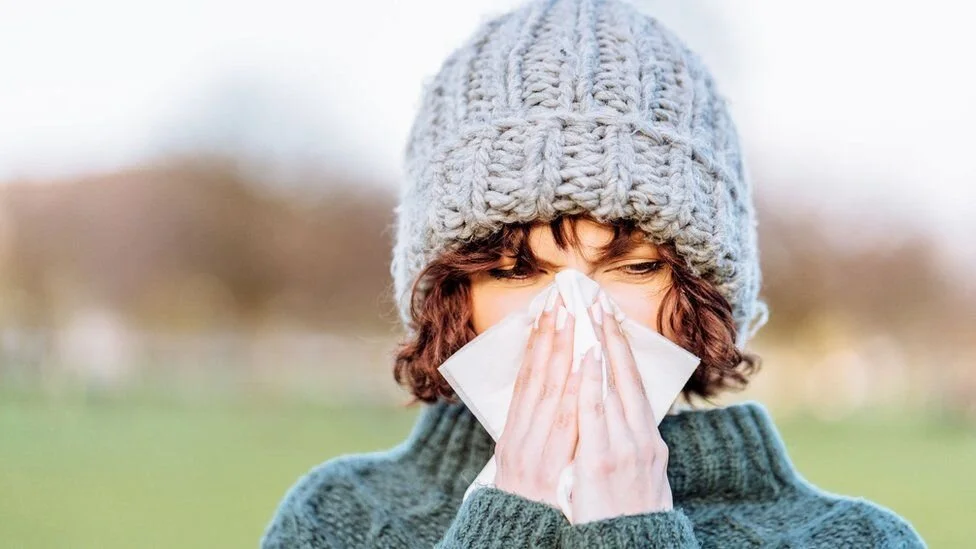
The virus that causes the common cold can effectively boot the Covid virus out of the body's cells, say researchers.

Some viruses are known to compete in order to be the one that causes an infection.

And University of Glasgow scientists say it appears cold-causing rhinovirus trumps coronavirus.

The benefits might be short-lived but rhinovirus is so widespread, they add, it could still help to suppress Covid.

Think of the cells in your nose, throat and lungs as being like a row of houses. Once a virus gets inside, it can either hold the door open to let in other viruses, or it can nail the door shut and keep its new home to itself.

Influenza is one of the most selfish viruses around, and nearly always infects alone. Others, such as adenoviruses, seem to be more up for a houseshare.

There has been much speculation about how the virus that causes Covid, known as Sars-CoV-2, would fit into the mysterious world of "virus-virus interactions".

The challenge for scientists is that a year of social distancing has slowed the spread of all viruses and made it much harder to study.

GETTY IMAGES

GETTY IMAGES

The team at the Centre for Virus Research in Glasgow used a replica of the lining of our airways, made out of the same types of cells, and infected it with Sars-CoV-2 and rhinovirus, which is one of the most widespread infections in people, and a cause of the common cold.

If rhinovirus and Sars-CoV-2 were released at the same time, only rhinovirus is successful. If rhinovirus had a 24-hour head start then Sars-CoV-2 does not get a look in. And even when Sars-CoV-2 had 24-hours to get started, rhinovirus boots it out.

"Sars-CoV-2 never takes off, it is heavily inhibited by rhinovirus," Dr Pablo Murcia told BBC News.

He added: "This is absolutely exciting because if you have a high prevalence of rhinovirus, it could stop new Sars-CoV-2 infections."

Similar effects have been seen before. A large rhinovirus outbreak may have delayed the 2009 swine flu pandemic in parts of Europe.

Further experiments showed rhinovirus was triggering an immune response inside the infected cells, which blocked the ability of Sars-CoV-2 to make copies of itself.

When scientists blocked the immune response, then levels of the Covid virus were the same as if rhinovirus was not there.

'Hard winter' ahead

However, Covid would be able to cause an infection again once the cold had passed and the immune response calmed down.

Dr Murcia said: "Vaccination, plus hygiene measures, plus the interactions between viruses could lower the incidence of Sars-CoV-2 heavily, but the maximum effect will come from vaccination."

Prof Lawrence Young, of Warwick Medical School, said human rhinoviruses, the most frequent cause of the common cold, were "highly transmissible".

He added that this study suggests "that this common infection could impact the burden of Covid-19 and influence the spread of SarsCoV2, particularly over the autumn and winter months when seasonal colds are more frequent".

Exactly how all this settles down in future winters is still unknown. Coronavirus is likely to still be around, and all the other infections that have been suppressed during the pandemic could bounce back as immunity to them wanes.

Dr Susan Hopkins, from Public Health England, has already warned of a "hard winter" as a result.

"We could see surges in flu. We could see surges in other respiratory viruses and other respiratory pathogens," she said,

The results have been published in the Journal of Infectious Diseases.

Nearly half the U.S. is in drought and conditions are expected to grow worse, NOAA says

Emma Newburger

  • Nearly half of the continental U.S. is in a moderate to exceptional drought, government forecasters said Thursday, and conditions are expected to grow more severe and persistent over the next three months.

  • It’s the most significant spring drought to grip the country since 2013 and will impact roughly 74 million people, according to the National Oceanic and Atmospheric Administration.

  • The drought stretches from the Pacific Coast to the Great Plains and upper Midwest. The worst hit area is the Southwest, which experienced a La Nina and a failed summer monsoon in 2020.

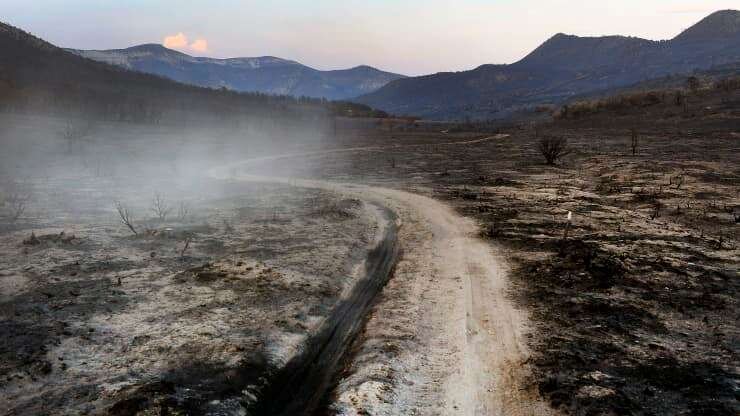
Land owned by the Dick and Meg Latham and his sister Julia was devastated by the Pine Gulch Fire on August 27, 2020 near De Beque, Colorado. The fire burned the land so quickly and badly that in many parts nothing is left but deep ash, soot and stum…

Land owned by the Dick and Meg Latham and his sister Julia was devastated by the Pine Gulch Fire on August 27, 2020 near De Beque, Colorado. The fire burned the land so quickly and badly that in many parts nothing is left but deep ash, soot and stumps of trees and brush that had been there before.

Helen H. Richardson | MediaNews Group | The Denver Post via Getty Images

Nearly half of the continental United States is in a moderate to exceptional drought, government forecasters said on Thursday, and conditions are expected to grow more severe and persistent over the next three months.

It’s the most significant spring drought to grip the country since 2013 and will affect about 74 million people, scientists with the National Oceanic and Atmospheric Administration said during a media briefing announcing their spring weather outlook.

The drought stretches from the Pacific Coast to the Great Plains and upper Midwest. The worst hit area is the Southwest, which experienced a La Nina event and a failed 2020 summer monsoon that exacerbated conditions.

“In many of the drought impacted areas, rangeland and winter pastures have already experienced adverse effects,” said Jon Gottschalck, a meteorologist at NOAA’s Climate Prediction Center, referring to a historic Arctic outbreak that brought dangerous cold and snowy conditions to the central and southern U.S. in February.

Hotter-than-average temperatures this spring and low soil moisture will fuel and expand drought conditions in the southern and central Great Plains and southern Florida, forecasters said. In the northern Plains, drought conditions could grow worse depending on how much rainfall the area experiences.

“This spring, we anticipate a reduced risk for flooding, and forecast significantly below average water supply where impacts due to low flow contribute to the continued drought,” Ed Clark, director of NOAA’s National Water Center in Tuscaloosa, Alabama, said in a statement on Thursday.

Climate change has worsened droughts and other extreme weather like hurricanes and heavy flooding across the country. Researchers also suggest that global warming has pushed the U.S. Southwest into a decades-long megadrought.

2020 tied with 2016 as the hottest year on record, which marked the end of the hottest decade as global temperatures increase due to greenhouse gas emissions trapping heat in the atmosphere.

Millions sign up to anti-food-waste apps to share their unused produce

Harriet Sherwood

With the average UK family throwing out £730 of surplus items a year, eco-conscious consumers have found a hi-tech fix

About a third of all food produced globally is wasted, according to the UN. Photograph: Paul Weston/Alamy

About a third of all food produced globally is wasted, according to the UN. Photograph: Paul Weston/Alamy

There is such a thing as a free lunch, it turns out, as long as you don’t mind too much what it is. Tamara Wilson found hers a few streets away from her west London home – and as well as picking up some unwanted bread and fruit that would otherwise be thrown away, she made a new friend.

Wilson* is one of 3.4 million people around the world using an app designed to encourage people to give away rather than throw away surplus food. “It’s such a small thing, but it makes me feel good and my neighbour feel good. And a lot of small acts can end up making a big difference,” she said.

The last few years have seen an explosion in creative ways to tackle food waste by linking supermarkets, cafes, restaurants and individual households to local communities.

Olio, the app used by Wilson, saw a fivefold increase in listings during 2020, and the signs are that this “stratospheric growth” is continuing into 2021, said Tessa Clarke, its CEO and co-founder.

Too Good To Go, where consumers pay a heavily discounted price for food and meals that would otherwise be discarded, has seen 4.5 million downloads of its app in the UK, and 34 million globally since it launched in 2016 – “and the numbers are growing”, said Paschalis Loucaides, UK managing director.

Other apps tackling food waste include Karma, which has 1.4 million users, and Hubbub, which has created a network of more than 100 “community fridges” in the UK in the past five years – a figure it hopes to double by the end of this year.

About a third of all food produced globally is wasted, according to the UN’s Food and Agriculture Organisation (FAO). Apart from the potential to eliminate hunger around the world, such waste makes a devastating contribution to the global climate crisis.

Almost 1.4 billion hectares of land – close to 30% of the world’s agricultural land – is dedicated to producing food that is never eaten; and the carbon footprint of food wastage makes it the third emitter of CO2 after the US and China, according to the FAO. Reducing food waste is one of the most effective ways of tackling the global climate crisis, says Project Drawdown, which ranks the impact of measures on reducing heat-trapping gases.

In the UK, also, about a third of all food is thrown away – half of it in people’s homes. “Each family throws away an average of £730 of food each year,” said Clarke.

Olio, she said, was an attempt to rectify this on a small, local scale. “The app connects people with others who have surplus food but don’t have anyone to give it to because so many people are disconnected from their communities.”

Users of Olio post images of surplus food that others in the neighbourhood might want. Olio also has a network of 24,000 volunteers who collect surplus food from local supermarkets and stores for app users to claim. “It feels good to share. It’s an example of positivity in a pretty grim world,” said Clarke.

Too Good To Go partners with cafes, restaurants, supermarkets, hotels and independent food retailers to create “magic bags” priced at about a third of the retail price, said Loucaides. “The customer picks up whatever is left over at the end of the day. We don’t pick and choose.”

Despite the success of the app, it was hard to make a dent in the huge scale of food waste, he added. “Even though we’re doing well, we’ve hardly scratched the surface. It’s very challenging.”

The UK’s first food waste action week took place earlier this month. Television chef Nadiya Hussain, who fronted the campaign, said: “Wasting food is a major contributor to climate change. And it isn’t just the leftovers on our plate to consider but the many resources that go into producing our food, like water and land. If we each make small changes, we’d dramatically reduce the amount of food that ends up in the bin.”

*Name has been changed

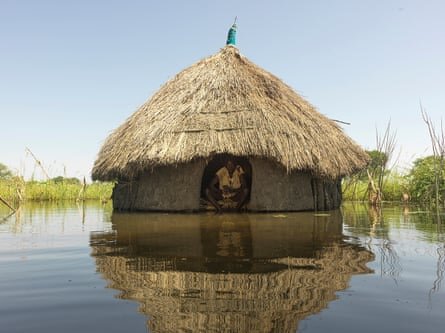
Drowned land: hunger stalks South Sudan's flooded villages

Susan Martinez, photography by Peter Caton

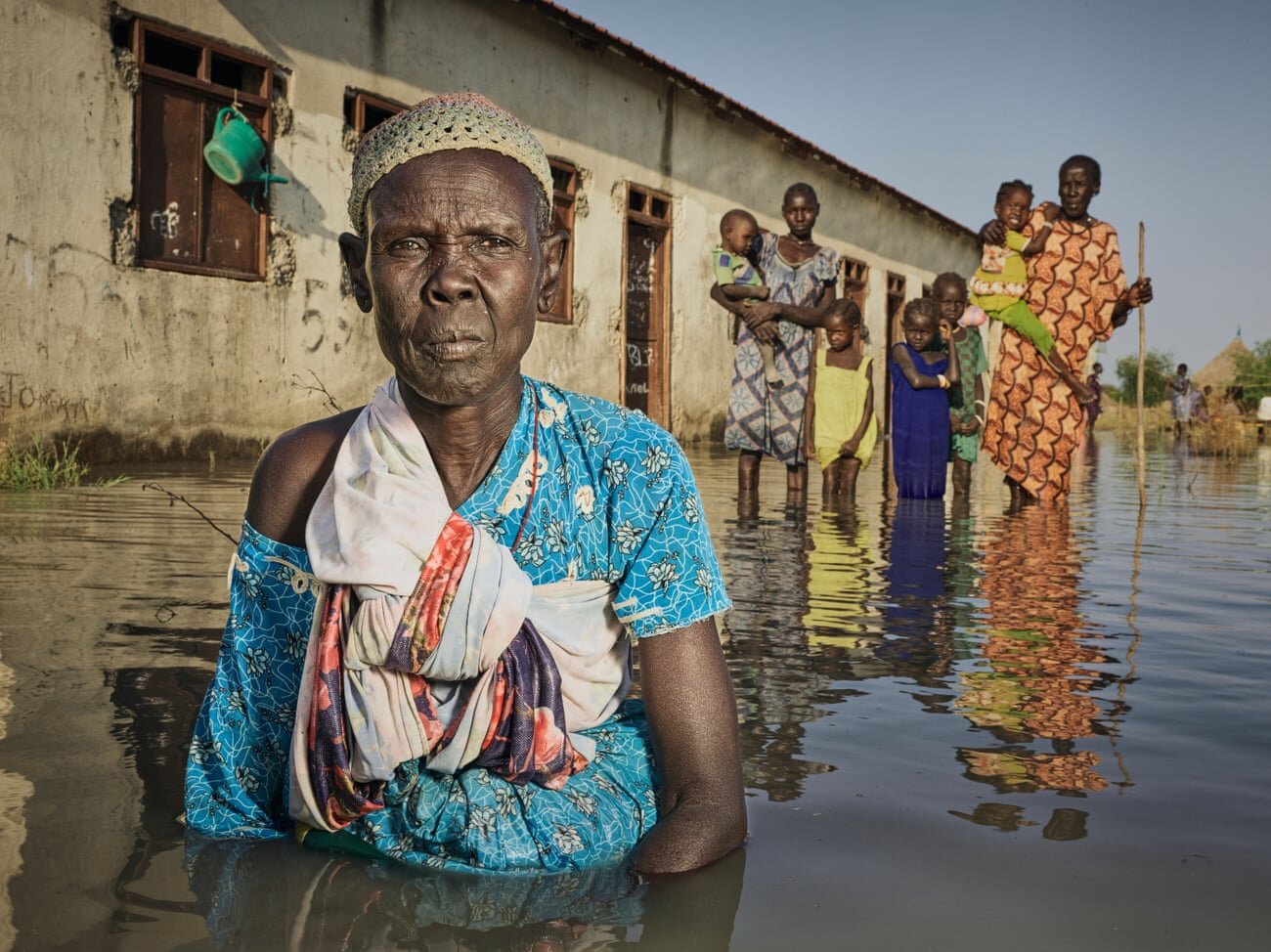
Two years of torrential rains have left 1.6m people in Jonglei province without crops and with their homes flooded. But, with extraordinary resilience, people in Old Fangak are working together to rebuild their lives.

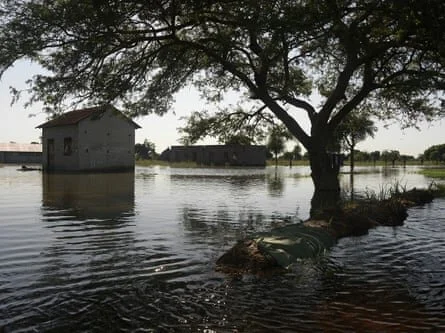
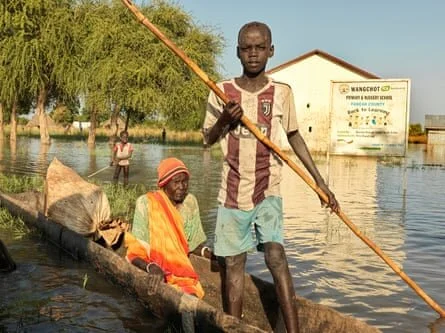
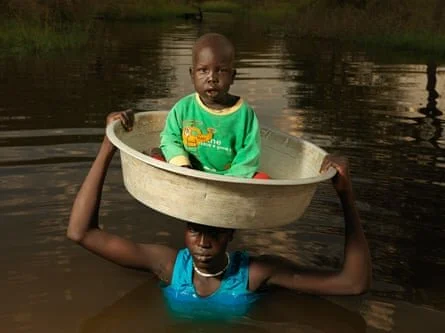
After the unprecedented floods last summer, the people of Old Fangak, a small town in northern South Sudan, should be planting now. But the flood water has not receded, the people are still marooned and now they are facing severe hunger.

Unusually heavy rains began last July, and the White Nile burst its banks, destroyed all the crops and encroached on farms and villages, affecting Jonglei and other states, leaving people to scramble for a few strips of dry land.

ss.jpg
ss1.jpg

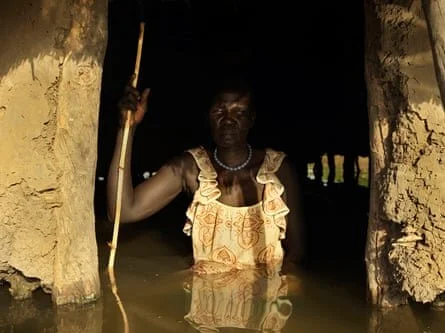
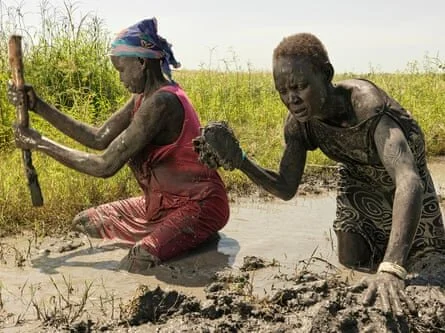
Fields are still submerged, mud homes and stiff sticks of dead maize are slowly collapsing into the water, entire villages have been abandoned and large areas turned into swamps. Of the 62 villages served by Old Fangak’s central market, 45 are devastated by the flooded river.

 
‘Nothing. I couldn’t rescue any of my crops. All were destroyed.’ Nyayua Thang, 62, at Wangchot primary school. She hasn’t eaten in days

‘Nothing. I couldn’t rescue any of my crops. All were destroyed.’ Nyayua Thang, 62, at Wangchot primary school. She hasn’t eaten in days


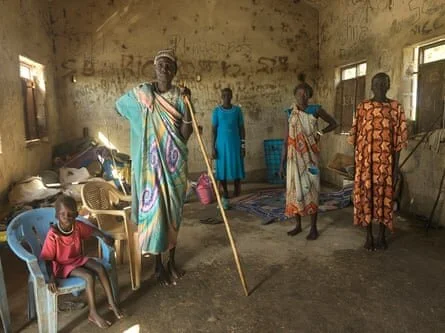
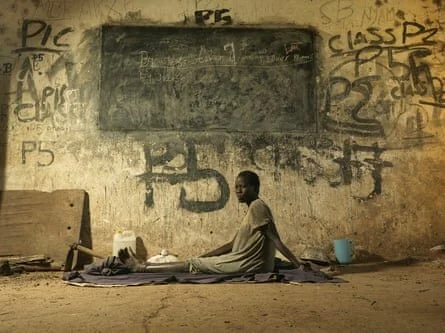
The July harvest would have fed the local people through to this spring but all the crops were lost. Families sleep in abandoned schools or in the open on scraps of higher land. There is no question of migrating to dry areas as the flood extends for miles and at least Old Fangak is secluded from the constant conflict that besets much of the rest of the country.

The UN says that about 1.6 million people have been affected by the floods in a country where already at least 7.5 million people need assistance. A recent report by the Integrated food security Phase Classification, (IPC), an initiative by 15 organisations to tackle malnutrition, estimates that 6.4 million people, about half the population, will face acute food insecurity in 2021, and for half of them their lack of food will be an emergency.

ss3.jpg
ss4.jpg
ss5.jpg
ss6.jpg

Data from South Sudan suggests that more erratic and unpredictable weather patterns are now the norm.

The floods were caused by the Indian Ocean Dipole (IOD), also known as the “Indian El Niño, a weather pattern discovered only in 1999. The strongest IOD to strike east Africa in 61 years happened in 2019. So when the rains arrived in 2020 in South Sudan, the water from the previous year had not yet receded, resulting in more devastating floods. This year’s rainfall could further worsen the situation, making the resultant hunger catastrophic.

‘We always feel weak during the day because of the mosquito bites during the night.’ Nyapata Thiel in the classroom that has become a shelter for many in the community

‘We always feel weak during the day because of the mosquito bites during the night.’ Nyapata Thiel in the classroom that has become a shelter for many in the community

“People will die of hunger. Everyone in Old Fangak is lacking food and lost what they cultivated. Hunger is the one that will kill people,” says Peter Kak, a fisherman and grandfather of five who lives on a grass island with his son Samuel. The two men stayed behind after sending the rest of the family to higher ground. Here, they fish every day.

ss8.jpg
ss10.jpg
ss9.jpg
ss11.jpg

“Flooding, conflict, Covid-19 and poverty make the situation here dire,” says Sulaiman Sesay, of Action Against Hunger, one of the few aid organisations active in this area of South Sudan. “The world needs to know that people are suffering in this way.”

The socioeconomic measures adopted in response to the pandemic have affected already critical hunger situations in vulnerable places such as South Sudan. A joint report by the World Food Programme and the UN’s Food and Agriculture Organization estimates that threatening global hunger levels seem to be reaching new highs.

ss14.jpg
ss15.jpg
ss16.jpg
ss17.jpg

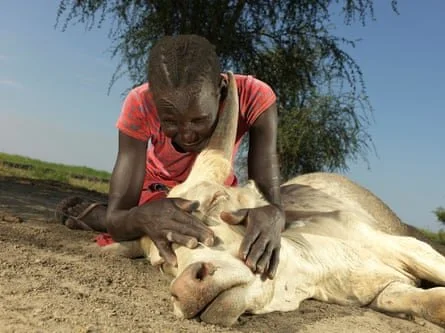
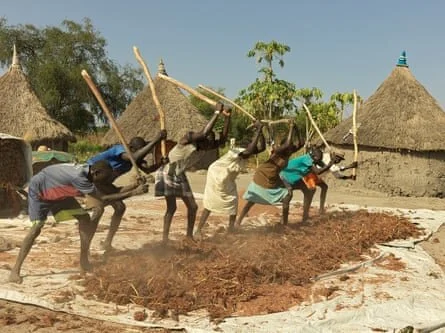
In Old Fangak people grew sorghum, a cereal that is easy to cultivate. Now they can eat only water lilies and fish. But not everyone has fishing nets and for those who do the catches are rarely enough to satisfy the appetite.

“There’s not enough sorghum, so we have to resort to the water lily,” explains Samuel Gai. The flowers have to be collected in great numbers to grind and make a small amount of cereal.

Despite the severity of the floods, the people of Old Fangak refuse to give up. In the face of rising waters, hunger and isolation from the rest of the country, the community shows extraordinary resilience.

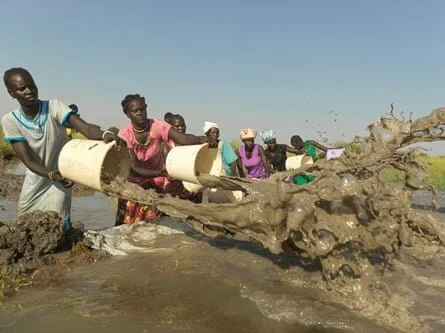
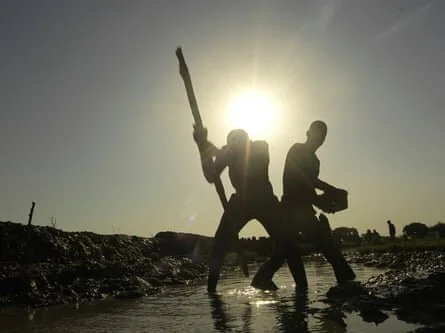
“We cooperate,” says Joseph Martin, a villager helping to repair the constantly collapsing airstrip dyke. “The women take the water out with buckets and we put the mud on the dykes to prevent water leaking in. They do their part and we do our part.

“When there is work, men and women work together and they cooperate. Some of the people come and work even without us asking them … this is how we do it, if there is work to save the town, we work together,.”

Moving water by the bucketload all day takes a huge toll on hungry people. “Because of this water, I’ve lost weight. We are doing this alone, all day and night throwing water over the dyke. Nobody comes to help us. We are all exhausted,” says Nyayen Chuol, who works on the dyke with her elderly mother.

ss19.jpg
ss28.jpg

Where dykes have already been breached many people move on to neighbours’ homes and start again, helping to keep other dykes strong.

“I’m worried all the time. At night I’m trying to stay awake with a fire so I can burn a bit of grass and go check if the dyke is leaking or about to break. Every night. I’m so worried I can’t even sleep thinking that if I fall asleep the dyke could break and I can drown,” says Nyayang Kich, who had to abandon her flooded home for the higher ground of her neighbour.

The water sitting stagnant is compromising health too, leading to a spike in malaria-carrying mosquitoes.

‘We are surrounded by water and have nowhere to run.’ Nyakeak Rambong, 70

‘We are surrounded by water and have nowhere to run.’ Nyakeak Rambong, 70

“The climate has changed from the years when I was young because we have never experienced floods like this before. What we are experiencing now is horrible. We are suffering from hunger and we didn’t before. The climate has changed. For old people it’s horrible. It’s hard moving in this water; we don’t know where to sleep or what to eat. We are in God’s hands,” says 83-year-old Mary Nyamat.

Plastic particles pass from mothers into foetuses, rat study shows

Damian Carrington

Nanoparticles found in foetal brains and hearts, but impact on human health is as yet unknown

Microplastic pollution has reached every part of the planet, from the summit of Mount Everest to the deepest oceans. Photograph: a-ts/Alamy Stock Photo

Microplastic pollution has reached every part of the planet, from the summit of Mount Everest to the deepest oceans. Photograph: a-ts/Alamy Stock Photo

Nanoparticles found in foetal brains and hearts, but impact on human health is as yet unknown

Tiny plastic particles in the lungs of pregnant rats pass rapidly into the hearts, brains and other organs of their foetuses, research shows. It is the first study in a live mammal to show that the placenta does not block such particles.

The experiments also showed that the rat foetuses exposed to the particles put on significantly less weight towards the end of gestation. The research follows the revelation in December of small plastic particles in human placentas, which scientists described as “a matter of great concern”. Earlier laboratory research on human placentas donated by mothers after birth has also shown polystyrene beads can cross the placental barrier.

Microplastic pollution has reached every part of the planet, from the summit of Mount Everest to the deepest oceans, and people are already known to consume the tiny particles via food and water, and to breathe them in.

The health impact of tiny plastic particles in the body is as yet unknown. But scientists say there is an urgent need to assess the issue, particularly for developing foetuses and babies, as plastics can carry chemicals that could cause long-term damage.

Prof Phoebe Stapleton, at Rutgers University, who led the rat research, said: “We found the plastic nanoparticles everywhere we looked – in the maternal tissues, in the placenta and in the foetal tissues. We found them in the foetal heart, brain, lungs, liver and kidney.”

Dunzhu Li, at Trinity College Dublin (TCD) in Ireland and not part of the study team, said: “This study is very important because it proves the potential to transfer [plastic particles] in mammal pregnancy – maybe it is happening from the very beginning of human life as well. The particles were found almost everywhere in the foetus and can also pass through the blood-brain barrier – it is very shocking.”

Prof John Boland, also at TCD, said: “It is however important not to over-interpret these results. The nanoparticles used are near spherical in shape, whereas real microplastics are irregular flake-like objects. Shape matters, as it dictates how particles interact with their environment.” In October, Li, Boland and colleagues showed that babies fed formula milk in plastic bottles are swallowing millions of particles a day.

The rat study was published in the journal Particle and Fibre Toxicology and involved placing nanoparticles in the trachea of the animals. Stapleton said the number of particles used was estimated to be the equivalent of 60% of the number a human mother would be exposed to in a day, although Li’s opinion was that this estimate was too high.

The 20 nanometre beads used were made of polystyrene, which is one of the top five plastics found in the environment, said Stapleton. They were marked with a fluorescent chemical to enable them to be identified. A separate experiment showed that the nanoparticles crossed the placenta about 90 minutes after the mothers were exposed.

Twenty four hours after exposure, the weight of the foetuses was an average of 7% lower than in control animals, and placental weights were 8% lower. Weight loss was also seen in other experiments using titanium dioxide particles. The rats were exposed to the plastic nanoparticles on day 19 of gestation, two days ahead of the usual time for birth and when the foetus is gaining the most weight.

“Our working theory is that something in the maternal vasculature changes, so you get a reduction in blood flow, which in turn leads to a reduction in nutrient and oxygen delivery,” said Stapleton.

She said more research was needed: “This study answers some questions and opens up other questions. We now know the particles are able to cross into the foetal compartment, but we don’t know if they’re lodged there or if the body just walls them off, so there’s no additional toxicity.”

Stapleton said the nanoparticles used in her research were a million times smaller than the microplastics found in human placentas, and therefore currently much more challenging to identify in human studies. “But we know nanoparticles have greater toxicity than the microparticles of the same chemical, as smaller particles get deeper into the lungs.”

The next step for the researchers is to place the rats in an “inhalation chamber”, where the particles can be breathed in, rather than being placed in the trachea. This also allows the assessment of chronic exposure, in which lower doses are given over longer periods, rather than one large dose.

Previous research in rats has shown that silver and carbon nanoparticles pass from mother to foetus and harm health. In humans, gold nanoparticles breathed in were then found in the blood and urine of volunteers and were still present after three months.

Sendai Framework 6th anniversary: Time to recognize there is no such thing as a natural disaster - we're doing it to ourselves

Denis McClean
United Nations Office for Disaster Risk Reduction

Disaster.jpg

GENEVA, 18 March 2021 – The world is losing ground in the battle to reduce disaster losses by failing to act on early warnings, eliminate risk and invest in disaster prevention.

That was the verdict delivered today by the UN Secretary-General’s Special Representative for Disaster Risk Reduction, Mami Mizutori, in a statement to mark six years of the Sendai Framework for Disaster Risk Reduction (2015-2030), the global plan adopted by UN Member States to reduce disaster risk and disaster losses on 18 March 2015 in the tsunami-devastated city of Sendai, Japan.

“As we mark the 6th anniversary of the adoption of the Sendai Framework, it is time to recognize that there is no such thing as a natural disaster.  The world – low income and middle-income countries in particular – is being devastated by a mistaken notion of human progress. The global use of fossil fuels, the lack of international cooperation in support of developing countries and their health systems, the destruction of the environment, unplanned urbanization and unchecked poverty are all driving up the frequency and intensity of disaster events.

“Six years ago, UN Member States included health and biological hazards in the Sendai Framework as a key area of focus if we were to be successful in our stated goals of reducing loss of life and reducing economic losses. Unfortunately, five years later the COVID-19 pandemic arrived, and few countries had equipped themselves to deal with it.

“The result is 120 million cases so far and 2.6 million deaths in a tragedy which has dwarfed all other major disasters experienced so far this century including the Indian Ocean tsunami and the Haiti earthquake which together claimed a total of 450,000 lives. COVID-19 was a disaster that the Sendai Framework was intended to prevent with its clear focus on the importance of health measures for reducing disaster risk.

“The recovery from COVID-19 is an opportunity to re-set priorities to ensure that the 21st century is one in which we act decisively to reduce the existential threats that are building up everywhere and threatening our survival as a species.”

Study predicts the oceans will start emitting ozone-depleting CFCs

Massachusetts Institute of Technology

The world's oceans are a vast repository for gases including ozone-depleting chlorofluorocarbons, or CFCs. They absorb these gases from the atmosphere and draw them down to the deep, where they can remain sequestered for centuries and more.

Marine CFCs have long been used as tracers to study ocean currents, but their impact on atmospheric concentrations was assumed to be negligible. Now, MIT researchers have found the oceanic fluxes of at least one type of CFC, known as CFC-11, do in fact affect atmospheric concentrations. In a study appearing today in the Proceedings of the National Academy of Sciences, the team reports that the global ocean will reverse its longtime role as a sink for the potent ozone-depleting chemical.

The researchers project that by the year 2075, the oceans will emit more CFC-11 back into the atmosphere than they absorb, emitting detectable amounts of the chemical by 2130. Further, with increasing climate change, this shift will occur 10 years earlier. The emissions of CFC-11 from the ocean will effectively extend the chemical's average residence time, causing it to linger five years longer in the atmosphere than it otherwise would. This may impact future estimations of CFC-11 emissions.

The new results may help scientists and policymakers better pinpoint future sources of the chemical, which is now banned worldwide under the Montreal Protocol.

"By the time you get to the first half of the 22nd century, you'll have enough of a flux coming out of the ocean that it might look like someone is cheating on the Montreal Protocol, but instead, it could just be what's coming out of the ocean," says study co-author Susan Solomon, the Lee and Geraldine Martin Professor of Environmental Studies in MIT's Department of Earth, Atmospheric and Planetary Sciences. "It's an interesting prediction and hopefully will help future researchers avoid getting confused about what's going on."

Solomon's co-authors include lead author Peidong Wang, Jeffery Scott, John Marshall, Andrew Babbin, Megan Lickley, and Ronald Prinn from MIT; David Thompson of Colorado State University; Timothy DeVries of the University of California at Santa Barbara; and Qing Liang of the NASA Goddard Space Flight Center.

An ocean, oversaturated

CFC-11 is a chlorofluorocarbon that was commonly used to make refrigerants and insulating foams. When emitted to the atmosphere, the chemical sets off a chain reaction that ultimately destroys ozone, the atmospheric layer that protects the Earth from harmful ultraviolet radiation. Since 2010, the production and use of the chemical has been phased out worldwide under the Montreal Protocol, a global treaty that aims to restore and protect the ozone layer.

Since its phaseout, levels of CFC-11 in the atmosphere have been steadily declining, and scientists estimate that the ocean has absorbed about 5 to 10 percent of all manufactured CFC-11 emissions. As concentrations of the chemical continue to fall in the atmosphere, however, it's predicted that CFC-11 will oversaturate in the ocean, pushing it to become a source rather than a sink.

"For some time, human emissions were so large that what was going into the ocean was considered negligible," Solomon says. "Now, as we try to get rid of human emissions, we find we can't completely ignore what the ocean is doing anymore."

A weakening reservoir

In their new paper, the MIT team looked to pinpoint when the ocean would become a source of the chemical, and to what extent the ocean would contribute to CFC-11 concentrations in the atmosphere. They also sought to understand how climate change would impact the ocean's ability to absorb the chemical in the future.

The researchers used a hierarchy of models to simulate the mixing within and between the ocean and atmosphere. They began with a simple model of the atmosphere and the upper and lower layers of the ocean, in both the northern and southern hemispheres. They added into this model anthropogenic emissions of CFC-11 that had previously been reported through the years, then ran the model forward in time, from 1930 to 2300, to observe changes in the chemical's flux between the ocean and the atmosphere.

They then replaced the ocean layers of this simple model with the MIT general circulation model, or MITgcm, a more sophisticated representation of ocean dynamics, and ran similar simulations of CFC-11 over the same time period.

Both models produced atmospheric levels of CFC-11 through the present day that matched with recorded measurements, giving the team confidence in their approach. When they looked at the models' future projections, they observed that the ocean began to emit more of the chemical than it absorbed, beginning around 2075. By 2145, the ocean would emit CFC-11 in amounts that would be detectable by current monitoring standards.

The ocean's uptake in the 20th century and outgassing in the future also affects the chemical's effective residence time in the atmosphere, decreasing it by several years during uptake and increasing it by up to 5 years by the end of 2200.

Climate change will speed up this process. The team used the models to simulate a future with global warming of about 5 degrees Celsius by the year 2100, and found that climate change will advance the ocean's shift to a source by 10 years and produce detectable levels of CFC-11 by 2140.

"Generally, a colder ocean will absorb more CFCs," Wang explains. "When climate change warms the ocean, it becomes a weaker reservoir and will also outgas a little faster."

"Even if there were no climate change, as CFCs decay in the atmosphere, eventually the ocean has too much relative to the atmosphere, and it will come back out," Solomon adds. "Climate change, we think, will make that happen even sooner. But the switch is not dependent on climate change."

Their simulations show that the ocean's shift will occur slightly faster in the Northern Hemisphere, where large-scale ocean circulation patterns are expected to slow down, leaving more gases in the shallow ocean to escape back to the atmosphere. However, knowing the exact drivers of the ocean's reversal will require more detailed models, which the researchers intend to explore.

"Some of the next steps would be to do this with higher-resolution models and focus on patterns of change," says Scott. "For now, we've opened up some great new questions and given an idea of what one might see."

Government to announce £1bn fund to help reduce emissions

Fiona Harvey

Energy secretary Kwasi Kwarteng said the UK was ‘showing the world how to cut emissions’. Photograph: Barcroft Media/Barcroft Media via Getty Images

Energy secretary Kwasi Kwarteng said the UK was ‘showing the world how to cut emissions’. Photograph: Barcroft Media/Barcroft Media via Getty Images

Funding given to industrial decarbonisation and reducing impact of schools and hospitals

The government will spend more than £1bn helping schools, hospitals and industry to reduce greenhouse gas emissions and encourage the growth of new low-carbon technologies in the UK, under plans set out on Wednesday.

Kwasi Kwarteng, secretary of state for business, energy and industrial strategy said: “We were the first major economy to put into law our target to end our contribution to climate change, and today we’re taking steps to be the first major economy to have its own low-carbon industrial sector. Ahead of Cop26 [the UN climate summit to be hosted in Glasgow this November], the UK is showing the world how we can cut emissions, create jobs and unleash private investment and economic growth.”

However, the £1bn does not represent new spending, but refers to already announced spending that is now being allocated to specific projects.

The launch of the industrial decarbonisation strategy comes as the UK prepares to host vital UN climate talks, called Cop26, postponed from last November owing to the Covid-19 pandemic, and the day after the government’s integrated review of defence and foreign policy placed the climate crisis as the UK’s “foremost international priority”.

The government has allocated £171m to an industrial decarbonisation fund, to be split among projects including hydrogen gas and carbon capture and storage technology at sites in Merseyside, Teesside, Humber and Wales, and offshore engineering works in Scotland. The government said the strategy would create about 80,000 jobs over the next 30 years, with the aim of cutting emissions from industry by two-thirds in the next 15 years.

Separately, about £932m will be spent on 429 projects upgrading public buildings, including schools and hospitals, with heat pumps, solar panels and insulation. Areas to benefit include Manchester, where 36 schools and 22 leisure centres will be upgraded, as well as the transport authority, police and fire service, for about £78m; Leicester, where the city council will receive £24m for upgrading 93 buildings including 56 schools; and £24m for Hertfordshire county council to upgrade 183 council buildings, including 74 schools and 23 emergency service buildings.

The plans for public buildings stand in stark contrast to the government’s scheme for helping people upgrade their draughty homes, which make up 14% of the UK’s total emissions. The green homes grant scheme, originally intended to be worth about £1.5bn, has had most of that funding withdrawn after a troubled start, including builders left unpaid and homeowners unable to get help.

Ed Mathew, campaigns director at green thinktank E3G, said: “This will help slash carbon emissions [from public sector organisations] while helping them to save millions on their energy bills – it’s a no-brainer. The government now needs to put in place a long-term funding programme to help all households to do the same, following recent cuts to the flagship Green Homes Grant scheme.”

Ed Miliband, Labour’s shadow business secretary, contrasted the government’s industrial plans with other countries’ efforts towards a green recovery from the Covid19 crisis, and said the strategy did not go far enough.

“Once again, the government talks a big game on green but doesn’t deliver with nearly the scale or ambition that’s necessary. None of this money is new – these announcements simply allocate money already announced,” he pointed out. “Strip away the rhetoric and we see the fact that while Germany is investing €7bn (£5.9bn) in a hydrogen strategy, our government is investing a tiny fraction of that. We need an ambitious green stimulus to support industry to decarbonise ​and secure jobs for the long-term, starting with a £30bn green recovery. The government has failed to deliver yet again.”

Kat Kramer, climate policy lead at Christian Aid charity, said: “The government dismally continues to offer sops to the fossil fuel industry, including through nods to hydrogen produced from polluting fossil fuels and unproven-at-scale technologies like carbon capture and storage. Instead, the government need to focus on deep emissions cuts, while supporting a just transition to new green jobs for fossil fuel workers, and not propping up the very companies that have caused the climate crisis.”

One of the key elements of the industrial strategy will be to help the steel industry reach net zero emissions. Coking coal is essential to making steel and is the subject of a major row over a proposed new coalmine in Cumbria. Proponents of the mine say that the coking coal it may produce will continue to be needed despite efforts to reduce emissions, but opponents say that to meet the UK’s net zero targets the industry will have to invest in alternatives.

Under the new strategy, the government wants steel-makers to reach net zero by 2035, which would imply phasing out coking coal at least by that date. Roz Bulleid, deputy policy director at the Green Alliance thinktank, said: “The country needs to move quickly if our steel industry is not to be left behind. Other countries, such as Germany and Sweden, already have trials in place for low carbon steel-making using hydrogen. It is becoming increasingly clear that the future of the steel industry will need to be based around clean steel that does not add to our carbon footprint.”

Industry representatives welcomed the government’s decarbonisation strategy. Rain Newton-Smith, chief economist at the CBI employers’ organisation, said: “Creating and championing competitive low-carbon industries will ensure the benefits of a green economic recovery, and the longer term transition to net zero, are shared across the country. Ahead of Cop26, this is a welcome demonstration of the UK’s commitment to act on climate change, to make our post-pandemic recovery a green one, and to give businesses the certainty they need to invest in the technologies of the future.”

Stephen Phipson, chief executive of Make UK, the manufacturers’ organisation, said: “The promise of financial help is critical. Britain’s big corporations have large ringfenced budgets for green initiatives, but our smaller firms will need support to make sure they are able to make the changes necessary to ensure the UK meets its carbon targets, and that they can benefit from the dramatic changes to the way industry will work in the coming years.”