Cop26 climate talks will not fulfil aims of Paris agreement, key players warn

Fiona Harvey
Climate crisis

Major figures privately admit summit will fail to result in pledges that could limit global heating to 1.5C
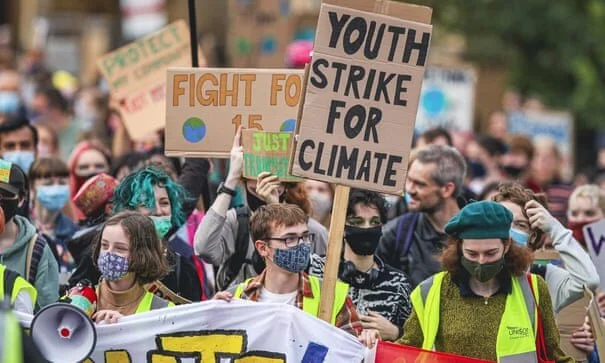
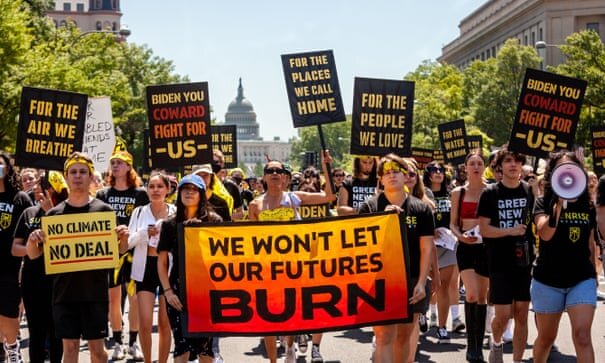
Protesters take part in a climate protest in Glasgow as part of the Global Youth Strike For Climate in the lead up to COP26 climate summit in the city. Photograph: Ewan Bootman/NurPhoto/Rex/Shutterstock

Protesters take part in a climate protest in Glasgow as part of the Global Youth Strike For Climate in the lead up to COP26 climate summit in the city. Photograph: Ewan Bootman/NurPhoto/Rex/Shutterstock

Vital United Nations climate talks, billed as one of the last chances to stave off climate breakdown, will not produce the breakthrough needed to fulfil the aspiration of the Paris agreement, key players in the talks have conceded.

The UN, the UK hosts and other major figures involved in the talks have privately admitted that the original aim of the Cop26 summit will be missed, as the pledges on greenhouse gas emissions cuts from major economies will fall short of the halving of global emissions this decade needed to limit global heating to 1.5C.

Senior observers of the two-week summit due to take place in Glasgow this November with 30,000 attenders, said campaigners and some countries would be disappointed that the hoped-for outcome will fall short.

However, the UN, UK and US insisted that the broader goal of the conference – that of “keeping 1.5C alive” – was still in sight, and that world leaders meeting in Glasgow could still set a pathway for the future that would avoid the worst ravages of climate chaos.

That pathway, in the form of a “Glasgow pact”, would allow for future updates to emissions pledges in the next few years that could be sufficient for the world to stay within scientific advice on carbon levels.

A senior UN official said: “We are not going to get to a 45% reduction, but there must be some level of contributions on the table to show the downward trend of emissions.”

A UK official said: “Cop26 will not deliver all that we want [on emissions].” But the UK, charged as host with delivering a successful outcome, is hoping that progress will be made on other issues, including phasing out coal, providing climate finance to poor countries, and improving the protection of forests.

A US official told the Guardian countries must still aim as high as possible on emissions cuts: “We are going to try to achieve [the emissions cuts necessary]. No one in the administration wants to admit defeat before we have made the maximum effort. You should set an ambitious agenda and may have to, in the end, take baby steps but you should plan for long strides. We are taking long strides.”

Lord Nicholas Stern, the climate economist, said falling short on emissions plans should not be equated with failure. “I agree with [the UN] and most observers that we will not close that gap [between emissions pledges and scientific advice] completely,” he said. “But we should hope for good progress in closing that gap and we should hope for mechanisms and ways forward on how we close that gap further between now and 2025. That’s the way we should think about what is a good, or better, or worse result – a language of success or failure doesn’t seem to me to be very helpful.”

At the Paris climate summit in December 2015, 196 nations agreed to hold global temperature rises to “well below 2C” with an aspiration to limit rises to 1.5C above pre-industrial levels. But the pledges on emissions – known as nationally determined contributions, or NDCs – they brought to the French capital were not enough to fulfil either goal, and would have led to catastrophic heating of at least 3C.

For that reason, the French hosts wrote into the agreement a “ratchet mechanism” that would require countries to return to the negotiating table every five years with fresh targets to meet the temperature goals. Cop26, which was postponed by a year because of Covid, is the fifth Cop – conference of the parties – since Paris.

Some people would be disappointed by the admission that the high hopes for an outcome that would fulfil the Paris aspiration would not be met, said Mary Robinson, chair of the Elders Group, former UN climate envoy and former president of Ireland. “The NDCs will be disappointing, given the urgency and given the climate impacts. It is disappointing that leaders have not been able to step up enough. But the momentum will be there, and that’s very important. I am determined to be hopeful.”

She said the original conception of the Paris agreement, of returning every five years, should be revised so that countries would be asked to return every year with their plans.

The UN takes a similar view. “The Paris agreement built this five-year cycle of ambition, but there is nothing preventing a country from reviewing and updating its NDC next year,” said the senior UN official.

“Cop26 is a very important milestone but it should not be seen as the end of the game, where we give up on 1.5C,” he added. “[It] will signal that 1.5C remains in reach [through] a combination of NDCs, negotiated outcomes and signals in the real economy.”

While the UK, the US and the EU have submitted NDCs requiring much stiffer cuts than those proposed at Paris, the world’s biggest emitter – China – has yet to submit an NDC, and has only indicated that it will cause emissions to peak by 2030, which experts said was not enough to hold the world to 1.5C.

Alok Sharma, the UK cabinet minister who is Cop26 president-designate, said: “Cop26 has always been about delivering urgent action to ensure we keep the path to a 1.5C world alive. Those nations which have submitted new and ambitious climate plans are already bending the curve of emissions downwards by 2030. But we continue to push for increased ambition from the G20 to urgently close the emissions gap. The clock is ticking, and Cop26 must be the turning point where we change the course of history for the better.”

China has still not said whether president Xi Jinping will attend Cop26, causing consternation among climate diplomats who fear China will make no major move at the summit. Relations with China and the US and the UK have been strained by the announcement of the Aukus defence pact with Australia, and by trade differences.

Other countries have also failed to come up with improved NDCs, including Australia, Brazil, Mexico, Indonesia, Russia and Saudi Arabia. India is also the subject of intense diplomacy, as the world’s fourth-biggest emitter after the EU.

Campaigners said the focus should be on the biggest emitters. Mitzi Jonelle Tan, an activist for Fridays for Future in the Philippines, who joined the youth climate strike last Friday, said: “We have seen how big polluters, like the US and China, have promised and pledged less than what is needed from them in the past, yet have fallen short on those every time. Unlike the so-called leaders who like to cheer themselves on for subpar speeches [at the UN], the youth aren’t impressed.”

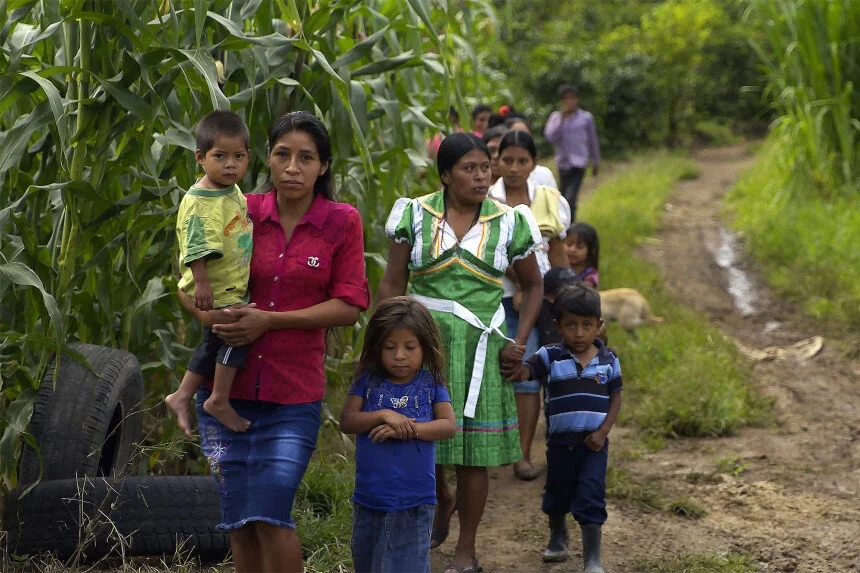
Decades of development efforts undermined by pandemic – FAO report

UN NEWS
ECONOMIC DEVELOPMENT

COVID-19 has set back progress towards the Sustainable Development Goals (SDGs), undermining decades of development efforts, according to a new report by the UN Food and Agriculture Organization (FAO).

"It's an alarming picture, in which progress on many SDG targets has been reversed, with a significant impact on all aspects of sustainable development and making the achievement of the 2030 Agenda even more challenging," said FAO Chief Statistician, Pietro Gennari. 

The analysis, Tracking progress on food and agriculture SDG-related indicators, focuses on eight of the SDGs, which were adopted at a UN Summit in New York in 2015.  

Main findings 

The world has been thrown further off-track when it comes to meeting many #SDGs, including SDG2 Zero Hunger, due to #COVID19.

We must act now & transform our agri-#FoodSystems to achieve a healthy & sustainable future for all.@FAO's new report 👉https://t.co/QNRB0g4hag pic.twitter.com/bWglCYtnPF

— FAO (@FAO) September 22, 2021

According to the report, the COVID-19 pandemic might have pushed an additional 83 to 132 million people into chronic hunger in 2020, making the target of ending hunger even more distant. 

© IFAD/P. Vega I A farmer harvests potatoes in Manchaybamba, Peru.

© IFAD/P. Vega I A farmer harvests potatoes in Manchaybamba, Peru.

Around 14 percent of all food is lost along the supply chain, before it even reaches the consumer, which FAO considers “an unacceptably high proportion”. Progress has also faltered towards maintaining plant and animal genetic diversity for food and agriculture. 

Agricultural systems bear the brunt of economic losses due to disasters, small-scale food producers remain disadvantaged, and food price volatility has also increased, due to the constraints placed by the pandemic and lockdowns.  

The report also focuses on gender, finding that women producers in developing countries earn less than men even when more productive; gender inequalities in land rights are pervasive; and discriminatory laws and customs remain obstacles to women's tenure rights.  

Lastly, water stress remains alarmingly high in many regions, threatening progress towards sustainable development. 

Progress and solutions 

FAO also points to several areas in which progress is being made.  

The UN agency highlights measures against illegal, unreported and unregulated fishing, sustainable forest management, elimination of agricultural export subsidies, investment in agricultural productivity in developing countries, and duty-free access for developing and Least Developed Countries (LDCs).  

The new report coincides with this week's UN Food Systems Summit, which aims to raise global awareness and spur actions to transform food systems, eradicate hunger, reduce diet-related diseases and heal the planet.  

FAO is asking to scale up investment in agriculture, more access to new technologies, credit services and information resources for farmers and support small-scale food producers. 

The agency also supports the conservation of plant and animal genetic resources, measures to counter food price volatility, and prevent potentially hazardous events from becoming full-blown disasters. 

It also calls for more action to use water efficiently, better interventions to reduce food losses, more protection of ecosystems, progress on the legal and practical aspects of women's land rights and the sustainability of global fisheries. 

Lastly, the report makes an urgent call for more and better data. 

"As the COVID-19 pandemic continues to unfold, and the world moves further off track in meeting the 2030 SDG deadline, timely and high-quality data are more essential than ever," Mr. Gennari said. 

Hungry and desperate: Climate change fuels a migration crisis in Guatemala

Denise Chow and Carlos P. Beltran

Starving and in debt, farmers whose land has been destroyed by climate-related weather events are becoming migrants.

LA VEGA, Guatemala — Darwin Mendez has tried and failed to reach the United States three times. Twenty-three years old and $30,000 in debt, he said leaving Guatemala is his only option. Years of punishing drought scorched the field he farms with his father, mother, uncle and siblings, shrinking the maize and drying out what precious few kernels grow on the tiny cobs. 

Then came the rains.

Nearly half of all children in Guatemala under the age of 5 suffer from chronic malnutrition. Carlos Perez Beltran / NBC News

Nearly half of all children in Guatemala under the age of 5 suffer from chronic malnutrition. Carlos Perez Beltran / NBC News

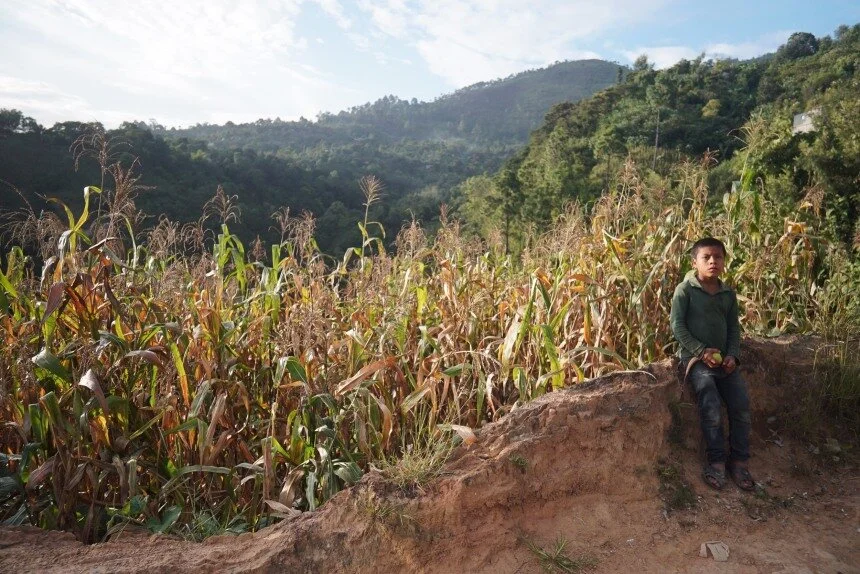
Unpredictable storms and back-to-back hurricanes last year brought heavy downpours to the hills of western Guatemala, triggering mudslides that buried Mendez’s crops and left pests and disease in their wake. When the land dried out, it stayed dry, and the region is once again gripped by prolonged heat waves and persistent drought.

For Mendez, it means another year of poor harvest.

“We don’t have much land — no one does around here — so when we lose crops, we lose everything,” he said.

As Guatemala lurches between intense droughts and devastating floods — two extremes made worse by climate change — some farmers like Mendez are being forced to take drastic action, selling whatever they can or borrowing huge sums of money and leaving home. Most will move within the country, to cities in search of work, while others will join the tens of thousands of Guatemalans who each year attempt a much more treacherous journey north.

More than one-fifth of the population of Guatemala faces what one United Nations agency considers dangerously high levels of food insecurity. Nearly half of all children in the country under the age of 5 suffer from chronic malnutrition, and in some of the most vulnerable rural communities, that number is significantly higher, according to the U.N. World Food Programme. 

“Whatever we grow in the field is not enough to feed ourselves,” Mendez said. “I want to go to the U.S., so I can feed my family.” 

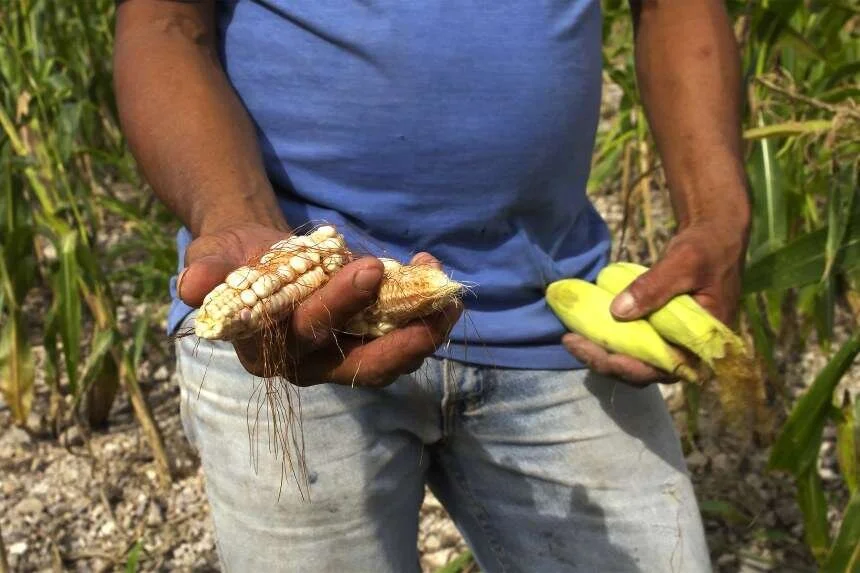
Jose Vasquez shows the undeveloped corn grown near his home.Carlos Perez Beltran / NBC News

Jose Vasquez shows the undeveloped corn grown near his home.Carlos Perez Beltran / NBC News

More than 250 miles away from where Mendez lives in Huehuetenango, Jose Vasquez is similarly finding it difficult to survive off what he can grow. Vasquez, 42, is a small farmer in Chiquimula, in southern Guatemala. On a recent walk through his sloping field, he snapped corn off of a couple of stalks, pulling aside the papery husks to reveal withered cobs notched with only a few brown kernels.


“The problem with the maize is that rain never came,” he said, adding that he feels desperate at times. “I’m afraid because there might not be enough food for my family.”

Experts have said climate change could displace hundreds of millions of people around the world as rising sea levels, hotter temperatures and more frequent extreme weather events transform where is livable on the planet. In places already grappling with high levels of poverty, corruption and conflict, the effects of global warming may reach a fragile tipping point for some of the world’s most vulnerable communities. 

It’s a situation that is already playing out in Guatemala. Without deep cuts in global emissions, it’s likely that global warming will create climate migrants on just about every continent. The consequences will be staggering.

“It’s hard to point to a region of the world that is not going to be heavily impacted by climate change and from migration,” said Nicholas Depsky, a doctoral student at the University of California, Berkeley, and a researcher at the Climate Impact Lab, a consortium of climate scientists from Berkeley, the University of Chicago, the Rhodium Group and Rutgers University. “When you see the writing on the wall, it’s hard to feel like there’s any way that you can overstate the gravity of the situation.”

From southeast Asia to Central America, the movement of people displaced by climate change could fuel political conflicts between nations, or deepen existing tensions, Depsky added. 

“From a U.S. perspective, migration is already such a flashpoint,” he said. “It’s such a divisive political issue, and Central America is already a big region of focus because of how much it plays into our political discourse here.”

Years of drought interspersed with unpredictable storms have resulted in poor harvests and food shortages.Carlos Perez Beltran / NBC News

Migration has been a focus for the Climate Impact Lab, and Depsky’s research has centered, in particular, on droughts in Central America. Guatemala sits along the so-called Dry Corridor, a stretch of Central America that extends from southern Mexico to Panama where high levels of poverty and a reliance on grain crops in rural communities make people in the region especially vulnerable to climate change.

Depsky co-authored a study published in December in the journal Environmental Research Letters that modeled future drought forecasts in Central America. The researchers found that the severity, frequency and duration of droughts throughout the Dry Corridor are projected to worsen through the end of the century.

While the models predicted a decrease in average annual precipitation, Depsky said there will likely also be an increase in extreme weather events, including severe storms and heavy downpours, due to climate change. It’s not yet clear whether global warming is making hurricanes more frequent overall, but studies have shown that warmer sea surface temperatures are increasing the chances that storms will become major hurricanes when they do form.

Darwin Mendez, 23, wants to migrate to the U.S. so that he can provide for his family. Carlos Perez Beltran / NBC News

Darwin Mendez, 23, wants to migrate to the U.S. so that he can provide for his family. Carlos Perez Beltran / NBC News

Part of the problem is that there is no clear definition, legal or otherwise, on who is a climate migrant. Climate change is rarely the main reason why someone decides to leave their home, but it’s almost certainly a compounding factor in many cases.

“It’s really important to look at how climate change interacts with existing vulnerabilities and how climate change exacerbates those vulnerabilities, how it threatens livelihoods, how it increases poverty, how it interacts or tips over into conflict,” said Amali Tower, the founder and executive director of Climate Refugees, a nonprofit organization that aids and raises awareness about climate migration.

In Guatemala, years of severe drought interspersed with tropical storms, Hurricanes Eta and Iota last year and other heavy precipitation events have not only destroyed crops but also battered the land, said Paris Rivera, a climatologist at the Mariano Gálvez University of Guatemala.

“The plants no longer grow and the soil that remains is infertile,” Rivera said, “causing various problems, especially to the people who use the soil for their crops and for their personal consumption, thus generating incredible food insecurity.”

While climate stress will probably drive waves of migration in Guatemala and elsewhere around the world, not everyone will have the means or ability to cross borders.

“It’s not as simple as a drought hits the Dry Corridor and all these farmers pick up their things and move north,” Depsky said. “It’s a lot more nuanced, and the people most impacted because they have the fewest resources to adapt and cope are also the ones that can’t afford to move until it’s a life-or-death situation.”

As such, most climate migration will likely be among people who have been displaced and forced to move within their home country. A report released earlier this month by the World Bank projected that 216 million people across Sub-Saharan Africa, South Asia, Eastern Europe, North Africa, Central Asia, East Asia and the Pacific could move within their countries by 2050.

“Nobody actually wants to be forced to leave their own home,” Tower said. “By and large, how climate change impacts mobility is to create situations of internal displacement.”

But with so much on the line in an increasingly untenable situation, some like Mendez feel they don’t have much of a choice but to leave Guatemala and push north.

“I’m worried about the future,” he said. “All I can do is pray to God I’ll be able to migrate to the U.S.”

Denise Chow reported from New York City, and Carlos P. Beltran from La Vega, Guatemala.

How green is your food? Eco-labels can change the way we eat, study shows

Tiffany Cassidy

Researchers found the most effective way to get people to not buy an item was to use a dark red globe symbol with the word ‘worse’ printed on it. Photograph: Tiffany Cassidy/The Guardian

Researchers found the most effective way to get people to not buy an item was to use a dark red globe symbol with the word ‘worse’ printed on it. Photograph: Tiffany Cassidy/The Guardian

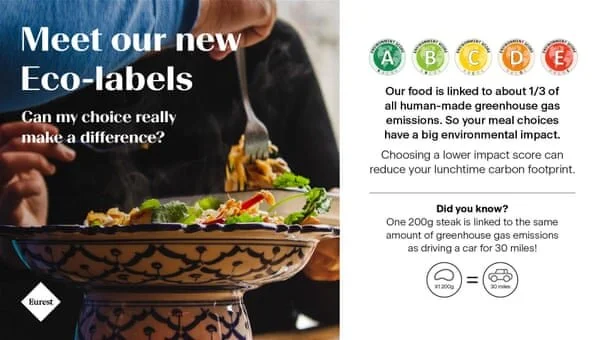
It’s lunchtime at a workplace cafeteria in Birmingham, and employees returning to work after months away during the coronavirus pandemic are noticing something has changed. Next to the sandwiches and hot and cold dishes is a small globe symbol, coloured green, orange or red with a letter in the centre from A to E. “Meet our new eco-labels”, a sign reads.

Researchers at Oxford University have analysed the ingredients in every food item on the menu and given the dishes an environmental impact score, vegetable soup (an A) to the lemon, spring onion, cheese and tuna bagel (an E).

“It probably does help you to start making some choices,” said Natasha King, while eating a plant-based hot meal. She is an employee in the Birmingham headquarters of the UK division of the food services business Compass Group. The company has teamed up with the university for a trial at more than a dozen of its cafeterias across the UK to see if a label can change the way people eat.

Getting people to switch to environmentally sustainable food options through labels is not new: hundreds of food labels exist, from ones that certify organic, to those that promise sustainable fishing. But a new type is gaining steam, one that summarises multiple environmental indicators from greenhouse gas emissions to water use into a single letter indicating the product’s impact.

Some businesses in France began using one this year and the NGO Foundation Earth announced its own trial to begin in UK and EU supermarkets this autumn.

The first challenge for the scientists designing the trial is the image the diners see on the signs. How much information do you include in a label? How do you strike a balance between effective and practical?

During the pandemic, researchers ran studies on an online supermarket where people were given fake money to complete their fake shopping list. The trial gave a sense of what labels were more likely to sway people to buy eco-friendly. They found the most effective way to get people to not buy an item was to use a dark red globe symbol with the word “worse” printed on it. But while effective, it had real world limitations.

“You’re not going to be able to get anyone to use that unless you threaten them with legislation, because they don’t want to say ‘don’t buy this’,” said Brian Cook, the senior researcher leading the project.

Sandwiches and other eco-labelled offerings. The researchers say the biggest environmental impact will be to wean people off meat. Photograph: Tiffany Cassidy/The Guardian

Sandwiches and other eco-labelled offerings. The researchers say the biggest environmental impact will be to wean people off meat. Photograph: Tiffany Cassidy/The Guardian

And what works for this cafeteria setting, with lots of room for information on walls and beside the food, may not work on food packaging in a supermarket that’s already full of information, much of it government mandated. “The real estate there is highly competitive,” Cook said.

The next challenge in supermarkets is the scale. The sandwiches, soups, and hot dishes laid out in this cafeteria only scratch the surface of the Compass food options. It was the Oxford researcher Michael Clark’s job to go through the hundreds of meals made up of roughly 10 ingredients each, determining the environmental impact. Doing the same for the tens of thousands of products and myriad ingredients in a supermarket would be a Herculean task.

Then the scientists had to create a formula to determine environmental impact – a process full of tough decisions using imperfect data. “There’s neverending ways you can do it and how you weight the different indicators … how you want to nudge people,” Cook said.

This research team decided on four indicators for this trial’s formula: greenhouse gas emissions, biodiversity loss, water pollution, and water use (calculated differently based on water scarcity in each region). They weighted each indicator equally in their equation for overall impact.

Other research has looked at land use instead of biodiversity, or using a total of 16 indicators. Whatever the choice, it can change the eco-score that comes out.

“Almonds, you know: great for your health and low in a lot of environment indicators, but then you get to the water, and they are off the charts,” Cook said.

But in most cases, the researchers say the biggest environmental impact will be to get people off meat. “Given that the premise is to get people to shift behaviour, that most correct and scientifically robust approach may actually not be the best approach,” Clark said.

The traffic-light system of eco scores rates the environmental cost of food. Photograph: No Credit

The traffic-light system of eco scores rates the environmental cost of food. Photograph: No Credit

He has considered that a national rollout of labels might need to be based on indicators already prioritised by businesses or mandated by governments, to make the integration as easy as possible for businesses.

In a corner table at the Compass cafeteria, five employees eat together, four of them have chosen a vegetarian meal. They say many of them would usually have opted for meat.

At another table sits Jenny Haines, eating a vegetable stew (rated a C). She does not often think about the environmental impact of the food she eats, but she says it looked appetising, healthy, and was placed right at the front of the hot meals counter.

This was part of an intentional strategy by Compass to find ways to get customers to buy food with a better environmental impact score. Plant-based dishes are placed at the top of menus and at the front of cafe counters, with meat dishes at the back. They do not use the words “vegan” or “plant-based” so people do not feel dictated to, and they gave their dishes a rebrand. “Vegan sweet potato mac n cheese” became “Ultimate New York ‘cheezy’ sweet potato mac”, for example.

At the centre of everything is taste. “Ticking the box isn’t good enough,” said Ryan Holmes, the culinary director of Compass. “We need to put plant-based dishes that can stand next to the meat dishes.”

Some politicians are also interested in this issue. MPs in the UK and Canada have introduced private member’s bills this year aiming to mandate environmental impact labels on food.

Cook gives presentations to business groups and some policymakers in the UK, and says people have a lot of interest in labels. He thinks we will see these labels in some form on products sooner or later.

“It’s definitely part of the toolkit of what you need,” he said. “And in terms of the things that are risky to all stakeholders, this is relatively low risk.”

Religious rehab centres fill gap as Nigeria grapples with soaring drug use

Kemi Falodun in Ibadan

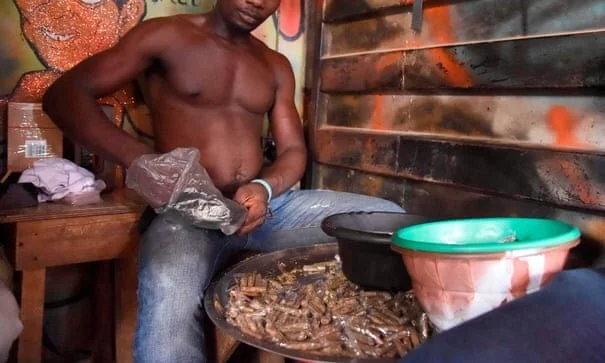
Packaging cannabis for sale in Lagos, Nigeria. The country has been grappling with a growing drug problem for years. Photograph: Pius Utomi Ekpei/AFP via Getty Images

Packaging cannabis for sale in Lagos, Nigeria. The country has been grappling with a growing drug problem for years. Photograph: Pius Utomi Ekpei/AFP via Getty Images

Kola* was in secondary school in Nigeria when he started smoking cigarettes. He soon graduated to cannabis, heroin and eventually to crack cocaine. Access to drugs was easy and he felt the pressure of friends to participate.

In 2002, when he was 39, he was introduced to a private drug rehabilitation centre in Ibadan, in the south-west of the country, where he spent 90 days weaning himself off his addiction.

“Cold turkey … It was like dying,” Kola says. But he eventually got clean, married and now works as a community facilitator at the centre. He was one of the fortunate ones.

Nigeria has been grappling with a growing drug problem for several years, with cases surging since 2016. In its World Drug Report, published in June, the UN recorded a rise in the country’s rate of abuse from 5.6% in 2016 to 14.4% in 2018, with cannabis the most commonly used drug.

Ease of access to drugs, poverty, job insecurity and unemployment have fuelled the increase. Now there are concerns that lockdown restrictions during the Covid-19 pandemic have exacerbated the problem.

According to Nigeria’s National Drug Law Enforcement Agency (NDLEA), the south-west of the country has the highest rates of abuse and trafficking, with more than 22% of 15- to 65-year-olds using drugs in the past year.

In Ibadan, the capital of Oyo state, hundreds have passed through the same rehab centre as Kola, the Goodworker Ministry International. As well as accepting inpatients, the Christian-based centre, which says its drug treatment work was “divinely commissioned by the Lord” in 2002, organises outreach programmes to encourage people to bring their relatives to the centre.

Ahmed* was in primary school when he started experimenting with drugs. He began smoking cigarettes, then marijuana, and went on to use opioids and crack cocaine. He explains that there are countless “bunks” (where users go to inject) and “joints” (for smokers) across Ibadan. “In Bere [a central district] alone, the ‘joints’ there are over 40 … and it’s increasing every day.”

After going through the rehab programme, Ahmed also started working at the centre. He says the work helped his recovery because he had little spare time to spend with drug users. “That was what led me out of cocaine and heroin.”

The centre received a rise in calls during lockdown. “Requests for treatment increased by more than 300% but we could not help [everyone],” says its founder, Tunji Agboola, a Christian pastor.

During the lockdown, the centre’s inpatients were discharged to their families. Many relatives were not equipped to care for them and some patients relapsed. “We suspect that it led to the increase in the usage of prescription drugs and substances such as Rohypnol, tramadol and many more,” says Agboola. “A drug user will not allow the lockdown to make him have withdrawal problems.”

Poverty and food inflation have also increased in the past year – 100.9 million Nigerians are predicted to be living in poverty by 2022 – and so has crime. “The fact that they were hungrier at that time made them do stuff,” Agboola says. “If anything disrupts their day-to-day activities, they will come at people. That was why crime increased.

“Most of these guys that live on the streets are the engine room for drug demand,” he says. “The children of the rich get their drugs because the children of the poor exist.”

Faith Yvonne Abiodun, a mental health counsellor and manager at the Compassionate Recovery Centre in Ibadan, another rehabilitation facility set up by a cleric, says that during the pandemic staff there had received more calls than they had ever before. “Normally, people go about their activities, they have places and people to visit to make them feel better,” she says. With the restrictions, habits were forced to change. “People take solace in these substances.”

Founded in 2013, the centre only operated an outpatient model until last year. Such was the demand for its services after lockdown restrictions eased, however, that it started admitting people to a residential facility, where they spend up to six months. “We moved from a seven-client capacity to 18 clients,” Abiodun says of the surge in demand during the pandemic. “Even people who have been feeling well started using more [drugs].”

The local authorities are attempting to address the drug problem. Two years ago, Oyo state began enforcing free basic school enrolment as a preventive measure because drug use is so rampant among teenagers who have dropped out of school. It is too early to say if it is having an impact. The state government is also collaborating with community leaders on awareness programmes and targeted intervention.

“The main goal is prevention,” says Olufemi Josiah, special assistant on community relations to Oyo’s governor. “When children escape certain menaces, the possibility of getting involved in drugs at adulthood is very slim.”

Josiah says that, to achieve impact at scale, agencies, communities and all levels of the government have to work together. He would like to see the NDLEA be more proactive and collaborate more with national and state government. “A lot of attention is placed on the elected government,” Josiah adds. “The institutions that should really treat some of these things, are they really working?”

Dr Victor Makanjuola, a consultant psychiatrist at University College hospital in Ibadan, also sees a clear need for more rehabilitation centres. There are only eight government-owned psychiatric hospitals in Nigeria.

“We need to have a full rehab centre,” says Makanjuola, who works with addicts and people with drug-related disorders such as psychosis and anxiety. He says UCH is planning a separate addiction centre for long-term patients.

Currently, the hospital works with private rehabilitation centres, such as Goodworker, referring patients there for long-term care.

The majority of rehabilitation centres in Nigeria are run by religious groups, and are widely accepted by the medical community. They meet a need the government is failing to address. However, although most operate under international standards of drug-use prevention, patients in these centres are usually expected to participate in some form of religious worship.

Goodworker has been admitting inpatients since lockdown was eased last year. After three months in rehab, recovering users are released to their families, but that can give rise to new challenges. The team at the centre monitor people after they leave. They know their families and friends, and follow up on them if they start socialising again with drug users. “The final stage is lifelong,” Agboola says. “That’s where we handle every form of relapse.”

* Names have been changed

The Goodworker rehabilitation centre in Ibadan, Nigeria. Patients are expected to take part in religious worship. Photograph: Kemi Falodun

The Goodworker rehabilitation centre in Ibadan, Nigeria. Patients are expected to take part in religious worship. Photograph: Kemi Falodun

Ease of access to drugs, poverty, job insecurity and unemployment have fuelled the increase. Now there are concerns that lockdown restrictions during the Covid-19 pandemic have exacerbated the problem.

According to Nigeria’s National Drug Law Enforcement Agency (NDLEA), the south-west of the country has the highest rates of abuse and trafficking, with more than 22% of 15- to 65-year-olds using drugs in the past year.

In Ibadan, the capital of Oyo state, hundreds have passed through the same rehab centre as Kola, the Goodworker Ministry International. As well as accepting inpatients, the Christian-based centre, which says its drug treatment work was “divinely commissioned by the Lord” in 2002, organises outreach programmes to encourage people to bring their relatives to the centre.

Ahmed* was in primary school when he started experimenting with drugs. He began smoking cigarettes, then marijuana, and went on to use opioids and crack cocaine. He explains that there are countless “bunks” (where users go to inject) and “joints” (for smokers) across Ibadan. “In Bere [a central district] alone, the ‘joints’ there are over 40 … and it’s increasing every day.”

After going through the rehab programme, Ahmed also started working at the centre. He says the work helped his recovery because he had little spare time to spend with drug users. “That was what led me out of cocaine and heroin.”

The centre received a rise in calls during lockdown. “Requests for treatment increased by more than 300% but we could not help [everyone],” says its founder, Tunji Agboola, a Christian pastor.

During the lockdown, the centre’s inpatients were discharged to their families. Many relatives were not equipped to care for them and some patients relapsed. “We suspect that it led to the increase in the usage of prescription drugs and substances such as Rohypnol, tramadol and many more,” says Agboola. “A drug user will not allow the lockdown to make him have withdrawal problems.”

Poverty and food inflation have also increased in the past year – 100.9 million Nigerians are predicted to be living in poverty by 2022 – and so has crime. “The fact that they were hungrier at that time made them do stuff,” Agboola says. “If anything disrupts their day-to-day activities, they will come at people. That was why crime increased.

“Most of these guys that live on the streets are the engine room for drug demand,” he says. “The children of the rich get their drugs because the children of the poor exist.”

Faith Yvonne Abiodun, a mental health counsellor and manager at the Compassionate Recovery Centre in Ibadan, another rehabilitation facility set up by a cleric, says that during the pandemic staff there had received more calls than they had ever before. “Normally, people go about their activities, they have places and people to visit to make them feel better,” she says. With the restrictions, habits were forced to change. “People take solace in these substances.”

Founded in 2013, the centre only operated an outpatient model until last year. Such was the demand for its services after lockdown restrictions eased, however, that it started admitting people to a residential facility, where they spend up to six months. “We moved from a seven-client capacity to 18 clients,” Abiodun says of the surge in demand during the pandemic. “Even people who have been feeling well started using more [drugs].”

The local authorities are attempting to address the drug problem. Two years ago, Oyo state began enforcing free basic school enrolment as a preventive measure because drug use is so rampant among teenagers who have dropped out of school. It is too early to say if it is having an impact. The state government is also collaborating with community leaders on awareness programmes and targeted intervention.

“The main goal is prevention,” says Olufemi Josiah, special assistant on community relations to Oyo’s governor. “When children escape certain menaces, the possibility of getting involved in drugs at adulthood is very slim.”

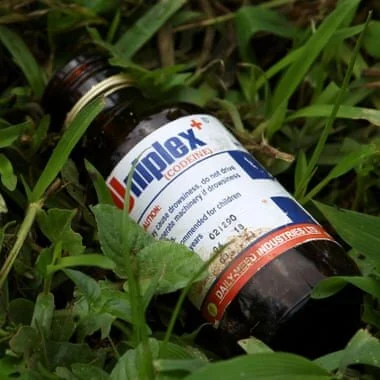
Addicts turned to prescription drugs and over-the-counter products during lockdown, such as cough syrups containing codeine. Photograph: Reuters/Alamy

Addicts turned to prescription drugs and over-the-counter products during lockdown, such as cough syrups containing codeine. Photograph: Reuters/Alamy

Josiah says that, to achieve impact at scale, agencies, communities and all levels of the government have to work together. He would like to see the NDLEA be more proactive and collaborate more with national and state government. “A lot of attention is placed on the elected government,” Josiah adds. “The institutions that should really treat some of these things, are they really working?”

Dr Victor Makanjuola, a consultant psychiatrist at University College hospital in Ibadan, also sees a clear need for more rehabilitation centres. There are only eight government-owned psychiatric hospitals in Nigeria.

“We need to have a full rehab centre,” says Makanjuola, who works with addicts and people with drug-related disorders such as psychosis and anxiety. He says UCH is planning a separate addiction centre for long-term patients.

Currently, the hospital works with private rehabilitation centres, such as Goodworker, referring patients there for long-term care.

The majority of rehabilitation centres in Nigeria are run by religious groups, and are widely accepted by the medical community. They meet a need the government is failing to address. However, although most operate under international standards of drug-use prevention, patients in these centres are usually expected to participate in some form of religious worship.

Goodworker has been admitting inpatients since lockdown was eased last year. After three months in rehab, recovering users are released to their families, but that can give rise to new challenges. The team at the centre monitor people after they leave. They know their families and friends, and follow up on them if they start socialising again with drug users. “The final stage is lifelong,” Agboola says. “That’s where we handle every form of relapse.”

* Names have been changed

International Day for Peace: 5 World Leaders Who Fought Oppression With Non-violence

It has taken humans hundreds of years and the contributions of several remarkable leaders to understand the significance and impact of non-violence. From Mahatma Gandhi to Nelson Mandela, non-violence formed the bedrock of the policies of several influential leaders to fight oppression. The International Day for Peace is observed on September 21 every year to strengthen our ideals for peace and ensure a period of non-violence and ceasefire. This year, on this special day, we tell you about five world leaders who showed humanity the light of peace in the darkness of violence.

MAHATMA GANDHI

Mahatma, which means a greater soul, was not Mohandas Gandhi’s original name but a title he was given because of the consciousness he demonstrated by the extraordinary practice of non-violence in his personal and political life. Gandhi’s non-violent civil disobedience and Satyagraha movements are seen as the milestones in India’s struggle for freedom from the British, and have set examples for non-violent resistance that has inspired many movements across the world.


MARTIN LUTHER KING JR

Inspired by his Christian beliefs and the nonviolent activism of Mahatma Gandhi, King played a key role in the American civil rights movement and advocated peaceful solutions to many biggest problems in society. His peaceful demonstrations made racism in America visible worldwide. In 1964, he was awarded the Nobel Peace Prize.

LEYMAH GBOWEE

Leader of the women’s nonviolent peace movement, Gbowee helped end the 14-year-long civil war in Liberia. Gbowee and her movement brought a period of peace in the West African country and fought for women’s rights using nonviolent campaigns. She was also awarded the 2011 Nobel Peace Prize with her collaborator  Ellen Johnson Sirleaf.

NELSON MANDELA

Fighting apartheid in South Africa, Nelson Mandela spent 27 years of his life in prison. When he was released, his efforts led to a multiracial election in South Africa and he was elected as President. Emphasising forgiveness in personal life, Mandela saw non-violence as the most pragmatic form of resistance.

MAIREAD MAGUIRE

A proponent of the belief that “violence is a disease that humans develop but are not born with,” Maguire is a peace activist who founded Community for Peace People, an organisation that helped resolve the conflict in Northern Ireland. Recognised as a leader of peace, Maguire was awarded the 1976 Nobel Peace Prize along with her collaborator Elizabeth Williams.


Climate pledges tough to secure before COP26 summit, PM warns

Alex Therrien

GETTY IMAGE

GETTY IMAGE

There is a "six out of 10" chance of getting other countries to sign up to financial and environmental targets ahead of November's key COP26 climate change conference, the UK PM has said.

Boris Johnson is in the US for a UN meeting where he will urge leaders to take "concrete action" on the issue.

But he said it would be "tough" to persuade allies to meet their promise to give $100bn a year to developing nations to cut carbon emissions.

The UK is hosting COP26 in Glasgow.

Mr Johnson also defended new International Trade Secretary Anne-Marie Trevelyan over her past social media posts that rejected the science of climate change, acknowledging that he himself had not always supported action on global warming but "the facts change and people change their minds".

With some 100 world leaders expected in New York at the UN General Assembly this week, Mr Johnson will seek to galvanise action during a series of high-level meetings.

Speaking during his flight, Mr Johnson told reporters: "I think getting it all done this week is going to be a stretch. But I think getting it all done by COP, six out of 10.

"It's going to be tough but people need to understand that this is crucial for the world."

Downing Street has said developed countries have "collectively failed" on their annual $100bn (£73bn) target, with OECD figures last week showing that only $79.6bn in climate finance was mobilised in 2019.

World’s largest tree wrapped in fire-resistant blanket as California blaze creeps closer

Associated Press

Efforts underway to protect General Sherman and other giant trees from wildfires threatening Sequoia national park

Firefighters have wrapped the base of the world’s largest tree in a fire-resistant blanket as they tried to save a famous grove of gigantic old-growth sequoias from wildfires burning in California’s rugged Sierra Nevada.

The colossal General Sherman tree in Sequoia national park’s giant forest, some of the other sequoias, the Giant Forest Museum and other buildings were wrapped as protection against the possibility of intense flames, fire spokesperson Rebecca Paterson said.

The aluminium wrapping can withstand intensive heat for short periods. Federal officials say they have been using the material for several years throughout the US west to protect sensitive structures from flames. Homes near Lake Tahoe that were wrapped in protective material survived while others nearby were destroyed.

The Colony fire, one of two burning in Sequoia national park, was expected to reach the Giant Forest, a grove of 2,000 sequoias, at some point on Thursday. It comes after a wildfire killed thousands of sequoias, some as tall as high-rises and thousands of years old, in the region last year.

The General Sherman tree is the largest in the world by volume, at 1,487 cubic meters, according to the National Park Service. It towers 84 meters high and has a circumference of 31 meters at ground level.

A 50-year history of using prescribed burns – fires set on purpose to remove other types of trees and vegetation that would otherwise feed wildfires – in the parks’ sequoia groves was expected to help the giant trees survive by lessening the impact if flames reach them.

A “robust fire history of prescribed fire in that area is reason for optimism”, Paterson said. “Hopefully, the Giant Forest will emerge from this unscathed.”
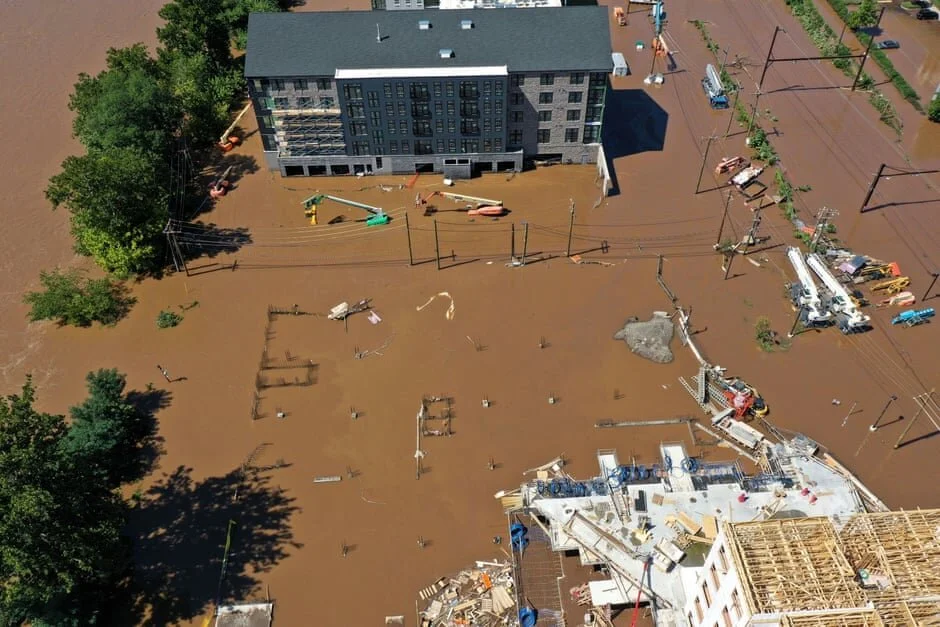
Giant sequoias are adapted to fire, which can help them thrive by releasing seeds from their cones and creating clearings that allow young sequoias to grow. But the extraordinary intensity of fires – fuelled by climate change – can overwhelm the trees. That happened last year when the Castle fire killed what studies estimate were 7,500 to 10,600 large sequoias, according to the National Park Service.

A historic drought and heat waves tied to climate change have made wildfires harder to fight in the American west. Scientists say climate change has made the region much warmer and drier in the past 30 years and will continue to make weather more extreme and wildfires more frequent and destructive.

The fires forced the evacuation of the park this week, and parts of the town of Three Rivers outside the main entrance remained evacuated Thursday. A bulldozer was cutting a line between the fire and the community.

The wildfires are among the latest in a long summer of blazes that have scorched nearly 9,195 sq km in California, destroying hundreds of homes.

Firefighters have wrapped the base of the world’s largest tree in a fire-resistant blanket as they tried to save a famous grove of gigantic old-growth sequoias from wildfires burning in California’s rugged Sierra Nevada.

The colossal General Sherman tree in Sequoia national park’s giant forest, some of the other sequoias, the Giant Forest Museum and other buildings were wrapped as protection against the possibility of intense flames, fire spokesperson Rebecca Paterson said.

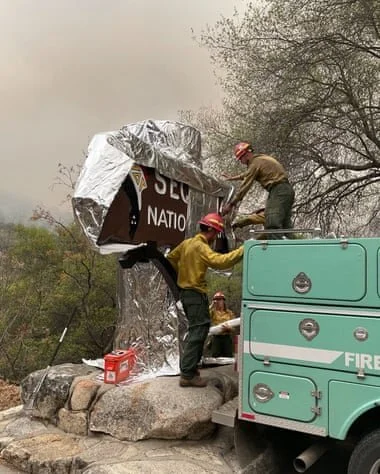
Firefighters wrap the historic Sequoia national park entrance sign with fire-proof blankets in California. Photograph: NATIONAL PARK SERVICE/AFP/Getty Images

The aluminium wrapping can withstand intensive heat for short periods. Federal officials say they have been using the material for several years throughout the US west to protect sensitive structures from flames. Homes near Lake Tahoe that were wrapped in protective material survived while others nearby were destroyed.

The Colony fire, one of two burning in Sequoia national park, was expected to reach the Giant Forest, a grove of 2,000 sequoias, at some point on Thursday. It comes after a wildfire killed thousands of sequoias, some as tall as high-rises and thousands of years old, in the region last year.

The General Sherman tree is the largest in the world by volume, at 1,487 cubic meters, according to the National Park Service. It towers 84 meters high and has a circumference of 31 meters at ground level.

A 50-year history of using prescribed burns – fires set on purpose to remove other types of trees and vegetation that would otherwise feed wildfires – in the parks’ sequoia groves was expected to help the giant trees survive by lessening the impact if flames reach them.

A “robust fire history of prescribed fire in that area is reason for optimism”, Paterson said. “Hopefully, the Giant Forest will emerge from this unscathed.”
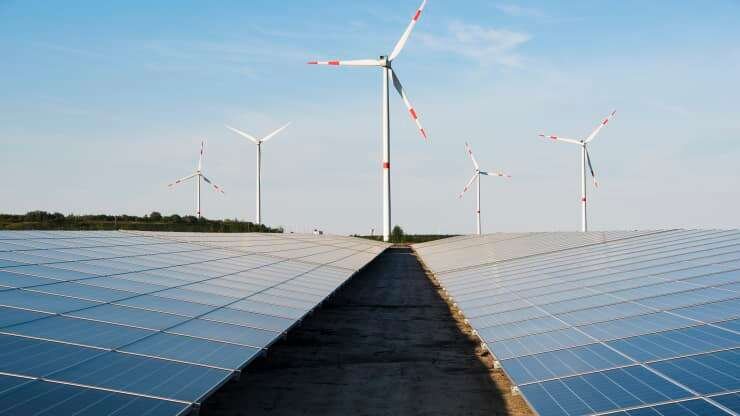
Giant sequoias are adapted to fire, which can help them thrive by releasing seeds from their cones and creating clearings that allow young sequoias to grow. But the extraordinary intensity of fires – fuelled by climate change – can overwhelm the trees. That happened last year when the Castle fire killed what studies estimate were 7,500 to 10,600 large sequoias, according to the National Park Service.

A historic drought and heat waves tied to climate change have made wildfires harder to fight in the American west. Scientists say climate change has made the region much warmer and drier in the past 30 years and will continue to make weather more extreme and wildfires more frequent and destructive.

The fires forced the evacuation of the park this week, and parts of the town of Three Rivers outside the main entrance remained evacuated Thursday. A bulldozer was cutting a line between the fire and the community.

The wildfires are among the latest in a long summer of blazes that have scorched nearly 9,195 sq km in California, destroying hundreds of homes.

Efforts underway to protect General Sherman and other giant trees from wildfires threatening Sequoia national park

Firefighters have wrapped the base of the world’s largest tree in a fire-resistant blanket as they tried to save a famous grove of gigantic old-growth sequoias from wildfires burning in California’s rugged Sierra Nevada.

The colossal General Sherman tree in Sequoia national park’s giant forest, some of the other sequoias, the Giant Forest Museum and other buildings were wrapped as protection against the possibility of intense flames, fire spokesperson Rebecca Paterson said.

Firefighters wrap the historic Sequoia national park entrance sign with fire-proof blankets in California. Photograph: NATIONAL PARK SERVICE/AFP/Getty Images

The aluminium wrapping can withstand intensive heat for short periods. Federal officials say they have been using the material for several years throughout the US west to protect sensitive structures from flames. Homes near Lake Tahoe that were wrapped in protective material survived while others nearby were destroyed.

The Colony fire, one of two burning in Sequoia national park, was expected to reach the Giant Forest, a grove of 2,000 sequoias, at some point on Thursday. It comes after a wildfire killed thousands of sequoias, some as tall as high-rises and thousands of years old, in the region last year.

The General Sherman tree is the largest in the world by volume, at 1,487 cubic meters, according to the National Park Service. It towers 84 meters high and has a circumference of 31 meters at ground level.

A 50-year history of using prescribed burns – fires set on purpose to remove other types of trees and vegetation that would otherwise feed wildfires – in the parks’ sequoia groves was expected to help the giant trees survive by lessening the impact if flames reach them.

A “robust fire history of prescribed fire in that area is reason for optimism”, Paterson said. “Hopefully, the Giant Forest will emerge from this unscathed.”

Giant sequoias are adapted to fire, which can help them thrive by releasing seeds from their cones and creating clearings that allow young sequoias to grow. But the extraordinary intensity of fires – fuelled by climate change – can overwhelm the trees. That happened last year when the Castle fire killed what studies estimate were 7,500 to 10,600 large sequoias, according to the National Park Service.

A historic drought and heat waves tied to climate change have made wildfires harder to fight in the American west. Scientists say climate change has made the region much warmer and drier in the past 30 years and will continue to make weather more extreme and wildfires more frequent and destructive.

The fires forced the evacuation of the park this week, and parts of the town of Three Rivers outside the main entrance remained evacuated Thursday. A bulldozer was cutting a line between the fire and the community.

The wildfires are among the latest in a long summer of blazes that have scorched nearly 9,195 sq km in California, destroying hundreds of homes.

Efforts underway to protect General Sherman and other giant trees from wildfires threatening Sequoia national park

Firefighters have wrapped the base of the world’s largest tree in a fire-resistant blanket as they tried to save a famous grove of gigantic old-growth sequoias from wildfires burning in California’s rugged Sierra Nevada.

The colossal General Sherman tree in Sequoia national park’s giant forest, some of the other sequoias, the Giant Forest Museum and other buildings were wrapped as protection against the possibility of intense flames, fire spokesperson Rebecca Paterson said.

Firefighters wrap the historic Sequoia national park entrance sign with fire-proof blankets in California. Photograph: NATIONAL PARK SERVICE/AFP/Getty Images

The aluminium wrapping can withstand intensive heat for short periods. Federal officials say they have been using the material for several years throughout the US west to protect sensitive structures from flames. Homes near Lake Tahoe that were wrapped in protective material survived while others nearby were destroyed.

The Colony fire, one of two burning in Sequoia national park, was expected to reach the Giant Forest, a grove of 2,000 sequoias, at some point on Thursday. It comes after a wildfire killed thousands of sequoias, some as tall as high-rises and thousands of years old, in the region last year.

The General Sherman tree is the largest in the world by volume, at 1,487 cubic meters, according to the National Park Service. It towers 84 meters high and has a circumference of 31 meters at ground level.

A 50-year history of using prescribed burns – fires set on purpose to remove other types of trees and vegetation that would otherwise feed wildfires – in the parks’ sequoia groves was expected to help the giant trees survive by lessening the impact if flames reach them.

A “robust fire history of prescribed fire in that area is reason for optimism”, Paterson said. “Hopefully, the Giant Forest will emerge from this unscathed.”

Giant sequoias are adapted to fire, which can help them thrive by releasing seeds from their cones and creating clearings that allow young sequoias to grow. But the extraordinary intensity of fires – fuelled by climate change – can overwhelm the trees. That happened last year when the Castle fire killed what studies estimate were 7,500 to 10,600 large sequoias, according to the National Park Service.

A historic drought and heat waves tied to climate change have made wildfires harder to fight in the American west. Scientists say climate change has made the region much warmer and drier in the past 30 years and will continue to make weather more extreme and wildfires more frequent and destructive.

The fires forced the evacuation of the park this week, and parts of the town of Three Rivers outside the main entrance remained evacuated Thursday. A bulldozer was cutting a line between the fire and the community.

The wildfires are among the latest in a long summer of blazes that have scorched nearly 9,195 sq km in California, destroying hundreds of homes.

Efforts underway to protect General Sherman and other giant trees from wildfires threatening Sequoia national park

Firefighters have wrapped the base of the world’s largest tree in a fire-resistant blanket as they tried to save a famous grove of gigantic old-growth sequoias from wildfires burning in California’s rugged Sierra Nevada.

The colossal General Sherman tree in Sequoia national park’s giant forest, some of the other sequoias, the Giant Forest Museum and other buildings were wrapped as protection against the possibility of intense flames, fire spokesperson Rebecca Paterson said.

Firefighters wrap the historic Sequoia national park entrance sign with fire-proof blankets in California. Photograph: NATIONAL PARK SERVICE/AFP/Getty Images

The aluminium wrapping can withstand intensive heat for short periods. Federal officials say they have been using the material for several years throughout the US west to protect sensitive structures from flames. Homes near Lake Tahoe that were wrapped in protective material survived while others nearby were destroyed.

The Colony fire, one of two burning in Sequoia national park, was expected to reach the Giant Forest, a grove of 2,000 sequoias, at some point on Thursday. It comes after a wildfire killed thousands of sequoias, some as tall as high-rises and thousands of years old, in the region last year.

The General Sherman tree is the largest in the world by volume, at 1,487 cubic meters, according to the National Park Service. It towers 84 meters high and has a circumference of 31 meters at ground level.

A 50-year history of using prescribed burns – fires set on purpose to remove other types of trees and vegetation that would otherwise feed wildfires – in the parks’ sequoia groves was expected to help the giant trees survive by lessening the impact if flames reach them.

A “robust fire history of prescribed fire in that area is reason for optimism”, Paterson said. “Hopefully, the Giant Forest will emerge from this unscathed.”

Giant sequoias are adapted to fire, which can help them thrive by releasing seeds from their cones and creating clearings that allow young sequoias to grow. But the extraordinary intensity of fires – fuelled by climate change – can overwhelm the trees. That happened last year when the Castle fire killed what studies estimate were 7,500 to 10,600 large sequoias, according to the National Park Service.

A historic drought and heat waves tied to climate change have made wildfires harder to fight in the American west. Scientists say climate change has made the region much warmer and drier in the past 30 years and will continue to make weather more extreme and wildfires more frequent and destructive.

The fires forced the evacuation of the park this week, and parts of the town of Three Rivers outside the main entrance remained evacuated Thursday. A bulldozer was cutting a line between the fire and the community.

The wildfires are among the latest in a long summer of blazes that have scorched nearly 9,195 sq km in California, destroying hundreds of homes.

Firefighters wrap the historic Sequoia national park entrance sign with fire-proof blankets in California. Photograph: NATIONAL PARK SERVICE/AFP/Getty Images

Firefighters wrap the historic Sequoia national park entrance sign with fire-proof blankets in California. Photograph: NATIONAL PARK SERVICE/AFP/Getty Images

A 50-year history of using prescribed burns – fires set on purpose to remove other types of trees and vegetation that would otherwise feed wildfires – in the parks’ sequoia groves was expected to help the giant trees survive by lessening the impact if flames reach them.

A “robust fire history of prescribed fire in that area is reason for optimism”, Paterson said. “Hopefully, the Giant Forest will emerge from this unscathed.”

Giant sequoias are adapted to fire, which can help them thrive by releasing seeds from their cones and creating clearings that allow young sequoias to grow. But the extraordinary intensity of fires – fuelled by climate change – can overwhelm the trees. That happened last year when the Castle fire killed what studies estimate were 7,500 to 10,600 large sequoias, according to the National Park Service.

A historic drought and heat waves tied to climate change have made wildfires harder to fight in the American west. Scientists say climate change has made the region much warmer and drier in the past 30 years and will continue to make weather more extreme and wildfires more frequent and destructive.

The fires forced the evacuation of the park this week, and parts of the town of Three Rivers outside the main entrance remained evacuated Thursday. A bulldozer was cutting a line between the fire and the community.

The wildfires are among the latest in a long summer of blazes that have scorched nearly 9,195 sq km in California, destroying hundreds of homes.

Russians head to the polls amid anger over Economy and Covid

Andrew Roth

Ruling United Russia party polling at near-historic lows but likely to find a way to keep control of State Duma

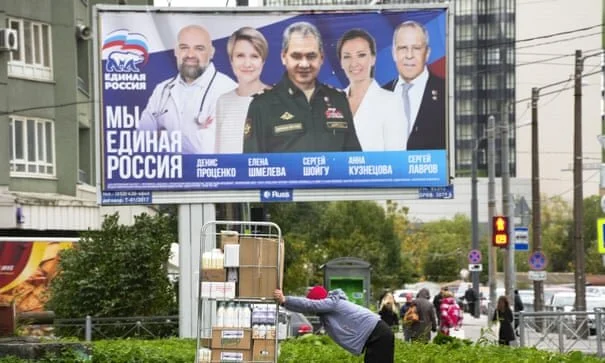
A store worker rolls a cart with groceries past election posters depicting candidates for the State Duma, the lower house of the Russian parliament. Photograph: Dmitri Lovetsky/AP

A store worker rolls a cart with groceries past election posters depicting candidates for the State Duma, the lower house of the Russian parliament. Photograph: Dmitri Lovetsky/AP

Russians will head to the polls beginning Friday for parliamentary elections that could serve as a platform for popular anger over the economy, a crackdown on dissent and the government response to the coronavirus pandemic. But the ruling party United Russia is likely to find a way to maintain a stranglehold on its control of the State Duma.

While stifling political opposition and independent media, the Kremlin is trying to solve a simple maths problem: how can it prop up the numbers of United Russia, which is polling at near-historic lows, without provoking the kind of protests that broke out over widespread incidents of crude voter fraud in 2011.

Before the vote, which will be held over three days, there has been increasing support for the Communist party, while other opposition behind Alexei Navalny, the jailed Kremlin critic, has sought to consolidate through a “smart voting” effort that mainly identified Communist candidates as the strongest challengers.

“There are a lot of people who are unhappy,” said Anastasia Bryukhanova, an independent candidate from one of the country’s most opposition-minded districts in north-west Moscow. “The biggest problem remains a lack of belief in our own power, a lack of belief in the elections themselves. The biggest battle is to get people out to the polling station and at least try to resist.”

Russia’s Communist party has seen its polling rise above 19% in recent weeks, in large part because of stagnant wages and rising prices. It has also sought to broaden its appeal, bringing in younger candidates from the party’s youth wing or running outsiders in first past the post (FPTP) votes in local districts.

But the party has often aligned itself with United Russia and is still led by the same leader, Gennady Zyuganov, who ran against Boris Yeltsin in 1996. While it did oppose Vladimir Putin’s proposal to renew his presidential terms during last year’s constitutional referendum, it has often been derided as a “pocket opposition”.

“Many people say that, in their view, the leadership of the Communist party often compromises … they don’t trust them,” said Mikhail Lobanov, a candidate for the party in a district in western Moscow, in a television interview this week. “I think that the Communist party and its leadership should change: it should become more radical, more decisive. Not give in to pressure. And then it can return the support of people who have turned away from it.”

United Russia, meanwhile, has seen its support bottom out, with fewer than 30% of Russians telling state pollsters that they would vote for the ruling party. To maintain its current constitutional majority (it has 336 of 450 MPs in the current Duma), the party will rely on winning FPTP districts, an elections format that has been expanded in recent years to 225 of the Duma’s 450 open seats.

In Moscow, United Russia has put up candidates from popular grassroots initiatives, like the search-and-rescue nonprofit Liza Alert, to attract votes. Putin also signed off on cash handouts to families and members of the military ahead of the vote, and local governments are offering prizes such as new apartments, cars and gift certificates to those who sign up to vote online.

Top opponents of the government have been jailed, disqualified or run out of the country, including Dmitry Gudkov, a former member of the Duma. It has also sought to divide the opposition vote, in some cases running doppelgangers who can siphon off precious ballots in tight races. Two opponents of Boris Vishnevsky, a veteran St Petersburg lawmaker critical of the Kremlin, even changed their names and appearances to fool voters on the ballot. “I have never seen anything like it,” he said in an interview.

Past votes, particularly in 2011, have been marred by ballot-stuffing and other crude efforts to deliver not just a United Russia victory, but a landslide for the ruling party. The biggest change to this year’s vote is that it will take place over three days and also online, maximising turnout and making it extremely difficult to confirm that the number of ballots matches the number of voters. Golos, an elections NGO that has been named a foreign agent by the Russian government, has said just 50% of the country’s precincts will have independent monitors.

When all else fails, United Russia will hope for opposition infighting to divide the protest vote and deliver victory to a friendly candidate.

Bryukhanova, a rare independent on the ballot in Russia, was recently backed by Navalny’s smart voting scheme, snubbing another liberal candidate from the established, if somewhat ineffective, Yabloko party.

“I consider the decision in our district a big mistake,” wrote Marina Litvinovich, her opponent. “But it would be wrong to decide for [voters]. If you wanted to support ‘smart voting’, then vote for the candidate it suggests. If you want to support me, then vote as your heart tells you.”

Those who do make it through will find themselves outmatched in the Duma. But Bryukhanova said it was worth it. “First of all, it is about symbolism. To show that it is possible. To show that a politician like me with my views … can win in these elections, even with all their violations.”

'Tipping point’ for climate action: Time’s running out to avoid catastrophic heating

According to the landmark United in Science 2021, there “is no sign of growing back greener”, as carbon dioxide emissions are rapidly accelerating, after a temporary blip in 2020 due to COVID, and nowhere close to the targets set by the Paris Agreement.

 “We have reached a tipping point on the need for climate action. The disruption to our climate and our planet is already worse than we thought, and it is moving faster than predicted”, UN Secretary General António Guterres underscored in a video message. “This report shows just how far off course we are”, he added.

A world in danger

Unsplash/Mikhail Serdyukov I Climate change increases the risk of hot, dry weather that is likely to fuel wildfires.

Unsplash/Mikhail Serdyukov I Climate change increases the risk of hot, dry weather that is likely to fuel wildfires.

According to scientists, the rising global temperatures are already fueling devastating extreme weather events around the world, with escalating impacts on economies and societies. For example, billions of working hours have been lost due to excessive heat.

“We now have five times the number of recorded weather disasters than we had in 1970 and they are seven times more costly. Even the most developed countries have become vulnerable”, said the UN chief.

Mr. Guterres cited how Hurricane Ida recently cut power to over a million people in New Orleans, and New York City was paralysed by record-breaking rain that killed at least 50 people in the region.

“These events would have been impossible without human-caused climate change. Costly fires, floods and extreme weather events are increasing everywhere. These changes are just the beginning of worse to come”, he warned.


A bleak future

The report echoes some of the data and warnings from experts in the last year: the average global temperature for the past five years was among the highest on record, and there is an increasing likelihood that temperatures will temporarily breach the threshold of 1.5° Celsius above the pre-industrial era, in the next five years.

The picture painted by United in Science is bleak: even with ambitious action to slow greenhouse gas emissions, sea levels will continue to rise and threaten low-lying islands and coastal populations throughout the world.

“We really are out of time. We must act now to prevent further irreversible damage. COP26 this November must mark that turning point. By then we need all countries to commit to achieve net zero emissions by the middle of this century and to present clear, credible long-term strategies to get there”, urged the UN chief.

UNU-EHS/Tanmay Chakraborty I Cyclone Amphan, struck the border region of India and Bangladesh in May 2020 causing widespread destruction.

UNU-EHS/Tanmay Chakraborty I Cyclone Amphan, struck the border region of India and Bangladesh in May 2020 causing widespread destruction.

The 2021 United Nations Climate Change Conference, also known as COP26, is scheduled to be held in the city of Glasgow, Scotland between 31 October and 12 November 2021. The pivotal meeting is expected to set the course of climate action for the next decade.

“We must urgently secure a breakthrough on adaptation and resilience, so that vulnerable communities can manage these growing (climate) risks…I expect all these issues to be addressed and resolved at COP26. Our future is at stake”, Mr. Guterres emphasized.

“We are not yet on track towards the Paris 1.5 to 2 degrees’ limit, although positive things have started to happen and the political interest to mitigate climate change is clearly growing but to be successful in this effort, we have to start acting now. We cannot wait for decades to act, we have to start acting already in this decade”, added Prof. Petteri Taalas, World Meteorological Organization’s secretary general.

The report also cites the conclusions of the most recent IPCC report: the scale of recent changes across the climate system are unprecedented over many centuries to many thousands of years, and it is unequivocal that human influence has warmed the atmosphere, ocean and land.

Notable findings

Concentrations of the major greenhouse gases – carbon dioxide (CO2), methane (CH4) and nitrous oxide (N2 O) continued to increase in 2020 and the first half of 2021.

According to WMO, reducing atmospheric methane (CH4) in the short term, could support the pledges of 193 Member States made in Paris. This measure does not reduce the need for strong, rapid and sustained reductions in CO2 and other greenhouse gases.

Meanwhile, the UN Environment Program (UNEP), warns that five years after the adoption of the Paris Agreement, the emissions gap (the difference between where emissions are heading and where science indicate they should be in 2030) is as large as ever.

Unsplash/Maxim Tolchinskiy I Air pollution from power plants contributes to global warming.

Unsplash/Maxim Tolchinskiy I Air pollution from power plants contributes to global warming.

Although the increasing number of countries committing to net-zero emission goals is encouraging, to remain feasible and credible, these goals urgently need to be reflected in near-term policy and in significantly more ambitious actions, the agency highlights.

“Last year, we estimated that there was 5.6 per cent drop in emissions and since the lifetime of carbon dioxide is so long, this one year anomaly in emissions doesn't change the big picture. We saw some improvements in air quality, these short-lived gases, which are affecting air quality. We saw positive evolution there. But now we have returned more or less back to the 2019 emission levels", further explained the WMO chief.

Although the increasing number of countries committing to net-zero emission goals is encouraging, to remain feasible and credible, these goals urgently need to be reflected in near-term policy and in significantly more ambitious actions, the agency highlights.

“Last year, we estimated that there was 5.6 per cent drop in emissions and since the lifetime of carbon dioxide is so long, this one year anomaly in emissions doesn't change the big picture. We saw some improvements in air quality, these short-lived gases, which are affecting air quality. We saw positive evolution there. But now we have returned more or less back to the 2019 emission levels", further explained the WMO chief.

A warmer future

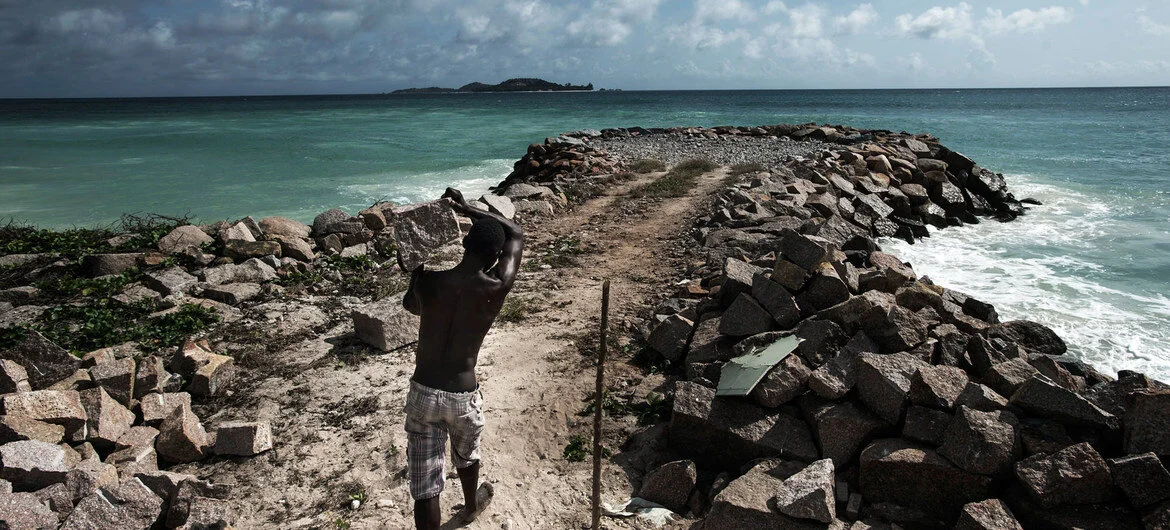
NOOR/Kadir van Lohuizen I In Seychelles, efforts are undertaken to improve coastal protection from flooding caused by storms and a rise in sea level due to climate change.

NOOR/Kadir van Lohuizen I In Seychelles, efforts are undertaken to improve coastal protection from flooding caused by storms and a rise in sea level due to climate change.

The report explains that the annual global average temperature is likely to be at least 1 °C warmer than pre-industrial levels (defined as the 1850–1900 average) in each of the coming five years and is very likely to be within the range of 0.9 °C to 1.8 °C.

There is also a 40% chance that the average temperature in one of the next five years, will be at least 1.5 °C warmer than pre-industrial levels. However, it is very unlikely that the 5-year average temperature for 2021–2025 will pass the 1.5 °C threshold.

High latitude regions, and the Sahel, are likely to be wetter in the next five years, the report also warns.

Sea level rise is inevitable

"We don't know what's going to happen to the Antarctic glacier, where we have the biggest mass of ice worldwide and in the worst case, we could see up to two meters of sea level rise by the end of this century if the melting of the Antarctic glacier happens in a speedier manner”, cautioned Prof. Taalas.

Global sea levels rose 20 cm from 1900 to 2018, and at an accelerated rate from 2006 to 2018.

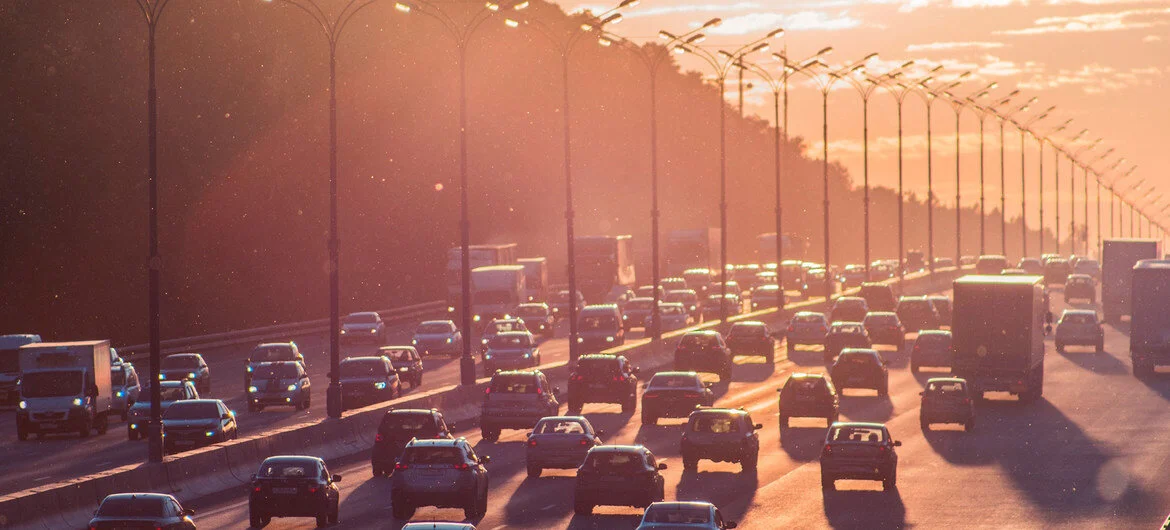
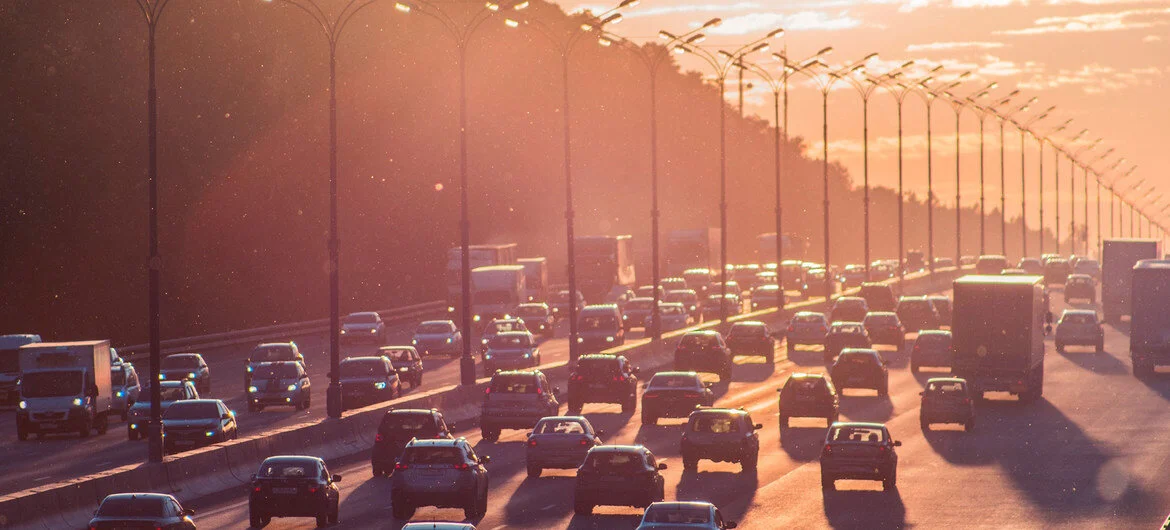
Unsplash/Alexander Popov I Transport is a huge driver of air pollution.

Unsplash/Alexander Popov I Transport is a huge driver of air pollution.

Even if emissions are reduced to limit warming to well below 2 °C, the global average sea level would likely rise by 0.3–0.6 m by 2100 and could rise 0.3–3.1 m by 2300.

Adaptation to the rise will be essential, especially along low-lying coasts, small islands, deltas and coastal cities, explains WMO.

World’s health also at risk

The World Health Organization (WHO) warns that rising temperatures are linked to increased heat-related mortality and work impairment, with an excess of 103 billion potential work hours lost globally in 2019 compared with those lost in 2000.

Moreover, COVID-19 infections and climate hazards such as heatwaves, wildfires and poor air quality, combine to threaten human health worldwide, putting vulnerable populations at particular risk.

According to the UN health agency, the COVID-19 recovery efforts should be aligned with national climate change and air quality strategies to reduce risks from cascading climate hazards, and gain health co-benefits.

“We had this temperature anomaly in western Canada and the United States, where we were up to 15 degrees warmer temperatures than normally. And that led to a record breaking, forest fires and major health problems, especially amongst elderly people”, highlighted WMO Secretary General.

The United in Science 2021 report, the third in a series, is coordinated by the World Meteorological Organization (WMO), with input from the UN Environment Programme (UNEP), the World Health Organization (WHO), the Intergovernmental Panel on Climate Change (IPCC), the Global Carbon Project (GCP), the World Climate Research Programme (WCRP) and the Met Office (UK). It presents the very latest scientific data and findings related to climate change to inform global policy and action.

#DoNotTouchMyClothes: Afghan women’s social media protest against Taliban

Stefanie Glinski in Kabul

Women around the world are sharing pictures of themselves in traditional colourful clothes in a campaign against the new strict dress code for female students

Sara Wahedi, Peymana Assad, and Sana Safi who are among the many women posting images of themselves in colourful traditional Afghan clothing on social media. Photograph: Twitter

Sara Wahedi, Peymana Assad, and Sana Safi who are among the many women posting images of themselves in colourful traditional Afghan clothing on social media. Photograph: Twitter

After street demonstrations across major cities in Afghanistan, women have now taken to social media to protest against the Taliban’s hardline policies towards them.

An online campaign has seen Afghan women around the world share photos of themselves wearing traditional colourful clothes, using the hashtag #DoNotTouchMyClothes.

The protest is a response to a sit-down demonstration orchestrated by the Taliban at Kabul University, where about 300 women appeared in all-black garments covering their faces, hands and feet – the sort of dress previously never seen across the country.

Waving Taliban flags, the women said they supported the militants who have announced that women would not be allowed to hold high-ranking government positions and that schools and universities needed to be gender-segregated.

Since the Taliban took the capital Kabul, it has set up an all-male interim government with just a handful of Tajik and Uzbek representatives and no member of the ethnic Hazara minority.

The ministry of women’s affairs is not part of the new regime, which has brought back the ministry for the propagation of virtue and the prevention of vice, ensuring that sharia law is implemented throughout the country.

Many Afghan women, especially in urban centres, fear that their hard-gained freedoms might be limited, remembering the 1996 to 2001 Taliban regime that saw women largely confined to their homes.

Dr Bahar Jalali, an Afghan historian and gender studies expert, posted the first photo using the #DoNotTouchMyClothes hashtag, which has since inspired Afghan women across the globe.

Peymana Assad, the first person of Afghan origin to be elected to public office in the UK, posted a photo of herself in colourful garments and tweeted: “This is Afghan culture. My traditional dress.”

This is Afghan culture. My traditional dress #AfghanWomen

Thank you to Dr @RoxanaBahar1 for the inspiration.

Our cultural attire is not the dementor outfits the Taliban have women wearing. pic.twitter.com/i9wFASfWR6

— Peymana Assad 🏔 (@Peymasad) September 12, 2021

The BBC’s Sana Safi, posting a similar photo, wrote: “So how do Afghan women dress then? This is how. If I was in Afghanistan then I would have the scarf on my head. This is as ‘conservative’ and ‘traditional’ as I/you can get.”

Musician Ariana Delawari shared a photo of her mother “with me in her belly”, she wrote, wearing traditional dresses and no headscarves decades ago in Afghanistan.

My mom (with me in her belly), my khalas, and my sisters in Afghanistan dresses 🇦🇫🏔 #donottouchmyclothes #afghanistanwomen #AfghanistanCulture pic.twitter.com/P7i9bb0Em7

— ariana delawari (@arianadelawari) September 13, 2021

Despite the Taliban’s announcement that further protests would only be allowed if approved by the ministry of justice, women in Kabul have pledged to continue their demonstrations.

Samira, a Kabul University student, said that this was her only way forward. “The Taliban is already starting to limit women’s freedoms,” she said. “I have nothing to lose. I will either be locked inside my house, unable to continue my education, or I can fight. Even if I risk my life, even if they kill me, it’s better than being silenced.”

Drought puts 2.1 million Kenyans at risk of starvation

Peter Muiruri in Nairobi

National disaster declared as crops fail after poor rains and locusts, while ethnic conflicts add to crisis

A man crosses arid land in western Turkana, one of 23 counties in Kenya facing an urgent need for food due to poor rains. Photograph: David Bathgate/Corbis/Getty Images

A man crosses arid land in western Turkana, one of 23 counties in Kenya facing an urgent need for food due to poor rains. Photograph: David Bathgate/Corbis/Getty Images

An estimated 2.1 million Kenyans face starvation due to a drought in half the country, which is affecting harvests.

The National Drought Management Authority (NDMA) said people living in 23 counties across the arid north, northeastern and coastal parts of the country will be in “urgent need” of food aid over the next six months, after poor rains between March and May this year.

The crisis has been compounded by Covid-19 and previous poor rains, it said, predicting the situation will get worse by the end of the year, as October to December rains are expected to be below normal levels.

The affected regions are usually the most food-insecure in Kenya due to high levels of poverty.

Last week, President Uhuru Kenyatta declared the drought a national disaster promising “comprehensive drought mitigation measures”.

In July, the UN Food and Agriculture Organization in Kenya said the country needed 9.4bn Kenyan shillings (£62m) to mitigate the effects of the drought between July and November.

Asha Mohammed, secretary general of the Kenya Red Cross, said most of the affected counties had already had to deal with desert locust invasions, flash floods and tribal conflicts driven by diminishing resources.

“You have two seasons of depressed rains, desert locusts ravaging farmlands in the same counties and people fighting over the few resources available. That is the making of a disaster,” said Mohammed.

She said it was not only farmers who had been affected by the drought, but also people in urban areas who had been forced to pay higher prices for the little available food. “There is some food reaching the urban areas within these counties but there is little purchasing power because many have lost their jobs as a result of the pandemic,” she said.

The coronavirus pandemic has added to food insecurity by reducing available workforce in a country whose subsistence farming relies heavily on communal labour.

A child tries to chase away a swarm of desert locusts near the town of Rumuruti, Laikipia, Kenya, January 2021. Photograph: Baz Ratner/Reuters

A child tries to chase away a swarm of desert locusts near the town of Rumuruti, Laikipia, Kenya, January 2021. Photograph: Baz Ratner/Reuters

The NDMA said social distancing measures had “restricted the communal performance of agricultural activities and availability of casual labour opportunities, reducing the amount of land cultivated and projected crop production”. The disruption of supplies of staple food items and livestock has led to increased price volatility, it added.

Production of maize, Kenya’s staple food, is projected to decline by 50% in the affected regions due to low acreage under cultivation, while some areas will see total crop failure. Poor harvests have also affected those farming crops with short maturity cycles, such as vegetables.

Thomas Waita, from Kathatu village, in eastern Kenya, does not expect to harvest many tomatoes from his half-acre farm this year. Poor rains and dwindling water levels from a shallow well have seen the size of tomatoes shrink and a good portion of the crop damaged by blossom end rot, brought on by insufficient calcium intake.

For the father of two, a poor harvest means little money in the pocket and poor nutrition for his young family. “The tomatoes are ripening but didn’t get enough water. With drip irrigation, I can only afford to water them twice a week rather than daily. They will not fetch good prices at the market,” said Waita.

Waita counts himself among the fortunate ones because he at least had some water for his crops. Lack of water has seen maize planted in neighbouring farms wilt and die after hardly reaching knee height. Many farmers, he said, use irrigation methods that require a regular flow of water and, with rivers drying up, it is a matter of time before his fellow villagers become part of drought statistics.

“We are told it’s because of climate change. In the past, we used to have many trees here but most have been cut down for firewood and charcoal. [Scientists] tell us such fuels are contributing to global warming and changing rainfall patterns,” said Waita.

Mohammed said it is time the country thinks of medium and long-term interventions to mitigate the climate crisis and break the cycle of food insecurity.

“It’s clear this is going to get worse,” she said. “We have all the data to help these communities become more resilient and bounce back.”

Four in 10 young people fear having children due to climate crisis


Fiona Harvey Environment correspondent

Global survey finds most 16-25-year-olds worry a lot about the future, and many feel failed by governments

A Sunrise Movement demonstration in Washington DC last June seeking more action from the Biden administration on the climate crisis. Photograph: Allison Bailey/Rex/Shutterstock

A Sunrise Movement demonstration in Washington DC last June seeking more action from the Biden administration on the climate crisis. Photograph: Allison Bailey/Rex/Shutterstock

Four in 10 young people around the world are hesitant to have children as a result of the climate crisis, and fear that governments are doing too little to prevent climate catastrophe, a poll in 10 countries has found.

Nearly six in 10 young people, aged 16 to 25, were very or extremely worried about climate change, according to the biggest scientific study yet on climate anxiety and young people, published on Tuesday. A similar number said governments were not protecting them, the planet, or future generations, and felt betrayed by the older generation and governments.

Three-quarters agreed with the statement “the future is frightening”, and more than half felt they would have fewer opportunities than their parents. Nearly half reported feeling distressed or anxious about the climate in a way that was affecting their daily lives and functioning.

The poll of about 10,000 young people covered Australia, Brazil, Finland, France, India, Nigeria, the Philippines, Portugal, the UK and the US. It was paid for by the campaigning organisation Avaaz.

Young climate activists said feelings of anxiety over the climate were now widespread among today’s youth. Mitzi Tan, 23, from the Philippines, said: “I grew up being afraid of drowning in my own bedroom. Society tells me that this anxiety is an irrational fear that needs to be overcome, one that meditation and healthy coping mechanisms will ‘fix’.” At its root, our climate anxiety comes from this deep-set feeling of betrayal because of government inaction. To truly address our growing climate anxiety, we need justice.”

It is now common for young people to worry about having children, according to Luisa Neubauer, a 25-year-old climate activist, who is co-organiser of the school strike movement in Germany and helped achieve the court victory that has forced the German government to re-evaluate its climate policies.

She said: “I meet a lot of young girls, who ask whether it’s still OK to have children. It’s a simple question, yet it tells so much about the climate reality we are living in. We young people realised that just worrying about the climate crisis won’t stop it. So we turned our individual anxiety into collective action. And now, we are fighting everywhere: on the streets, at the courts, in and outside institutions across the globe. Yet governments are still failing us, as emissions are rising to record levels. The appropriate answer to this study would be governments to start acting like they promised they would.”

Earlier this month, Unicef found that children and young people around the world were bearing the brunt of the climate crisis, with 1 billion children at “extreme risk” from the impacts of climate breakdown.

The study, entitled Young People’s Voices on Climate Anxiety, Government Betrayal and Moral Injury: A Global Phenomenon, has been released on a pre-publication basis, while it is under the peer review process, by the scientific journal Lancet Planetary Health. The survey was conducted and analysed by seven academic institutions in the UK, Europe and the US, including the University of Bath, the University of East Anglia, and the Oxford Health NHS Foundation Trust.

The poll adds to previous surveys, which have also found high levels of anxiety about the climate crisis around the world, including fears about having children.

Caroline Hickman, from the University of Bath, Climate Psychology Alliance and co-lead author on the study, said: “This study paints a horrific picture of widespread climate anxiety in our children and young people. It suggests for the first time that high levels of psychological distress in youth is linked to government inaction. Our children’s anxiety is a completely rational reaction given the inadequate responses to climate change they are seeing from governments. What more do governments need to hear to take action?”

Francois Hollande, who was president of France when the Paris agreement was forged in 2015, urged governments meeting in November in Glasgow for the Cop26 UN climate summit to take note. “Six years after the Paris agreement, we must open our eyes to the violence of climate change, to its impact on our planet, but also to the mental health of our youth, as this alarming study shows. We must act urgently and do everything we can to give younger generations a future,” he said.

Sacrifice of 9/11 first responders an example of humanity and compassion, UN chief

UN NEWS
Peace and Security

Twenty years to the day since the terror attack that brought down the iconic Twin Towers of the World Trade Center in New York City, UN Secretary-General António Guterres has paid tribute to the first responders who ran into the buildings to save lives

© Eric Ganz The Tribute in Light has become an iconic part of the 9/11 remembrance.

© Eric Ganz The Tribute in Light has become an iconic part of the 9/11 remembrance.

Almost 3,000 people died in the attacks on 11 September 2001, which saw four planes hijacked by members of the Al-Qaeda terror group fly into US targets, including the two skyscrapers in Manhattan’s Financial District.

Memorial ceremonies were held across the United States on Saturday, including the three sites of the attacks: a plane was also flown into the Pentagon, the headquarters of the US Military, and another crashed into a field in Pennyslvania, after passengers wrested back control from the hijackers.

More than 400 first responders were killed in New York that day, the majority of them firefighters. In a statement, Mr. Guterres honoured those who put themselves in harm’s way when they headed towards the burning Twin Towers, “with many making the ultimate sacrifice, exemplifying the very humanity and compassion that terrorism seeks to erase”.

Describing the day as one “seared in the minds of millions of people around the world”, Mr. Guterres recalled that the thousands of victims, and thousands more injured in the “cowardly and heinous" acts of violence came from some 90 countries.

Paying tribute to the survivors who, he said, have had to overcome physical and emotional scars to get on with their lives, Mr. Guterres pledged the UN’s continued solidarity with the people of New York City, the United States of America, as well as all victims of terrorism everywhere around the world.

Mr. Guterres also recalled the solidarity, unity and resolve expressed 20 years ago by the international community. The then Secretary-General, Kofi Annan, condemned the attacks on the day they happened, stressing that no just cause can be advanced by terror, and the members of the Security Council unanimously called on all countries to work together to bring the perpetrators to justice.

World’s biggest machine capturing carbon from air turned on in Iceland

Agence France-Presse

Operators say the Orca plant can suck 4,000 tonnes of CO2 out of the air every year and inject it deep into the ground to be mineralised

A worker on a CarbFix carbon injection well in Iceland in 2017. The company is involved in the new Orca plant designed to draw carbon dioxide out of the air and store it as rock. Photograph: Christian Science Monitor/Getty Images

A worker on a CarbFix carbon injection well in Iceland in 2017. The company is involved in the new Orca plant designed to draw carbon dioxide out of the air and store it as rock. Photograph: Christian Science Monitor/Getty Images

The world’s largest plant designed to suck carbon dioxide out of the air and turn it into rock has started running, the companies behind the project said on Wednesday.

The plant, named Orca after the Icelandic word “orka” meaning “energy”, consists of four units, each made up of two metal boxes that look like shipping containers.

Constructed by Switzerland’s Climeworks and Iceland’s Carbfix, when operating at capacity the plant will draw 4,000 tonnes of carbon dioxide out of the air every year, according to the companies.

According to the US Environmental Protection Agency, that equates to the emissions from about 870 cars. The plant cost between US$10 and 15m to build, Bloomberg reported.

To collect the carbon dioxide, the plant uses fans to draw air into a collector, which has a filter material inside.

Once the filter material is filled with CO2, the collector is closed and the temperature is raised to release the CO2 from the material, after which the highly concentrated gas can be collected.

The CO2 is then mixed with the water before being injected at a depth of 1,000 metres into the nearby basalt rock where it is mineralised.

Proponents of so-called carbon capture and storage believe these technologies can become a major tool in the fight against climate change.

Critics however argue that the technology is still prohibitively expensive and might take decades to operate at scale.

Climate action: Guterres hails Latin American and Caribbean leadership

UN NEWS
CLIMATE AND ENVIRONMENT

The UN chief on Wednesday commended the leadership of the countries of Latin America and the Caribbean on climate action.

UNDP I Restoring natural habitats as pictured here in Cuba will help to slow down climate change

UNDP I Restoring natural habitats as pictured here in Cuba will help to slow down climate change

Secretary-General António Guterres said he was counting on these nations to send a strong signal to the 26th UN Climate Change Conference (COP26) that it is possible to achieve a resilient net zero future. 

He was speaking at the High-Level Dialogue on Climate Action in the Americas, hosted by the Government of Argentina. The one-day virtual event brought together countries in the Americas to discuss their shared commitment to enhancing climate ambition. 

Glasgow in the United Kingdom will host the international climate meeting COP26, by Unsplash/Adam Marikar

The event is taking place less than two months before COP26, which will be held October 31 to November 12 in Scotland’s largest city, Glasgow. 

“We need to act together to overcome the current impasse”, said Mr. Guterres, adding that countries in the region were already showing their ambition in reducing greenhouse gas emissions and adapting to climatic change, even as they grapple with the social and economic effects of the COVID-19 pandemic. 

He also pledged “the full support of the United Nations system to address the triple threat of COVID-19, climate change and debt.” 

Glasgow in the United Kingdom will host the international climate meeting COP26, by UNsplashI Adam Marika

Glasgow in the United Kingdom will host the international climate meeting COP26, by UNsplashI Adam Marika

Priorities 

Mr. Guterres highlighted three essential areas that need immediate action. 

First, keep the 1.5 degrees Celsius above pre-industrial levels target within reach. According to him, at present, the world is “a long way from achieving it”. 

He shared some examples of how that can be accomplished, such as achieving net zero emissions by 2050 and phasing out the use of coal no later than 2030 for Organization for Economic Cooperation and Development (OECD) countries, and by 2040 for all others. 

The UN Chief also said that “a just transition means ensuring that workers in high-carbon and fossil fuel-related sectors have decent alternative options, are supported for retraining, and have social safety nets.” 

Adaptation and resilience 

Second, Mr. Guterres asked for a breakthrough on adaptation and resilience. 

He called on donors and multilateral development banks to allocate at least 50 per cent of their climate finance to this end. Currently, only 21 per cent is devoted to it. 

Developing countries already need around $70 billion dollars a year to adapt to these changes. That figure could more than quadruple by the end of this decade. 

And lastly, the Secretary-General said developed nations must deliver on the solidarity agenda. 

That means support to developing countries on vaccines, debt and liquidity, as well as climate finance,” he said. 

To achieve that goal, Mr. Guterres argued the world needs “a credible plan” for delivering on the $100 billion dollar commitment made over a decade ago, and multilateral development banks have to align their portfolios with the 1.5 degrees goal. 

Event 

The opening of the high-level event also featured remarks from US Special Presidential Envoy for Climate, John Kerry, along with Latin American and Caribbean heads of state. 

The event included interventions from governments, the private and financial sectors, development banks, academia, and civil society organizations.  

Panel discussions were held on topics such as enhancing climate ambition on the road to Glasgow, accelerating climate action through regional cooperation, and strengthening adaptation and resilience to the impacts of climate change. 

From locusts to cyclones: the human cost of interlinked disasters

UN NEWS
CLIMATE AND ENVIRONMENT

The huge locust swarm which hit the Horn of Africa in the Spring of 2020, and Cyclone Amphan, which struck the border region of India and Bangladesh in May that year, might not seem, on the face of it, to be connected, but a rport released on Wednesday by UN University, the academic and research arm of the UN, shows that there were connected underlying causes: greenhouse gas emissions from human activity, which are affecting the environment in unpredictable ways, and a lack of sufficient disaster risk management.

Both disasters took place in 2020, with the world in the grip of the COVID-19 pandemic, which meant that the effectiveness of the response to both disasters was reduced, with movement restricted for both humanitarians and victims, who also found themselves more financially vulnerable.

Two of the people directly affected have shared their stories with the UN: Susan Mumbi Karanja, a farmer from Nyandarua County, Kenya, and Sudhansu Shekhar Maity, who sells stationery in the Indian city of Kolkata.

Surviving a swarm of biblical proportions

“My name is Susan Mumbi Karanja. I live in a village called Karima, Nyandarua County. I am a farmer, and I have six children.

When the locusts came in March 2020, we saw them coming from the hills. There were so many. They attacked all the food: the cabbages, carrots, potatoes, everything that was on the farm. When they came you could not even see the sun. It would get dark. You could not go to work, the cows could not even eat.

We had heard about the swarm on TV, but we did not think that it would reach us. When it came, the government sent people here, and they sprayed chemicals at the locusts, even where there was food.

We saw that when the chemicals were sprayed some locusts died and others just slept and waited for the sun to rise again. They ate much of the food, which was also destroyed by the chemicals.

When the swarm left there was no food to eat, and none to sell. The cows did not produce milk because there was nothing for them to eat: locusts were everywhere, even in the grass. We couldn’t even eat the locusts, because they had been sprayed with chemicals.

The only thing that can be done is for the government to find out where the locusts are coming from, so they can contain them or burn them. During the swarm, they even sent a helicopter to get rid of them, but it failed and left.

We are wondering what we can do. There can be no planning because of the threat of locusts; it is only the government that can help.”

‘It sounded like a bombardment’: surviving Amphan

“I am Sudhansu Shekhar Maity, and I am from Ramganga village in West Bengal.

Because of the COVID-19 pandemic and subsequent lockdown measures, I had to leave my job in Kolkata in March 2020 and return to my village, where I stayed for six months.

Based on news from different media, there was a sense of terror about the virus spread, and we were scared to step outside.

Obviously, I have faced a major financial crisis. If we stay at home days after days and cannot go to work, how are we going to generate income?

During Cyclone Amphan, we could clearly see the sea from my house, and the water hitting the boundaries was horrific, with 20-25 foot waves. The moment the cyclone started coming closer, we could hear the disturbing noise of heavy wind hitting the windows. It sounded like a bombardment. The river started overflowing and water began entering into the village.

People started running, along with their livestock, such as cows, buffaloes and goats, to save themselves. Most people took shelter in hotels.

UNU-EHS/Tanmay Chakraborty // Cyclone Amphan, struck the border region of India and Bangladesh in May 2020 causing widespread destruction.

UNU-EHS/Tanmay Chakraborty // Cyclone Amphan, struck the border region of India and Bangladesh in May 2020 causing widespread destruction.

When the cyclone passed, I stepped out of my house and all I could see was water: most of the houses were underwater, and the mud-built homes had disintegrated.

Ponds are the most reliable source of water in village areas, we farm fish in these ponds, which is good enough for our yearly consumption. Because of the floods, the ponds were filled by saltwater, and all of the fish died.

All the crops were destroyed due to the cyclone and the flooding. The betel leaf farmers faced the most terrible times due the cyclone: they farm on the baked mud roofs of their homes, and these were all destroyed.

Right after the cyclone, the first thing I could think of was the food and the drinking water. And how we are going to live our life? All our ponds and lands were destroyed. No vegetables and groceries, no connectivity, no electricity, all the roads were blocked and there was no access to the nearest health care centres. With the shortage of drinking water, we had to stand in a long queue to get the well water: there is one well for about 50-60 families.

We have faced really hard times and my savings have been spent during the lockdown. I am still trying to recover from the situation. Around 12,000 families live in our village and most of them have suffered.”

Blue sky thinking: 5 things to know about air pollution

UN NEWS

Around 90 per cent of people go through their daily lives breathing harmful polluted air, which has been described by the United Nations as the most important health issue of our time. To mark the first International Day of Clean Air for blue skies, on 7 September, UN News explains how bad it is and what is being done to tackle it.

1) Air pollution kills millions and harms the environment

Unsplash/Alexander Popov/Transport is a huge driver of air pollution.

Unsplash/Alexander Popov/Transport is a huge driver of air pollution.

It may have dropped from the top of news headlines in recent months, but air pollution remains a lethal danger to many: it precipitates conditions including heart disease, lung disease, lung cancer and strokes, and is estimated to cause one in nine of all premature deaths, around seven million every year.

Air pollution is also harming also harms our natural environment. It decreases the oxygen supply in our oceans, makes it harder for plants to grow, and contributes to climate change.

Yet, despite the damage it causes, there are worrying signs that air pollution is not seen as a priority in many countries: in the first ever assessment of air quality laws, released on 2 September by the UN Environment Programme (UNEP), it was revealed that around 43 per cent of countries lack a legal definition for air pollution, and almost a third of them have yet to adopt legally mandated outdoor air quality standards.

2) The main causes

WHO / Andrew Esiebo / Panos Pictures A 54-year-old Nigerian man with type 2 diabetes had to have his right foot amputated.

WHO / Andrew Esiebo / Panos Pictures
A 54-year-old Nigerian man with type 2 diabetes had to have his right foot amputated.

Five types of human activity are responsible for most air pollution: agriculture, transport, industry, waste and households.

Agricultural processes and livestock produce methane, an extremely powerful greenhouse gas, and a cause of asthma and other respiratory illnesses. Methane is also a by-product of waste burning, which emits other polluting toxins, which end up entering the food chain. Meanwhile industries release large amounts of carbon monoxide, hydrocarbons, particulate matter and chemicals.

Transport continues to be responsible for the premature deaths of hundreds of thousands of people, despite the global phase out of dangerous leaded fuel at the end of August. This milestone was lauded by senior UN officials, including the Secretary-General, who said that it would prevent around one million premature deaths each year. However, vehicles continue to spew fine particulate matter, ozone, black carbon and nitrogen dioxide into the atmosphere; it’s estimated that treating health conditions caused by air pollution costs approximately $1 trillion per year globally.

Whilst it may not come as a great shock to learn that these activities are harmful to health and the environment, some people may be surprised to hear that households are responsible for around 4.3 million deaths each year. This is because many households burn open fires and use inefficient stoves inside homes, belching out toxic particulate matter, carbon monoxide, lead and mercury.

3) This is an urgent issue

ADB/Zen Nuntawinyu //Using sustainable and clean energy sources, like this wind farm in Thailand, reduces air pollution.

ADB/Zen Nuntawinyu //Using sustainable and clean energy sources, like this wind farm in Thailand, reduces air pollution.

The reason that the UN is ringing alarm bells about this issue now, is that the evidence of the effects of air pollution on humans is mounting. In recent years exposure to air pollution has been found to contribute to an increased risk of diabetes, dementia, impaired cognitive development and lower intelligence levels.

On top of this, we have known for years that it is linked to cardiovascular and respiratory disease.

Concern about this type of pollution dovetails with increased global action to tackle the climate crisis: this is an environmental issue as well as a health issue, and actions to clean up the skies would go a long way to reducing global warming. Other harmful environmental effects include depleted soil and waterways, endangered freshwater sources and lower crop yields.

4) Improving air quality is a responsibility of government and private sector

Unsplash/Jo-Anne McArthur // Eating less meat and more plant-based foods can help to reduce air pollution.

Unsplash/Jo-Anne McArthur // Eating less meat and more plant-based foods can help to reduce air pollution.

On International Day of Clean Air for blue skies, the UN is calling on governments to do more to cut air pollution and improve air quality.

Specific actions they could take include implementing integrated air quality and climate change policies; phasing out petrol and diesel cars; and committing to reduce emissions from the waste sector.

Businesses can also make a difference, by pledging to reduce and eventually eliminate waste; switching to low-emission or electric vehicles for their transport fleets; and find ways to cut emissions of air pollutants from their facilities and supply chains.

5)…and it is our responsibility, as well

At an individual level, as the harmful cost of household activities shows, a lot can be achieved if we change our behaviour.

Simple actions can include using public transportation, cycling or walking; reducing household waste and composting; eating less meat by switching to a plant-based diet; and conserving energy.

The Website for the International Day contains more ideas of actions that we can take, and how we can encourage our communities and cities to make changes that would contribute to cleaner skies: these include organizing tree-planting activities, raising awareness with events and exhibitions, and committing to expanding green open spaces.

How clean is your air?

You may well be wondering exactly how clean or dirty the air around you is right now. If so, take a look at a UNEP website which shows how exposed we are to air pollution, wherever we live.

The site indicates that more than five billion people, or around 70 per cent of the global population, are breathing air that is above the pollution limits recommended by the World Health Organization (WHO).

Death toll rises in US north-east after sudden heavy rains and flooding

Deaths and damage spanned huge areas in New York, New Jersey, Pennsylvania, Connecticut and Maryland

Nina Lakhani, Mark Oliver, and Martin Pengelly
New York, and agencies

A stranded car in flood water is seen on Lester Street on Thursday in Passaic City, New Jersey. Photograph: Michael M Santiago/Getty Images

A stranded car in flood water is seen on Lester Street on Thursday in Passaic City, New Jersey. Photograph: Michael M Santiago/Getty Images

Police were going door to door in search of more possible victims and drawing up lists of the missing in the US north-east on Friday, as the death toll rose to 49 across eight states in the region after the catastrophic flooding set off by the remnants of Hurricane Ida after it roared up from Gulf coast.

Ida struck Louisiana last Sunday, knocking out power to the city of New Orleans and causing deaths in that state and Mississippi.

The National Hurricane Center had warned since Tuesday of the potential for “significant and life-threatening flash flooding” and major river flooding in the mid-Atlantic and New England.

The storm struck the region on Wednesday night and officials in New York admitted they had not expected the swift devastation that followed, as record rainfall and battering winds hit the city, amid a tornado warning, in the space of a terrifying hour or so after dark.

The disaster underscored with stunning clarity how vulnerable the US is to the extreme weather that the human-caused climate crisis is bringing. In its wake, officials weighed far-reaching new measures to save lives in future storms and Joe Biden warned from the White House that climate change “is here”.

New York’s new governor, Kathy Hochul, and the New York City mayor, Bill de Blasio, said the storm took them by surprise.

“We did not know that between 8.50pm and 9.50pm last night the heavens would literally open up and bring Niagara Falls-level of water to the streets of New York,” said Hochul.

De Blasio said he had a forecast on Wednesday of 3in to 6in (7.6-15cm) of rain over the course of the day. Central Park ended up getting 3.15in in one hour, surpassing the previous recorded high of 1.94in in an hour – recorded during Tropical Storm Henri on 21 August.

Many people drowned in their cars or in basement apartments and there were hundreds of rescues by boat and with first responders wading and climbing to the rescue in dangerous conditions.

Cars abandoned on a flooded highway on Thursday in the Bronx borough of New York City. Photograph: Spencer Platt/Getty Images

Cars abandoned on a flooded highway on Thursday in the Bronx borough of New York City. Photograph: Spencer Platt/Getty Images

Late on Thursday afternoon, after a day of rescue work and disruption to transportation and power, the governor of New Jersey, Phil Murphy, said he was “saddened to report that, as of right now, at least 23 New Jerseyans have lost their life to this storm.

“The majority of these deaths were individuals who got caught in their vehicles by flooding and were overtaken by the water. Our prayers are with their family members.”

On Friday, communities labored to haul away ruined vehicles, pump out homes and highways, clear away muck and other debris, restore mass transit and make sure everyone caught in the storm was accounted for.

Even after clouds gave way to blue skies, some rivers and streams were still rising. Part of the swollen Passaic River in New Jersey was not expected to crest until Friday night.

“People think it’s beautiful out, which it is, that this thing’s behind us and we can go back to business as usual, and we’re not there yet,” Murphy warned.

In New York City, police said at least 13 people died, one in a car and 11 in flooded basement apartments that often serve as relatively affordable homes in one of the nation’s most expensive housing markets. Westchester county, a northern suburb of New York, reported three deaths.

Officials said at least five people died in Pennsylvania, including one killed by a falling tree and another who drowned in his car after helping his wife to escape.

In Connecticut, a state police sergeant perished after his cruiser was swept away. A 19-year-old man was killed in flooding at an apartment complex in Rockville, Maryland, police said.

Floods in south-west Hoboken, New Jersey, on Thursday. Photograph: Kena Betancur/Dave Lucas/AFP/Getty Images

Floods in south-west Hoboken, New Jersey, on Thursday. Photograph: Kena Betancur/Dave Lucas/AFP/Getty Images

In a speech at the White House in Washington on Thursday, Joe Biden said: “These extreme storms, and the climate crisis, are here. We must be better prepared. We need to act.”

Highways flooded, garbage bobbed in streaming streets and water cascaded into subway tunnels, trapping at least 17 trains and halting service until early morning. Videos online showed riders standing on seats in swamped cars. All riders were evacuated safely, officials said.

Harrowing reports were common. In Queens, water filled the sunken patio of one basement apartment then broke a glass door, trapping a 48-year-old woman in 6ft of water. Neighbours tried in vain to save her.

“She was screaming, ‘Help me, help me, help me!’” said the building’s assistant superintendent, Jayson Jordan. “We all came to her aid, trying to get her out. But it was so strong – the thrust of the water was so strong.”

A two-year-old boy was among the dead in Queens, where officers said they found three bodies around noon in a flooded basement near Kissena Park. Three other people, including two women and a man, were found dead on Thursday morning in a basement apartment in another part of the borough.

The storm ultimately dumped more than 9in of rain in parts of New Jersey, Pennsylvania, Massachusetts and Rhode Island, and nearly as much on Staten Island in New York City.

Newark international airport shut down on Wednesday night as videos showed water rushing through a terminal. The airport allowed limited flights on Thursday.

“There’s a lot of hurt in New Jersey,” Governor Murphy told ABC, discussing havoc caused by flooding in the north and tornadoes in the south.

Roads are covered in floodwaters in Bridgeport, Pennsylvania. Photograph: Drone Base/Reuters

Roads are covered in floodwaters in Bridgeport, Pennsylvania. Photograph: Drone Base/Reuters

Major flooding along the Schuylkill River in Pennsylvania swamped highways, submerged cars and disrupted rail service. Amtrak service was affected between Philadelphia and Boston, as was New Jersey Transit train service.

New York’s resilience to flooding was under renewed scrutiny. It was the second time in recent weeks that subway stations and streets were submerged.

As COP26 approaches, experts talk tech, carbon pricing and what governments should do next

  • A lot is riding on COP26, the major climate change summit which was due to take place last year but postponed because of the coronavirus pandemic.

  • A lot of the discussions at COP26 will be centered around nationally determined contributions, or NDCs.

Adriana Van De Wal | EyeEm | Getty Images

Adriana Van De Wal | EyeEm | Getty Images

The chairman of the Energy Transitions Commission has highlighted the role both companies and governments can play when it comes to reducing emissions, emphasizing the importance of the upcoming COP26 summit on climate change.

In a wide-ranging interview with CNBC’s “Squawk Box Europe” at the end of last week, Adair Turner was asked if meaningful action was actually taking place when it comes to corporate announcements related to ESG — a term which stands for environmental, social and governance — or if these lacked substance.

“A lot of meaningful action is taking place,” Turner said. “The problem is that it’s five to ten years later than it should have occurred – but it’s still good news.”

He went on to note that companies and countries across the world were “now making clear commitments and taking clear actions” to cut their emissions.

“Almost everybody has now agreed that we’ve got to get the global economy to about zero emissions by 2050,” Turner, who chaired the U.K.’s Financial Services Authority between 2008 and 2013, said.

“The other bit of good news is that the technologies to do that — the technologies of renewables, of batteries, of electrolyzing hydrogen — have ended up being far cheaper and easier to apply than we dared hope 10 years ago,” he said.

According to the foreword of a recent report from the International Renewable Energy Agency, the cost of electricity from utility scale solar photovoltaics dropped by 85% in the period 2010 to 2020. For onshore wind, costs fell by 56%, while offshore wind saw a decline of 48%.

The report from IRENA also states that, in the U.S., the price of utility scale battery storage decreased by 71% between 2015 and 2018.
 
The production of hydrogen using renewables and electrolysis — sometimes called ‘green’ hydrogen — remains expensive, but efforts are also being made to lower costs.

In June, the U.S. Department of Energy launched its Energy Earthshots Initiative and said the first of these would focus on cutting the cost of “clean” hydrogen to $1 per kilogram (2.2 lbs) in a decade. According to the DOE, hydrogen from renewables is priced at around $5 a kilogram today.

COP26

Looking at the bigger picture, Turner acknowledged that while the technologies were there and a lot of companies were taking action, even stronger commitments would be needed at COP26, which will be held in the Scottish city of Glasgow from October 31 to November 12.

“In particular, we now need to focus not just on how do we get to zero emissions by 2050, but how do we get really serious emission reductions in methane as well as CO2 — I want to stress that point — in the 2020s,” he said. “We’ve really got to get the action in place now.”

A lot is riding on COP26, which was due to take place last year but postponed because of the coronavirus pandemic. The U.K.’s official website for the summit says it will “bring parties together to accelerate action towards the goals of the Paris Agreement and the UN Framework Convention on Climate Change.”

Described by the United Nations as a legally binding international treaty on climate change, the Paris Agreement, adopted in late 2015, aims to “limit global warming to well below 2, preferably to 1.5 degrees Celsius, compared to pre-industrial levels.”

Much of the discussions at Glasgow will be centered around nationally determined contributions, or NDCs. In simple terms, NDCs refer to individual countries’ targets for cutting emissions and adapting to the effects of climate change.

In his interview with CNBC Turner noted how the NDCs presented at COP26 would, when added up, be “nothing like the scale of emission reductions that we need.”

“We are going to have to think about additional action on top of that,” he said. “And that will require further tightening of NDCs in future years but also, maybe, some cross-cutting initiatives at COP26 on methane, on deforestation, on accelerating the drive towards electric vehicles, which can be agreed across all countries.”

Governmental role

When it came to getting results, Turner stressed the important role national governments could play.

“You need not only corporates to be committed and to make voluntary commitments because they want to do the right thing,” he said, but strict government “regulations and taxes and other instruments as well.”

He explained how establishing a framework to create the conditions in which businesses could then deliver was key.

One example of how governments are attempting to generate change is in the automotive industry. The U.K., for instance, wants to stop the sale of new diesel and petrol cars and vans by 2030 and require, from 2035, all new cars and vans to have zero tailpipe emissions.

“The automotive industry is pivoting towards EVs at an amazing pace,” Turner said. “But we need to make that even faster by just telling them you can’t sell an internal combustion engine car beyond 2035. So yes, you need strong action from government — sometimes the best action is regulation, sometimes it’s a carbon price, sometimes it’s a subsidy or support.”

When it comes to climate change and action, topics related to increased government regulation and carbon pricing have generated a significant amount of debate in recent times.

In a separate interview with CNBC’s Steve Sedgwick over the weekend, former U.S. Energy Secretary Ernest Moniz touched upon these subjects.

Moniz said he thought the energy transition to net zero was “a $100 trillion-plus affair.” He was, he said, encouraged at how financial institutions were “demanding things like disclosure from … companies … in order to be able to shape their own investment portfolios.”

“But we know that most areas of the clean energy transition right now do not have, let’s say, the returns that an investor would like without government coming in and reshaping policy and regulation,” Moniz said. “So that I think is a key step now that needs further attention.”

He was then asked if a carbon tax would level the playing field and make renewables more attractive when compared with hydrocarbons.

“First of all, I like to say clean energy and not renewable because we need the entire space, including carbon capture and hydrogen and nuclear.”

“But yes, a carbon pricing mechanism, I think, would be the most straightforward way of doing two things. One, to shape the playing field – assuming the price, frankly, is high enough. But secondly, what carbon pricing would do is create a pool of resources that I would strongly urge be used in a progressive way.”