Exploring the Nigeria–Cameroon Highlands Through Birdwatching and Field Learning
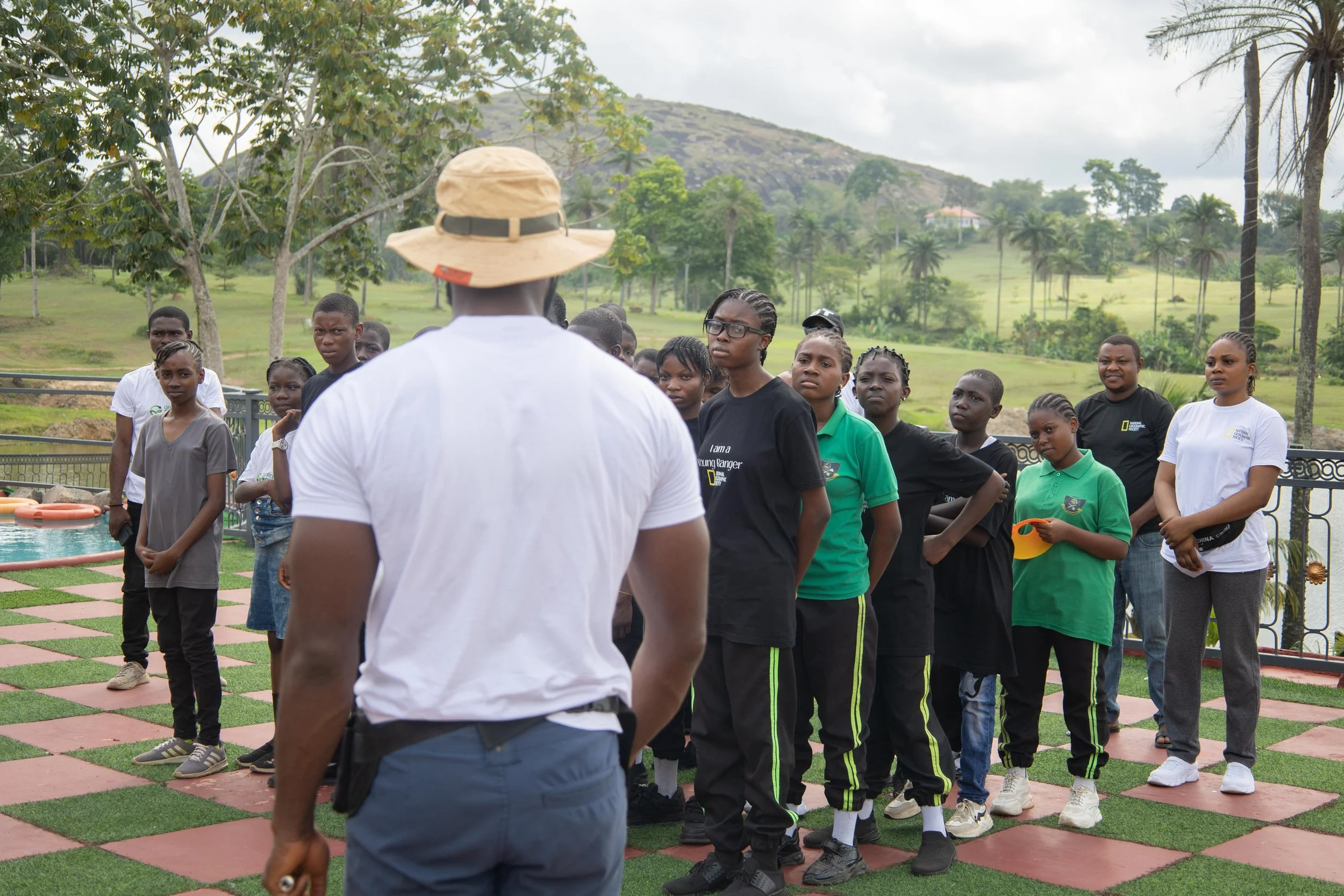
Across open landscapes and highland terrain, 20 selected Young Rangers moved through nature with purpose, observing birds, studying vegetation, and learning directly from the environment around them. Guided by experts, they engaged with the Nigeria–Cameroon Highlands not as a distant concept, but as a living system.
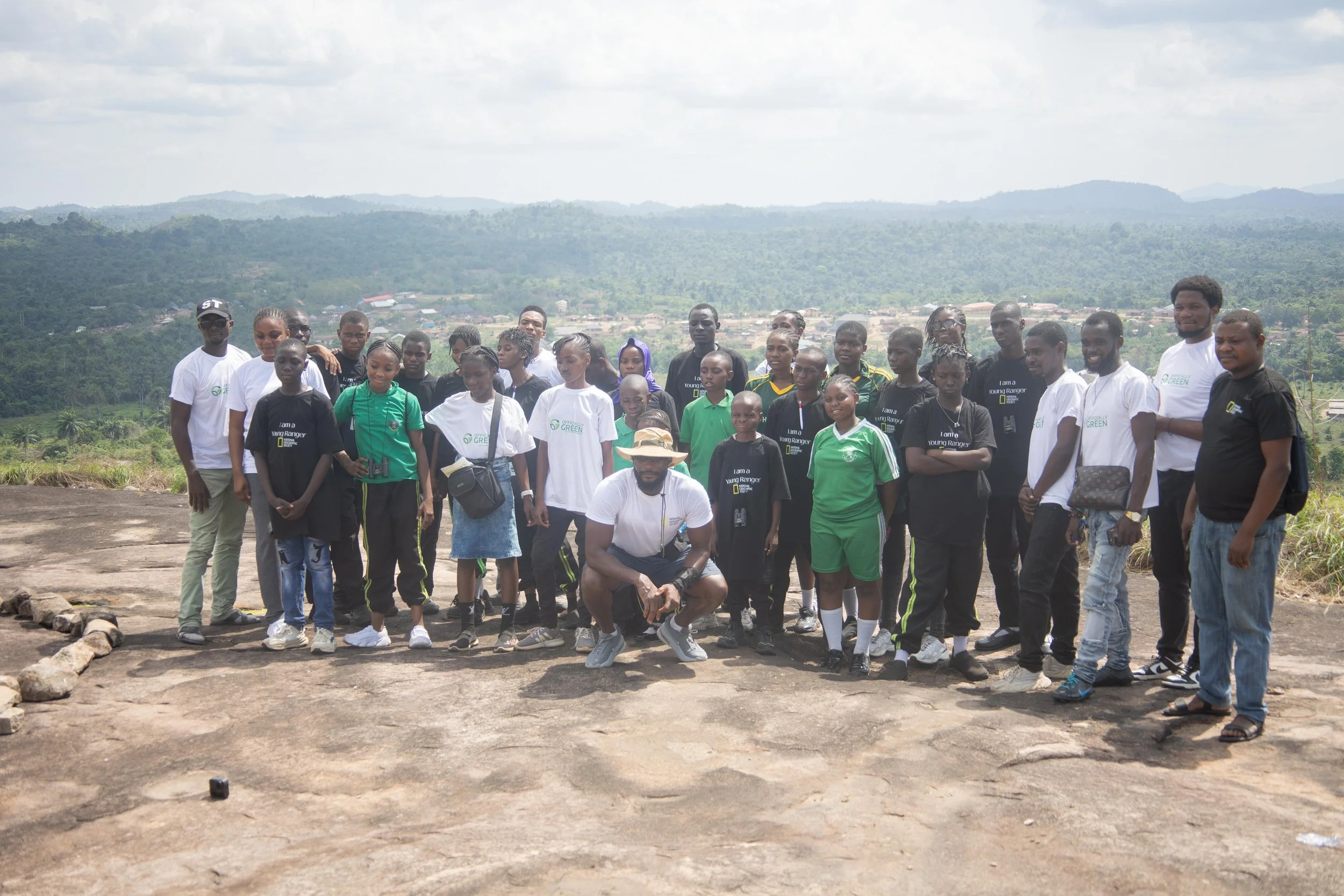
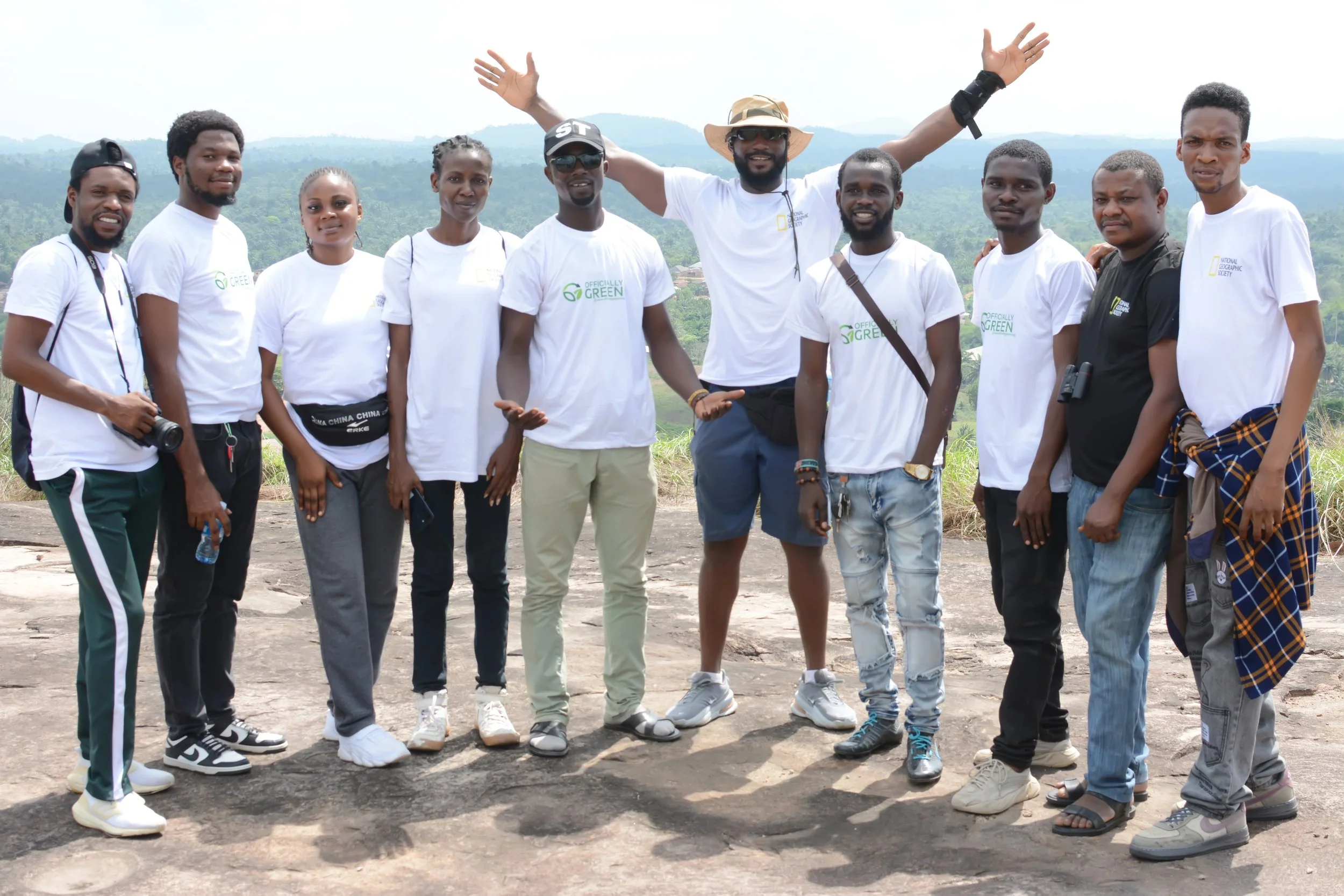
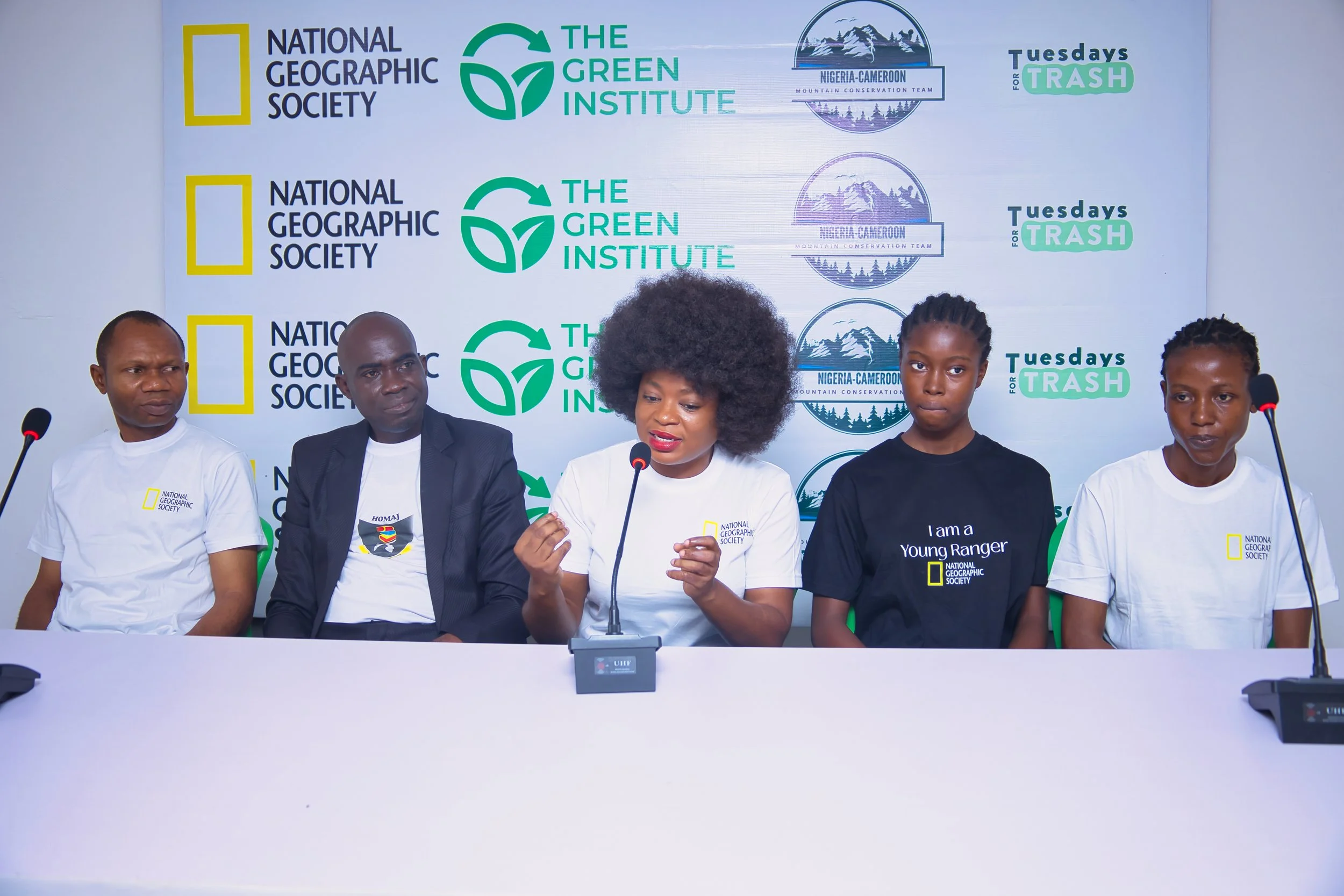
Implemented by The Green Institute from 23 to 25 March 2026 in collaboration with the National Geographic Society through the Meridian Grant , the Young Rangers Programme was built on a simple idea. Young people understand nature best when they experience it directly.
From the outset, the programme connected global perspective with local reality. Through the National Geographic Explorer Mindset, participants were encouraged to approach the natural world with curiosity, empathy, and critical thinking. But this was not abstract learning. It was grounded in one of Africa’s most important biodiversity regions, the Nigeria–Cameroon Highlands.
Stretching across southeastern Nigeria into western Cameroon, the highlands are home to montane forests, grasslands, rivers, and countless plant and animal species, many found nowhere else on Earth. At the same time, they face growing pressure from deforestation, agricultural expansion, poaching, and climate change. For the Young Rangers, this was not just information to remember. It was a landscape to explore, question, and understand.
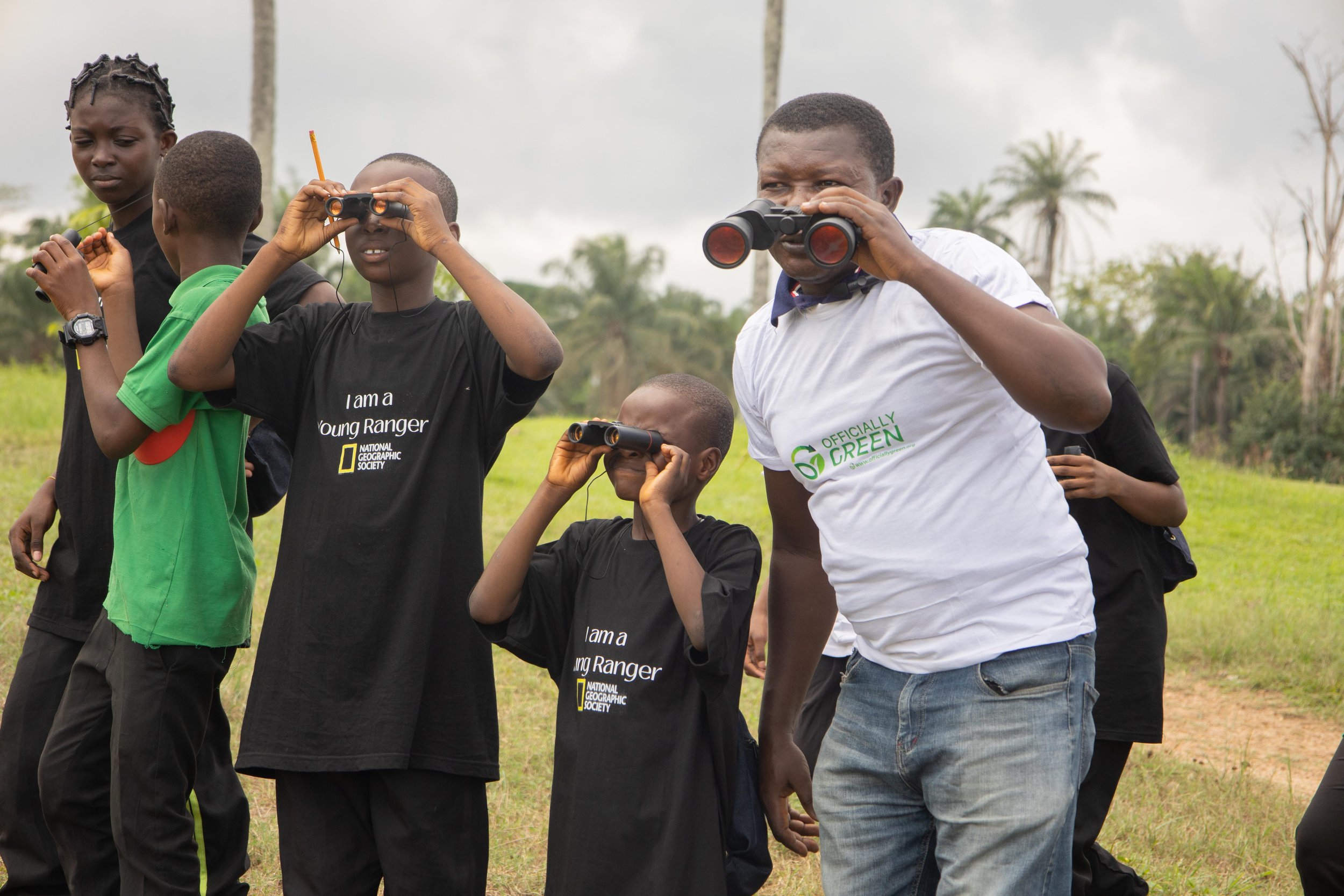
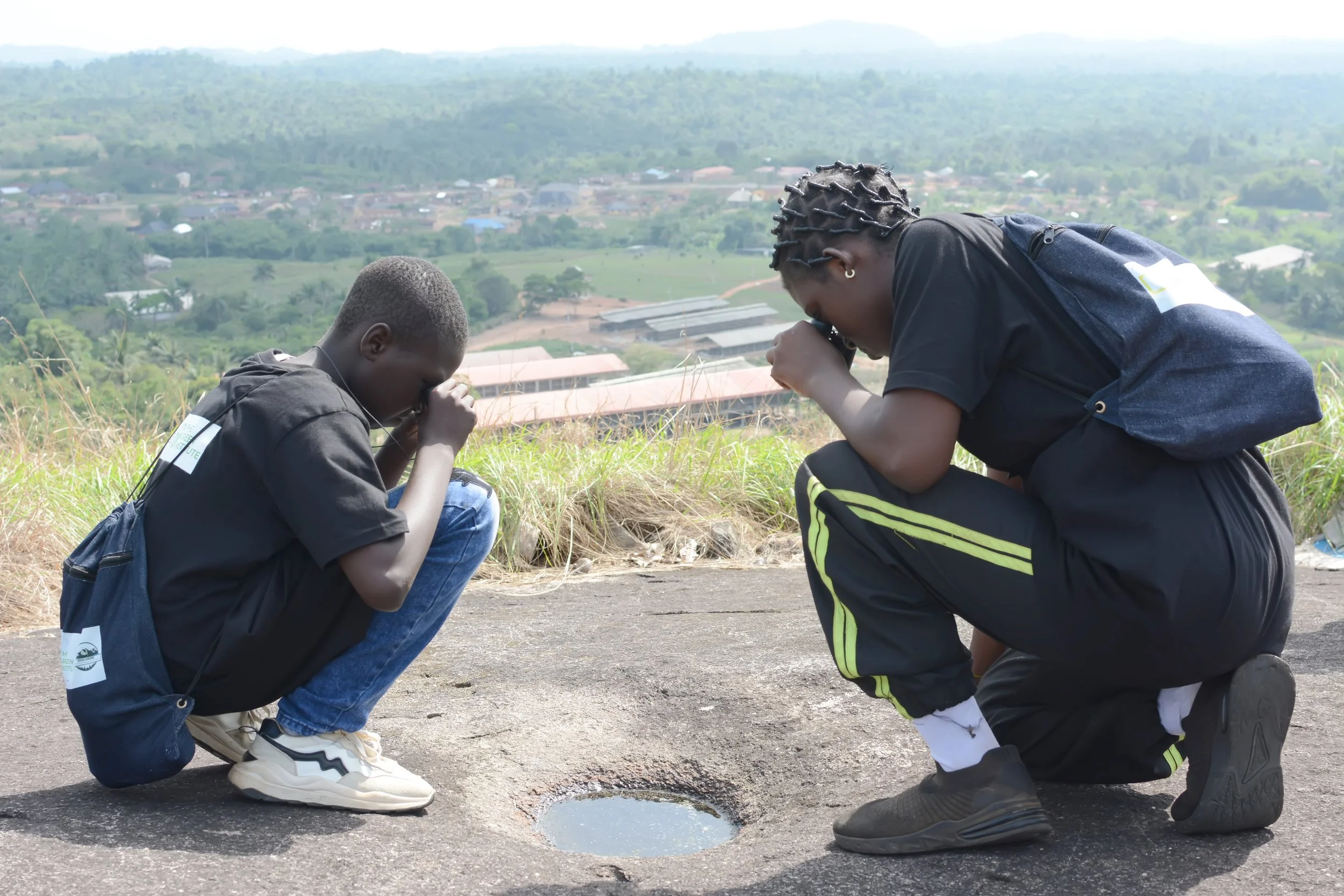
Birdwatching became the entry point into that understanding. Rather than treating it as a leisure activity, the programme used it as a practical way to study ecosystems. Participants learned how to observe birds closely, paying attention to colour, movement, behaviour, and habitat. In doing so, they began to recognise patterns and relationships within the environment. A bird in flight, a nest in a tree, or movement near water became clues to how ecosystems function.
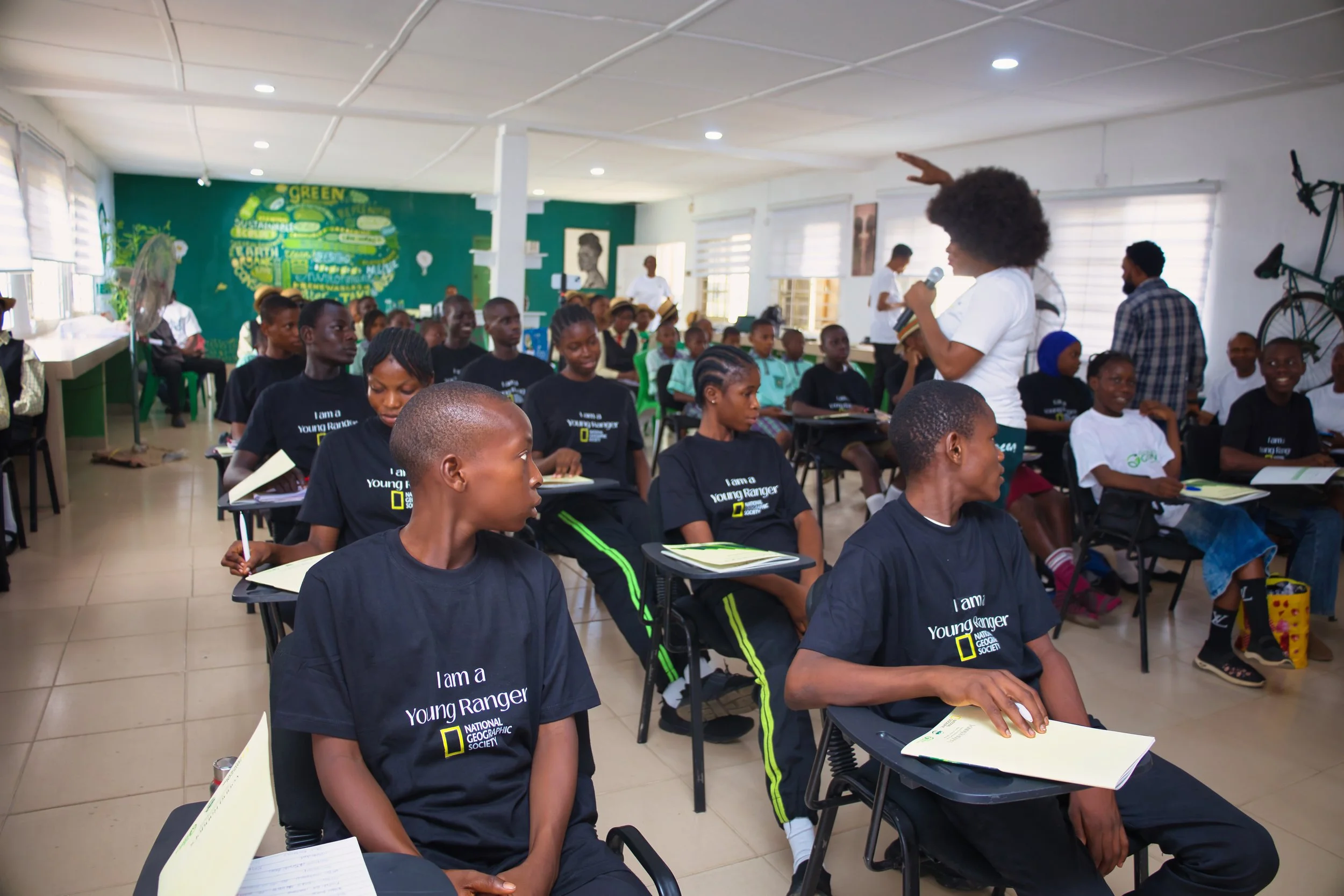
As the programme unfolded, learning moved from guided discussion to deeper engagement. Participants explored the diversity of flora and fauna in the highlands and examined the environmental challenges affecting the region. Conversations around deforestation and climate change were not distant or theoretical. They were directly linked to the landscapes the participants were studying.
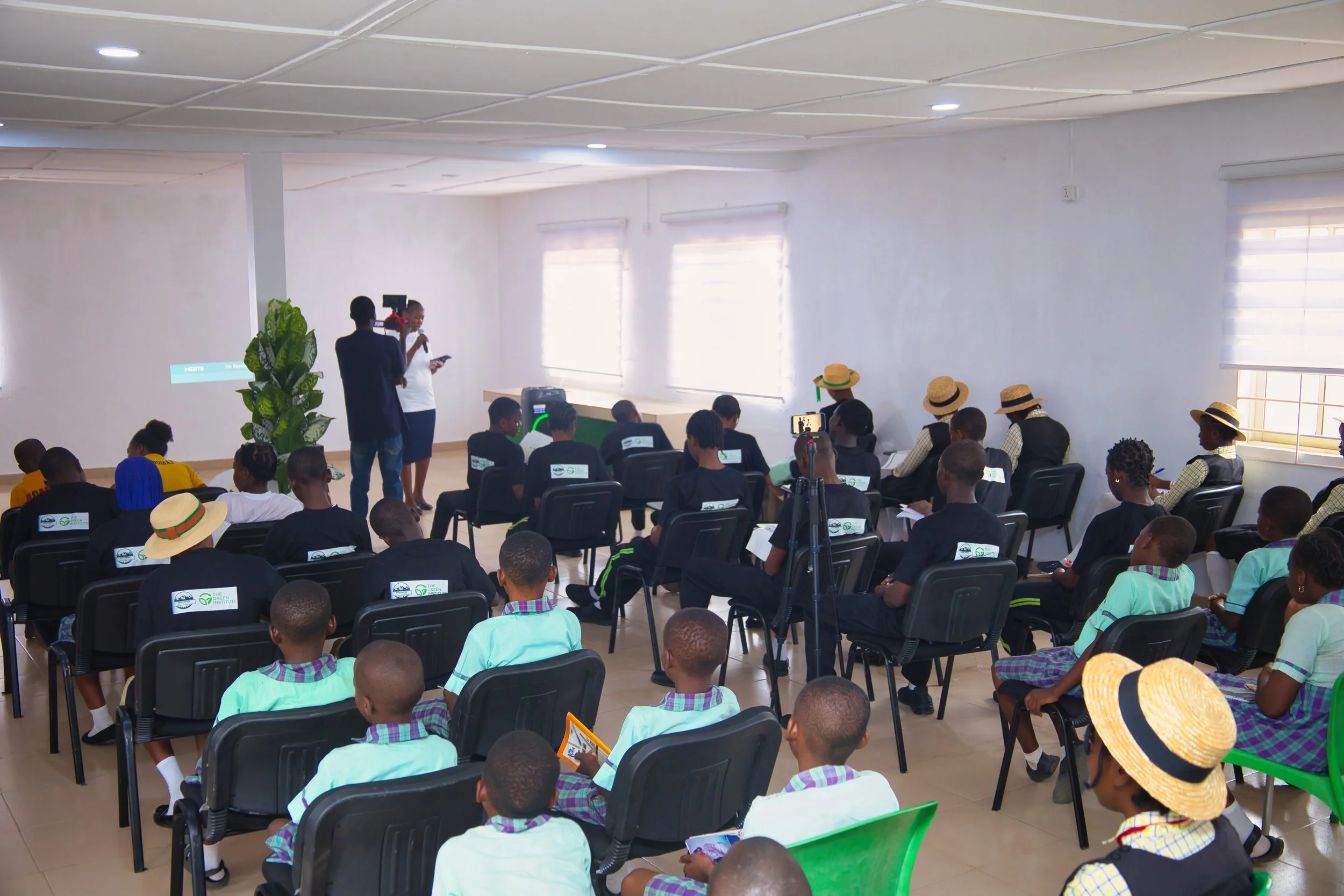
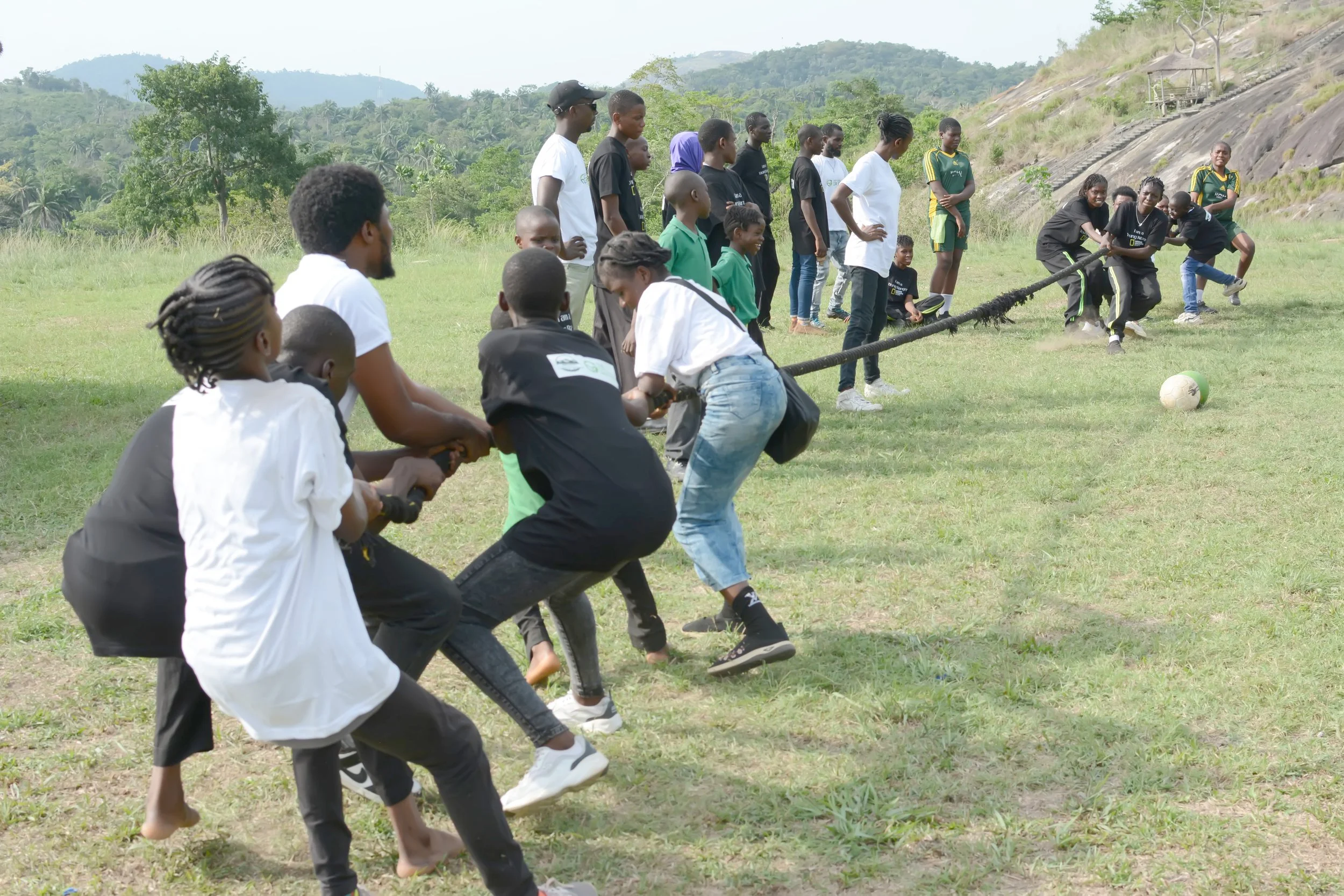
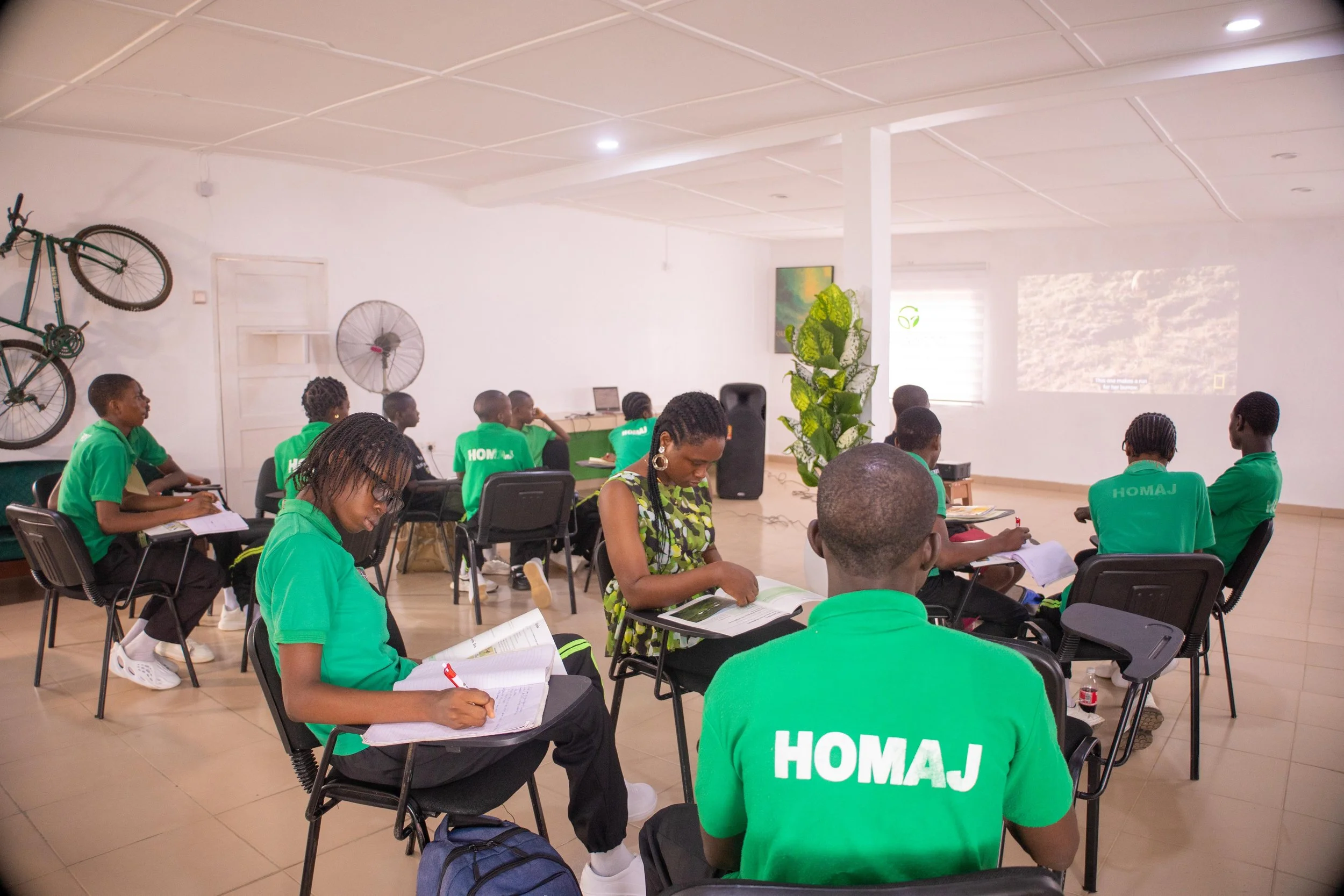
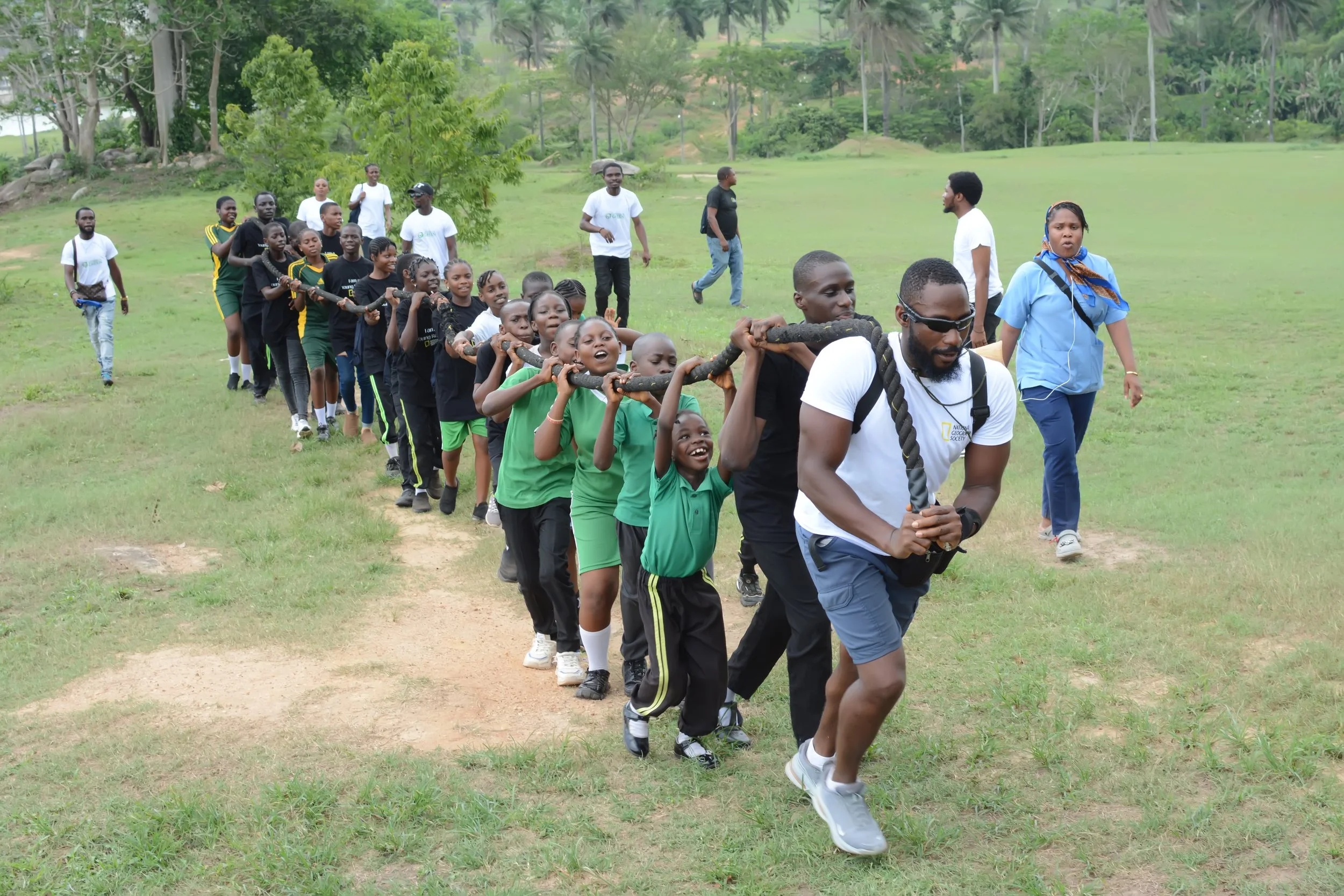
By the third day, the experience shifted fully into the field. At Nibanola Resort, the Young Rangers stepped into the environment they had been learning about. They observed birds in their natural habitats, studied vegetation patterns, and moved across the terrain, experiencing firsthand the variation within the highland ecosystem. The physical experience of walking the landscape, observing details, and working in teams reinforced lessons that could not be fully captured in a classroom.
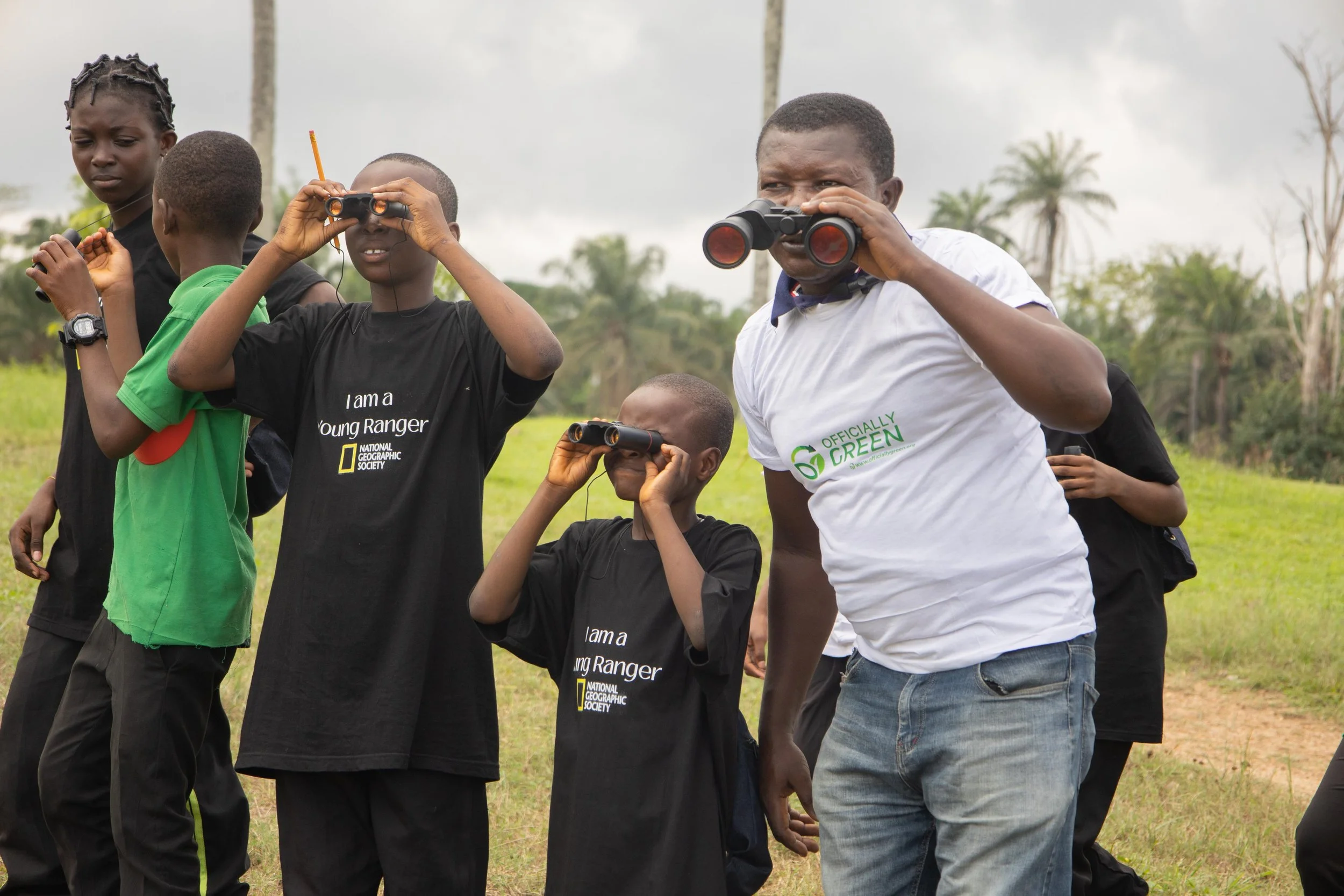
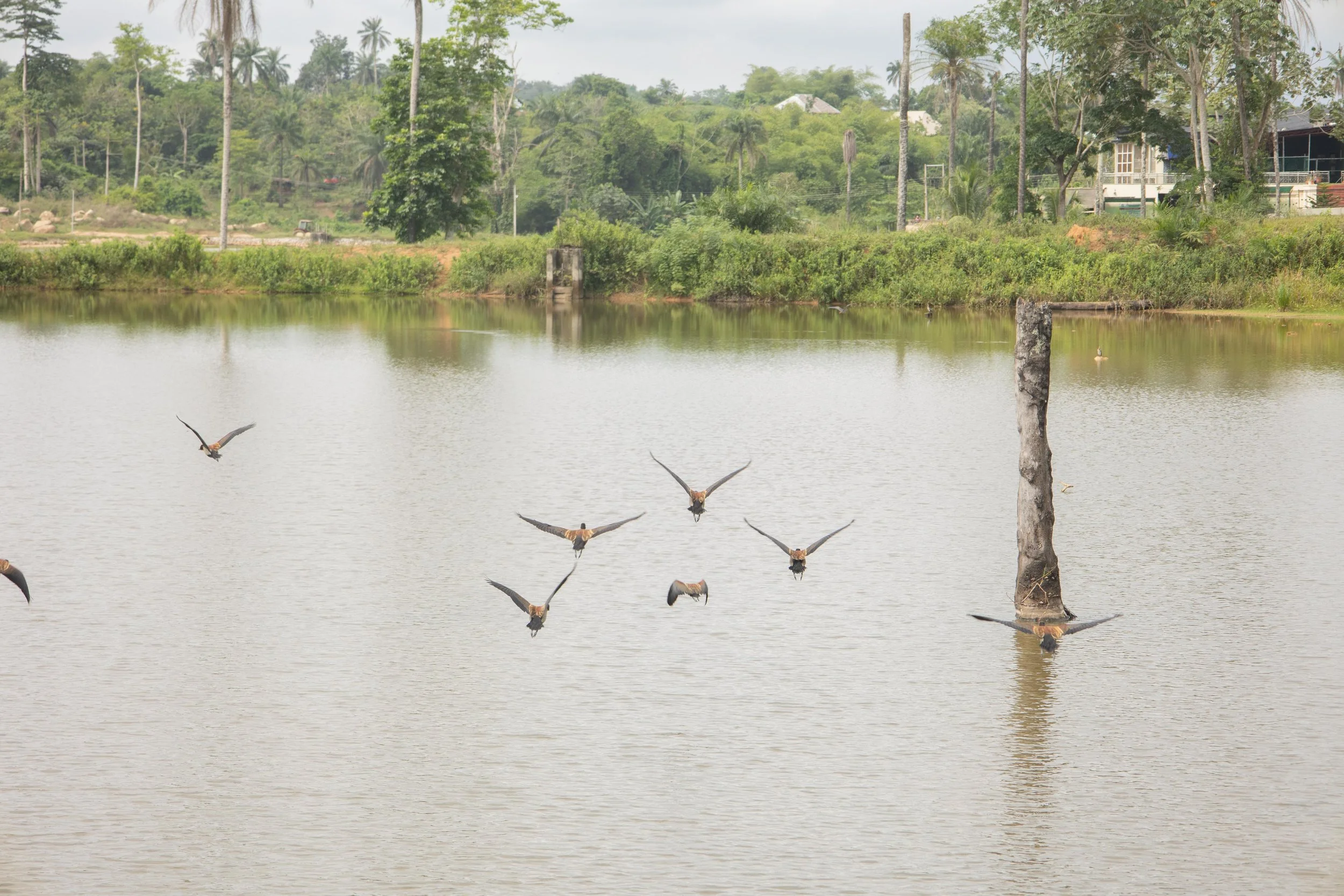
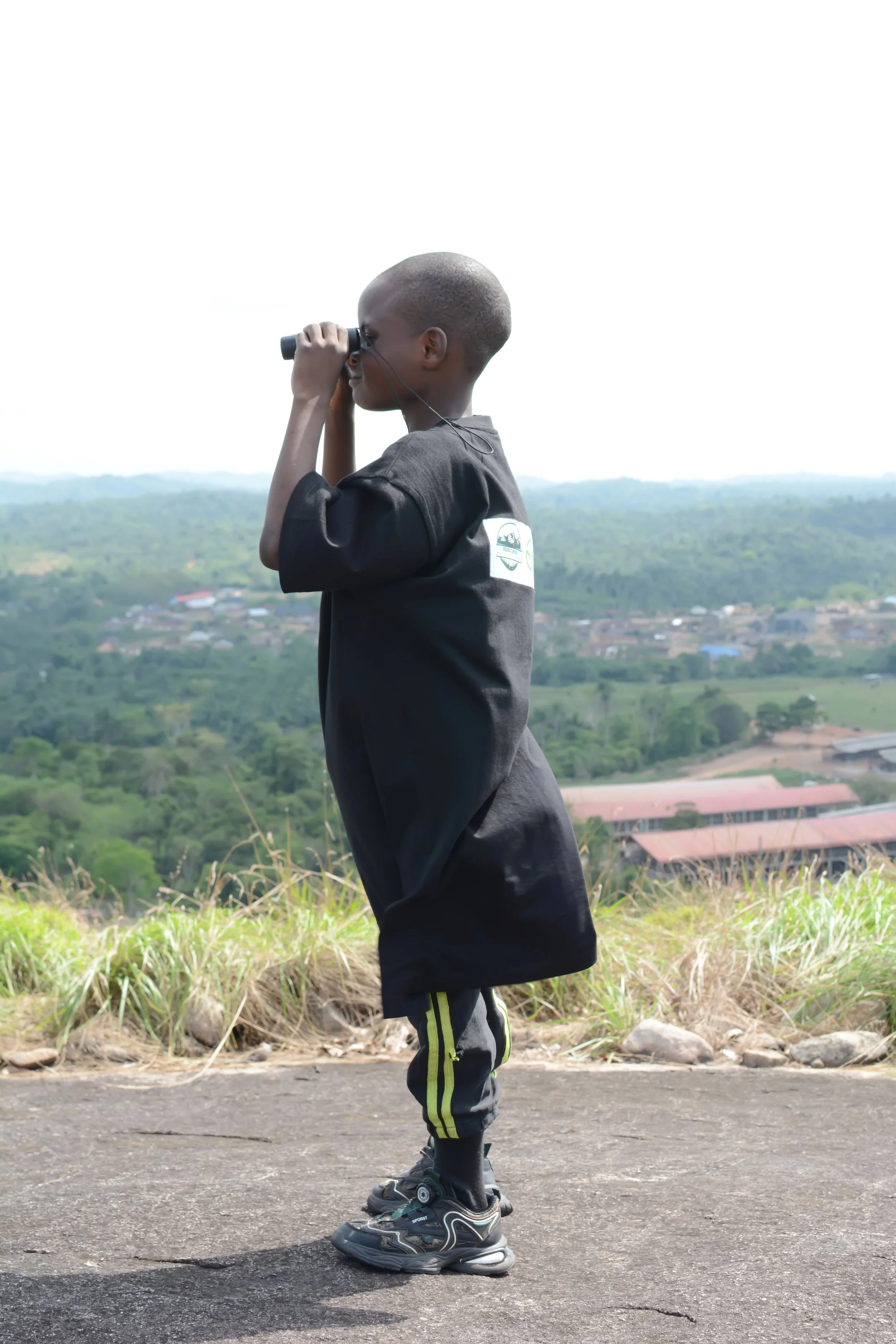
This combination of observation, movement, and reflection helped transform understanding into something more personal. Participants were not only learning about biodiversity. They were developing the ability to notice, interpret, and value it.
The impact of the programme was visible in how participants began to see themselves. They developed a stronger understanding of the ecological importance of the Nigeria–Cameroon Highlands and gained practical skills in observation and environmental interpretation. More importantly, they began to see themselves as individuals who could contribute to protecting the natural world.
What makes this approach effective is its simplicity. By focusing on birdwatching and direct engagement with nature, the programme makes conservation tangible. It shifts learning from abstract concepts to lived experience. At the same time, the collaboration with the National Geographic Society connects this local experience to a broader global context, showing participants that their environment is part of a much larger story.
The Young Rangers Programme demonstrates that when young people are given the opportunity to explore, observe, and engage with nature, they develop not only knowledge, but also responsibility. In a time when environmental challenges continue to grow, this kind of experience is essential in shaping a generation that is both aware and ready to act.