#Conference

Building Resilient Cities for a Sustainable Future: Lessons from the 7th World Environment Day Symposium

The Green Institute

On June 5, 2026, World Environment Day, The Green Institute brought together researchers, planners, engineers and sustainability leaders from around the world to examine one of the defining challenges of our time: how rapidly growing cities can become more resilient, inclusive and sustainable in the face of climate change.

Cities are places of possibility. They hold our schools, hospitals, businesses, innovations and communities. Yet as they grow, they are also becoming increasingly exposed to flooding, extreme heat, pollution, ecological degradation, displacement and the consequences of poor planning.

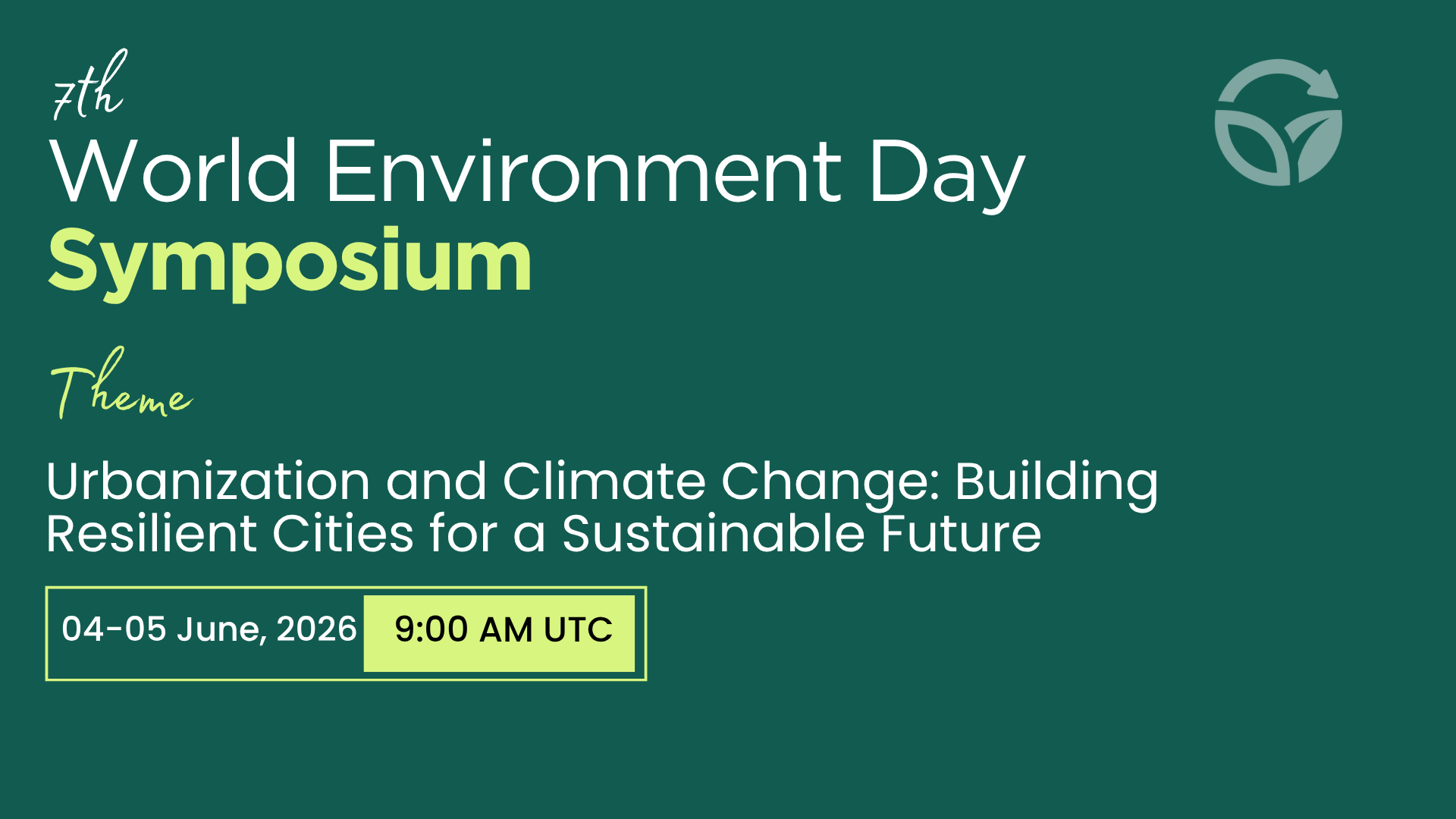
That tension sat at the heart of the 7th World Environment Day Symposium, convened by The Green Institute on June 4–5, 2026 under the theme “Urbanization and Climate Change: Building Resilient Cities for a Sustainable Future.” The hybrid event brought together researchers, planners, engineers, policy thinkers and sustainability leaders to explore practical pathways toward climate-resilient urban futures.
“How do we build cities that protect people, restore nature, and prepare us for the future?”
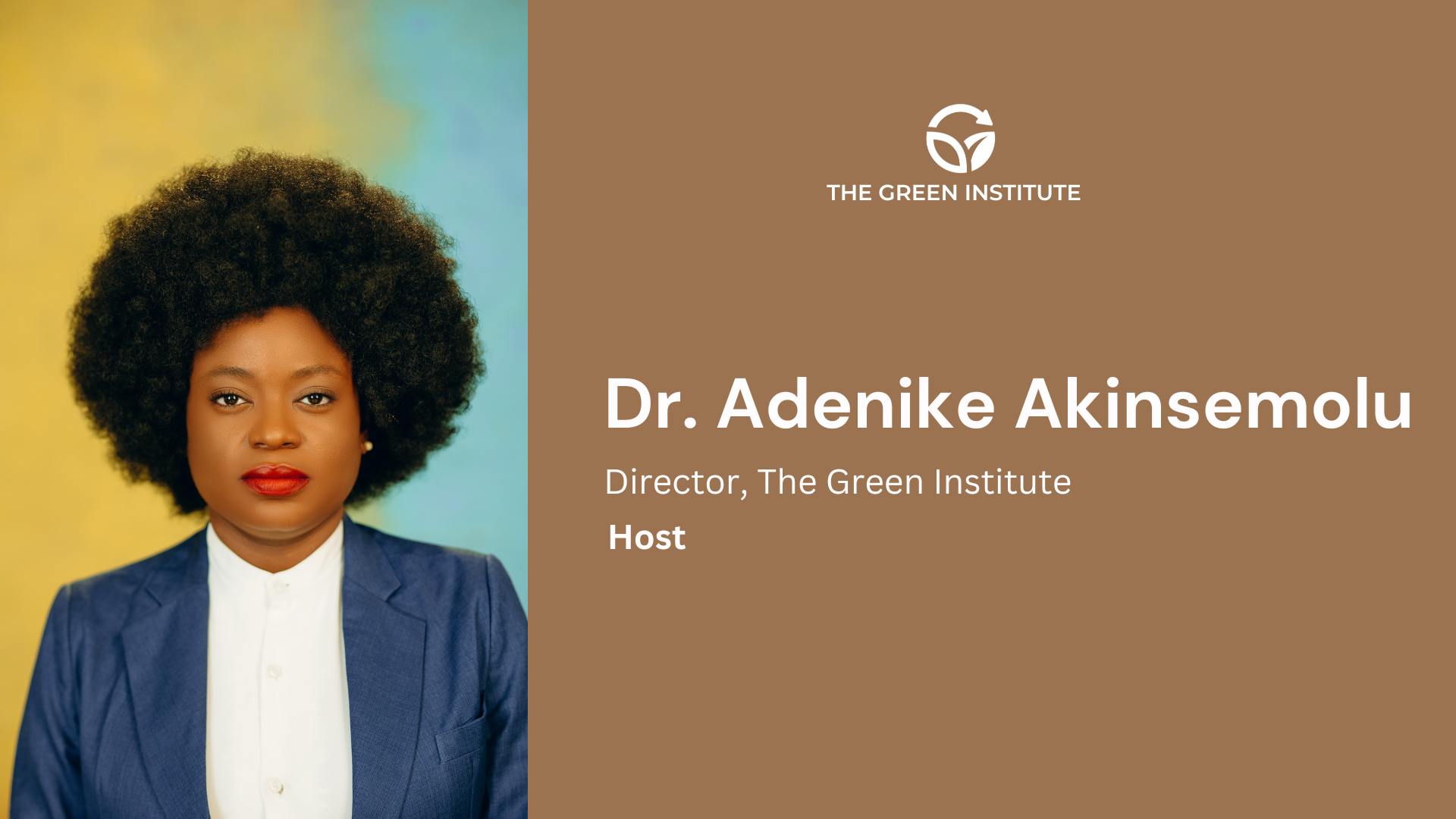
— Dr. Adenike Akinsemolu, host and founder, The Green Institute

From ambition to measurable action

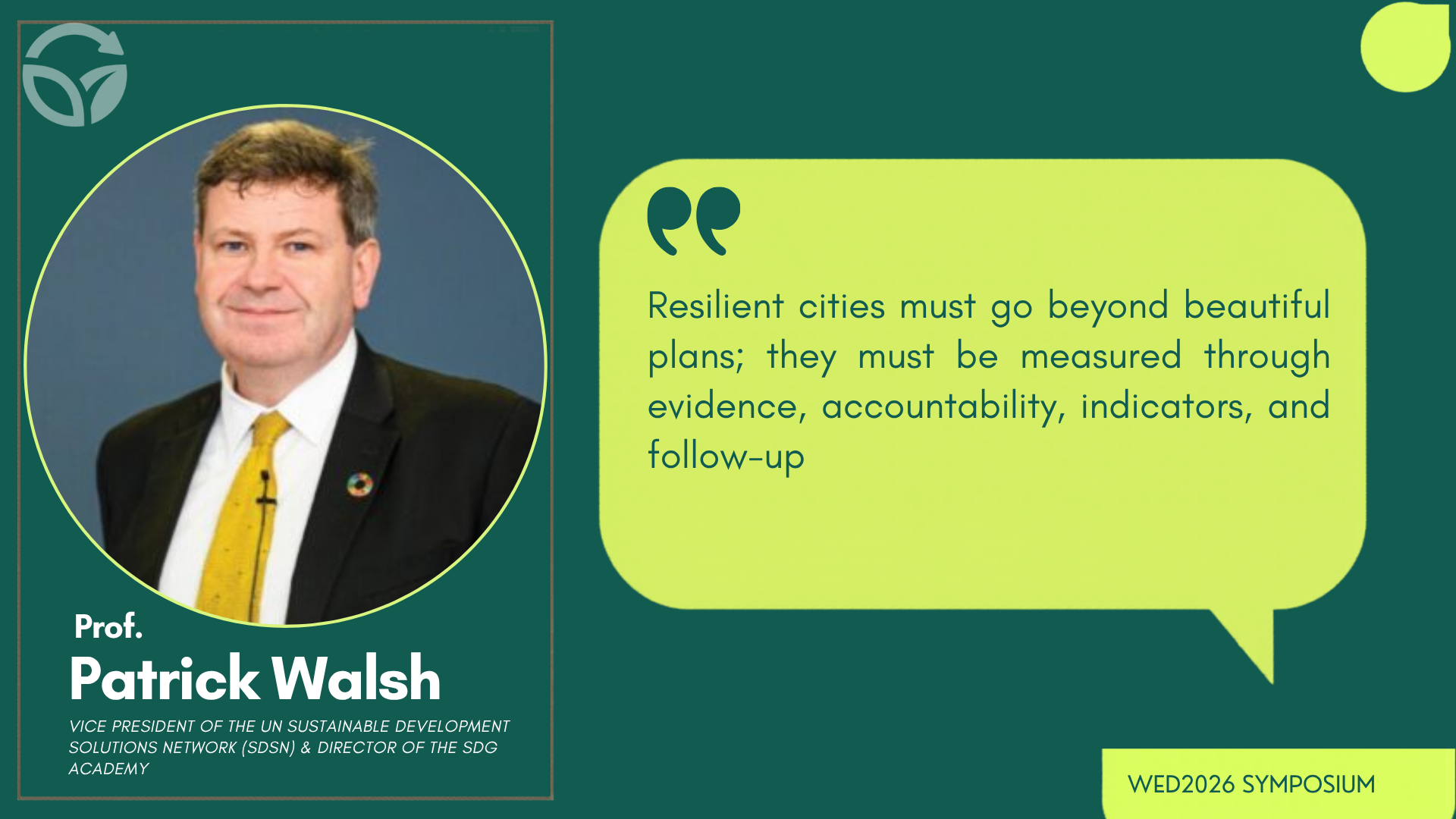
Professor Patrick Paul Walsh, Vice President of Education and Director of the SDG Academy at the UN Sustainable Development Solutions Network, opened the discussion with a challenge that ran through the entire symposium: resilient-city ambition must be matched by measurement, evidence and accountability.
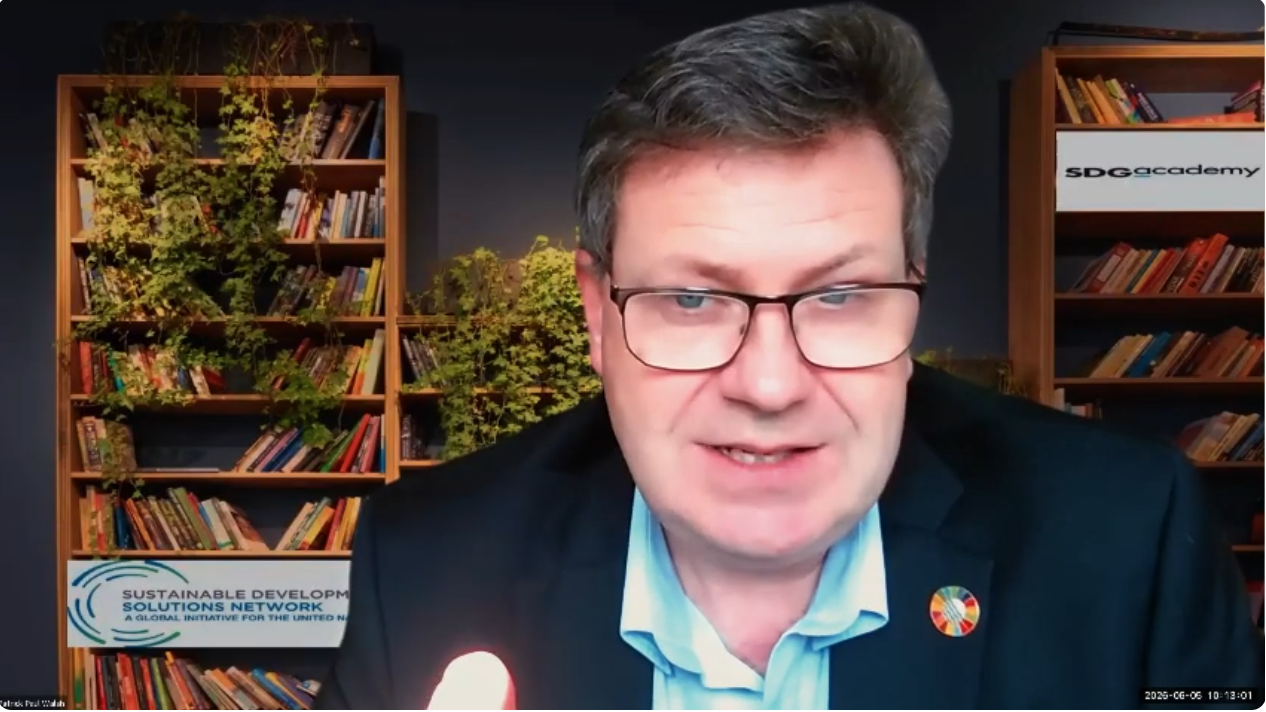
For Walsh, the post-2030 development conversation will require cities to show progress through indicators that can connect local action with national and global reporting. Green spaces, infrastructure upgrades and social programmes matter, but cities also need comparable data that demonstrates whether those interventions are improving wellbeing and reducing vulnerability.

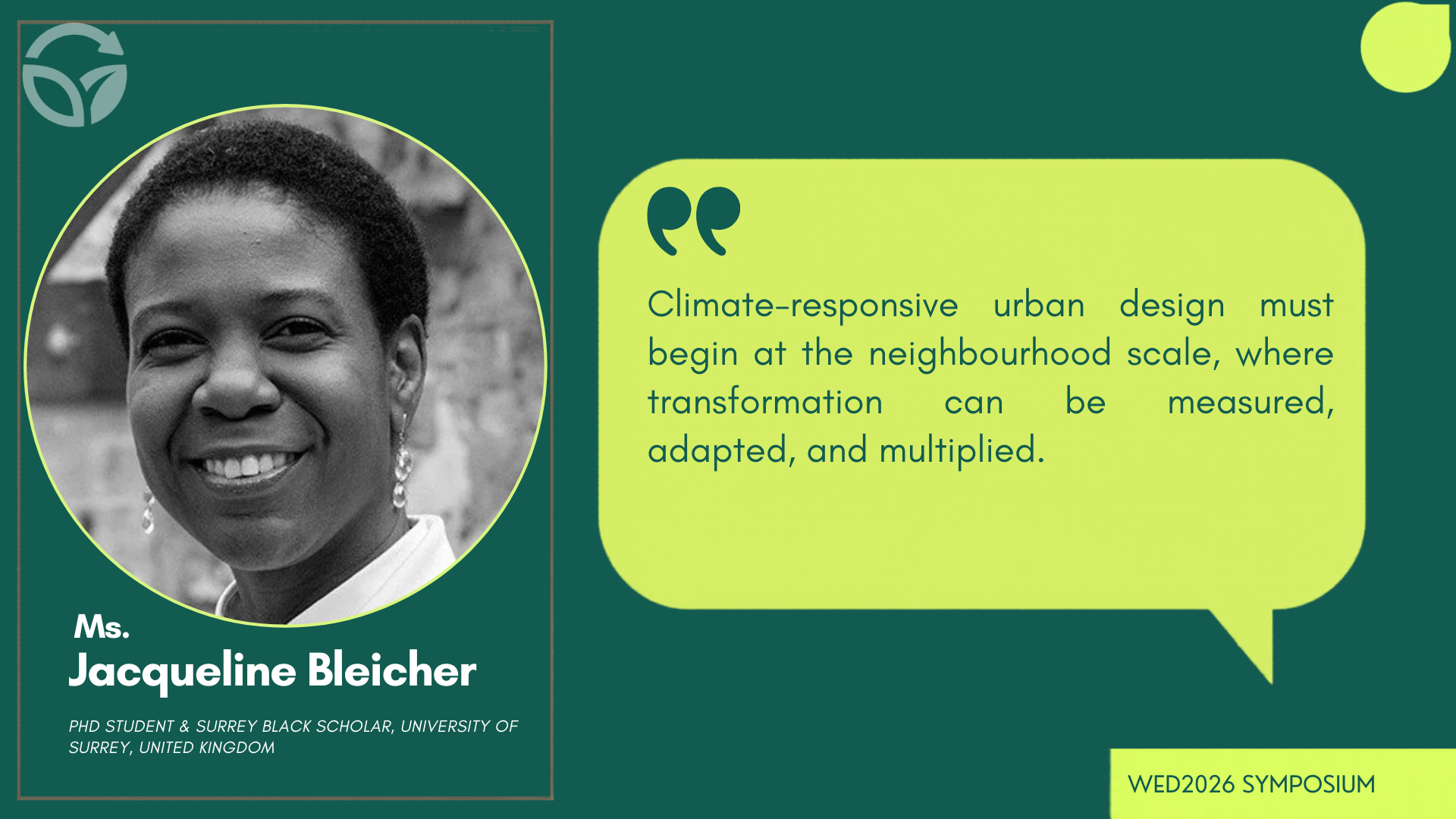
Jacqueline Bleicher’s presentation translated that concern into the scale of the neighbourhood. Her climate-resilient sustainable urbanism framework treats neighbourhoods as practical units of transformation and proposes measurable targets for ecological reserves, urban greening, walkability, accessibility, mixed-use development, resilient buildings, and food, water and energy self-sufficiency. The combined message was clear: urban resilience must be designed so that success can be evaluated, not merely declared.

Resilience and sustainable development must advance together

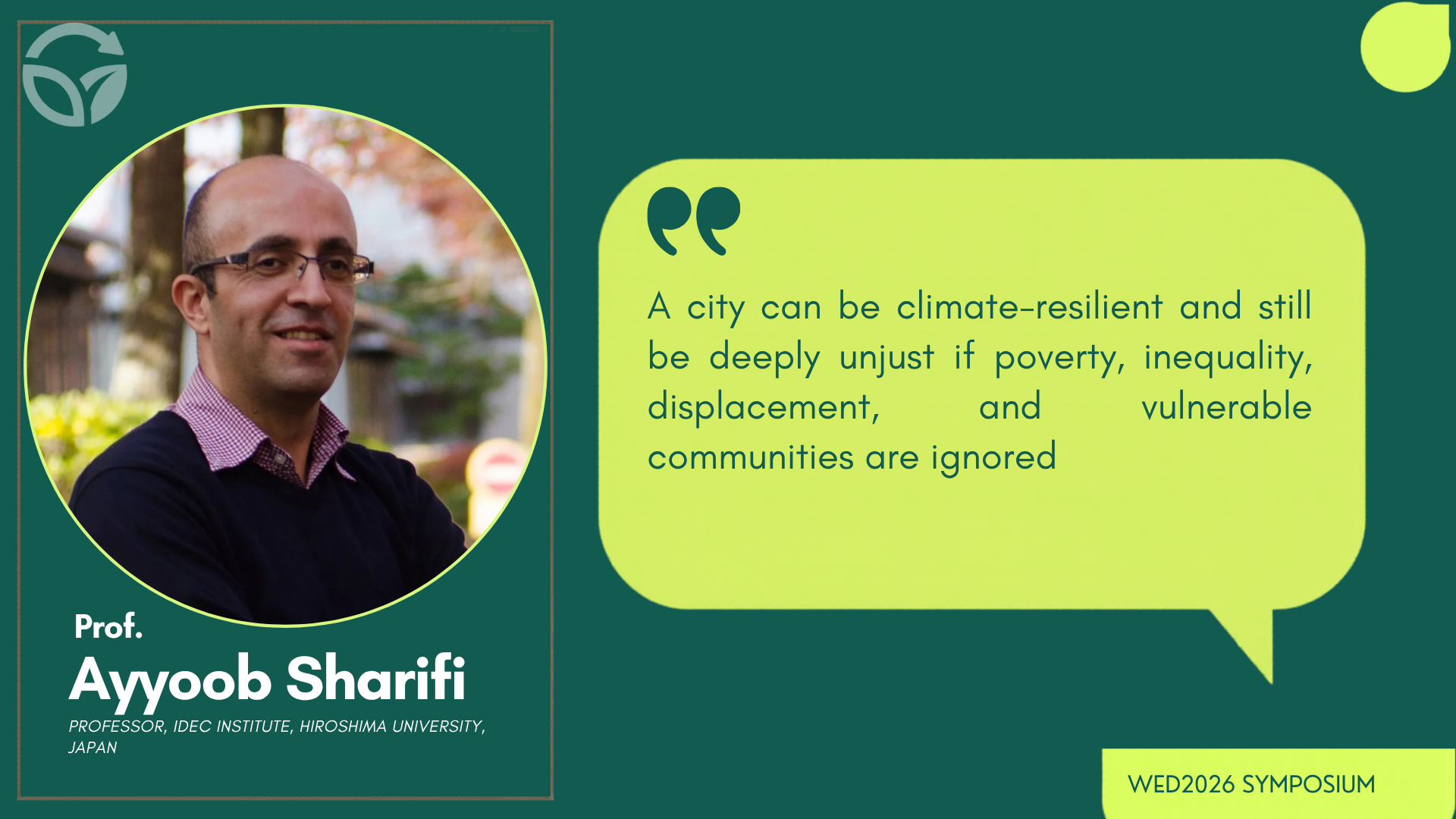
Professor Ayyoob Sharifi examined the relationship between urban resilience and the Sustainable Development Goals, emphasizing that the two are interdependent. Resilience is more than the ability to bounce back after a disaster; it is a long-term framework for sustaining urban systems through shocks and change.

He also cautioned against approaches that protect infrastructure while overlooking poverty, hunger, inequality and weak institutions. Nature-based solutions can generate multiple co-benefits — from stormwater management and urban cooling to biodiversity and food security — but poorly designed interventions can also create land conflicts, displacement and new inequalities.

The implication is straightforward: a city cannot be called resilient if its climate gains are achieved at the expense of the people who are already most vulnerable.

Nature must be treated as urban infrastructure

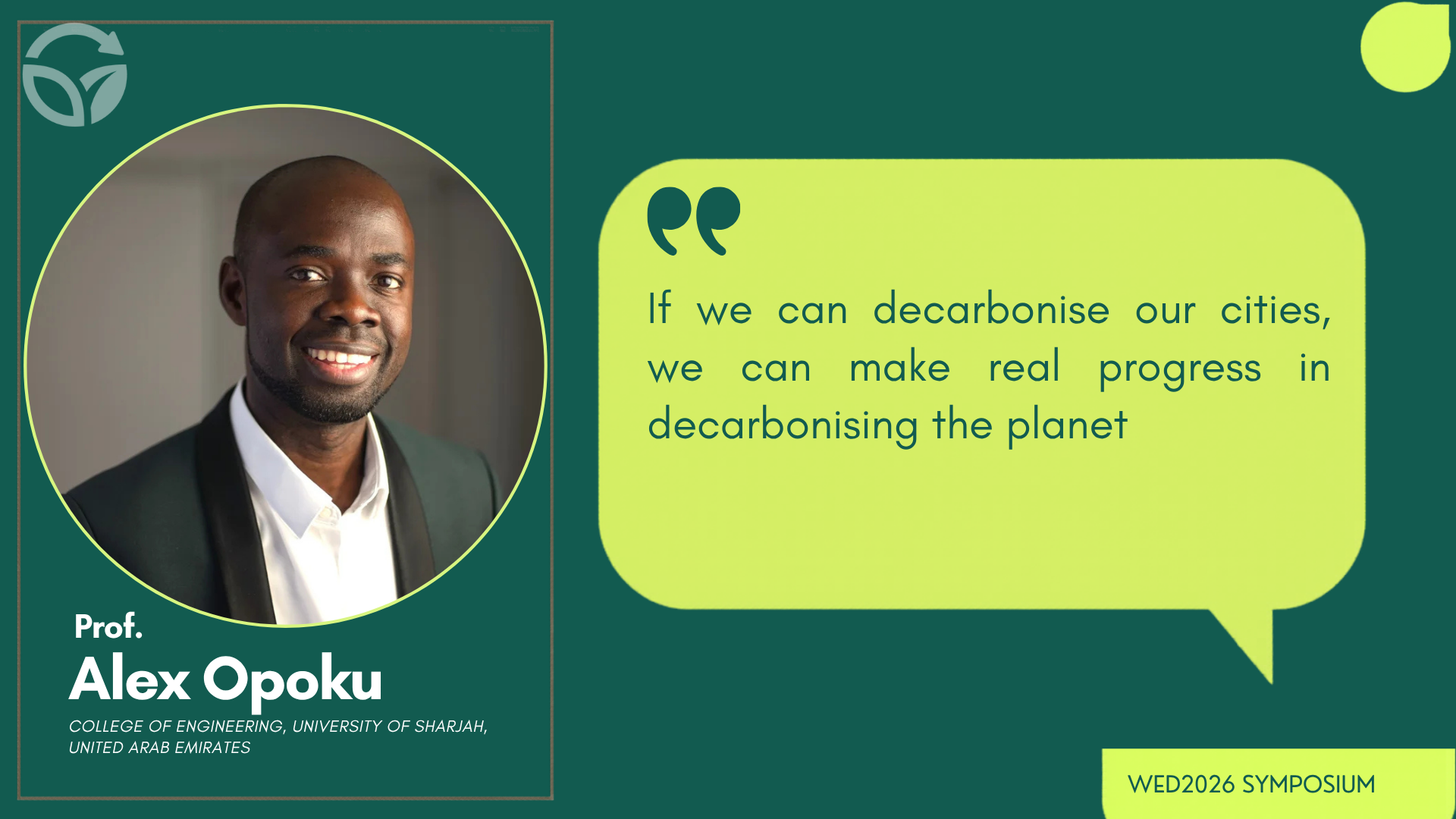
Several speakers challenged the tendency to treat nature as decoration rather than essential infrastructure. Professor Alex Opoku argued that cities cannot decarbonize effectively without integrating biodiversity and nature-based solutions into urban development. Urban farms, green roofs, wetlands, permeable surfaces and community parks can absorb carbon, reduce heat, manage stormwater and strengthen food resilience.

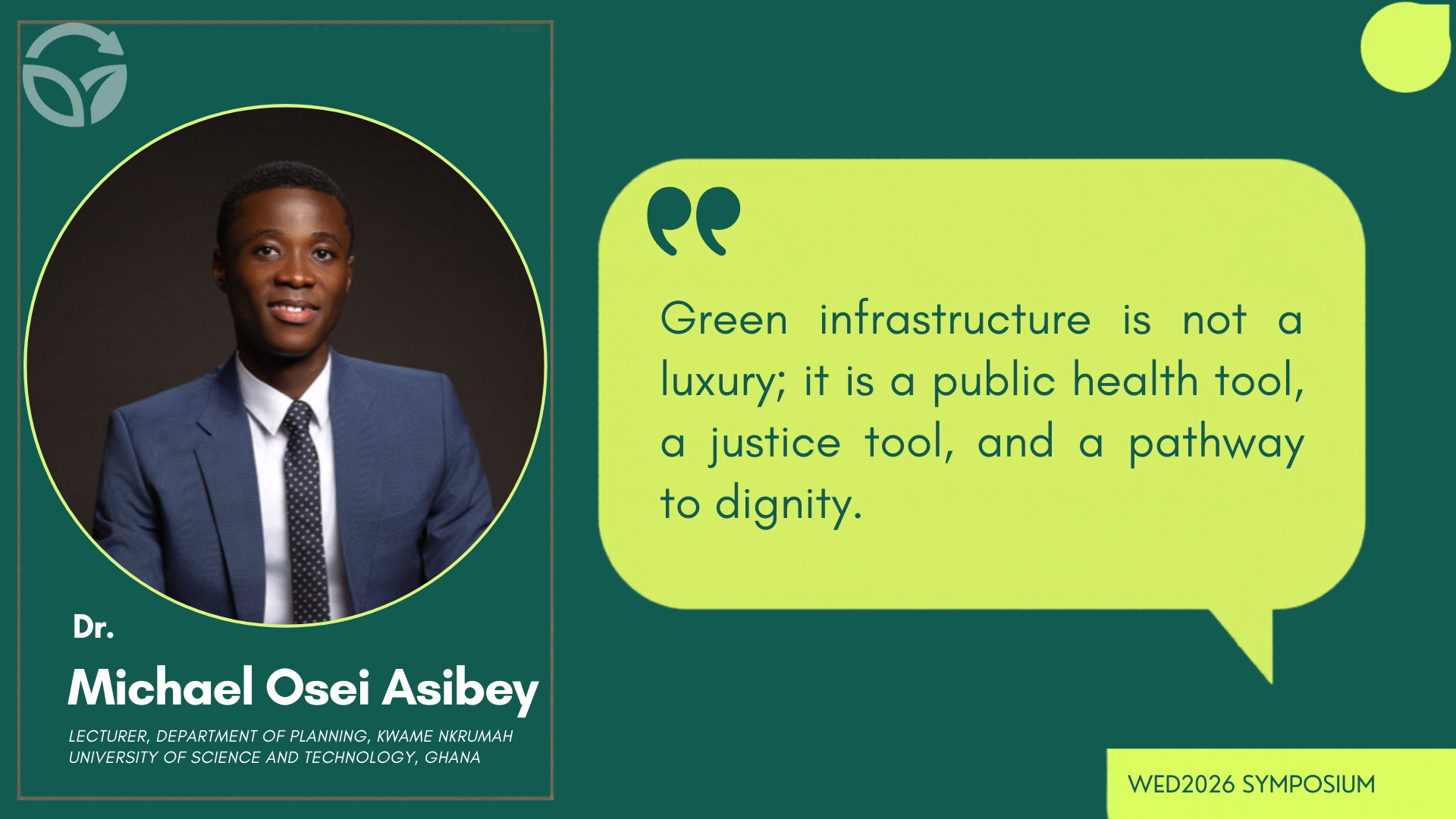
Dr. Michael Osei Asibey extended this argument through the “green-blue city” paradigm. His presentation contrasted conventional planning — dominated by concrete, impermeable surfaces and fragmented governance — with a greener model built around urban forests, restored wetlands, green corridors, permeable surfaces, urban agriculture and participatory decision-making.

But the distribution of these benefits matters. Asibey highlighted what he called a justice gap: wealthier neighbourhoods often receive trees, parks and climate amenities first, even where vulnerability is greater elsewhere. His argument was that green investment should be targeted where risk is highest, not where political influence is strongest.

The Global South needs locally grounded urban transitions
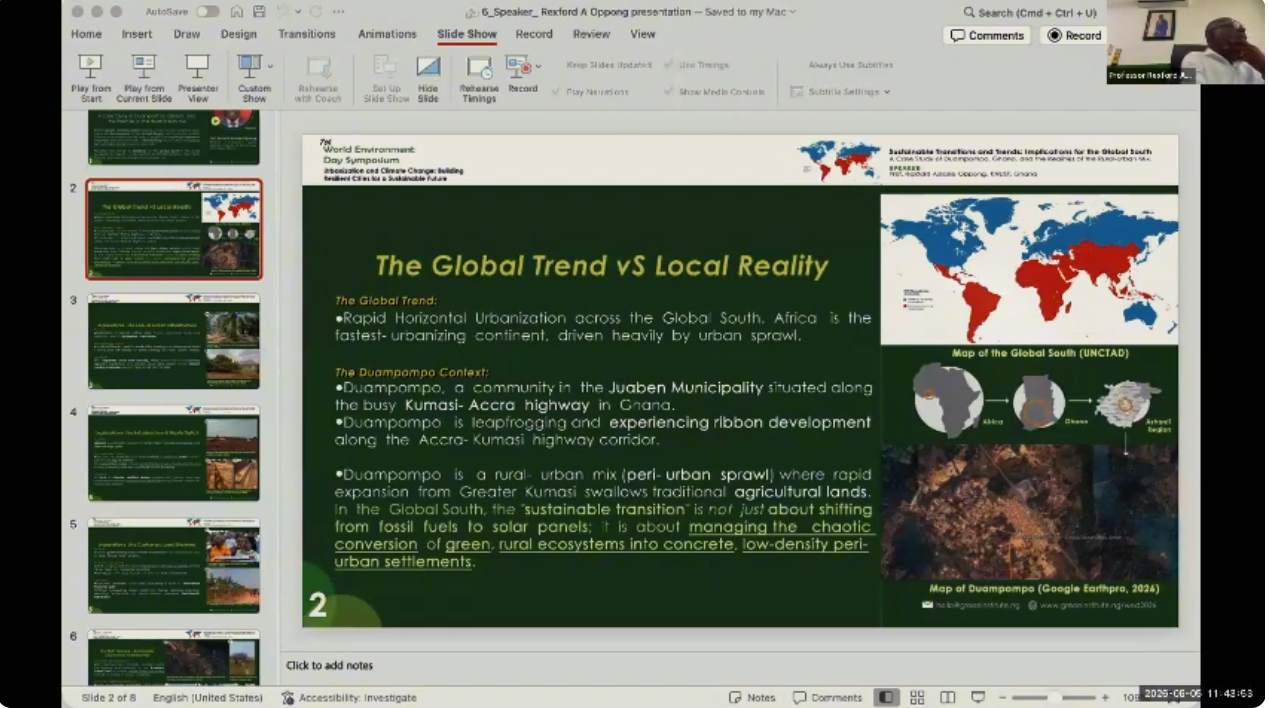
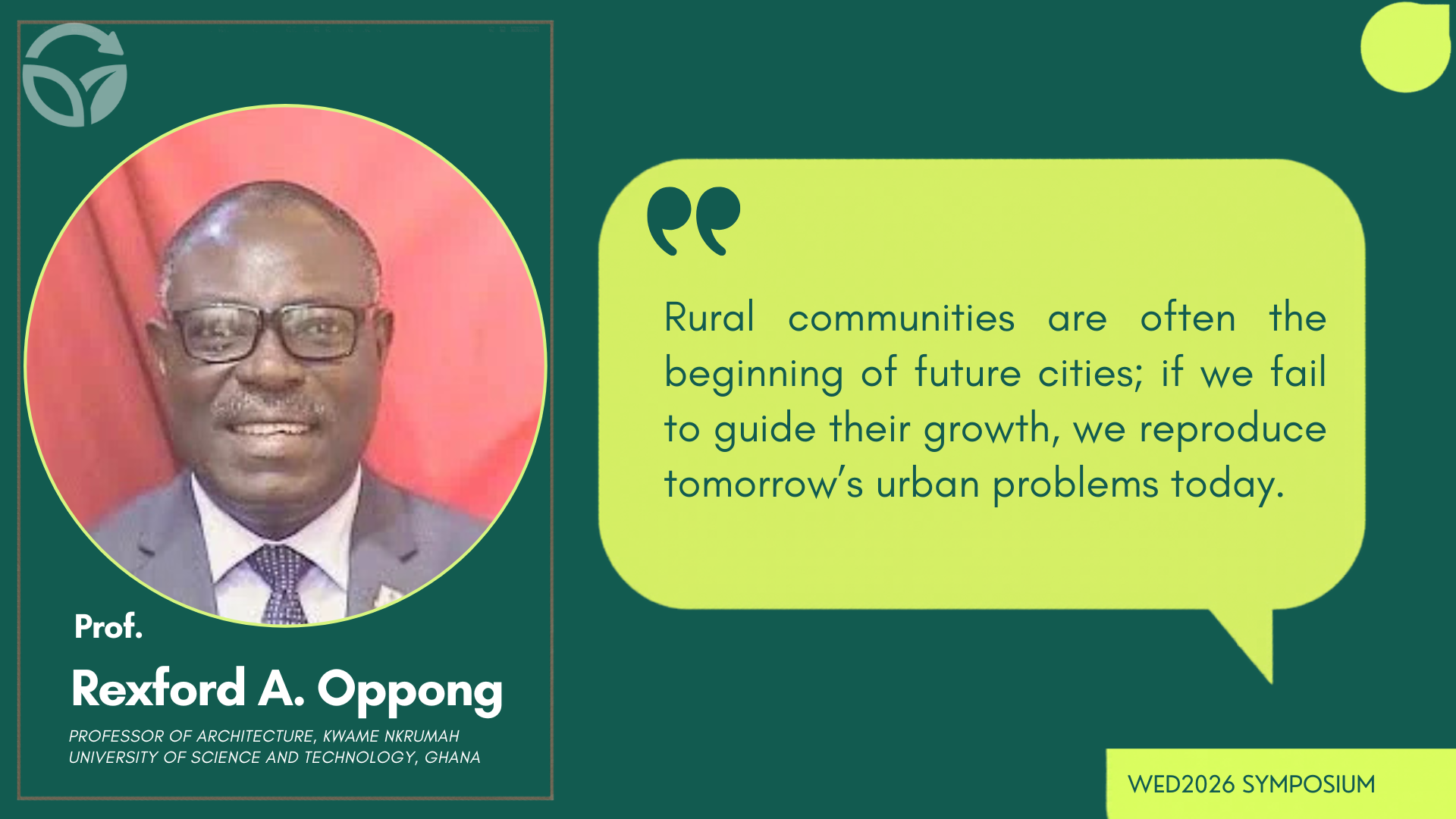
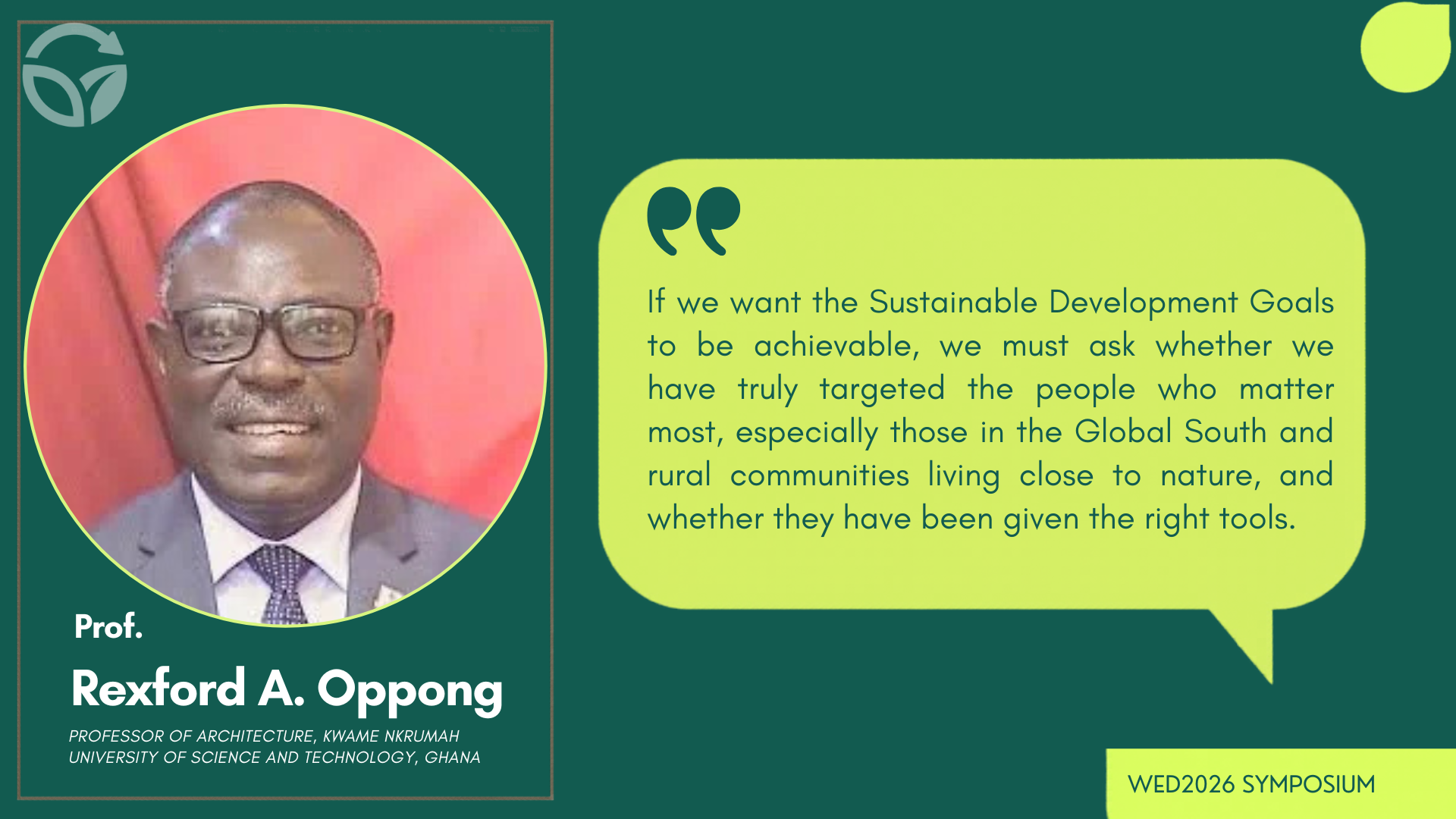
The symposium repeatedly returned to the need for urban solutions that reflect local realities rather than imported templates. Professor Rexford Assasie Oppong used Duampompo in Ghana as a case study of peri-urban expansion at the rural-urban edge. Agricultural and ecological land is being converted into residential plots while waste systems, drainage and other municipal services struggle to keep pace.

His presentation showed how the loss of green infrastructure can undermine local food security, increase urban heat and intensify flood risk. He proposed locally grounded responses including transit-oriented development, partnerships with traditional leaders to protect greenbelts and farmland, and decentralized approaches to solar energy, waste management and drainage.
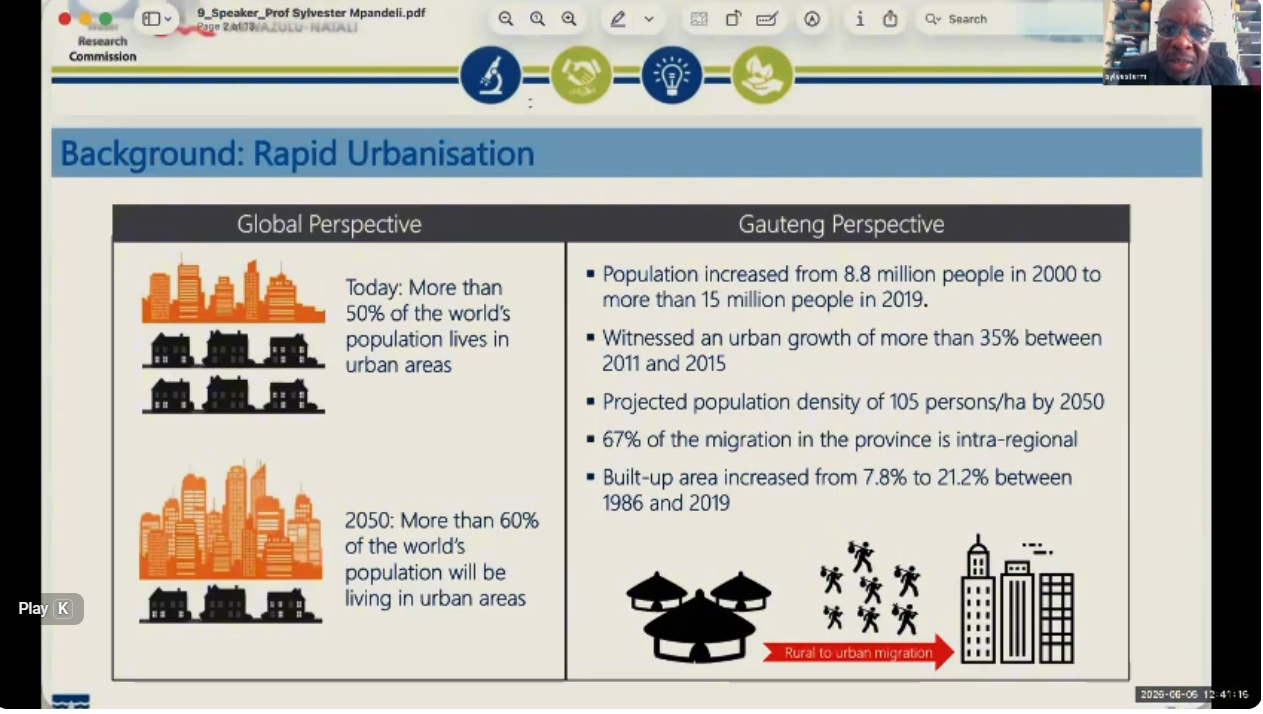
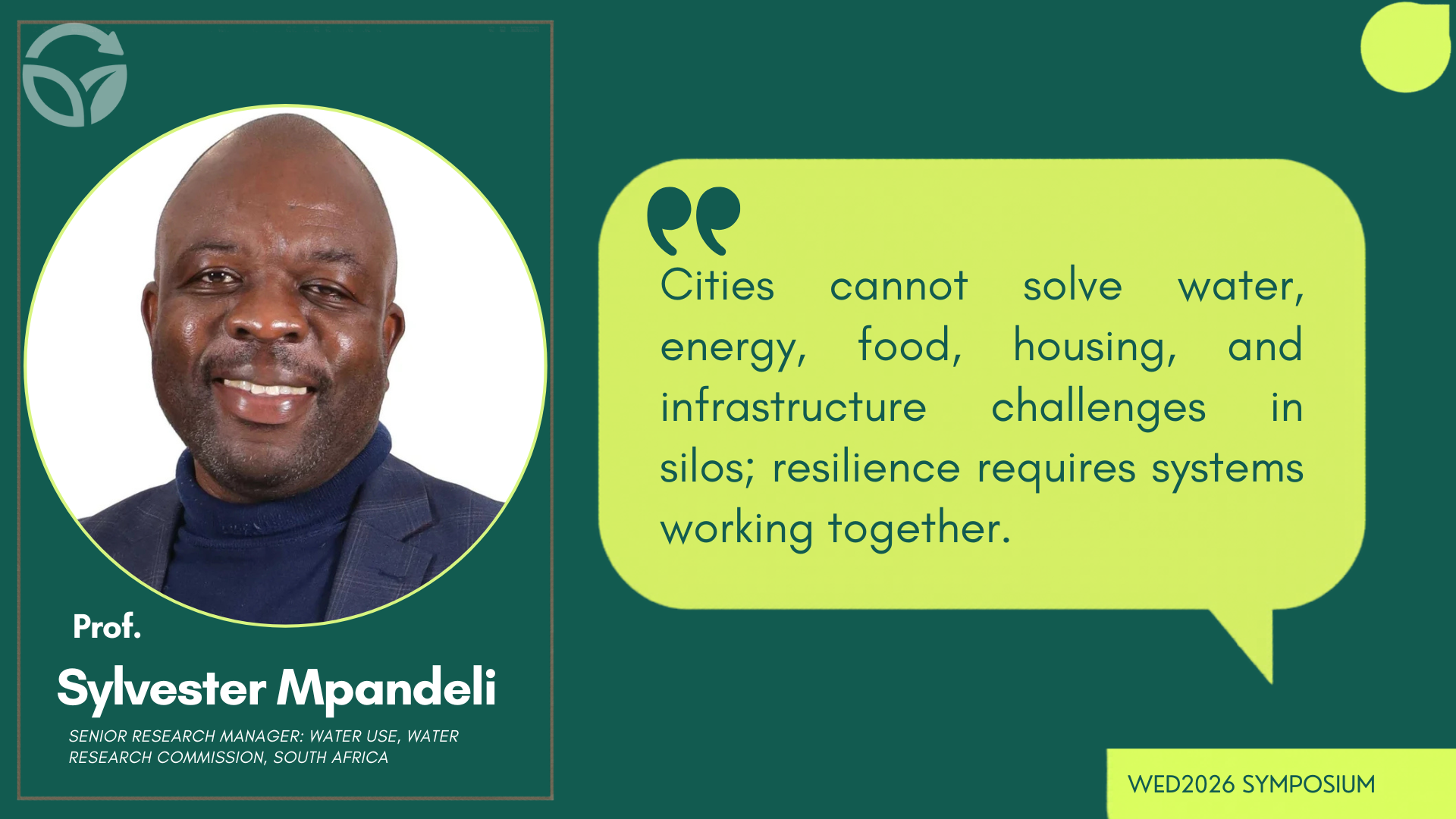
Professor Sylvester Mpandeli reached a related conclusion through the water-energy-food nexus. Sustainable urban development, he argued, requires a shift away from siloed planning toward coordination across sectors, institutions and scales. Physical infrastructure matters, but governance, community engagement, behavioural change and local knowledge often determine whether an intervention lasts.

Human-driven vulnerabilities are also a public-health challenge

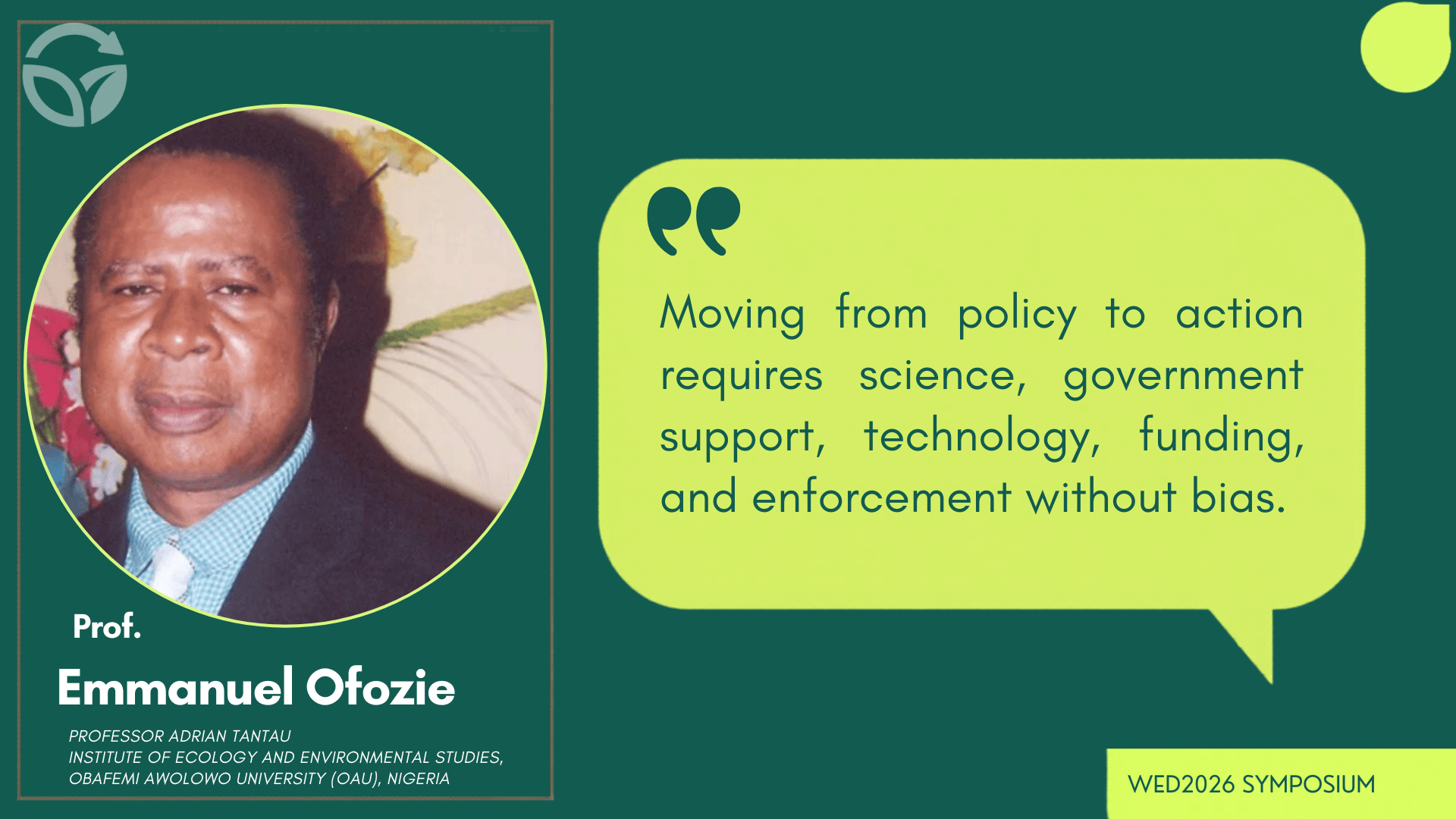
Professor Emmanuel I. Ofoezie added an environmental-health perspective by examining human-driven urban vulnerabilities. His presentation linked deforestation, habitat loss, land degradation, urban sprawl, wetland encroachment, pollution and poor waste management to cities’ declining capacity to absorb and recover from climate shocks.

His mitigation priorities included afforestation and reforestation, protection of urban forests and wetlands, stronger environmental impact assessments, green infrastructure, pollution control, integrated waste management and more sustainable industrial practices. The broader lesson was that climate resilience cannot be separated from environmental quality and public health: degraded water, air, soil and ecosystems translate directly into greater urban vulnerability.

Governance is the connective tissue of resilience

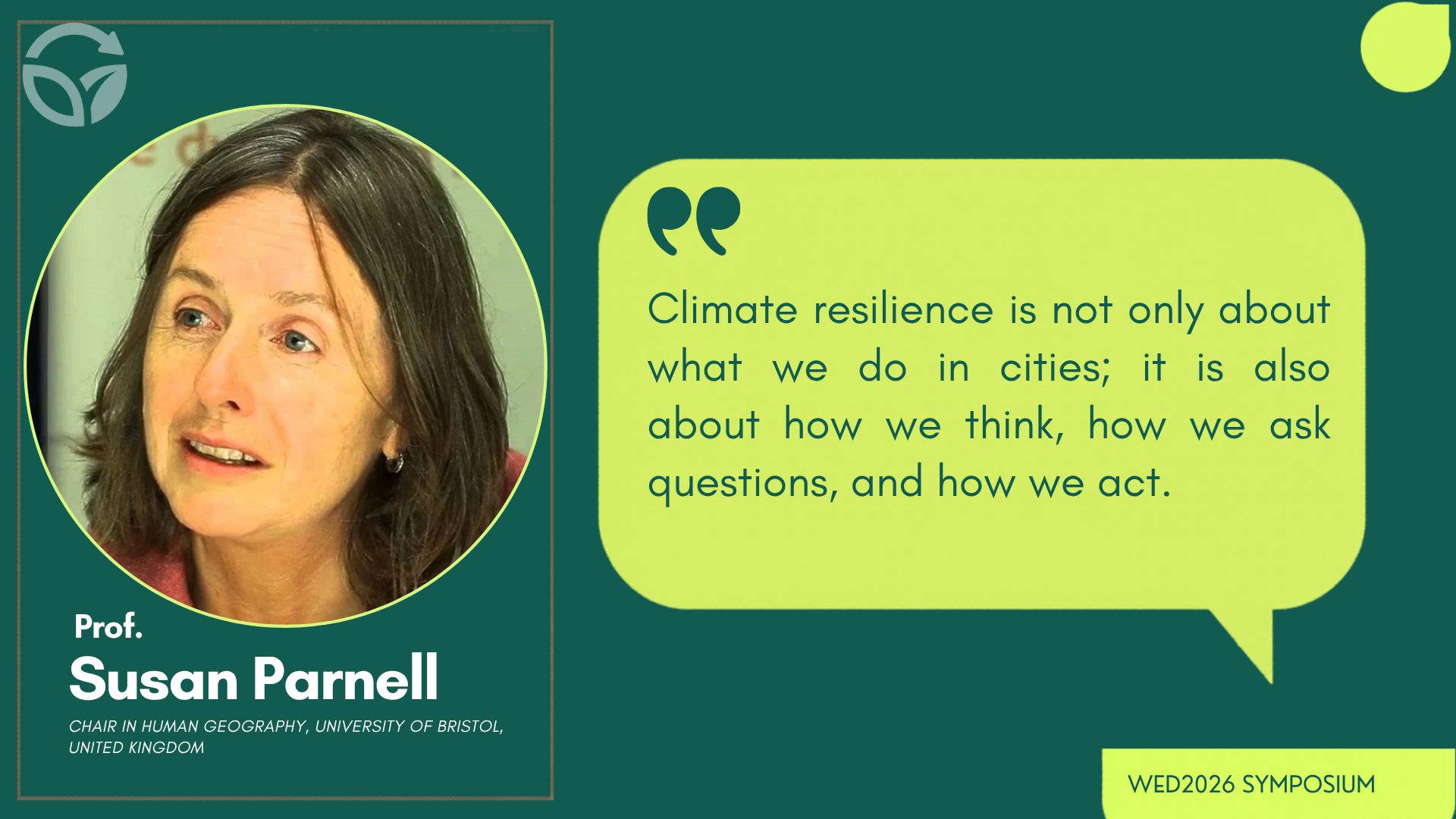
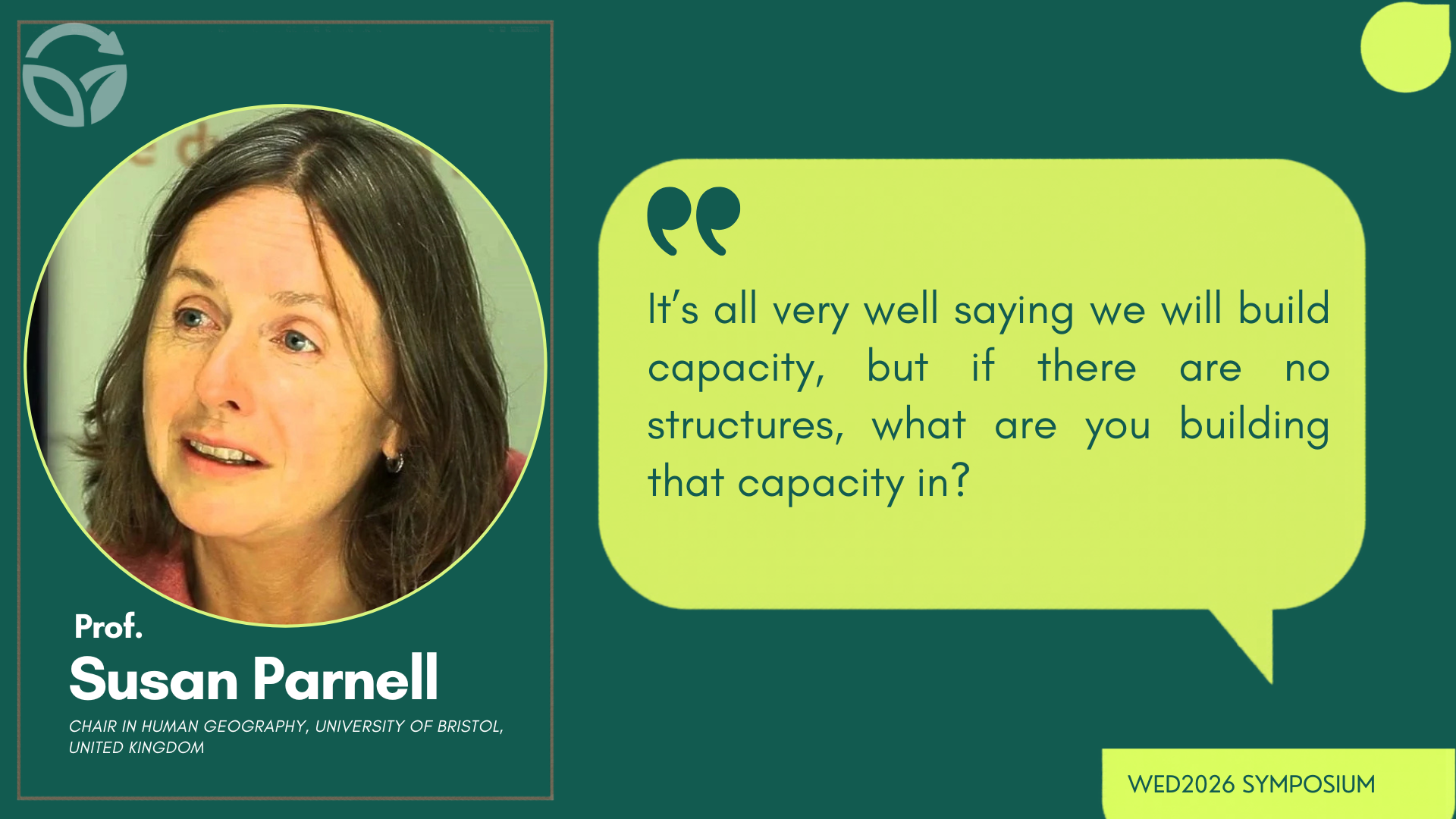
Professor Susan Parnell argued that urban climate mitigation and adaptation efforts are still not keeping pace with real-world challenges, despite major advances in climate science, co-production and transdisciplinary research. Institutional barriers continue to limit innovation and the uptake of knowledge.

Her response was to put governance at the centre of urban climate action — linking design, finance, data, analytics, capacity building, partnerships and participation across multiple scales. Cities should be understood as complex “systems of systems,” not as collections of isolated projects.

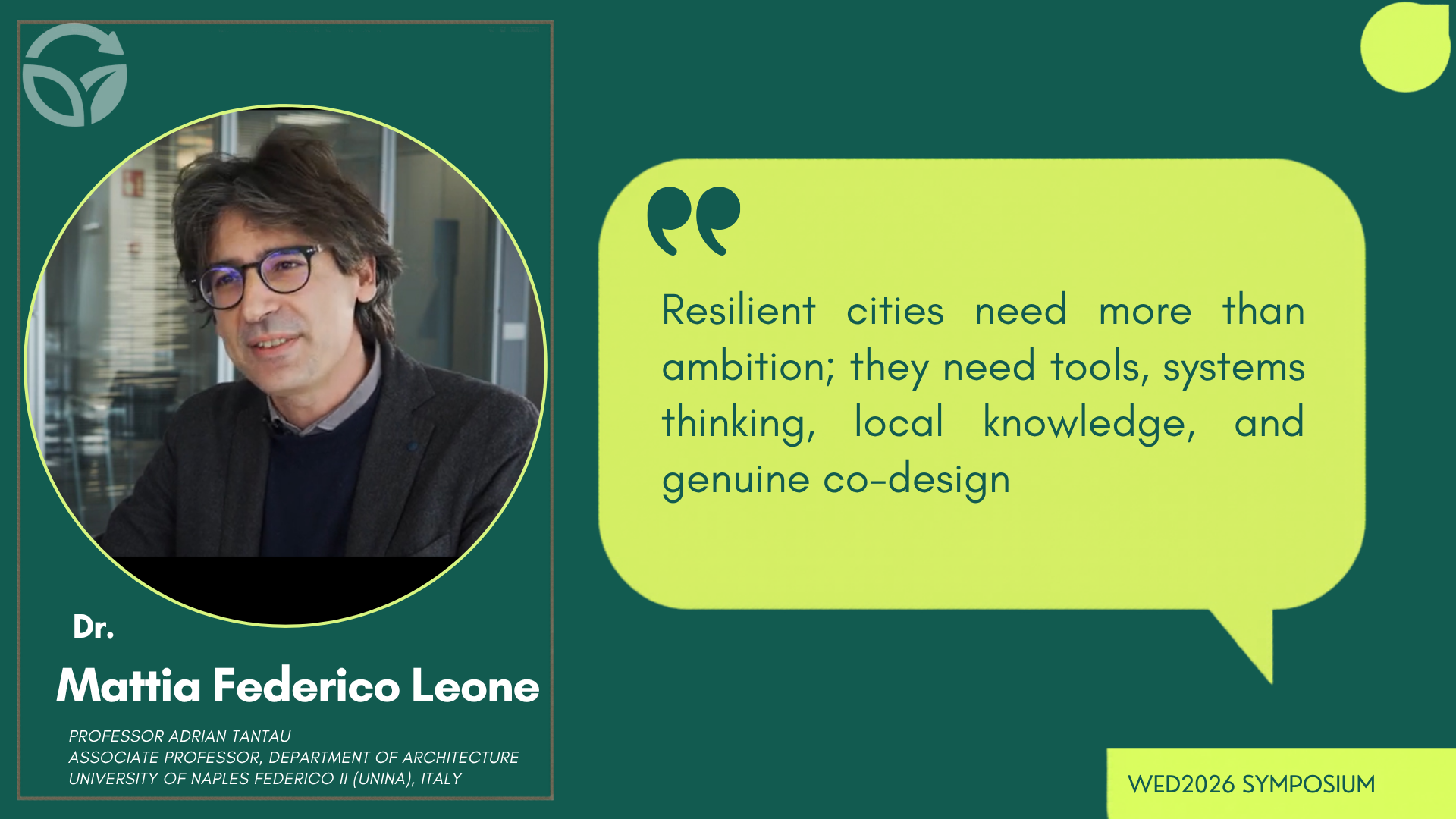
Dr. Mattia Federico Leone offered a practical example of this integration through the Urban Design Climate Workshop approach. Work in Naples has combined stakeholder engagement and community co-design with collaborative mapping, scenario modelling and climate analysis of heat, flooding, energy consumption and renewable-energy potential. It demonstrates what becomes possible when climate knowledge is produced with cities and communities, rather than simply delivered to them.

Circular systems and responsible technology
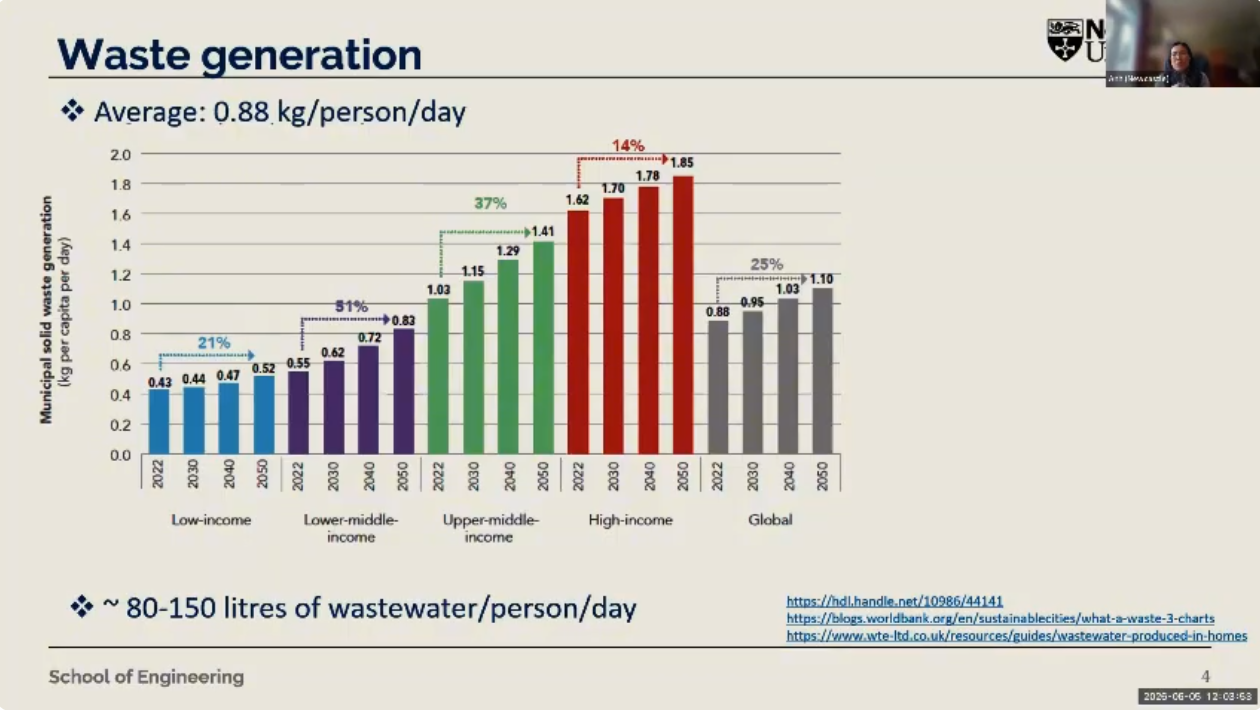
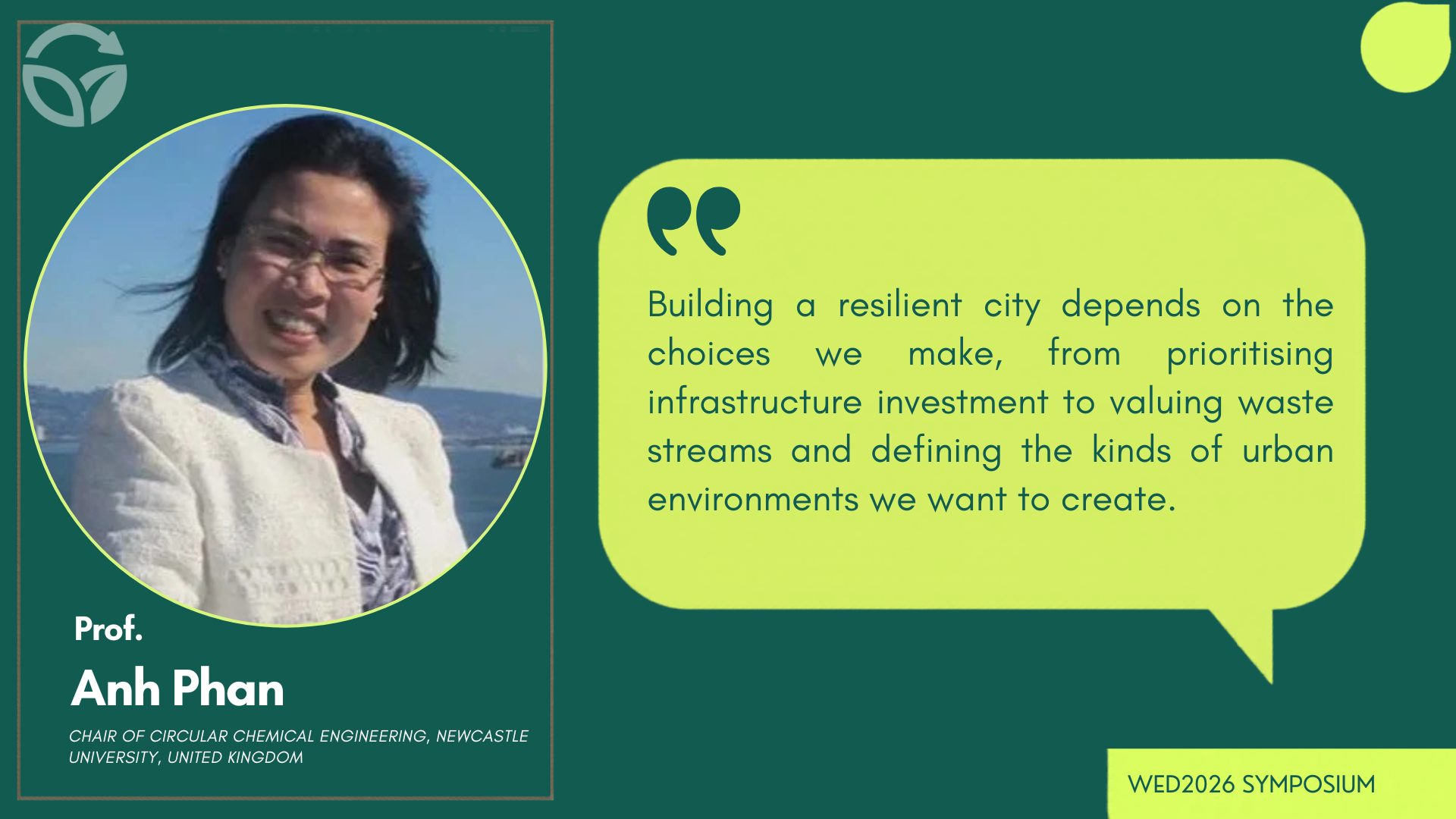
Professor Anh Phan brought a circular-engineering perspective to the symposium, showing how waste streams can be transformed into materials, chemicals and energy rather than treated only as disposal problems. Her presentation also explored wastewater as a source of safe water, biogas and other recoverable resources.

The symposium’s paper presentations widened the conversation to digital infrastructure. Dr. Eugenio Ferrer Santiago III examined the environmental paradox of using artificial intelligence to make cities smarter while the data centres that power AI consume substantial electricity, water, land and infrastructure capacity. He proposed planning tools such as dedicated data-centre zoning, environmental disclosure, renewable-energy requirements and community benefit agreements.

A poster presentation by Khadijat A. Sulaimon and Prof. L. O. Odokuma brought the conversation back to urban water security. Their groundwater-quality assessment around petrol stations near the University of Port Harcourt identified evidence consistent with underground storage-tank leakage and highlighted the public-health implications of petroleum hydrocarbons and heavy-metal contamination. Their recommendations included continuous groundwater monitoring, stronger storage-tank standards and institutional collaboration.

Justice must remain at the centre

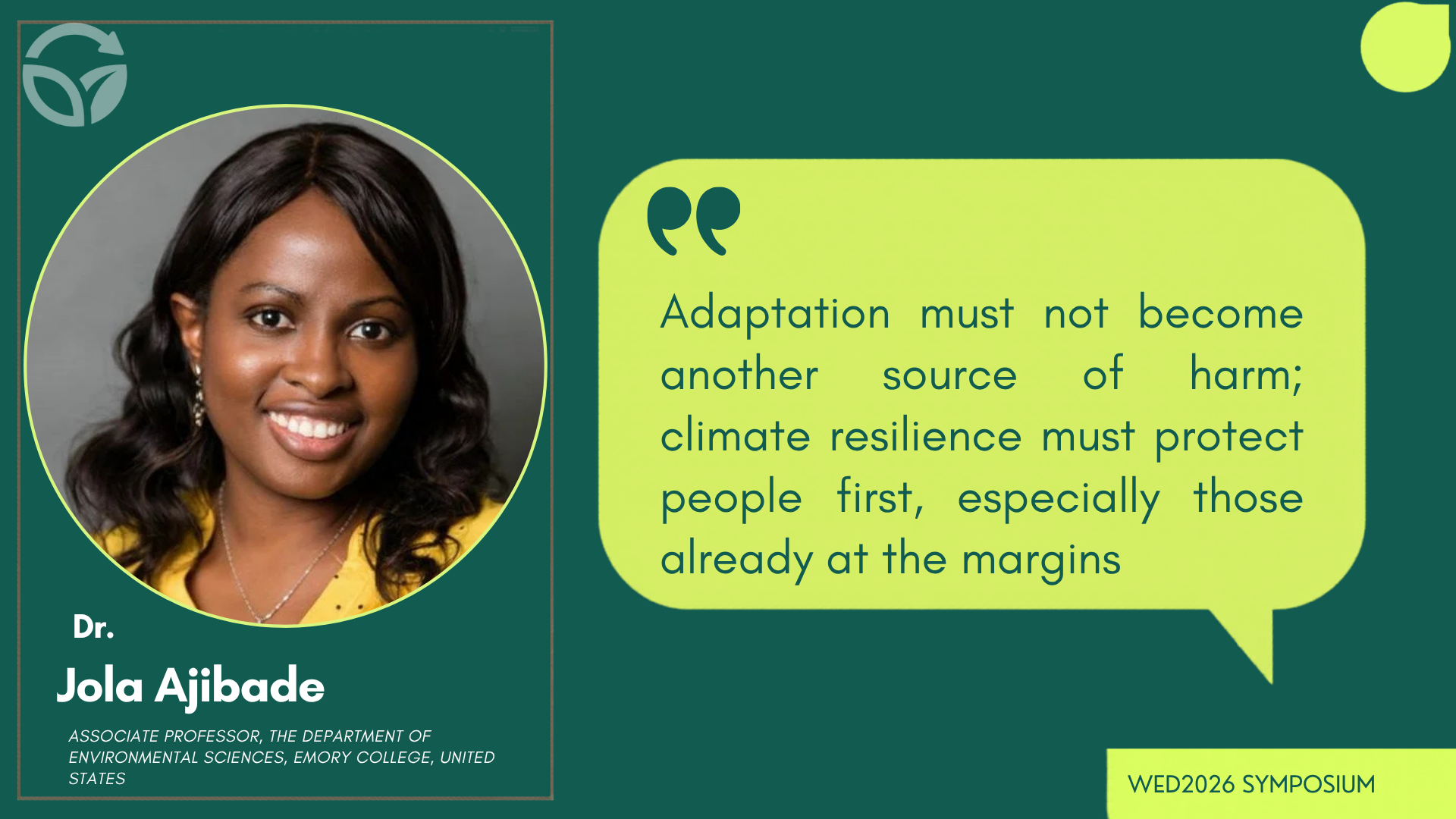
Dr. Jola Ajibade placed climate justice at the centre of the resilience debate. She described a century increasingly defined not by single disasters but by cascading risks: floods, heat waves, wildfires, droughts, infrastructure failure, migration pressures, conflict and economic shocks that interact and reinforce one another.

Her central question was not simply how cities adapt, but how they do so without creating new forms of harm. Adaptation projects can displace residents, reproduce inequality or shift risk from one population to another. Just resilience, therefore, must protect dignity, strengthen collective wellbeing and transform the systems that make some communities vulnerable in the first place.

That means residents — particularly people in informal settlements, coastal communities, women and young people — should not be treated only as beneficiaries or sources of data. Their knowledge should shape the design, implementation and evaluation of climate solutions.

Design for the hardest days, not only the ordinary ones
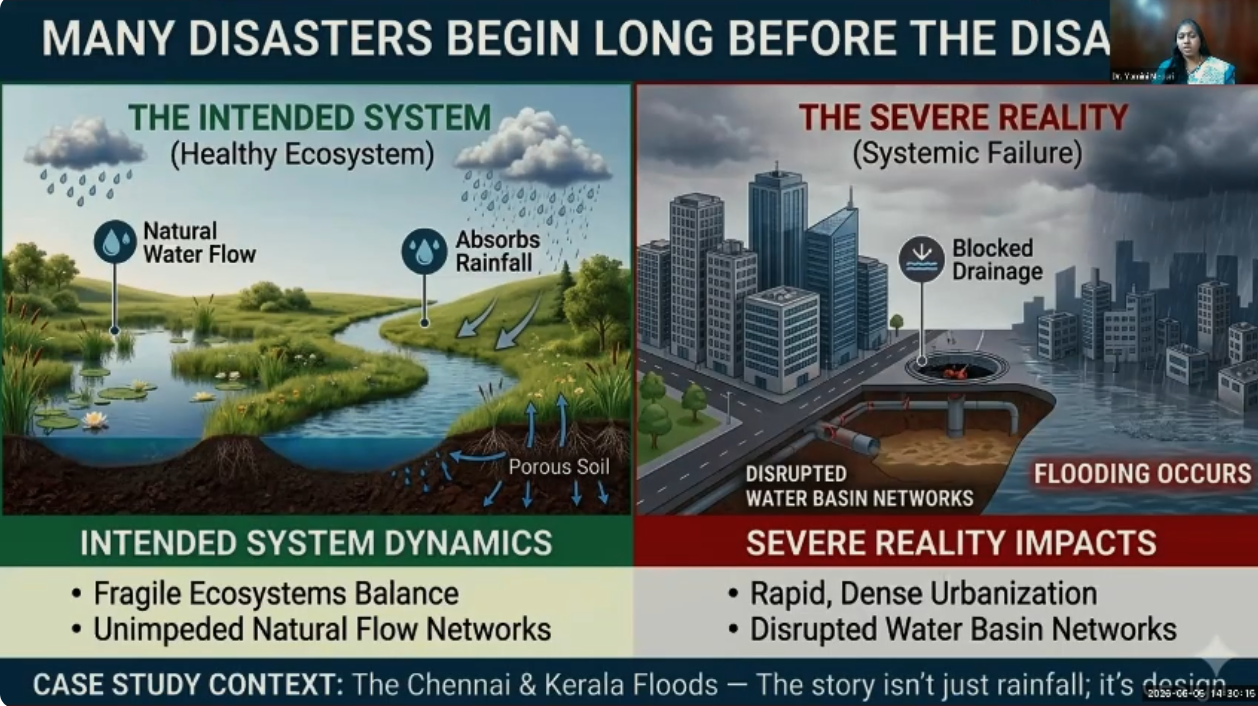
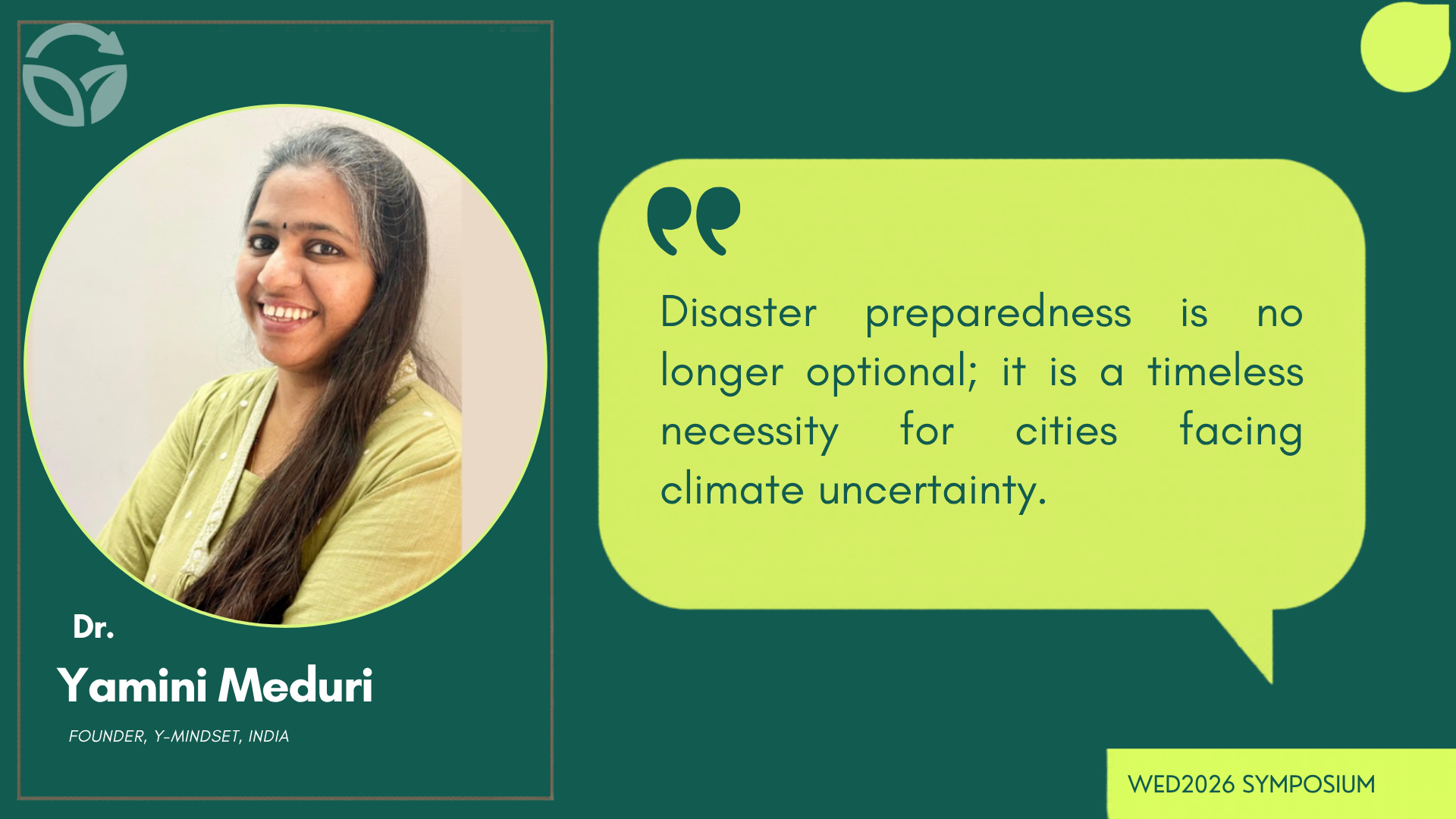
Dr. Yamini Meduri offered a practical test for resilience: can a city anticipate risk, absorb shocks, adapt, recover and learn? Her presentation emphasized that disasters expose the weakest connections between people, nature, governance, infrastructure and technology.

Resilience therefore needs to be embedded in master plans, zoning, infrastructure investment and urban policy before disruption occurs. Developers must design for future risks rather than historical patterns; technology should strengthen human systems; communities should participate in preparedness, not only recovery; and businesses must plan for continuity and shared responsibility.

A city may look successful on an ordinary day. The real test is how well it protects people when conditions are at their hardest.

A shared agenda for the cities ahead

By the end of the symposium, very different disciplines had converged around a remarkably consistent message: resilient cities must be measurable, inclusive, just, nature-positive, well-governed and rooted in the lived realities of the people who call them home.

They will require green and blue infrastructure, but also strong institutions. They will need sophisticated data, but also community knowledge. They will need new technologies, but also careful attention to their environmental footprint. And they will require investment not only in buildings and infrastructure, but in social cohesion, equity and institutional capacity.

The Green Institute closed the symposium with a call to move from knowledge to action — translating research into better planning, stronger policy, healthier neighbourhoods, accessible green spaces and safer futures for all. The future of sustainability will be shaped in our cities. The work of making those cities resilient must begin with the people who call them home.

Watch the Sessions and Access the Presentations

To watch the speakers' sessions and access the presentation slides, visit https://greeninstitute.ng/wed2026.
Community at the Centre: Energy Justice, Resilience and Innovation at Energies 3.0

THE GREEN INSTITUTE

Energies 3.0 Conference | April 22–24, 2026 | Hybrid
Theme: Community-Led Transitions: Energy Justice, Resilience, and Innovation in the Global South
Convened by The Green Institute

What does a truly just energy transition look like when viewed from the communities that must live with its consequences?

That question was at the heart of Energies 3.0, The Green Institute’s flagship energy conference held from April 22–24, 2026, alongside the Advanced Certificate in Energy Transition and Sustainability for Oil, Gas, and Allied Sector Professionals.

Across three days of hybrid engagement, researchers, policymakers, legal experts, energy practitioners, industry leaders and emerging voices examined the future of energy through a distinctly Global South lens. Rather than treating decarbonisation as a purely technological exercise, Energies 3.0 placed access, justice, participation, resilience, local ownership and human dignity at the centre of the conversation.

The urgency of this perspective was captured in the opening remarks by Dr. Adenike Akinsemolu, Founder and Global Director of The Green Institute. Recalling a visit to a community with highly unreliable electricity, she shared the words of a young girl: “We don't plan our lives around time, we plan our lives around light.” For Akinsemolu, the encounter was a reminder that energy is ultimately about far more than infrastructure: it determines people’s ability to exercise control over their lives and futures.

That human-centred framing set the direction for a conference committed to asking not only how much renewable energy can be deployed, but who decides, who participates, who benefits, who carries the risks, and who may still be excluded.

Rethinking Africa’s “energy transition”

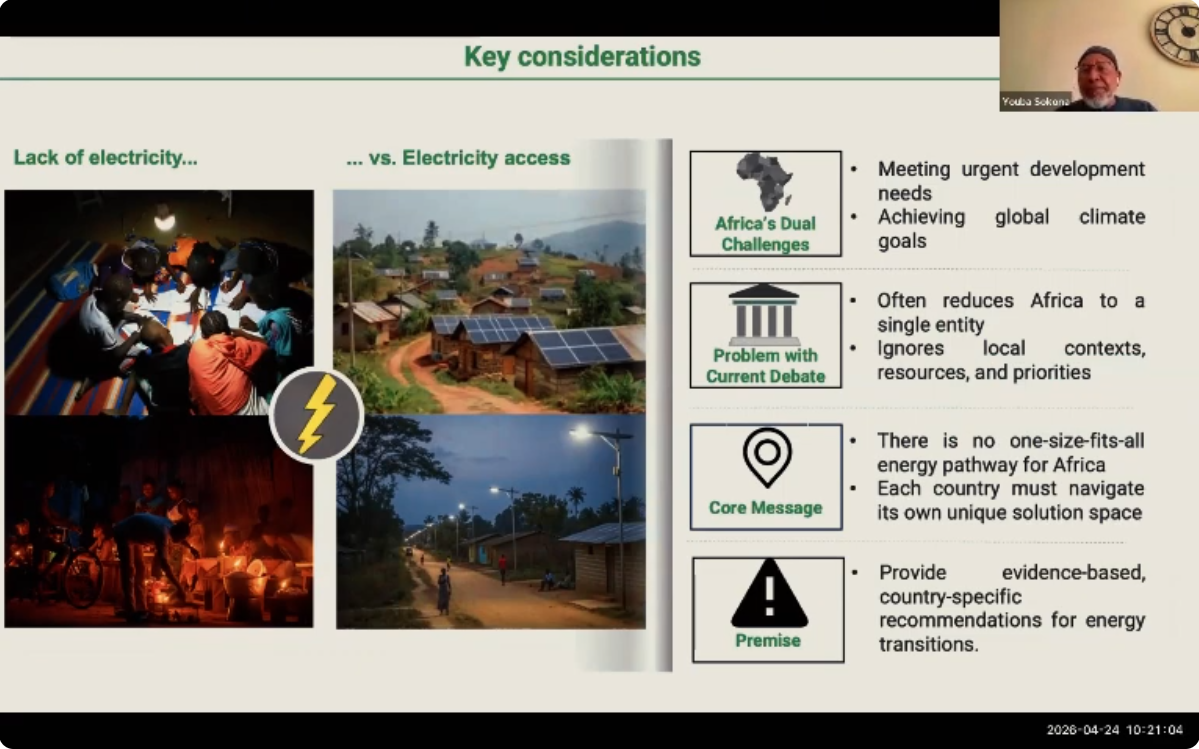
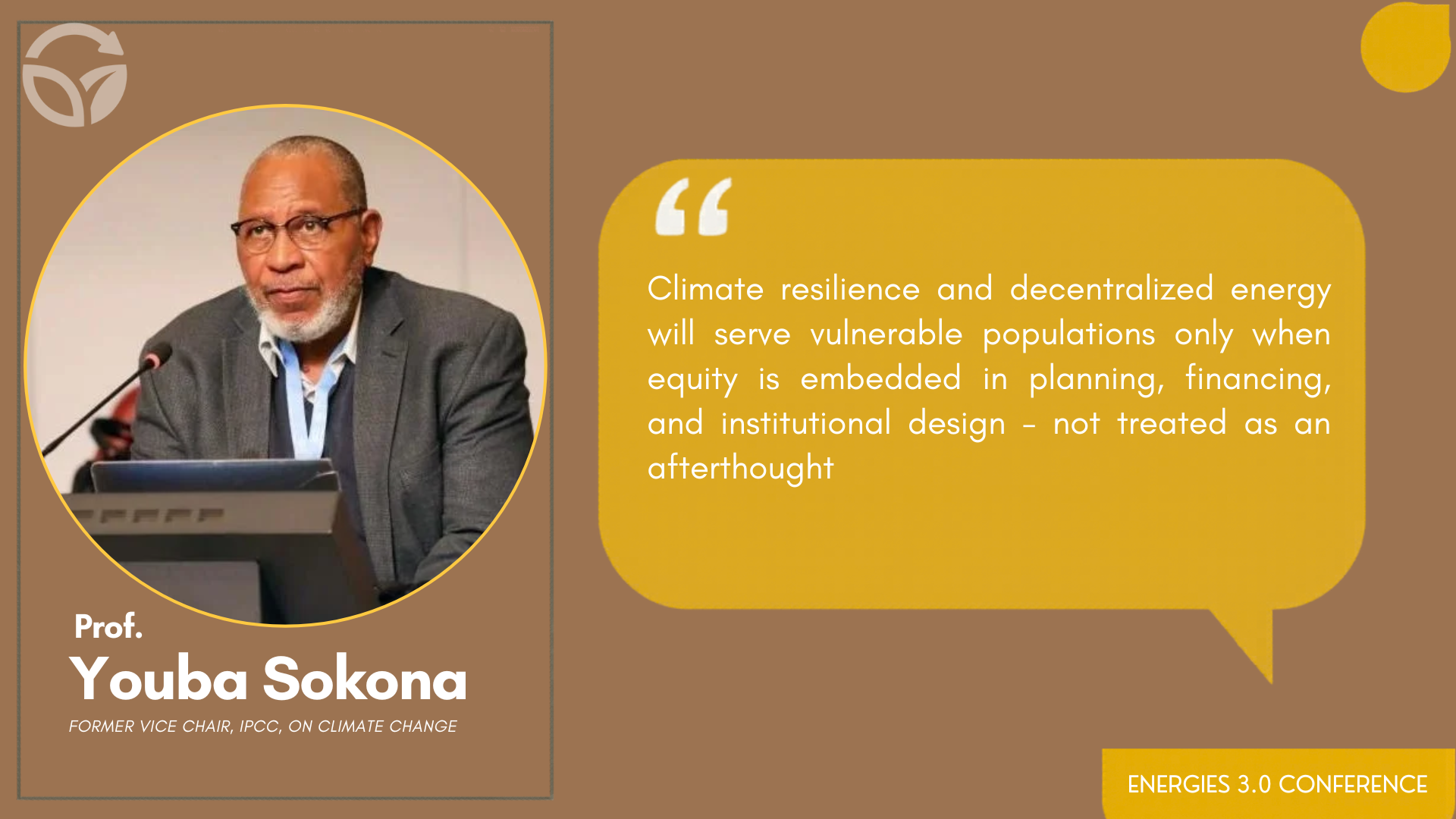
The keynote address by Prof. Youba Sokona, former Vice Chair of the Intergovernmental Panel on Climate Change (IPCC), challenged conventional assumptions about what an African energy transition should mean.

Sokona argued that Africa’s most fundamental transition remains the movement away from traditional biomass, fuelwood and charcoal towards adequate, reliable and affordable modern energy services. He positioned the challenge at the intersection of energy, climate and development, stressing that African pathways must first deliver livelihoods, equity, economic transformation and climate resilience.

Importantly, he rejected a one-size-fits-all approach. African countries enter the transition from vastly different levels of electricity access, institutional strength, renewable resources, financing costs and development priorities. Consequently, individual countries—and even communities within them—need solutions grounded in their own circumstances.

The implication was clear: the Global South should not simply inherit transition pathways conceived elsewhere. Energy futures must be development-led, context-specific and capable of reflecting local priorities.

Watch Prof. Youba Sokona’s keynote address | Read the press release

Decentralisation as a strategy, not an afterthought

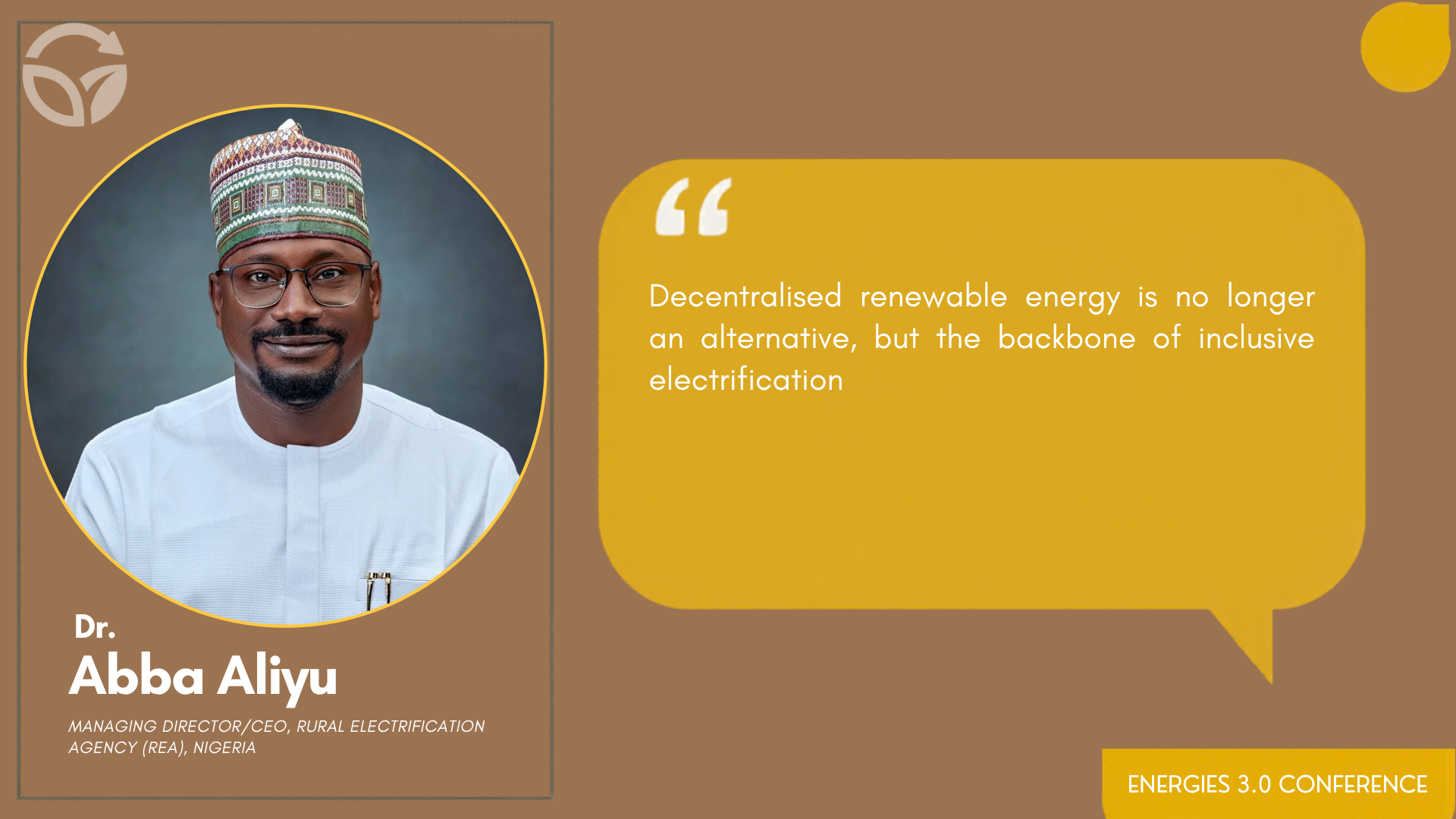
One of the strongest practical illustrations came from Dr. Abba Aliyu, Managing Director/CEO of Nigeria’s Rural Electrification Agency.

Aliyu reframed Africa’s electricity challenge as not simply an absence of energy resources, but a delivery problem: how can reliable power reach people quickly, affordably and sustainably? His answer placed decentralised systems—including solar home systems, mini-grids and interconnected mini-grids—at the centre of the strategy rather than at its margins.

He discussed Nigeria’s use of public finance to catalyse significantly larger pools of private investment, alongside efforts to strengthen renewable-energy companies, local financing, domestic manufacturing and skills development. For Aliyu, decentralisation is increasingly becoming a mechanism through which energy access, industrial development and local capacity can advance together.

Watch Dr. Abba Aliyu’s session | Read the press release

Building institutions that can sustain decentralised energy

Technology alone, however, cannot create resilient electricity markets.

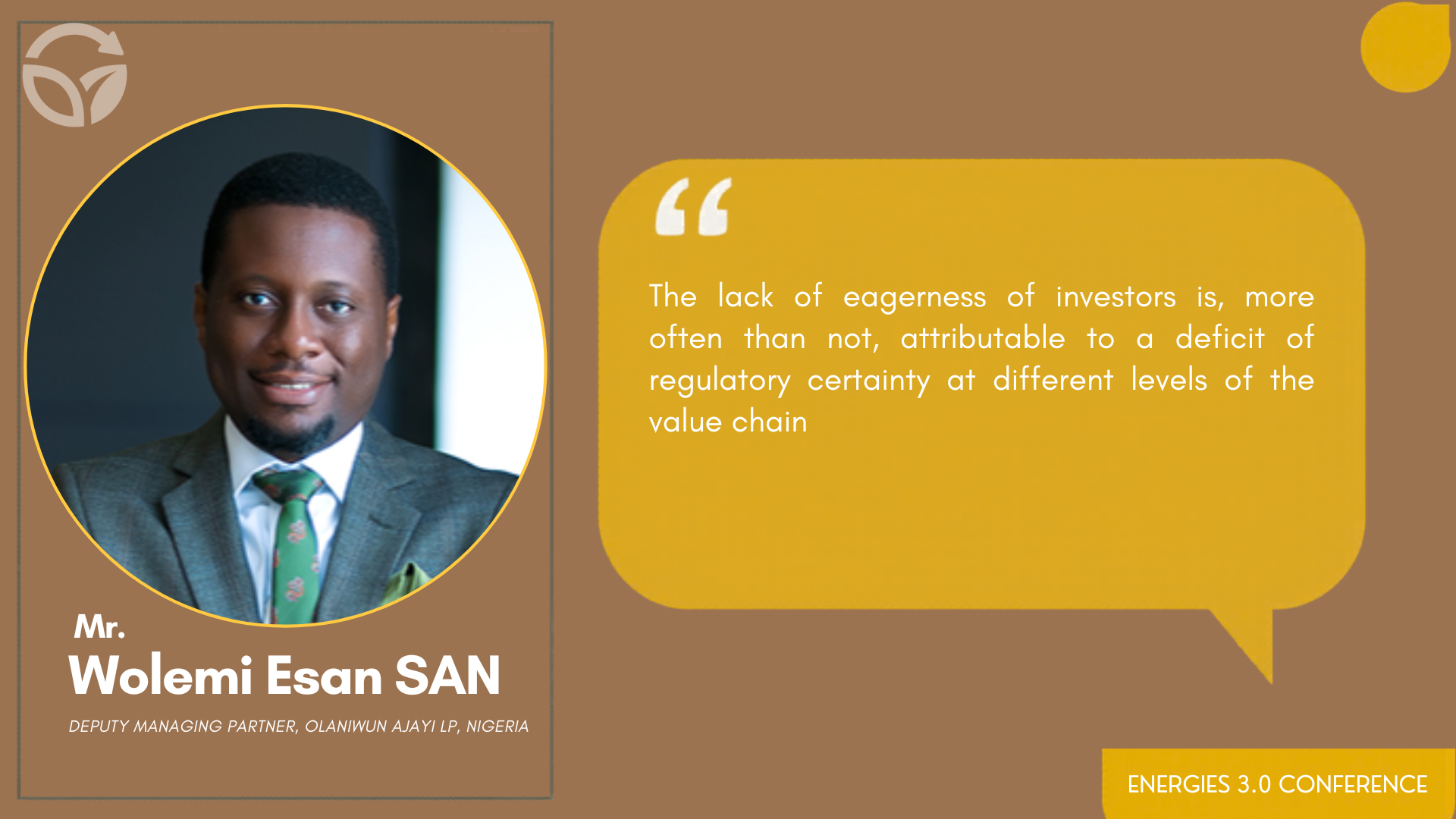
Wolemi Esan, SAN, Deputy Managing Partner at Olaniwun Ajayi LP, examined the legal and institutional dimensions of decentralisation in Nigeria. His presentation explored opportunities arising from decentralised markets—including locally tailored energy solutions, more responsive tariff structures, streamlined licensing, community-owned mini-grids and improved resilience—while positioning energy justice as an important objective of reform.

The deeper message was that sustainable decentralisation depends on regulatory sequencing, institutional coordination, durable legal frameworks and mechanisms capable of addressing commercial disruptions—not merely new technologies.

Watch Wolemi Esan, SAN | Download the presentation

Energy democracy: access is not enough

Several Energies 3.0 speakers pushed the conversation beyond physical electricity connections towards agency and participation.

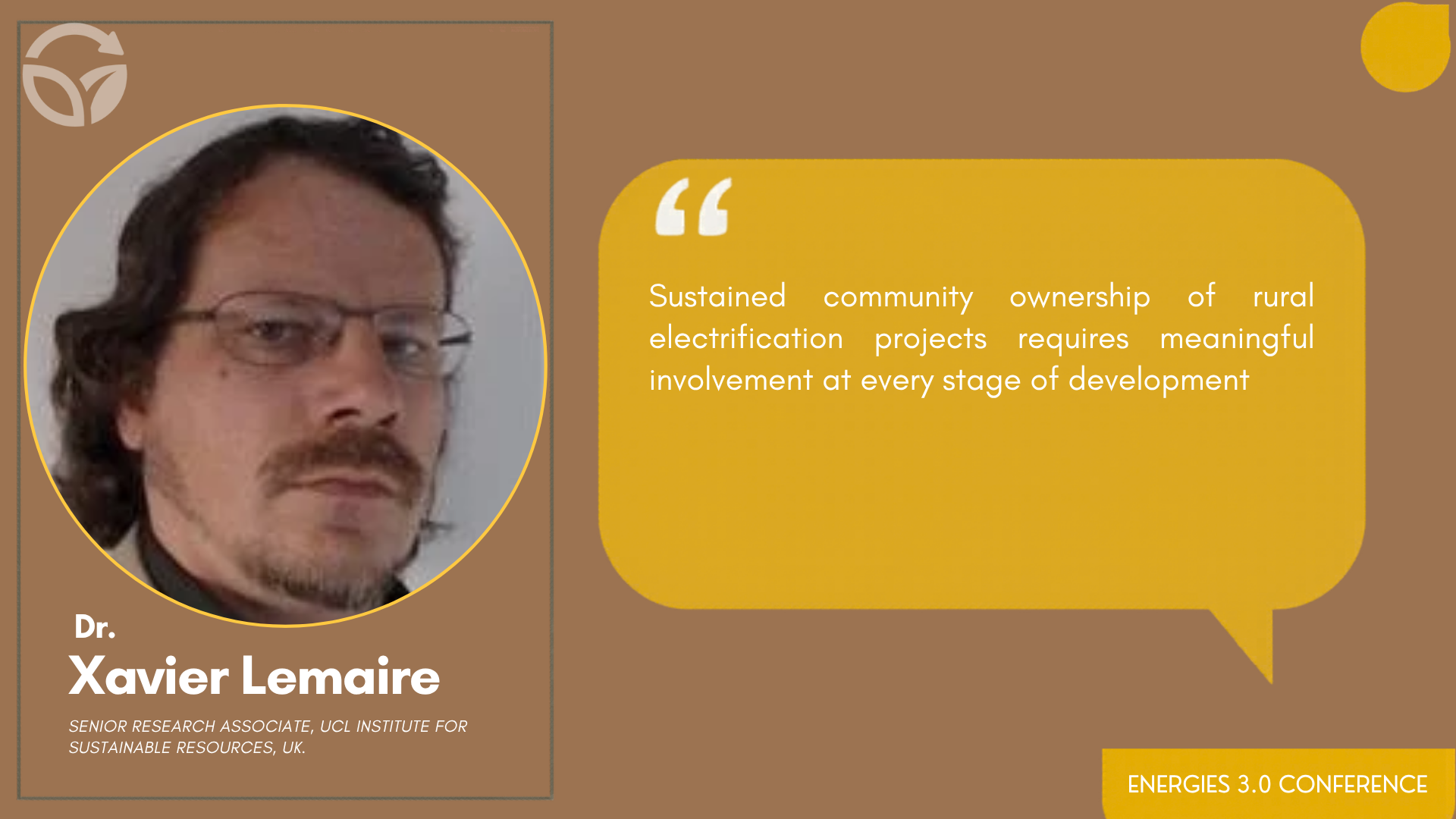
Dr. Xavier Lemaire of UCL Institute for Sustainable Resources asked whether energy democracy can actually achieve energy justice. His presentation cautioned that renewable energy deployment can still reproduce inequality through high upfront costs, unequal land impacts, concentrated capital ownership, unaffordable tariffs and differences in households’ ability to turn electricity access into socioeconomic benefit.

He therefore highlighted citizen assemblies, community energy structures and meaningful participation as mechanisms for connecting national policy choices with local decision-making.

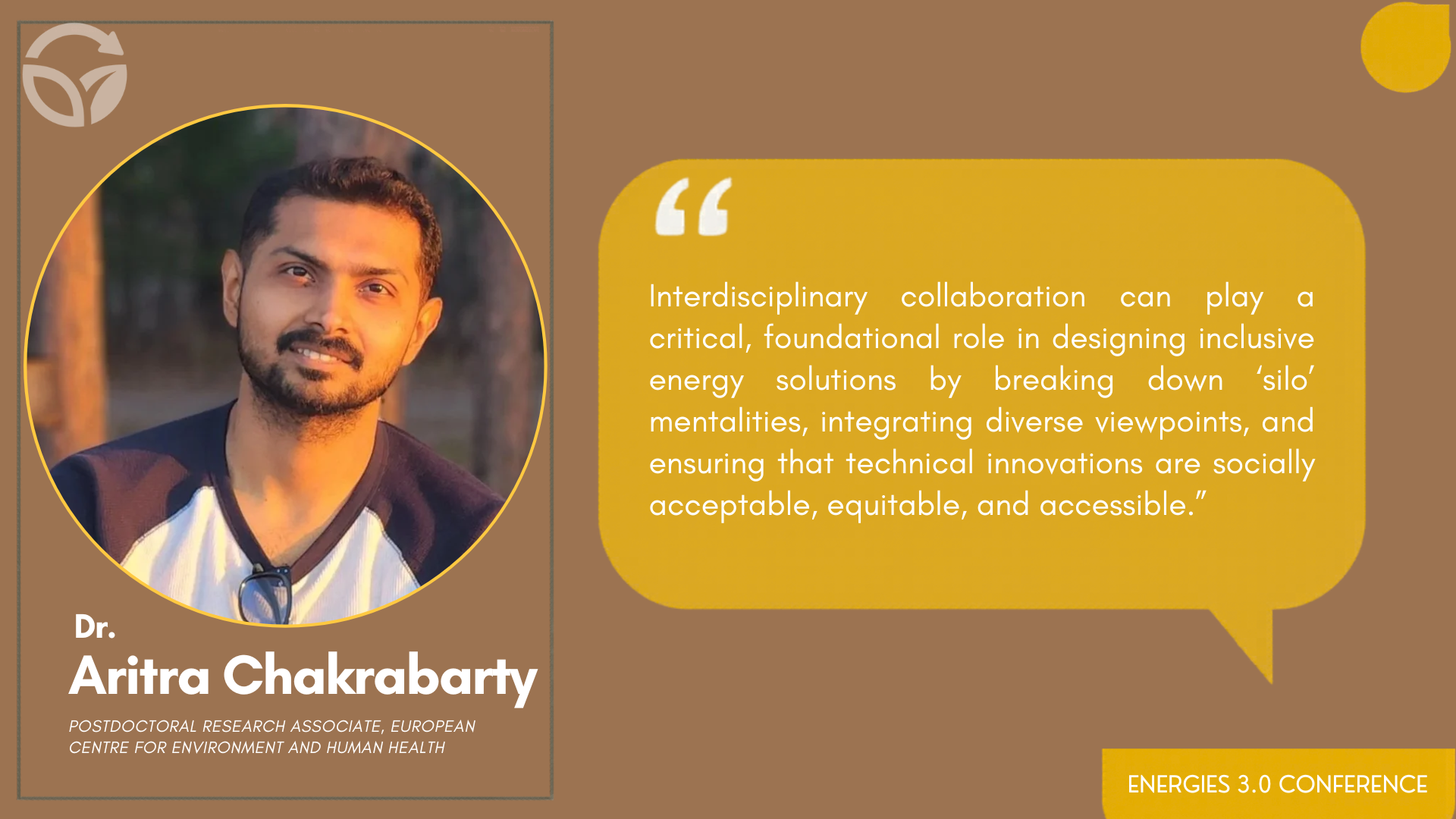
Similarly, Dr. Aritra Chakrabarty of the University of Exeter stressed that “local” does not automatically mean equitable. Community energy can remain embedded in inequalities of gender, class and ethnicity, with uneven access, participation and distribution of benefits. His contribution shifted the discussion from energy access to energy agency—asking who controls systems, who participates in decisions and who ultimately benefits.

Watch Dr. Xavier Lemaire | Download his presentation

Watch Dr. Aritra Chakrabarty | Download his presentation

From “social licence” to genuine community power

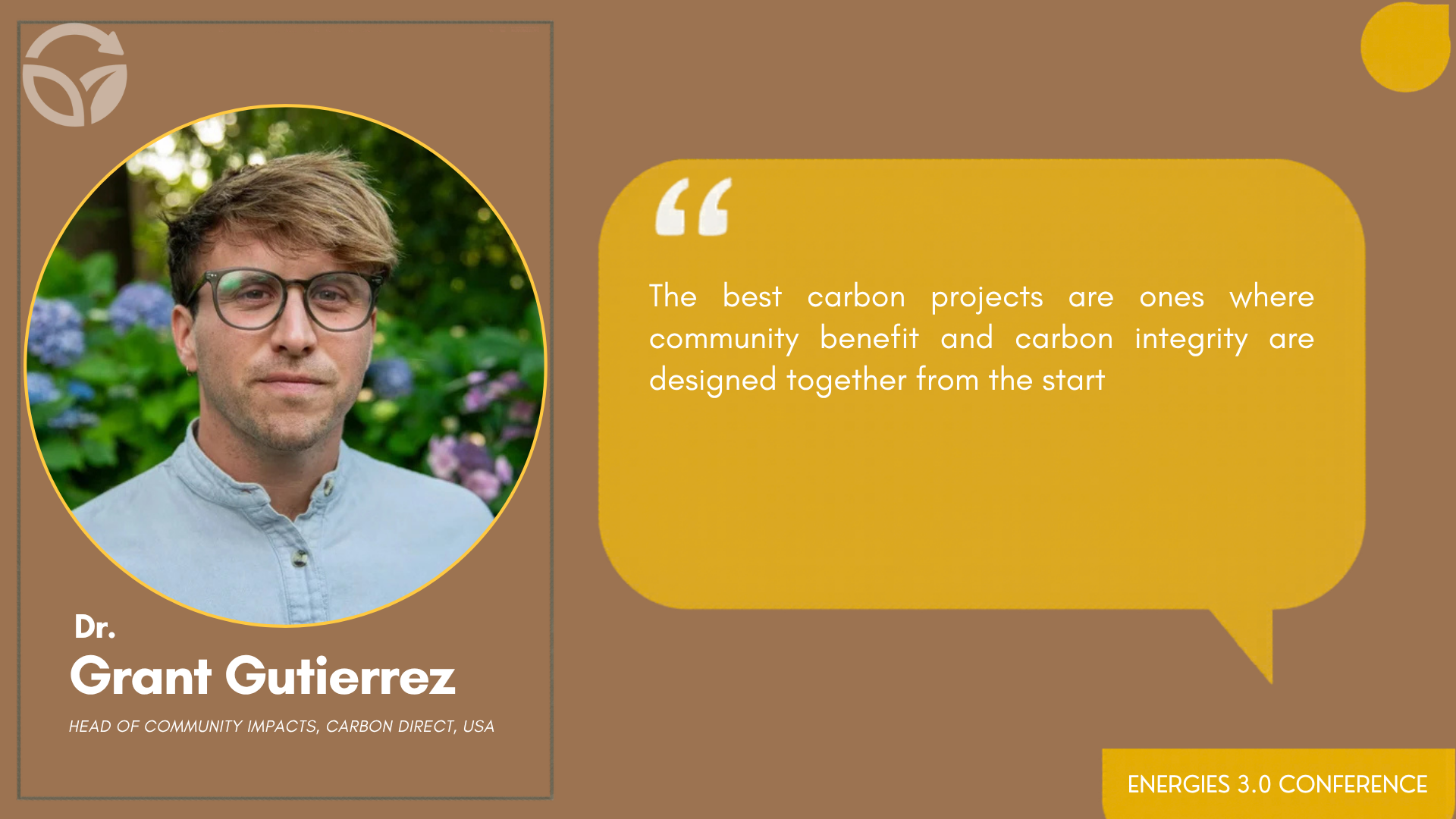
Dr. Grant Gutierrez, Head of Community Impacts at Carbon Direct, extended this discussion into project governance.

His presentation, From Social License to Social Contract, argued for moving beyond community engagement models in which populations are merely informed or consulted after important decisions have effectively been made.

Gutierrez proposed three principles with wider relevance to energy development: establish accountable governance before allocating money; define beneficiaries according to the real social and economic territory affected by a project rather than only its legal footprint; and create long-term, revenue-linked benefits that endure throughout a project’s lifecycle rather than ending after permitting or construction.

This represents a significant shift in thinking: communities should not simply receive compensation for hosting energy infrastructure. They should have a meaningful role in governance, benefit allocation and long-term value creation.

Climate intelligence is energy infrastructure too

Resilience also depends on understanding a changing climate.

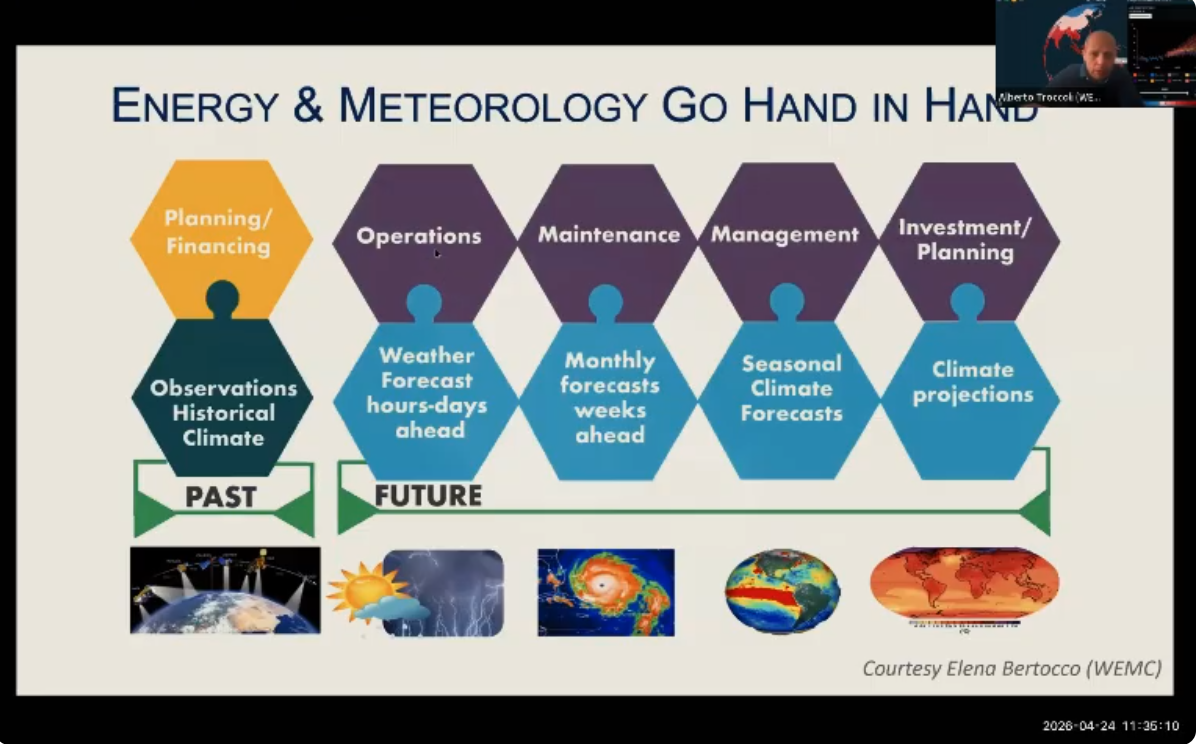
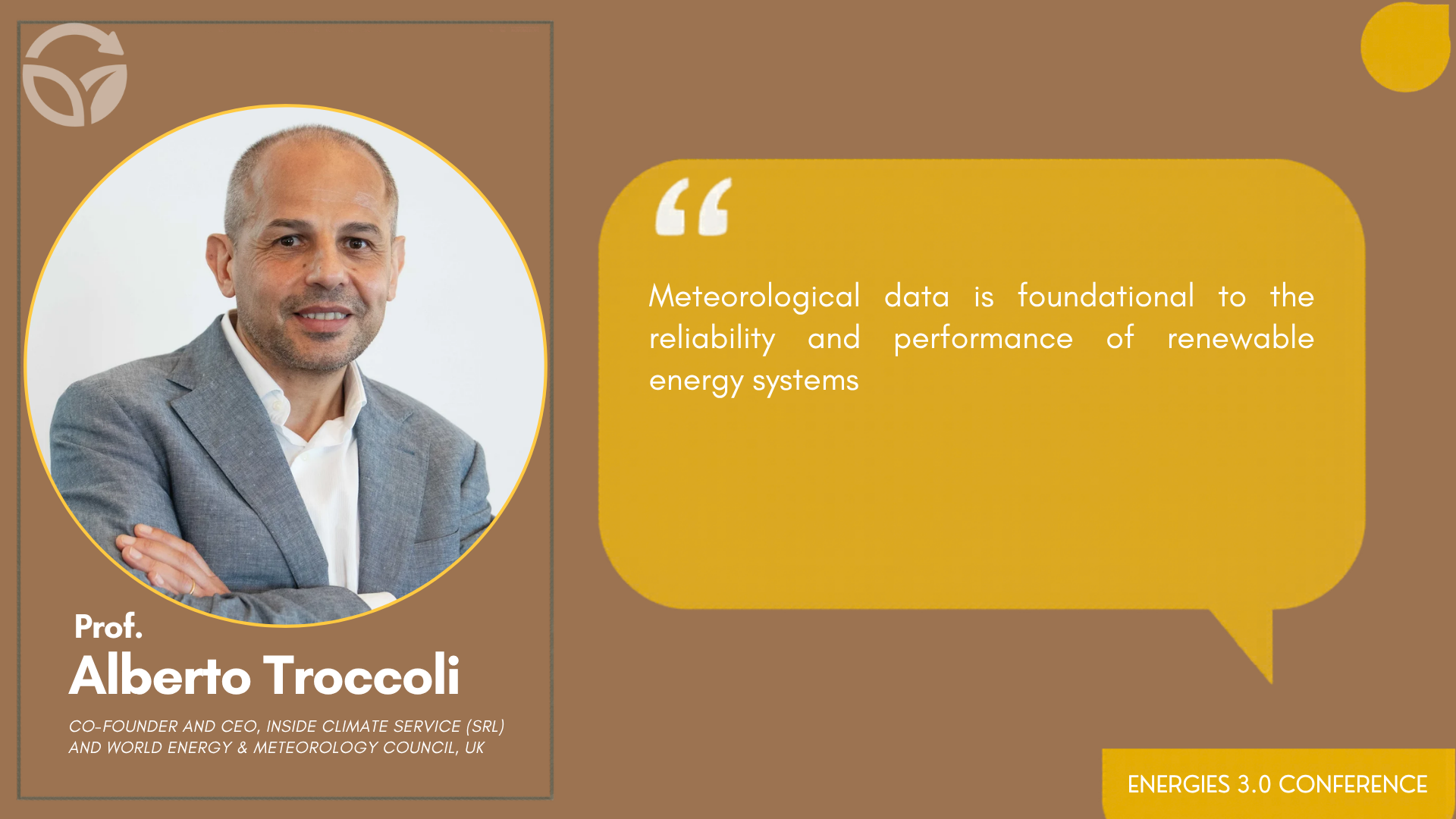
Prof. Alberto Troccoli, Co-founder and CEO of Inside Climate Service and the World Energy & Meteorology Council, explored how climate and weather affect global energy systems.

His central message was that climate variability is already reshaping energy planning. Changes in temperature, wind, solar and hydropower conditions mean that climate information must increasingly inform investment and operations. Better observations, seasonal forecasts and region-specific planning tools can strengthen grid resilience, operational readiness and risk-informed investment—particularly across regions with rapidly growing electricity demand.

Watch Prof. Alberto Troccoli | Read the press release

Financing a just transition—and financing the right transition

The availability of finance emerged repeatedly as both an opportunity and a constraint.

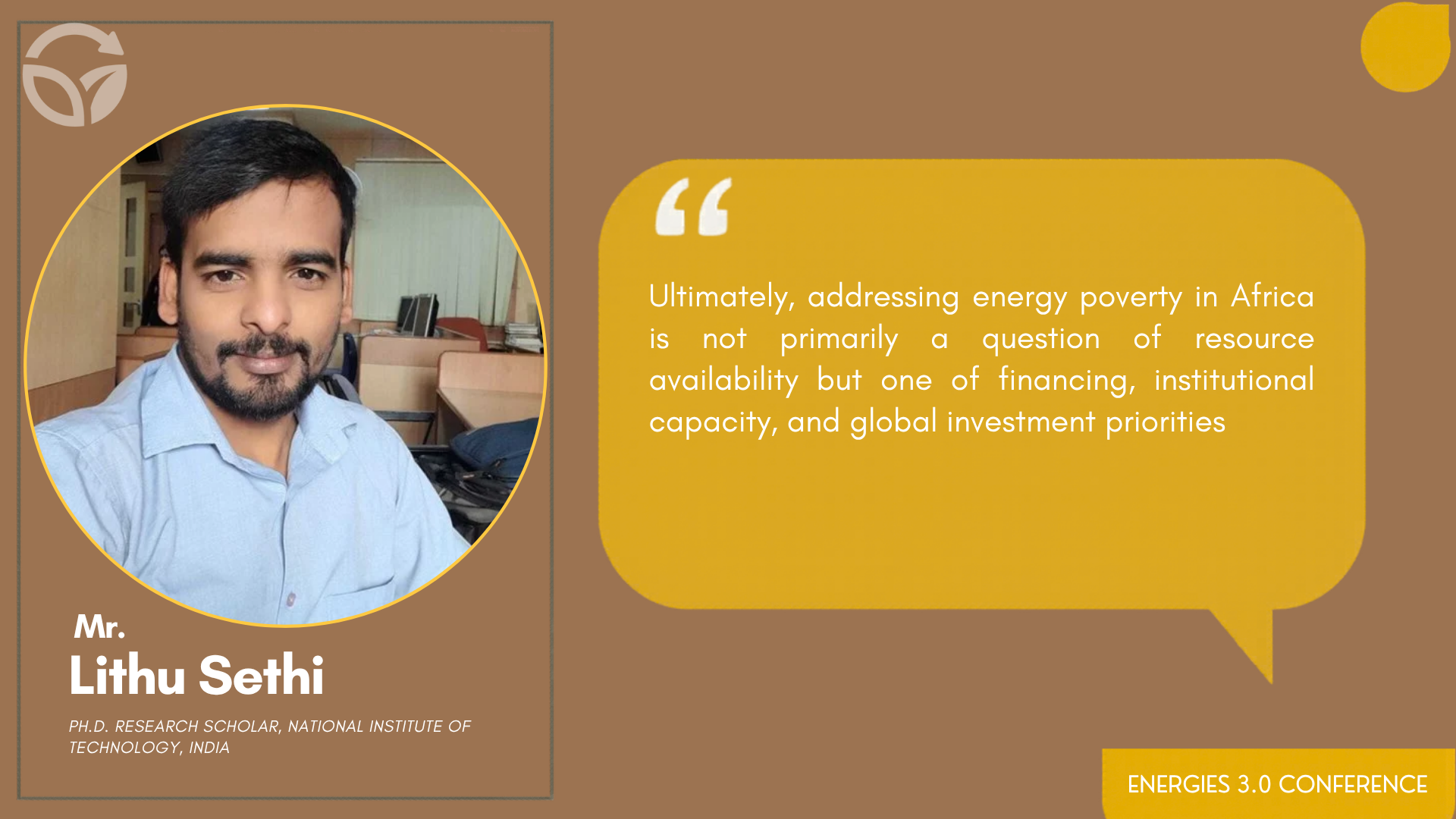
Litu Sethi, Ph.D. Research Scholar at the National Institute of Technology Rourkela, examined community-led energy transitions through the energy trilemma of security, equity and environmental sustainability.

His research found that energy investment and stronger financial systems can improve energy security and equity in developing countries by expanding access and enabling infrastructure investment. Yet the findings also issued a warning: financial expansion does not automatically improve environmental sustainability when investment continues to flow towards carbon-intensive technologies.

The financing challenge, therefore, is not simply to mobilise more capital. It is to direct capital towards solutions that improve access, affordability, resilience and decarbonisation simultaneously.

Watch Litu Sethi’s session | Download the presentation

Innovation from waste, law, youth and communities

Energies 3.0 deliberately expanded the meaning of energy innovation beyond solar panels and electricity grids.

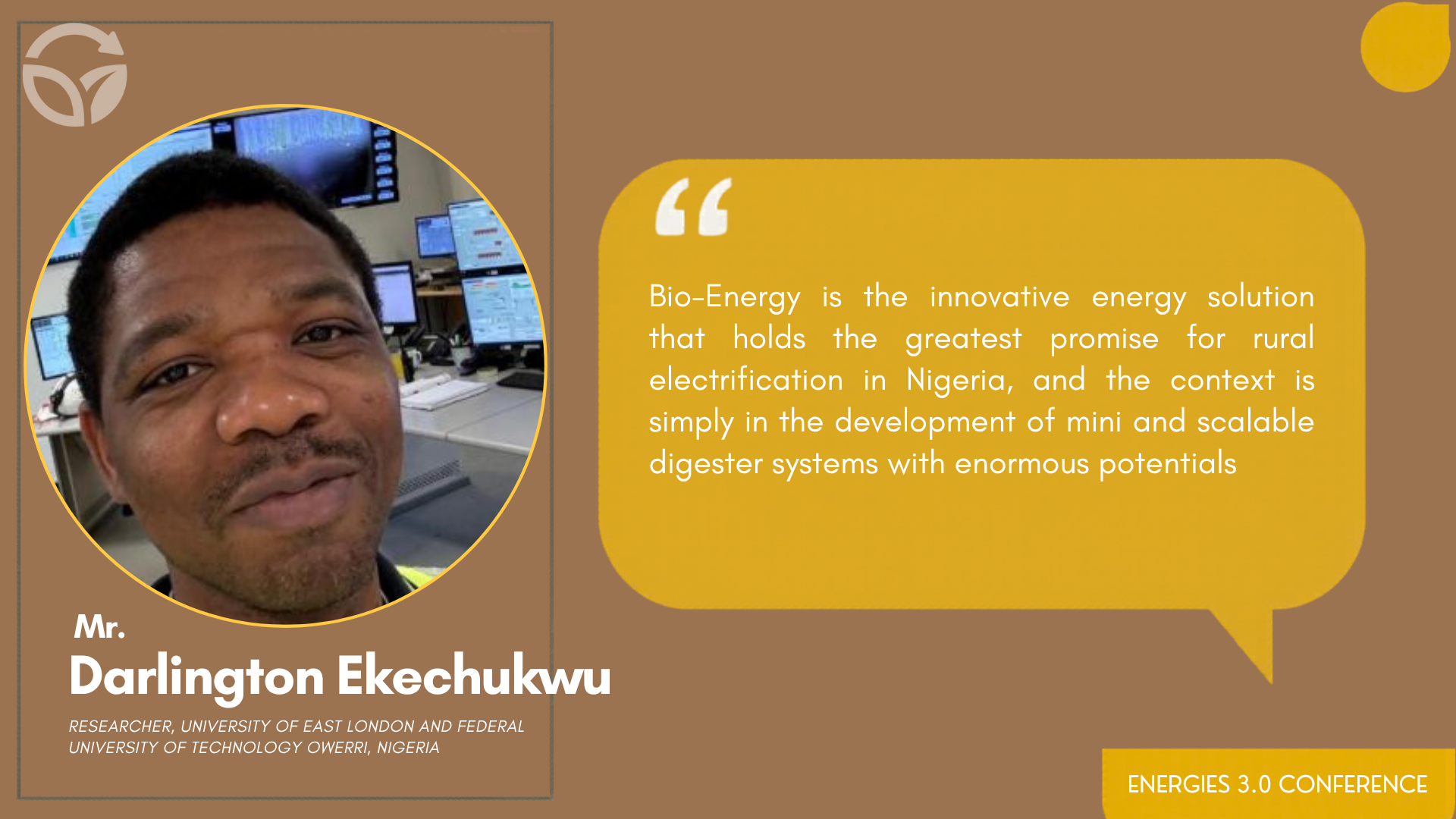
Darlington Ekechukwu explored energy recovery from waste in Nigeria, presenting waste-to-energy as a pathway for converting non-recyclable materials into electricity, heat and recoverable resources while supporting circular-economy objectives, reducing landfill dependence and potentially improving energy security.

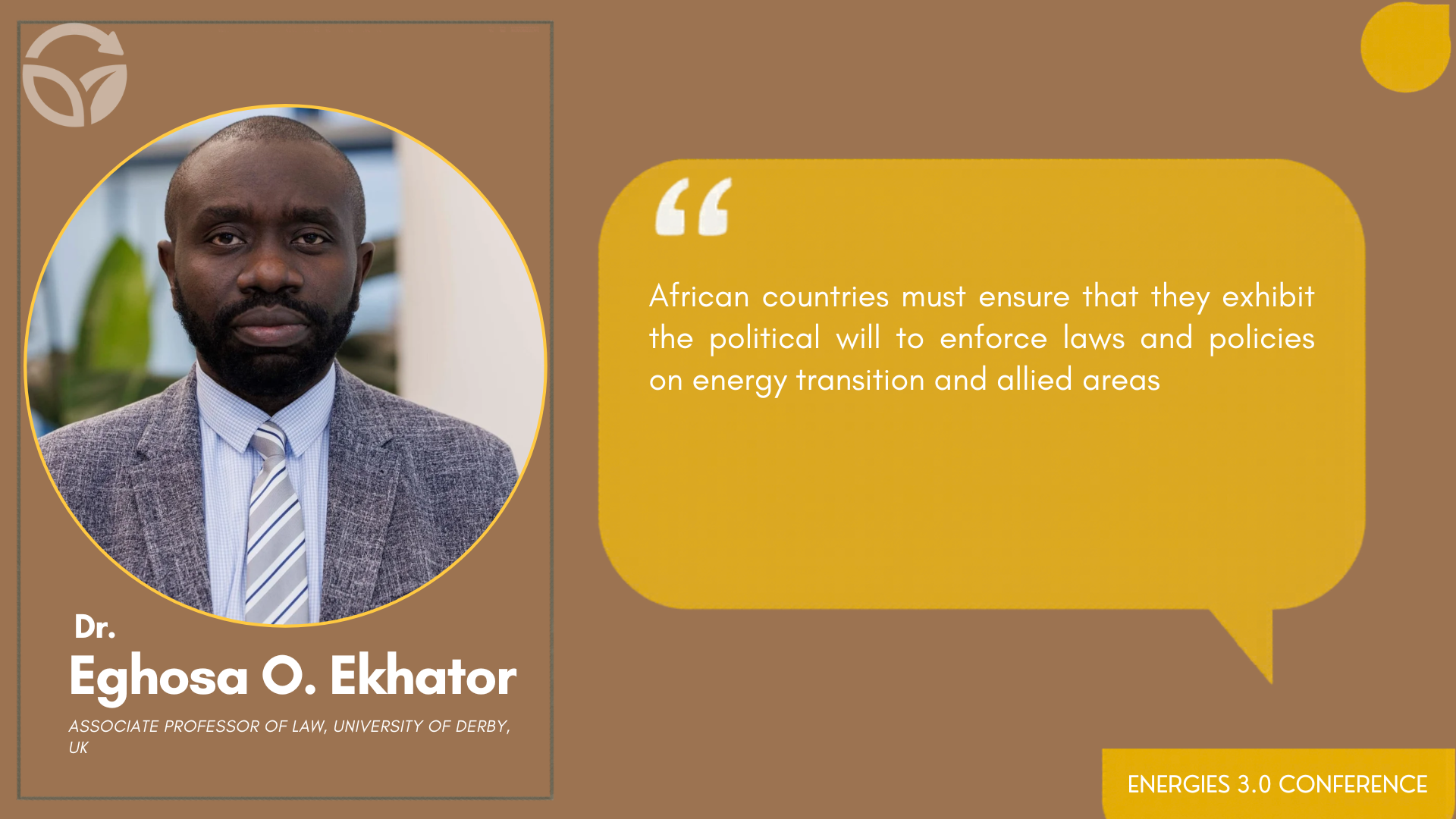
Dr. Eghosa O. Ekhator, Associate Professor of Law at the University of Derby, examined corporate accountability and the potential of climate litigation in Nigeria. His session considered the evolving legal basis for climate action, including opportunities and limitations within Nigeria’s Climate Change Act and debates over access to justice for communities and individuals affected by climate harm.

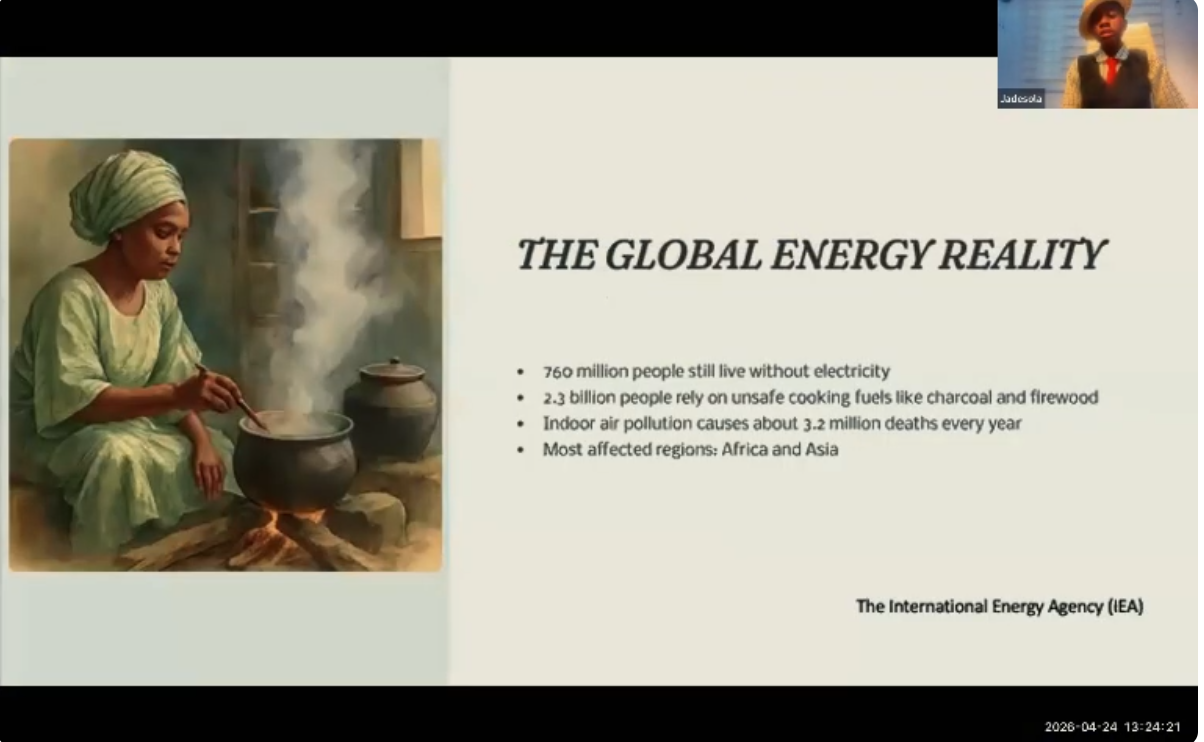
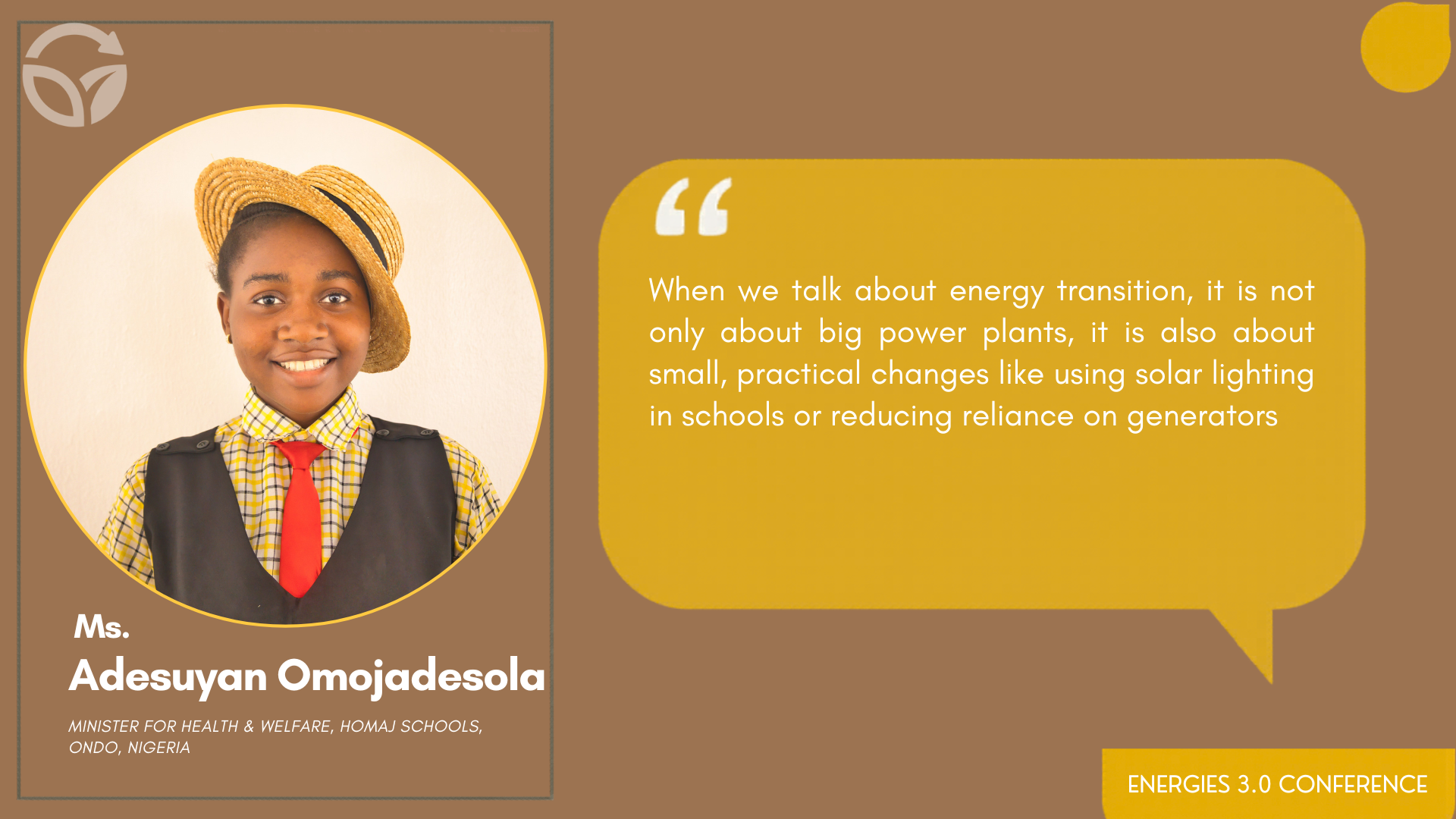
And Adesuyan Omojadesola brought an important youth perspective through Youth Action for Community Clean Energy. Her presentation connected clean energy to health, economic development and environmental protection while emphasizing young people’s capacity to influence household behaviour, spread new ideas and lead community change. Watch the session | Download the presentation

These contributions reinforced one of the conference’s defining principles: innovation must be understood as technical, social, legal, financial and institutional.

A transition measured by dignity

By the close of Energies 3.0, one idea connected discussions spanning law, finance, climate science, electricity regulation, gender, youth participation, community governance and renewable technology: a transition cannot be considered successful merely because it is cleaner.

It must also be fair.

It must expand meaningful access. It must strengthen rather than weaken communities. It must recognise different local realities. It must allow people affected by energy decisions to participate in making those decisions. And it must create durable opportunities for livelihoods, ownership and resilience.

The closing reflections captured that collective direction: energy should be understood not simply as infrastructure, but as a foundation for justice, resilience and human dignity, while Global South transitions must remain inclusive, context-specific and community-led.

That is the challenge Energies 3.0 leaves with policymakers, investors, researchers, companies and communities: not simply to build a low-carbon energy future, but to decide together what kind of future that energy should make possible.

Continue the Energies conversation

Sessions from Energies 3.0 are available to revisit online. Watch the conference sessions and explore the individual presentations, press releases and recordings from speakers across the programme.

The Advanced Certificate in Energy Transition and Sustainability for Oil, Gas, and Allied Sector Professionals, presented alongside Energies 3.0, further extends this conversation into professional learning and capacity building—supporting the knowledge and skills needed to navigate an energy system undergoing profound technological, regulatory and social change.

Energies 3.0 demonstrated that the future of energy in the Global South will not be determined by technology alone. It will be determined by whose knowledge counts, whose voices shape decisions, where capital flows, how institutions respond—and whether communities themselves have the power to lead.