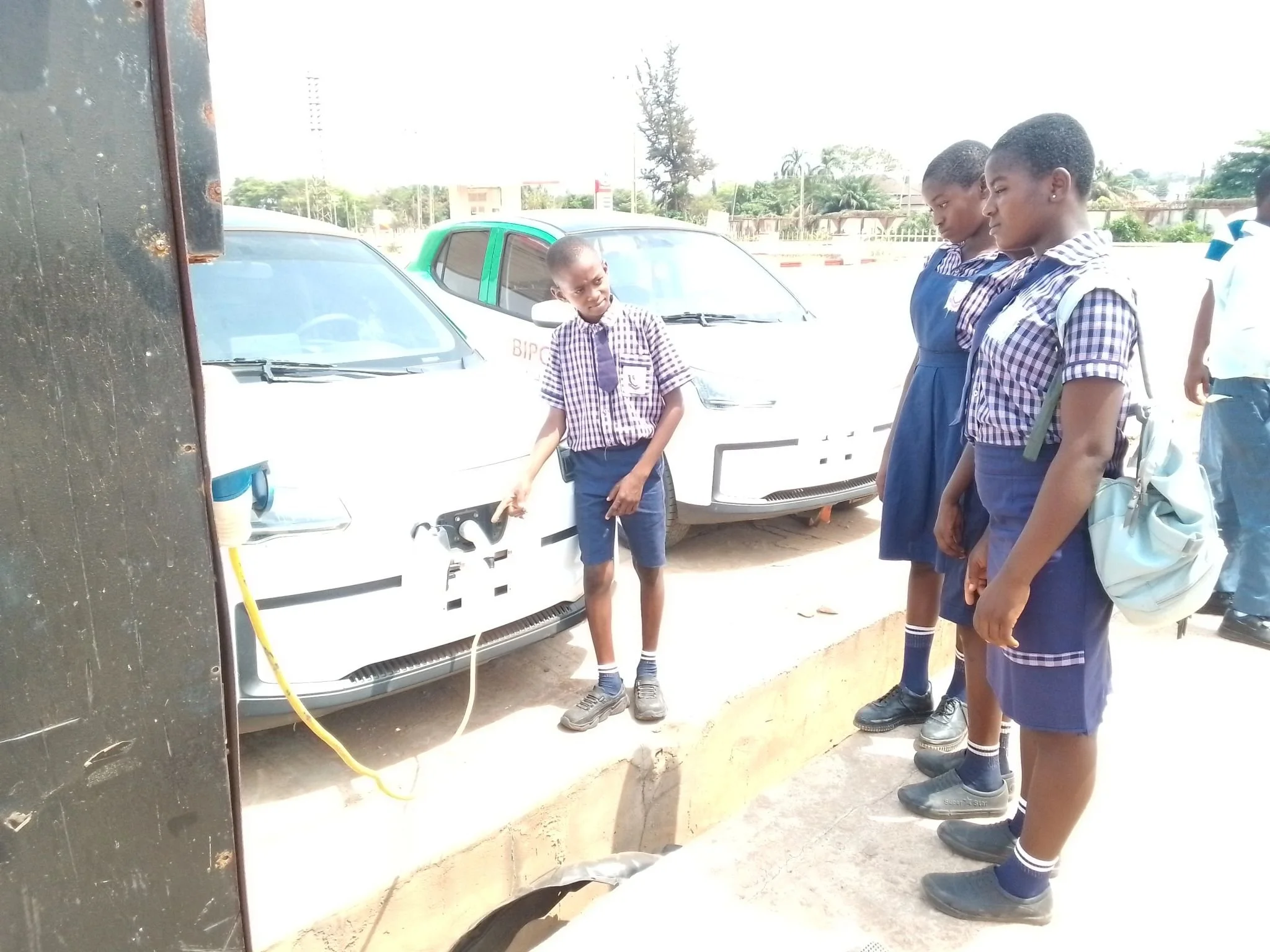
As an exceptionally strong El Niño develops in the Pacific Ocean, scientists are warning of significant shifts in global temperatures and rainfall patterns. What could this mean for Africa, food security, water resources, and the future of climate resilience?
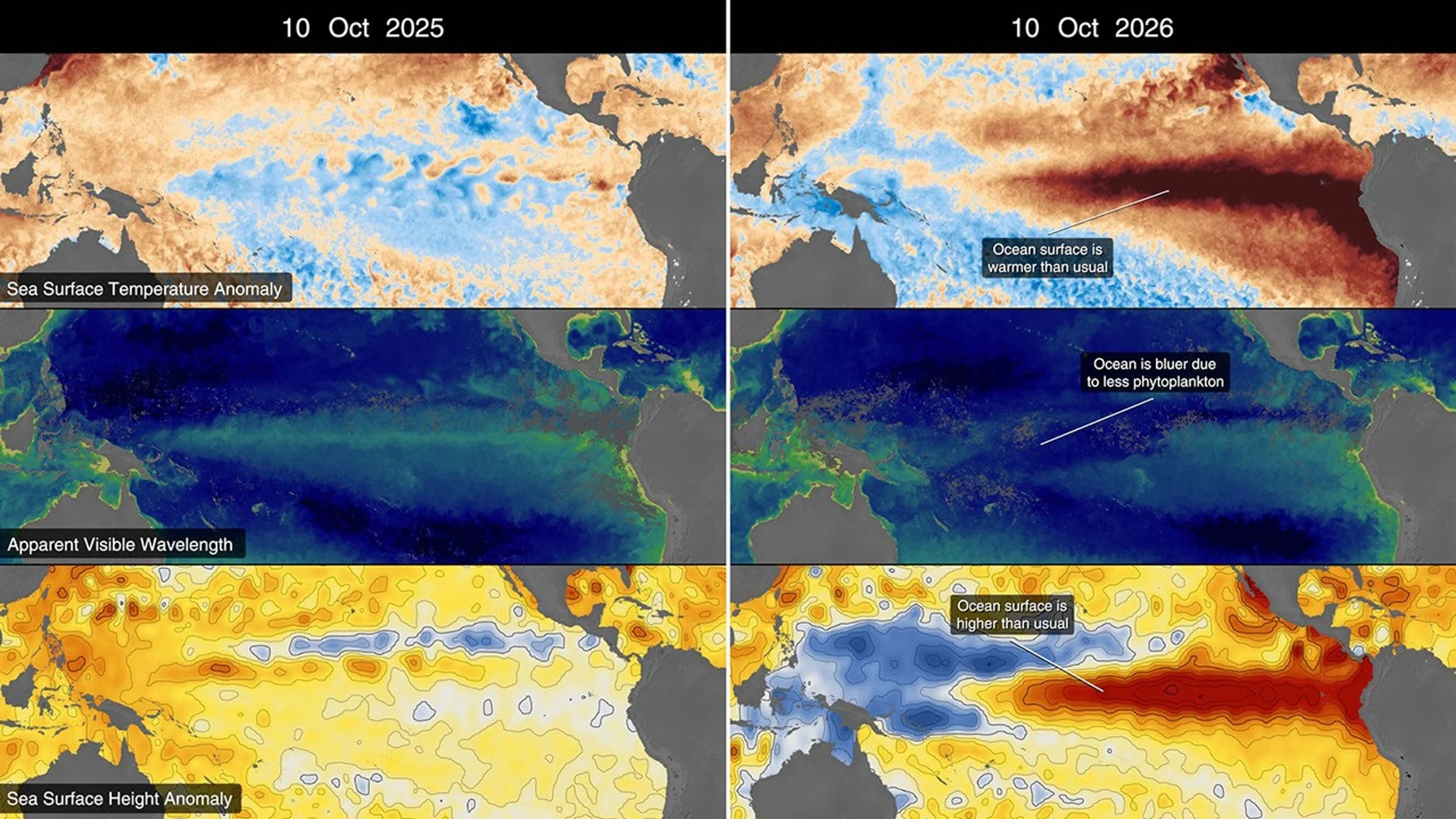
NASA Satellites Observe Historic 2026 El Niño
A Climate Event the World Cannot Afford to Ignore
A powerful climate phenomenon is developing in the tropical Pacific Ocean, attracting growing attention from climate scientists and international forecasting agencies. The phenomenon, known as El Niño, is strengthening rapidly, with forecasts indicating that the 2026–2027 event could rank among the strongest in the historical record.
The US National Oceanic and Atmospheric Administration (NOAA) reported in October 2026 that the probability of an exceptionally strong event had increased substantially. Its Climate Prediction Center identified a 70% probability that the event would reach a historic intensity threshold during November 2026–January 2027. Meanwhile, the International Research Institute for Climate and Society reported that weekly sea-surface temperature anomalies in the central and eastern equatorial Pacific had reached approximately 3.3°C above the long-term average by mid-October.
These developments have brought renewed attention to the expression Super El Niño, a popular term used to describe an exceptionally intense El Niño event.
However, an important distinction is necessary. The World Meteorological Organization (WMO) does not use Super El Niño as an official classification. Instead, it categorises El Niño events by their intensity, including weak, moderate, strong, and very strong events.
Regardless of the terminology, the developing situation deserves serious attention. El Niño can influence weather patterns across continents, affecting agricultural production, water availability, ecosystems, public health, and economic stability.
For countries already confronting climate vulnerability, the central question is not simply how powerful this event might become. It is whether governments, institutions, businesses, and communities are prepared to respond.
Sources: NOAA Climate Prediction Center; International Research Institute for Climate and Society; WMO.
What Exactly Is El Niño?
El Niño is the warm phase of the El Niño–Southern Oscillation (ENSO), a naturally occurring climate pattern involving interactions between the tropical Pacific Ocean and the atmosphere above it.
Under normal conditions, trade winds push warm surface water westward across the tropical Pacific, allowing cooler, nutrient-rich water to rise near the coast of South America. These oceanic conditions influence atmospheric circulation and help shape rainfall patterns in different parts of the world.
During El Niño, the trade winds weaken, and unusually warm surface waters develop across the central and eastern equatorial Pacific. These changes disrupt the normal relationship between ocean temperatures, atmospheric pressure, winds, and rainfall.
As a result, regions thousands of kilometres away may experience changes in temperature and precipitation.
Some areas may experience prolonged dry spells, drought, and heightened wildfire risk. Others may face heavier rainfall, flooding, and landslides. Certain marine ecosystems can also be affected as warmer ocean waters alter nutrient availability and the distribution of marine species.
El Niño typically occurs every two to seven years, although its intensity, duration, and geographical effects vary considerably.
Importantly, El Niño does not produce the same consequences everywhere. Its effects depend on its strength, the season in which it develops, and its interaction with other climate systems.
In simple terms, El Niño is a natural ocean–atmosphere phenomenon that can reorganise weather patterns around the world.
Why Is the 2026–2027 El Niño Attracting So Much Attention?
The developing event is attracting attention because observations and forecasts indicate that it could become exceptionally strong.
In its October 2026 diagnostic discussion, NOAA reported that the El Niño was continuing to strengthen. Its forecast indicated a strong-to-very-strong event through January–March 2027 was likely, with the possibility of an event exceeding the strength of previous El Niño episodes recorded since 1950.
The International Research Institute for Climate and Society also reported substantial warming across the central and eastern equatorial Pacific. Its mid-October assessment showed that the event was already exceptionally intense and that multiple forecast models anticipated further strengthening.
These observations suggest that the world may be entering a period in which El Niño exerts a substantial influence on global climate patterns.
Nevertheless, three distinctions are essential.
First, an exceptionally strong El Niño does not automatically mean that every country will experience a disaster.
Second, global forecasts cannot determine the precise weather conditions that every community will experience months in advance.
Third, El Niño is not the sole determinant of extreme weather. Regional ocean conditions, atmospheric circulation, land characteristics, and human-driven climate change can all influence the severity and location of individual impacts.
The scientific priority is therefore to interpret the forecasts regionally and translate them into practical preparedness measures.
The Connection Between El Niño and Climate Change
One of the most important questions surrounding the emerging event is how it relates to global warming.
El Niño is a natural climate phenomenon. Human-induced climate change is driven primarily by the accumulation of greenhouse gases in the atmosphere, largely from burning fossil fuels, deforestation, and other human activities.
Although these are distinct processes, their effects can overlap.
El Niño generally raises global average temperatures temporarily by redistributing heat between the ocean and atmosphere. When it occurs against a background of long-term global warming, its contribution can push global temperatures to even higher levels.
The WMO identified the combined influence of the powerful 2023–2024 El Niño and human-induced climate change as an important factor in the exceptionally high global temperatures recorded in 2024.
However, it would be inaccurate to conclude that climate change necessarily causes stronger or more frequent El Niño events. The WMO notes that evidence does not establish such a general relationship.
What is clear is that a warmer atmosphere and ocean can amplify certain consequences associated with climate variability. Higher temperatures can intensify heat stress, increase evaporation, worsen drought conditions in susceptible regions, and contribute to more intense rainfall when atmospheric conditions favour heavy precipitation.
This distinction matters because climate resilience requires two complementary approaches: reducing greenhouse gas emissions to limit long-term warming and strengthening adaptation to climate events that societies cannot prevent.
El Niño is a natural phenomenon, but the extent of the damage it causes is influenced by human decisions.
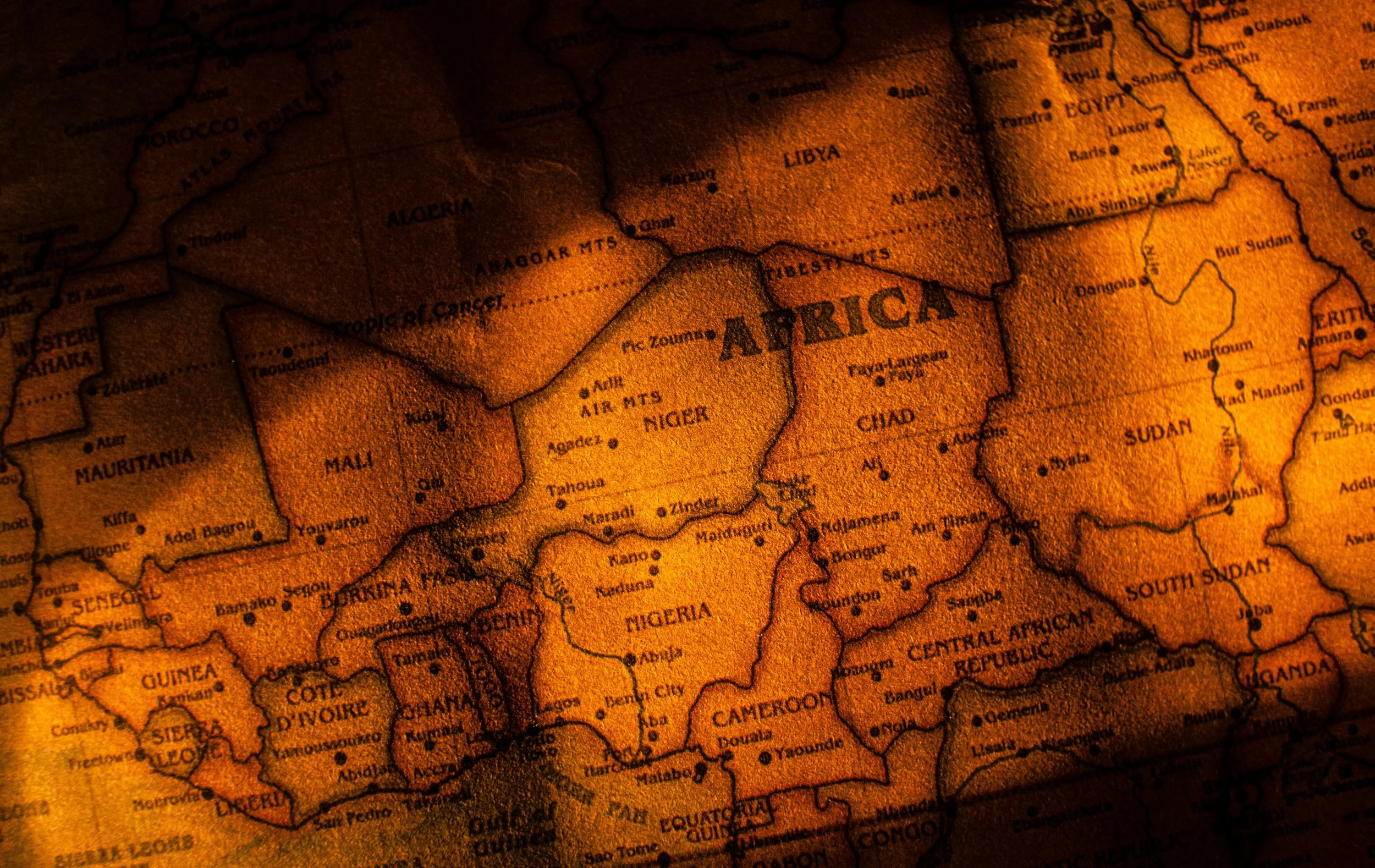
What Could El Niño Mean for Africa?
Africa deserves particular attention because millions of people depend on rain-fed agriculture, climate-sensitive ecosystems, and water resources that are vulnerable to changing weather conditions.
However, the continent will not experience a uniform response. El Niño can produce different, and sometimes contrasting, effects across its regions.
1. Southern Africa: Drought and Agricultural Stress
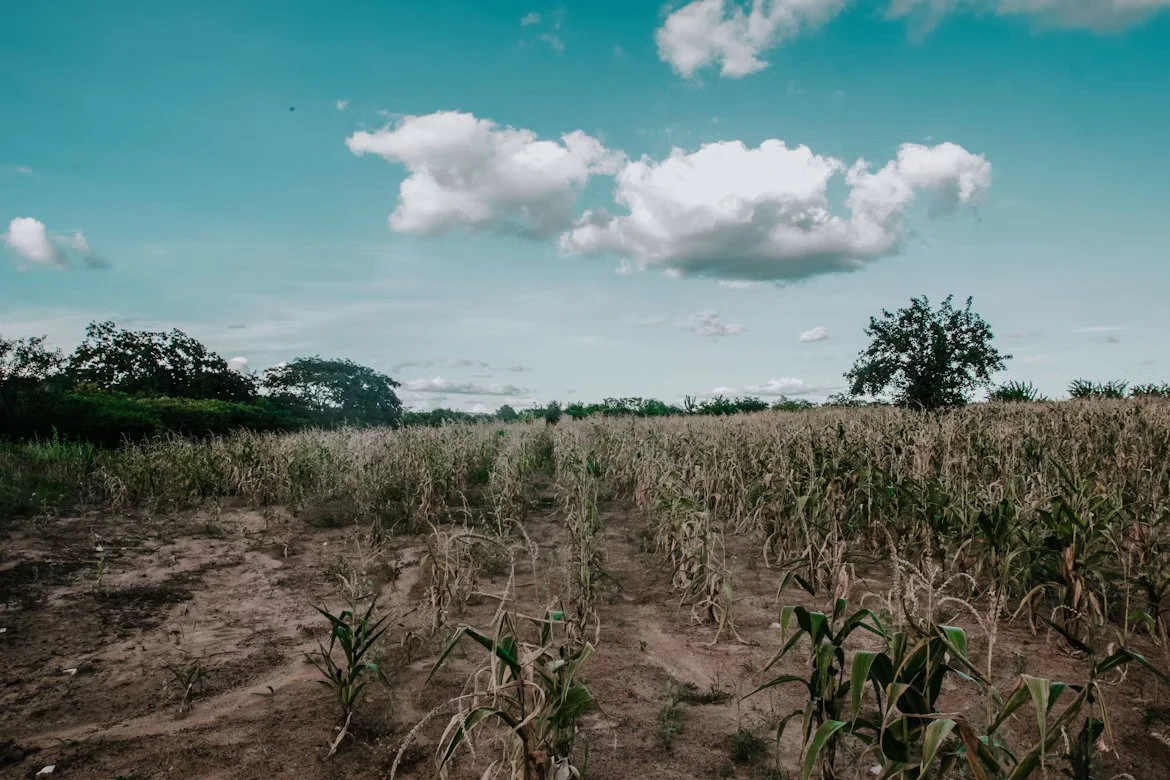
Historically, El Niño has frequently been associated with below-average rainfall across substantial parts of southern Africa, particularly during the main agricultural season.
Reduced rainfall can affect maize production, pasture availability, livestock health, reservoir levels, and rural livelihoods.
When drought coincides with high temperatures, the consequences may become more severe. Water evaporates more rapidly, soils lose moisture, and crops may experience heat stress at critical stages of development.
For communities already affected by food insecurity, these conditions can increase pressure on household incomes and local food supplies.
Governments, agricultural organisations, and humanitarian agencies should therefore monitor seasonal forecasts, support water conservation, strengthen agricultural advisories, and prepare contingency measures where drought risks are elevated.
2. East Africa: Heavy Rainfall and Flooding Risks
El Niño has historically been associated with above-average rainfall in parts of equatorial East Africa, particularly during the October–December short-rains season.
Where unusually heavy rainfall occurs, the consequences can include flash floods, landslides, damaged roads, destroyed crops, contaminated water supplies, and displacement.
Excessive rainfall can also increase the risk of certain waterborne and vector-borne diseases.
However, wetter conditions are not guaranteed in every location, and the effects of the developing event must be assessed alongside regional climate forecasts.
Preparedness should include drainage maintenance, flood warnings, protection of water supplies, and the timely communication of risk information to vulnerable communities.
3. West Africa and the Sahel: Rainfall Uncertainty and Food Security
West Africa presents a particularly important case for climate preparedness.
Historical evidence suggests that El Niño can be associated with reduced rainfall in parts of the Sahel during the main agricultural season. However, the relationship is not consistent enough to predict the rainfall outcome for every country or season from El Niño alone.
Rainfall across West Africa is also influenced by tropical Atlantic sea-surface temperatures, atmospheric circulation, and other regional and global climate drivers.
A technical note published by the Permanent Interstate Committee for Drought Control in the Sahel in August 2026 specifically examined the implications of the developing El Niño for the 2026 rainy season in West Africa and the Sahel.
This reinforces the need for region-specific forecasting rather than assuming that the same impacts will occur throughout Africa.
For farmers, early warnings are valuable only when they translate into practical decisions: when to plant, which crops or varieties to select, how to conserve soil moisture, and when to protect livestock and stored food.
4. Nigeria: Why We Should Pay Attention
For Nigeria, the relevant question is how the developing El Niño may interact with the country's existing climate risks.
Agricultural production in many parts of the country depends on seasonal rainfall. Changes in the timing, distribution, or reliability of rainfall can affect crop yields, planting decisions, water availability, and the incomes of farming households.
High temperatures can also increase heat stress among outdoor workers, place pressure on electricity demand for cooling, and increase the need for reliable water supplies.
In some circumstances, heavy rainfall and flooding may create additional challenges for communities, infrastructure, and public health.
Nevertheless, it would be scientifically irresponsible to claim that a Super El Niño will necessarily cause a particular drought, flood, or temperature increase in Nigeria without supporting regional forecasts.
Nigeria's rainfall patterns are shaped by several interacting climate systems, and the consequences of El Niño may vary between the northern savannah, the Middle Belt, the southwestern region, and the humid south.
The appropriate response is to strengthen monitoring, consult seasonal forecasts from the Nigerian Meteorological Agency (NiMet), and communicate changing risks to farmers, public agencies, and communities.
For Nigeria, the lesson is clear: climate preparedness should be guided by reliable local forecasts, not by alarming global headlines.
Food Security: When Climate Variability Reaches the Dinner Table
One of the most consequential pathways through which El Niño can affect society is food security.
Agriculture depends on the availability of suitable temperatures, adequate water, healthy soils, and predictable growing conditions. When rainfall becomes unreliable or extreme temperatures coincide with sensitive stages of crop development, agricultural productivity can decline.
Drought can reduce crop yields and grazing resources. Flooding can destroy standing crops, wash away fertile topsoil, damage agricultural infrastructure, and disrupt transport networks.
These impacts can extend beyond the farm.
Lower production may place upward pressure on food prices, reduce the incomes of agricultural households, and increase the financial burden on families already struggling to afford nutritious food.
Fishing communities may also be affected. Changes in ocean temperatures and nutrient-rich upwelling can influence marine ecosystems and the distribution of commercially important fish species.
The Food and Agriculture Organization of the United Nations has emphasised the importance of early action to protect food production and rural livelihoods during El Niño events.
For countries with vulnerable food systems, practical priorities include:
Providing farmers with timely, location-specific climate information.
Promoting climate-resilient agricultural practices and appropriate crop varieties.
Improving irrigation efficiency and rainwater harvesting where feasible.
Strengthening grain storage and reducing post-harvest losses.
Monitoring food prices and identifying communities at risk of food insecurity.
Supporting farmers and pastoralists before climate shocks undermine their livelihoods.
Food security should not be treated as a concern that begins after a drought or flood. Preparedness must start before the impacts become visible.
Water Resources, Public Health, and Energy
The implications of El Niño extend well beyond agriculture.
Water resources
Where rainfall declines, reservoirs, rivers, and groundwater systems may experience additional pressure. Water shortages can affect households, agriculture, industry, and ecosystems.
Where heavy rainfall occurs, flooding can overwhelm drainage systems and contaminate drinking-water sources.
Water authorities should therefore assess both drought preparedness and flood resilience rather than focusing exclusively on one risk.
Public health
Temperature and rainfall changes can influence human health through several pathways.
Extreme heat can cause dehydration, heat exhaustion, and heatstroke. Flooding may disrupt sanitation systems and contaminate water supplies. Changes in rainfall, temperature, and humidity can also affect the environmental suitability for mosquitoes and other disease vectors.
The actual health consequences depend on local conditions, existing disease burdens, public infrastructure, and access to healthcare.
Public health agencies should strengthen heat-health communication, maintain disease surveillance, protect water quality, and ensure that vulnerable populations can access appropriate services.
Energy systems
Electricity demand may rise during periods of intense heat as households and businesses increase cooling.
At the same time, drought can reduce water availability for hydropower in regions where electricity generation depends on reservoir levels and river flows.
Heavy rainfall and flooding can also damage electricity infrastructure and interrupt power distribution.
These risks highlight the importance of diversified energy systems, resilient infrastructure, efficient cooling, and climate-informed energy planning.
The underlying lesson is that climate resilience cannot be achieved by treating agriculture, water, health, and energy as unrelated policy areas.
What Should Governments and Communities Do Now?
The development of an exceptionally strong El Niño presents an opportunity to demonstrate the value of anticipatory action.
Waiting for a climate disaster to occur is often more expensive than preparing for plausible risks in advance.
Governments, institutions, businesses, and communities can take several practical steps.
1. Strengthen early-warning systems.
Meteorological agencies should continue to communicate seasonal forecasts and update them as new observations become available. Forecasts must be translated into clear, accessible advice for farmers, health workers, businesses, and the public.
2. Prepare for both drought and flooding.
El Niño does not produce identical impacts everywhere. Preparedness plans should reflect local vulnerabilities and consider multiple possible outcomes.
3. Protect food and water supplies.
Agricultural extension services, water authorities, and emergency management agencies should coordinate their planning to reduce the effects of rainfall variability.
4. Strengthen public health preparedness.
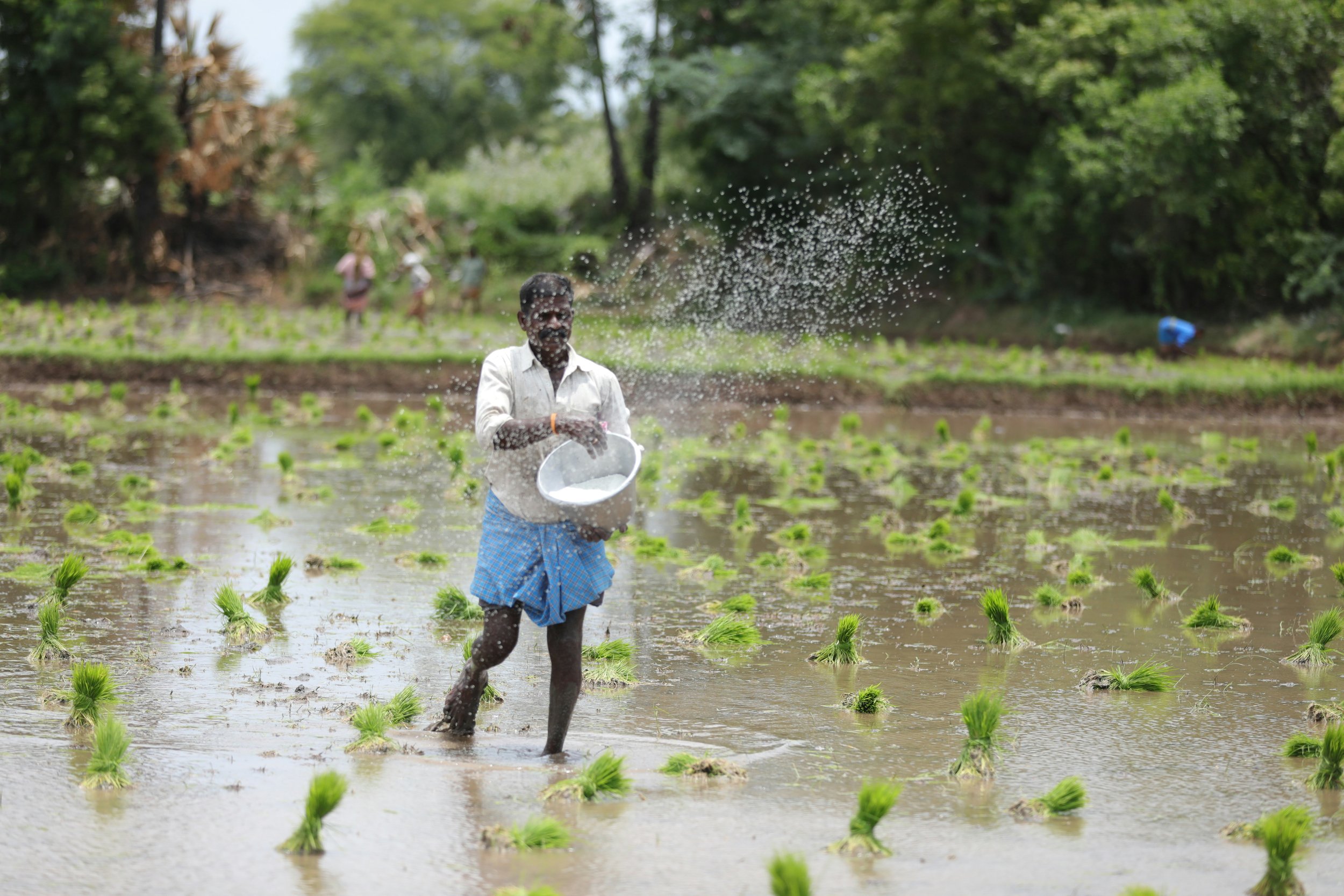
Health systems should anticipate periods of extreme heat, possible water contamination, and changes in environmental conditions that influence disease risks.
5. Improve climate communication.
Public information should explain what is known, what remains uncertain, and which actions people can take. Sensational headlines may attract attention, but clear, evidence-based communication helps communities make better decisions.
6. Invest in long-term resilience.
Climate-resilient agriculture, ecosystem restoration, improved drainage, reliable water infrastructure, and diversified energy systems can reduce vulnerability to a range of climate hazards, including those associated with El Niño.
7. Prioritise vulnerable populations.
Low-income households, smallholder farmers, outdoor workers, displaced communities, and people with limited access to essential services may have fewer resources to cope with climate shocks. Preparedness plans must account for these inequalities.
Early warning is important, but early action is what turns information into protection.
The Role of Sustainability Institutions
The emerging El Niño offers an important reminder that sustainability is not simply about protecting the natural environment. It is also about building societies capable of anticipating risks, protecting livelihoods, and responding effectively to change.
Research institutions can help interpret climate data and identify regional vulnerabilities. Universities can prepare students to understand climate systems and develop practical adaptation strategies. Civil society organisations can communicate scientific information and support community preparedness. Governments can incorporate climate information into agricultural planning, infrastructure development, public health, and emergency management.
Sustainability organisations also have a role in connecting scientific knowledge with public action.
At The Green Institute, this challenge aligns with the need to connect environmental science, education, energy, equity, and economics. These dimensions cannot be separated when examining the consequences of climate variability.
For example, a drought is not only a meteorological event. It can become an agricultural crisis, a public health concern, an economic shock, and a question of social equity.
Likewise, a flood is not simply an excess of water. Its consequences depend on land use, drainage infrastructure, housing quality, public information, and the resources available to affected communities.
A comprehensive sustainability response must therefore combine scientific understanding with education, institutional cooperation, and practical solutions.
Looking Beyond the Headlines
The phrase Super El Niño may dominate public discussion, but the most useful response is to look beyond the label.
The scientific evidence indicates that the 2026–2027 El Niño is exceptionally strong and could become one of the most intense events in the historical record. Its development warrants attention because of its potential influence on global temperatures and regional rainfall patterns.
However, a strong El Niño does not mean that every region will experience the same disaster. The risks will depend on geographical location, seasonal conditions, other climate drivers, and the ability of communities and institutions to prepare.
For Africa, the priority is to improve the use of climate information in agriculture, water management, health protection, infrastructure planning, and disaster preparedness.
For Nigeria, this means monitoring authoritative forecasts, strengthening communication between scientific institutions and decision-makers, and ensuring that climate information reaches the people who need it.
For the international community, the event is another reminder that climate resilience requires sustained investment, cooperation, and preparedness.
We cannot control the Pacific Ocean's natural climate cycles. We can, however, improve how we understand their consequences and how we respond to them.
The defining question is not simply whether the world will experience a Super El Niño. It is whether we will use the available scientific knowledge to protect people, strengthen institutions, and build more resilient societies.
The time to prepare is before the impacts arrive.
References and Further Reading
Food and Agriculture Organization of the United Nations. (2026). El Niño: Acting early to protect food and livelihoods. https://www.fao.org/el-nino/en
National Oceanic and Atmospheric Administration, Climate Prediction Center. (2026, October 8). ENSO diagnostic discussion. https://www.cpc.ncep.noaa.gov/products/analysis_monitoring/enso_advisory/ensodisc.shtml
International Research Institute for Climate and Society. (2026, October 19). ENSO forecasts: October 2026 quick look. https://iri.columbia.edu/our-expertise/climate/forecasts/enso/current/
World Health Organization. (2023, November 9). El Niño Southern Oscillation (ENSO). https://www.who.int/news-room/fact-sheets/detail/el-nino-southern-oscillation-%28enso%29
World Meteorological Organization. (2026). El Niño and La Niña phenomena. https://wmo.int/themes/el-nino-la-nina-phenomena
World Meteorological Organization. (2026, July 31). Strong El Niño expected to intensify. https://wmo.int/news/media-centre/strong-el-nino-expected-intensify
This article is intended for public education. Seasonal forecasts are probabilistic and should be interpreted alongside current national and regional meteorological advisories.