Electric buses put Chile on the path to a healthier tomorrow

Chile owns the biggest fleet of electric buses in Latin America and the Caribbean today. The 200 e-buses hit the road earlier this year in the capital city, Santiago, as part of a plan to cut emissions and reduce air pollution. By 2040, Chile aims to convert its public transport system to an all-electric fleet.

“To decisively confront climate change, electromobility is critical. We are taking a leap towards a cleaner, more efficient and sustainable transport system,” says Carolina Schmidt, Minister of Environment of Chile and President of the UN Climate Change Conference COP25.

In December, the country will host the COP25 and lead one of the most challenging negotiations of our times: to try to get more ambitious commitments to reduce emissions from countries around the world, to keep global warming under the 1.5°C threshold.

Sustainable transport is critical for climate action, but also key to protect citizens’ health. Each electric bus can avoid up to 60 tonnes of carbon emissions every year.

In Chile, air pollution causes at least 4,000 premature deaths every year, while 10 million Chileans are exposed daily to levels of fine particulate matter above the World Health Organization standards, according to official figures.

A 2017 study by UN Environment estimates that the transition towards an all-electric taxi and bus fleet in Santiago would avoid 1,379 premature deaths by 2030.

At a country level, tackling air pollution would bring annual health benefits amounting to US$8 billion dollars, according to the Ministry of Environment of Chile.

Public electric mobility is booming in other parts of Latin America too. Guayaquil, Ecuador’s most populated city, launched in March 2019 a fleet of 20 electric buses that will transport 10,500 users every day. In Colombia, the city of Cali will complete a 125-unit fleet this year, while Medellin already bought 64 e-buses.

Chile owns the biggest fleet of electric buses in Latin America and the Caribbean today. The 200 e-buses hit the road earlier this year in the capital city, Santiago, as…
— Eletric buses put Chile on the path to a healthier tomorrow

Turning air pollution into art

Artists are known to take inspiration from the world around them. So it’s no surprise that some have begun shining light on one of the most pressing environmental issues of our time—air pollution.

According to the World Health Organization, every year around 7 million premature deaths are caused by air pollution, with 9 out of 10 people breathing toxic air. Air pollution is also known to contribute to climate change and so efforts to tackle it can also help address the climate crisis.

The time to act is now, and artists, like so many others are looking at ways to raise awareness about air pollution, find solutions to reduce it and even use it as a resource.

Pollution Pods

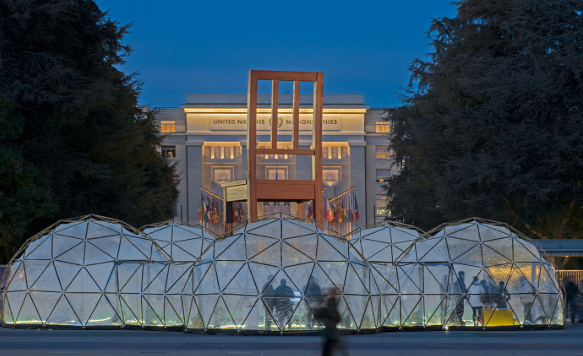
Michael Pinsky got inspired by the differences between the various types of air pollution, when he set out to make Pollution Pods. The project consists of five domes, each imitating air in five different areas of the world: Northern Norway, London, New Delhi, Beijing and São Paulo. As you move through the domes you experience varied levels and sources of air pollution.

“I wanted to have very different sensations from one dome to another,” Pinsky told UN Environment. “It's not just a question of how strong the pollution is but that they have very different characteristics as well.”

For London, Pinsky recreates the smell of diesel. For Beijing, he mixes the smells of industrial fumes, coal or wood-based heating, and transportation emissions. While New Delhi whiffs of burnt plastic and grass, as citizens still burn a lot of their rubbish.

Luckily, the pollution is only in smell and visibility, without the actual harmful gases. But Pinsky says the experience still isn’t very pleasant. That’s the whole point: air pollution isn’t pleasant.

Pinsky hopes Pollution Pods will lead to a more “radical approach” when dealing with air pollution, particularly with transportation. “It's not so easy to apply the same advocacy or philosophy towards different cities in the world,” he said. “But in some cases, you could turn the problem around in two years with the right policies.”

Turning air pollution into art

Turning air pollution into art

Artists are known to take inspiration from the world around them. So it’s no surprise that some have begun shining light on one of the most pressing environmental issues…
— world environment day 2019

Rotary International backs World Environment Day

Rotary International, with 1.2 million members worldwide as well as 500,000 young Rotaract members, has produced a handbook to inspire Rotarians to engage their communities for World Environment Day.

The handbook includes a selection of 11 green themes for activities that Rotary clubs can do for World Environment Day on 5 June and commitments they can make in the future. These include adopting a river, organising a clean-up, planting trees and measuring local air quality.

All six of the Rotary’s six corporate priority areas directly relate to the environment: promoting peace, fighting disease, providing clean water and sanitation, saving mothers and children, supporting education and growing local economies.

“A vital component to humanity’s well-being, we increasingly need to recognize the environment’s elemental role in creating truly sustainable and lasting change,” said Barry Rassin, President of Rotary International, 2018-2019 and Mark Maloney, President of Rotary International, 2019-2020. “The opportunity to collaborate with UN Environment — the United Nations agency that serves as the global authority on the environment — is well-timed for those who want to make a difference at the local level. Our collective efforts will result in greater global impact.”

Daniel Cooney, UN Environment’s Communication Deputy Director, welcomed Rotary putting its support behind World Environment Day.

“At a time when the environment is under threat, we need to unite people to take decisive and collective action to sustain our future,” he said. “The work of organizations like Rotary International can make a powerful contribution to our efforts to protect people and planet.”

World Environment Day is the United Nations day for encouraging worldwide awareness and action to protect our environment. It is the "people's day" for doing something to take care of the Earth. This year’s theme is on air pollution, a call to action to combat one of the greatest environmental challenges of our time, chosen by this year’s host, China.

“At a time when the environment is under threat, we need to unite people to take decisive and collective action to sustain our future,” he said. “The work of organizations like Rotary International can make a powerful contribution to our efforts to protect people and planet.”

World Environment Day is the United Nations day for encouraging worldwide awareness and action to protect our environment. It is the "people's day" for doing something to take care of the Earth. This year’s theme is on air pollution, a call to action to combat one of the greatest environmental challenges of our time, chosen by this year’s host, China.

Rotary International, with 1.2 million members worldwide as well as 500,000 young Rotaract members, has produced a handbook to inspire Rotarians to engage their communities for World Environment Day.

The handbook includes a selection of 11 green themes for activities that Rotary clubs can do for World Environment Day on 5 June and commitments they can make in the future. These include adopting a river, organising a clean-up, planting trees and measuring local air quality.

All six of the Rotary’s six corporate priority areas directly relate to the environment: promoting peace, fighting disease, providing clean water and sanitation, saving mothers and children, supporting education and growing local economies.

“A vital component to humanity’s well-being, we increasingly need to recognize the environment’s elemental role in creating truly sustainable and lasting change,” said Barry Rassin, President of Rotary International, 2018-2019 and Mark Maloney, President of Rotary International, 2019-2020. “The opportunity to collaborate with UN Environment — the United Nations agency that serves as the global authority on the environment — is well-timed for those who want to make a difference at the local level. Our collective efforts will result in greater global impact.”

Daniel Cooney, UN Environment’s Communication Deputy Director, welcomed Rotary putting its support behind World Environment Day.

“At a time when the environment is under threat, we need to unite people to take decisive and collective action to sustain our future,” he said. “The work of organizations like Rotary International can make a powerful contribution to our efforts to protect people and planet.”

World Environment Day is the United Nations day for encouraging worldwide awareness and action to protect our environment. It is the "people's day" for doing something to take care of the Earth. This year’s theme is on air pollution, a call to action to combat one of the greatest environmental challenges of our time, chosen by this year’s host, China.
Rotary International backs World Environment Day

Rotary International backs World Environment Day

World Environment Day Mask Challenge

Nine out of ten people breathe polluted air. From 24 May, through to #WorldEnvironmentDay on June 5, we are calling on everyone to join the Mask Challenge. Face masks are a great symbol to show leaders we want to breathe clean air. Alongside celebrities, influencers and creators, the World Environment Day campaign invites everyone to:

Decide what action you are going to take to #BeatAirPollution

Here are some examples:

  • Use public transport or car sharing, cycle or walk

  • Switch to a hybrid or electric vehicle and request electric taxis

  • Turn off the car engine when stationary

  • Reduce your consumption of meat and dairy to help cut methane emissions

  • Compost organic food items and recycle non-organic trash

  • Switch to high-efficiency home heating systems and equipment

  • Save energy: turn off lights and electronics when not in use 

  • Choose non-toxic paints and furnishings
     

  1. Make a pledge and challenge others to take action
    May 24th – June 4th

    • Take a photo or video of yourself wearing a mask to post on social media. Don't have a mask?

    • Get creative and make your own!

    • In your post share the action you’ll take to reduce air pollution

    • Tag 3 people/organizations/ companies to challenge them to do the same.

    • Use #WorldEnvironmentDay and #BeatAirPollution in your social media posts and don’t forget to tag @UNEnvironment.
       

  2. On World Environment Day, show how you have fulfilled your pledge!

  • Take another photo or video of yourself fulfilling your commitment and post it on social media.

  • Use #WorldEnvironmentDay and #BeatAirPollution in your social media posts and don’t forget to tag @UNEnvironment. 

Green_Institute-Insta_Bike_(Phase_2)_0.jpg

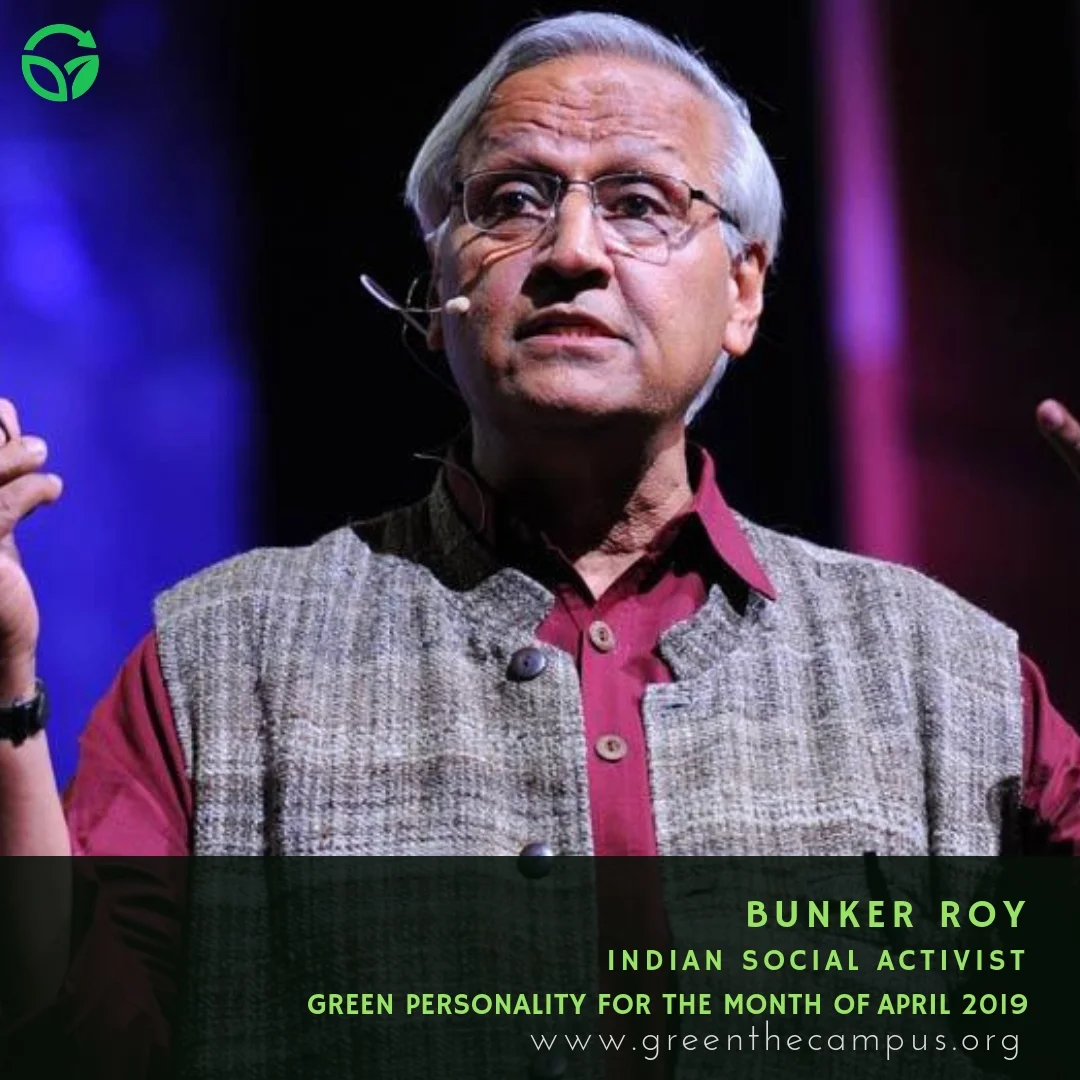
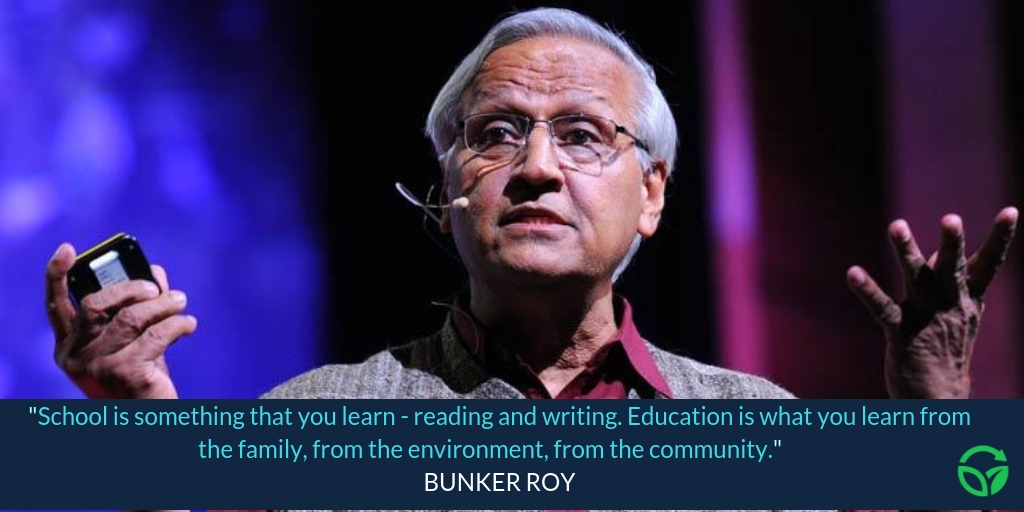
BUNKER ROY: Green Personality for April 2019

GREEN PERSONALITY (3).jpg

NAME: BUNKER ROY

DATE OF BIRTH: AUGUST 2, 1945

NATIONALITY: INDIAN

We have shown that solar-electrified villages can be technically and financially self-sufficient.
— Bunker Roy

EDUCATION

He attended The Doon School from 1956 to 1962, and St. Stephen's College, Delhi from 1962 to 1967. Roy was the National Runner-up in squash in 1964, and participated in three world squash championships representing India.

OCCUPATION/CAREER

Bunker is a founder of what is now called Barefoot College. After conducting a survey of water supplies in 100 drought prone areas, Roy established the Social Work and Research Center in 1972. Its mission soon changed from a focus on water and irrigation to empowerment and sustainability. The programs focused on siting water pumps near villages and training the local population to maintain them without dependence on outside mechanics, providing training as paramedics for local medical treatment, and on solar power to decrease dependence and time spent on kerosene lighting.

ADVOCACY/ACHIEVEMENTS

He was recognized in 2010 in Time for the programs of the college which have trained more than 3 million people in skills including solar engineers, teachers, midwives, weavers, architects and doctors. Roy was appointed by Rajiv Gandhi to the government's Planning Commission. He recommended that legislation be created that would apply a "code of conduct" for non-governmental organizations. He also proposed that a national council be created that would recommend "legitimate" organizations to the government and monitor their activities. Both of these recommendations were "fiercely" opposed as mechanisms that could be used to promote patronage of favored groups and quell organizations that were not supportive of a particular government or party.

In 1983, he was the plaintiff in Roy v State of Rajasthan in which the Supreme Court struck down an emergency policy which had allowed women famine relief workers to be paid less than male workers.

Roy has spoken at the TED conference;in which he talks about how the Barefoot College "helps rural communities becomes self-sufficient."

Bunker Roy.jpg

RESOURCES

LEONARDO DICAPRIO: Green Personality for March 2019

GREEN PERSONALITY (6).jpg

NAME: LEONARDO WILHELM DICAPRIO

DATE OF BIRTH: NOVEMBER 11, 1974

NATIONALITY: AMERICAN

Raising awareness on the most pressing environmental issues of our time is more important than ever.
— Leornardo Dicaprio

EDUCATION

DiCaprio attended Seeds Elementary School (now UCLA Lab School) and John Marshall High School a few blocks away, after attending the Los Angeles Center for Enriched Studies for four years. He dropped out of high school following his third year, eventually earning his general equivalency diploma (GED). DiCaprio spent part of his childhood in Germany with his maternal grandparents, Wilhelm and Helene. He is conversant in German and Italian.

OCCUPATION/CAREER

In 1979, DiCaprio was removed, at the age of five, from the set of the children's television series Romper Room for being disruptive. He began his career by appearing in several commercials and educational films, following his older stepbrother Adam Farrar into television commercials, and landing an ad at age 14 for Matchbox cars by Mattel, which he considered his first role. Throughout his teens he was seen in commercials for Kraft Foods, Bubble Yum, Apple Jacks, and many more. In 1989, he played the role of Glen in two episodes of the television show The New Lassie.

In 1990, he started acting regularly on television. This started with a role in the pilot of The Outsiders, and one episode of the soap opera Santa Barbara, playing the young Mason Capwell. That same year, DiCaprio got a break on television when he was cast in Parenthood. A series based on a successful comedy film by the same name. His works that year earned him two nominations at the Young Artist Award in Best Young Actor in a Daytime Series (Santa Barbara) and Best Young Actor Starring in a New Television Series (Parenthood). DiCaprio was also a celebrity contestant on the children's game show Fun House. One of the stunts he performed on the show was going fishing in a small pool of water by catching the fish only with his 

ADVOCACY/ACHIEVEMENTS

Following the success of Titanic in 1997 along with earlier films, 24-year-old DiCaprio established the Leonardo DiCaprio Foundation in 1998, a non-profit organization devoted to promoting environmental awareness.Although concerned with all areas of the environment, it focuses on global warming, preserving Earth's biodiversity and supporting renewable energy. It has worked on projects in over 40 countries and has produced two short web documentaries, Water Planet and Global Warning. The foundation has also funded debt-for-nature swaps. Because of his active involvement in those causes, he has received praise from environmental groups. Among the accolades received were the Martin Litton Environment Award, in 2001, from Environment Now, and the Environmental Leadership Award in 2003 from Global Green USA. He has been an active supporter of numerous environmental organizations and has sat on the board of the World Wildlife Fund, Global Green USA, International Fund for Animal Welfare and the Natural Resources Defense Council.

DiCaprio is a vegetarian, rumored to even be vegan, and in 2014 he backed the documentary Cowspiracy about the impact of animal agriculture on the environment and the positions of several environmental organizations on the issue. By taking the role of executive producer, DiCaprio helped the documentary get released on Netflix. DiCaprio has owned environment-friendly electric-hybrid vehicles and his home is powered by solar panels, although his use of private jets and large yachts has attracted criticism due to their large carbon footprints.

_The problem is we don't know what the climate is doing. We thought we knew 20 years ago. That led to some alarmist books – mine included – because it looked clear-cut, but it hasn't happened._ (3).jpg

RESOURCES

WANGARI MAATHAI: Green Personality of January 2019

GREEN PERSONALITY (4).jpg

Name: Wangarĩ Muta Maathai 

Date of Birth: 1st April 1940

Nationality: kenyan

Until you dig a hole, you plant a tree, you water it and make it survive, you haven’t done a thing. You are just talking.
— Wangari Maathai

EDUCATION

At age eleven, Maathai moved to St. Cecilia's Intermediate Primary School, a boarding school at the Mathari Catholic Mission in Nyeri. Maathai studied at St. Cecilia's for four years. During this time, she became fluent in English and converted to Catholicism. She was involved with the Legion of Mary, whose members attempted "to serve God by serving fellow human beings. "Studying at St. Cecilia's, she was sheltered from the ongoing Mau Mau uprising, which forced her mother to move from their homestead to an emergency village in Ihithe. When she completed her studies there in 1956, she was rated first in her class, and was granted admission to the only Catholic high school for girls in Kenya, Loreto High School in Limuru. She was educated in the United States at Mount St. Scholastica (Benedictine College) and the University of Pittsburgh, as well as the University of Nairobi in Kenya.

OCCUPATION/CAREER

Maathai taught at Nairobi, becoming a senior lecturer in anatomy in 1975, chair of the Department of Veterinary Anatomy in 1976 and associate professor in 1977. She was the first woman in Nairobi appointed to any of these positions.

She was a member of the Nairobi branch of the Kenya Red Cross Society, becoming its director in 1973. She was a member of the Kenya Association of University Women. Following the establishment of the Environment Liaison Centre in 1974, Maathai was asked to be a member of the local board, eventually becoming board chair. The Environment Liaison Centre worked to promote the participation of non-governmental organizations in the work of the United Nations Environment Programme (UNEP), whose headquarters was established in Nairobi following the United Nations Conference on the Human Environment held in Stockholm in 1972. Maathai also joined the National Council of Women of Kenya (NCWK). Through her work at these various volunteer associations, it became evident to Maathai that the root of most of Kenya's problems was environmental degradation

ADVOCACY/ACHIEVEMENTS

Wangari Maathai is internationally admired for her persistence in the areas of environmental conservation, human rights, and democracy. She has taken the opportunity to address the United Nations on several occasions and has spoken at special sessions of the General Assembly on behalf of women. Maathai has been given numerous awards because of her philanthropic work with the Green Belt Movement and other organizations. The most notable award given to Wangari Maathai was the Nobel Peace Prize in 2004.

In December 2002, Professor Maathai received another honor when she was elected to the Kenyan Parliament with 98% of the vote. After winning the election she was appointed, by President Mwai Kibaki, as Assistant Minister for Environment, Natural Resources and Wildlife in Kenya’s ninth parliament.

Wangarĩ Maathai was awarded the 2004 Nobel Peace Prize for her "contribution to sustainable development, democracy and peace". She had received a call from Ole Danbolt Mjos, chair of the Norwegian Nobel Committee, on 8 October informing her of the news. She became the first African woman, and the first environmentalist, to win the prize.

_The problem is we don't know what the climate is doing. We thought we knew 20 years ago. That led to some alarmist books – mine included – because it looked clear-cut, but it hasn't happened._ (1).jpg

PUBLICATIONS

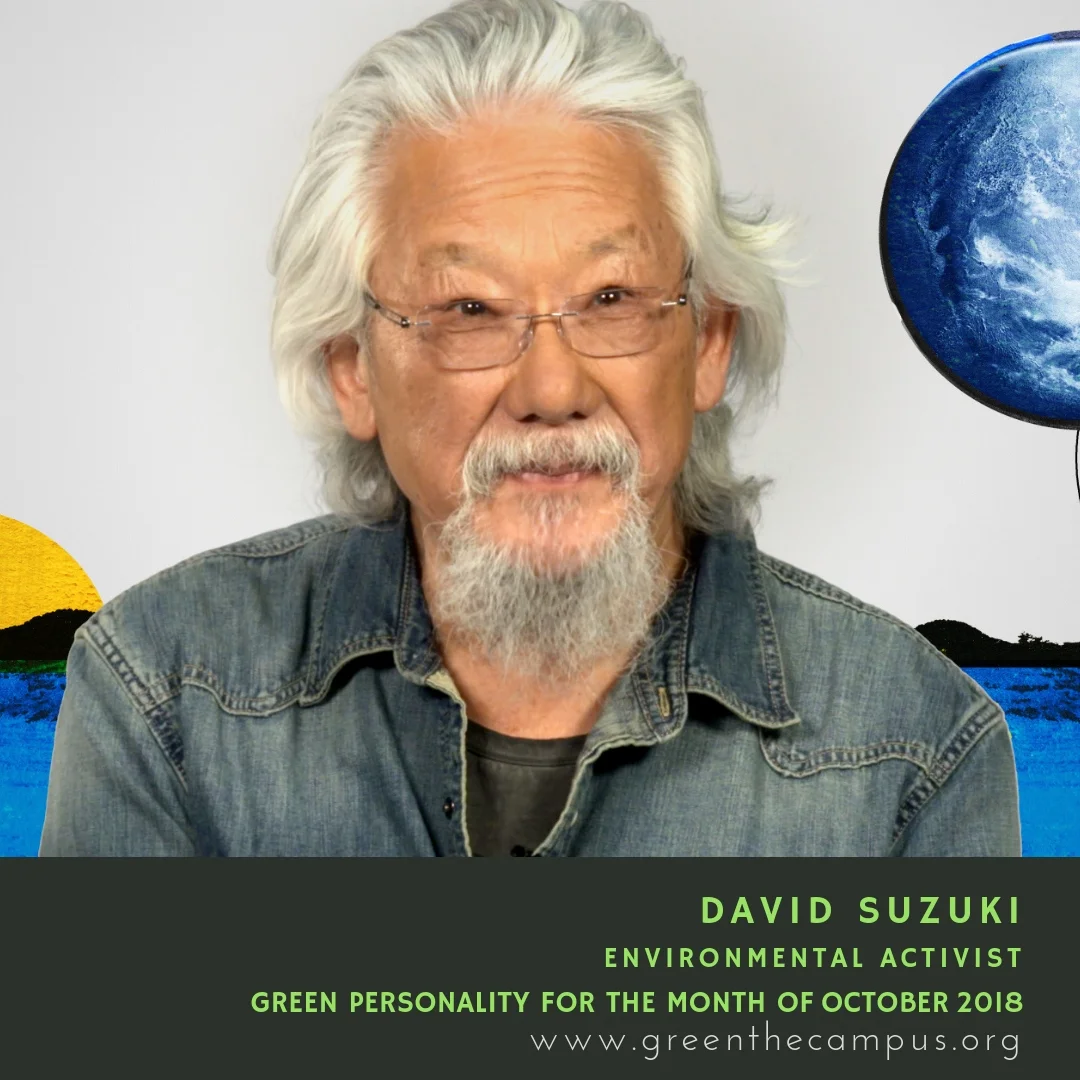
DAVID SUZUKI: Green Personality of October 2018

GREEN PERSONALITY.jpg

Name: David Takayoshi Suzuki

Date of Birth: 18 March 1936

Nationality: Canadian

If we pollute the air, water and soil that keep us alive and well, and destroy the biodiversity that allows natural systems to function, no amount of money will save us.
— David Suzuki

EDUCATION

Suzuki received his Bachelor of Arts degree in biology in 1958 from Amherst College in Massachusetts where he first discovered genetics study, and his Doctor of Philosophy degree in zoology from the University of Chicago in 1961.

OCCUPATION/CAREER

From 1961 to 1962, Suzuki worked at Oak Ridge National Laboratory. From 1962 to 1963, he was an assistant professor at the University of Alberta. He was a professor in the genetics department at the University of British Columbia for almost forty years, from 1963 until his retirement in 2001, and has since been professor emeritus at a university research institute.

Since the mid-1970s, Suzuki has been known for his television and radio series, documentaries and books about nature and the environment. He is best known as host of the popular and long-running CBC Television science program The Nature of Things, seen in over 40 countries. He is also well known for criticizing governments for their lack of action to protect the environment.

ADVOCACY/ACHIEVEMENTS

A longtime activist to reverse global climate change, Suzuki co-founded the David Suzuki Foundation in 1990, to work "to find ways for society to live in balance with the natural world that does sustain us". The Foundation's priorities are: oceans and sustainable fishing, climate change and clean energy, sustainability, and Suzuki's Nature Challenge. The Foundation also works on ways to help protect the oceans from large oil spills such as the oil spill in the Gulf of Mexico. Suzuki has also served as a director of the Canadian Civil Liberties Association from 1982 to 1987.

Suzuki was awarded the Right Livelihood Award in 2009. His 2011 book, The Legacy, won the Nautilus Book Award. He is a Companion of the Order of Canada. In 2004, David Suzuki ranked fifth on the list of final nominees in a CBC Television series that asked viewers to select The Greatest Canadian of all time.

_The problem is we don't know what the climate is doing. We thought we knew 20 years ago. That led to some alarmist books – mine included – because it looked clear-cut, but it hasn't happened._ (2).jpg

PUBLICATIONS

Suzuki is the author of 52 books (nineteen for children), including David Suzuki: The AutobiographyTree: A Life StoryThe Sacred BalanceGenethicsWisdom of the EldersInventing the Future, and the best-selling Looking At Senses a series of children's science books.

  • Sciencescape - The Nature of Canada (1986) - with Hans Blohm and Marjorie Harris

  • Pebbles to Computers: The Thread (1986) - with Hans Blohm and Stafford Beer

  • Metamorphosis: Stages in a life (1987) ISBN 0-773-72139-8

  • Genethics: The Clash between the New Genetics and Human Values (1990)

  • It's a Matter of Survival (1991) ISBN 0-674-46970-4

  • Time to Change (1994)

  • The Japan We Never Knew: A Journey of Discovery (1997) - with Keibo Oiwa

  • The Sacred Balance (1997)

  • From Naked Ape to Superspecies: A Personal Perspective on Humanity and the Global Ecocrisis (1999) - with Holly Dressel. ISBN 0-773-73194-6

  • From Naked Ape to Superspecies: Humanity and the Global Eco-Crisis, (2nd edition 2004) - with Holly Dressel. ISBN 1-553-65031-X

  • Good News for a Change: Hope for a Troubled Planet (2001) - with Holly Dressel. ISBN 0-773-73307-8

  • More Good News (2003)

  • More Good News: Real Solutions to the Global Eco-Crisis (Revised ed. 2010) - with Holly Dressel. ISBN 1-553-65475-7

  • David Suzuki: The Autobiography (2006)

  • David Suzuki's Green Guide (2008) - with David Boyd

  • The Big Picture: Reflections on Science, Humanity, and a Quickly Changing Planet (2009) - with David Taylor

  • The Legacy: An Elder's vision for a sustainable future (2010) - with foreword by Margaret Atwood

  • Letters to My Grandchildren Greystone Books (2015) ISBN 978-1771640886

  • Force of Nature: The David Suzuki Movie (2010), 93 minute documentary DVD (210616DV)

Babcock University Seminar

On the 20th of September, Dr Adenike Akinsemolu honored the invitation from the Microbiology Department of Babcock University, one of the leading universities in Nigeria, where she gave a Seminar presentation titled The Role Of Microorganisms In Ach…

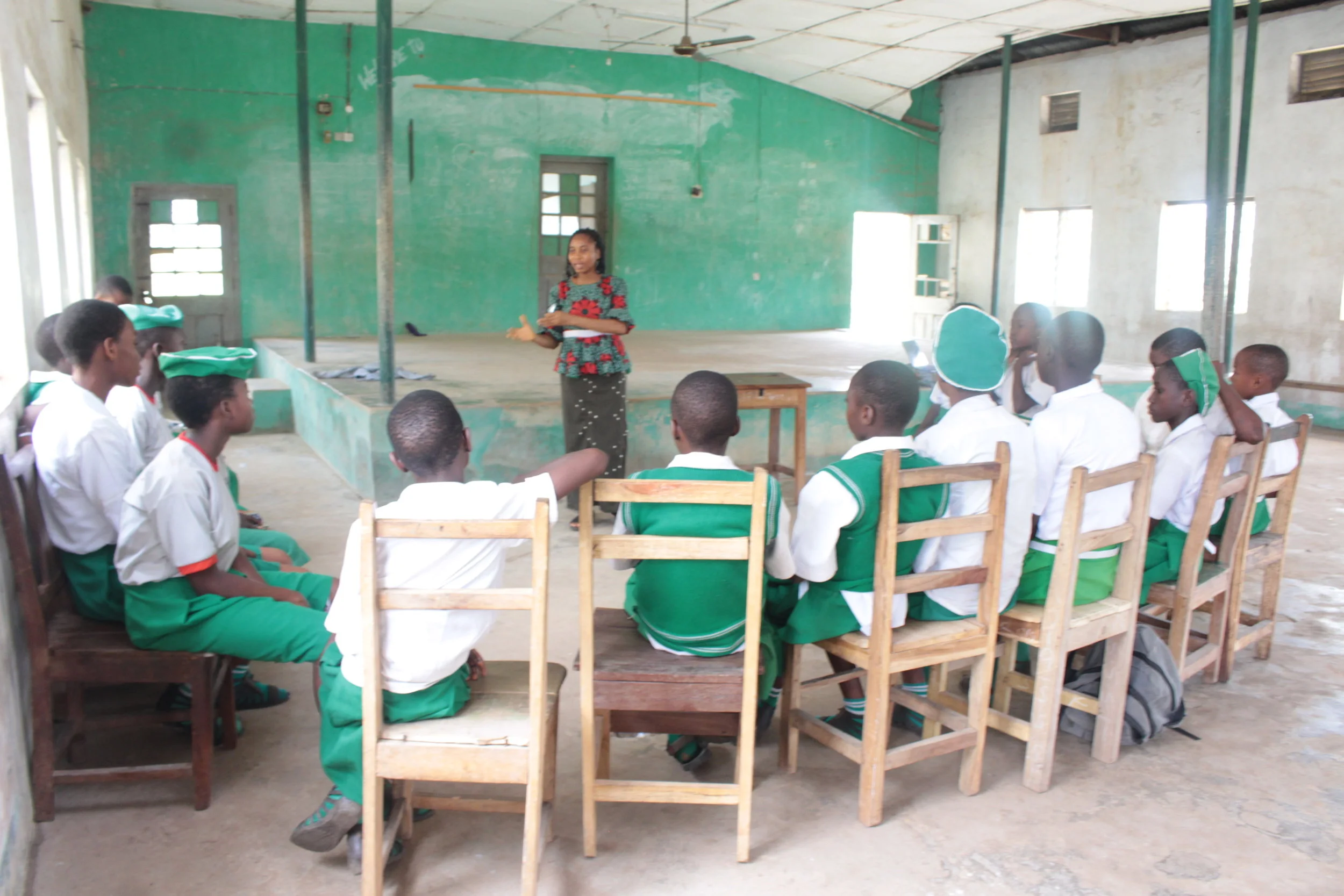
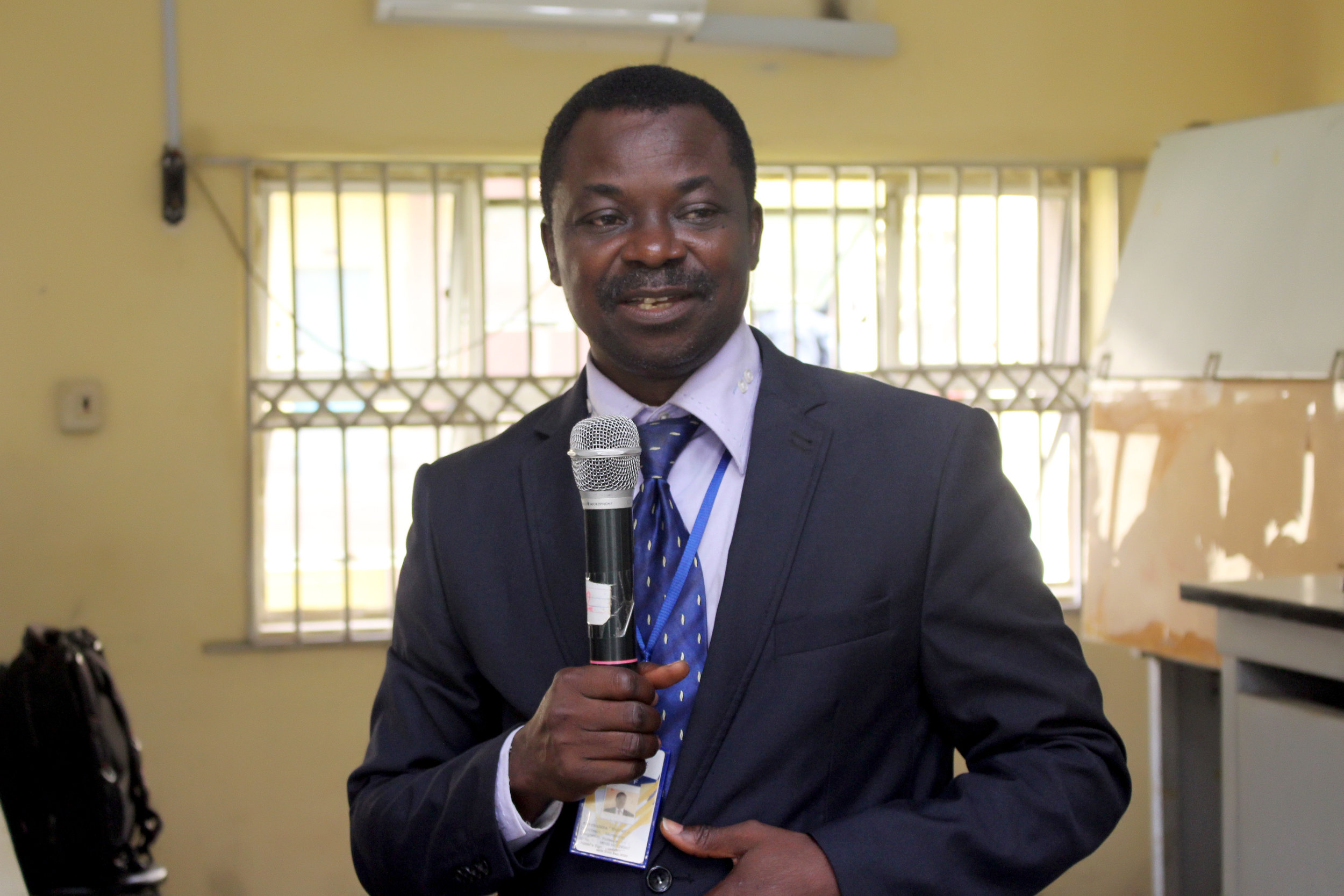
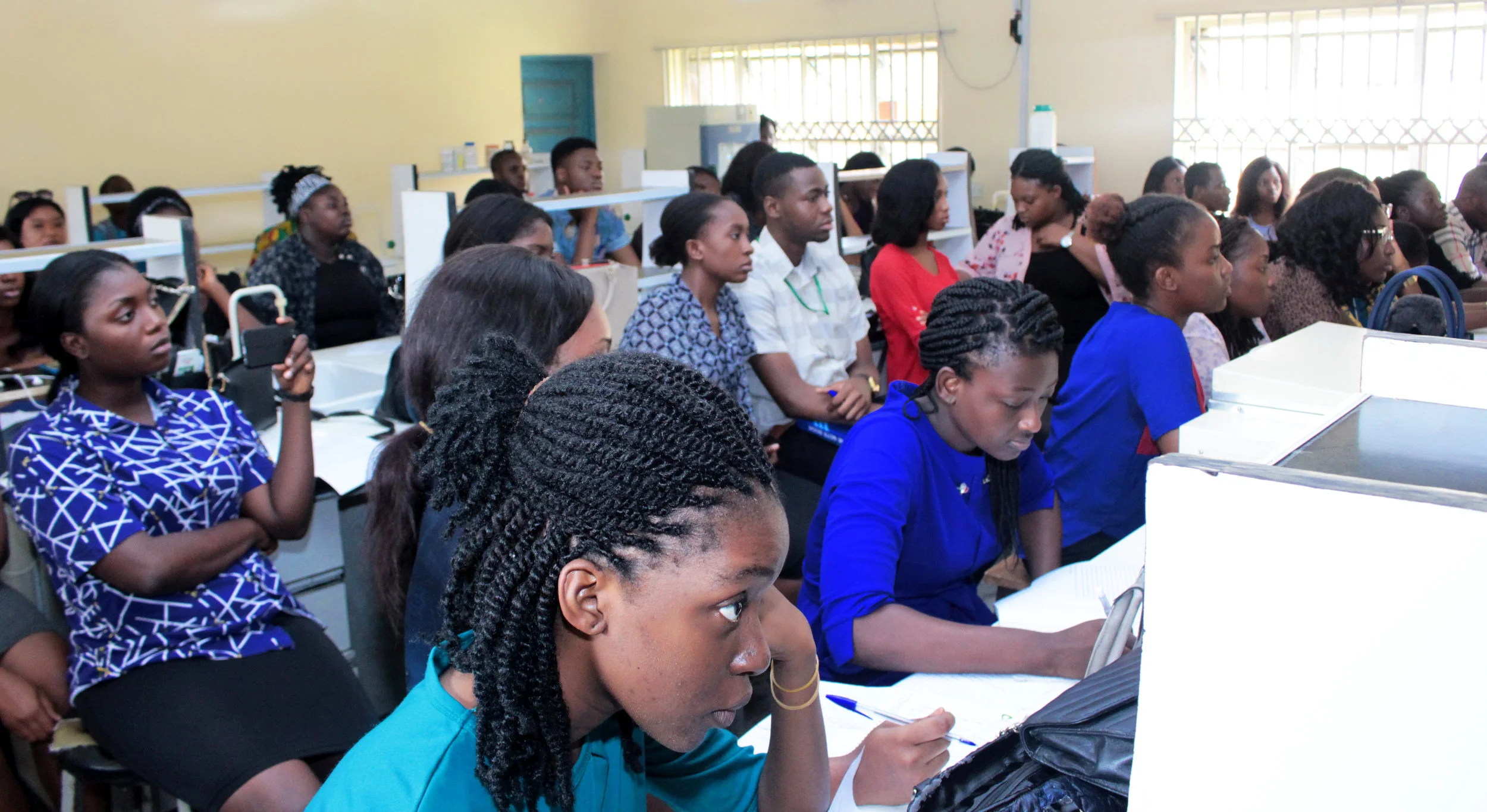
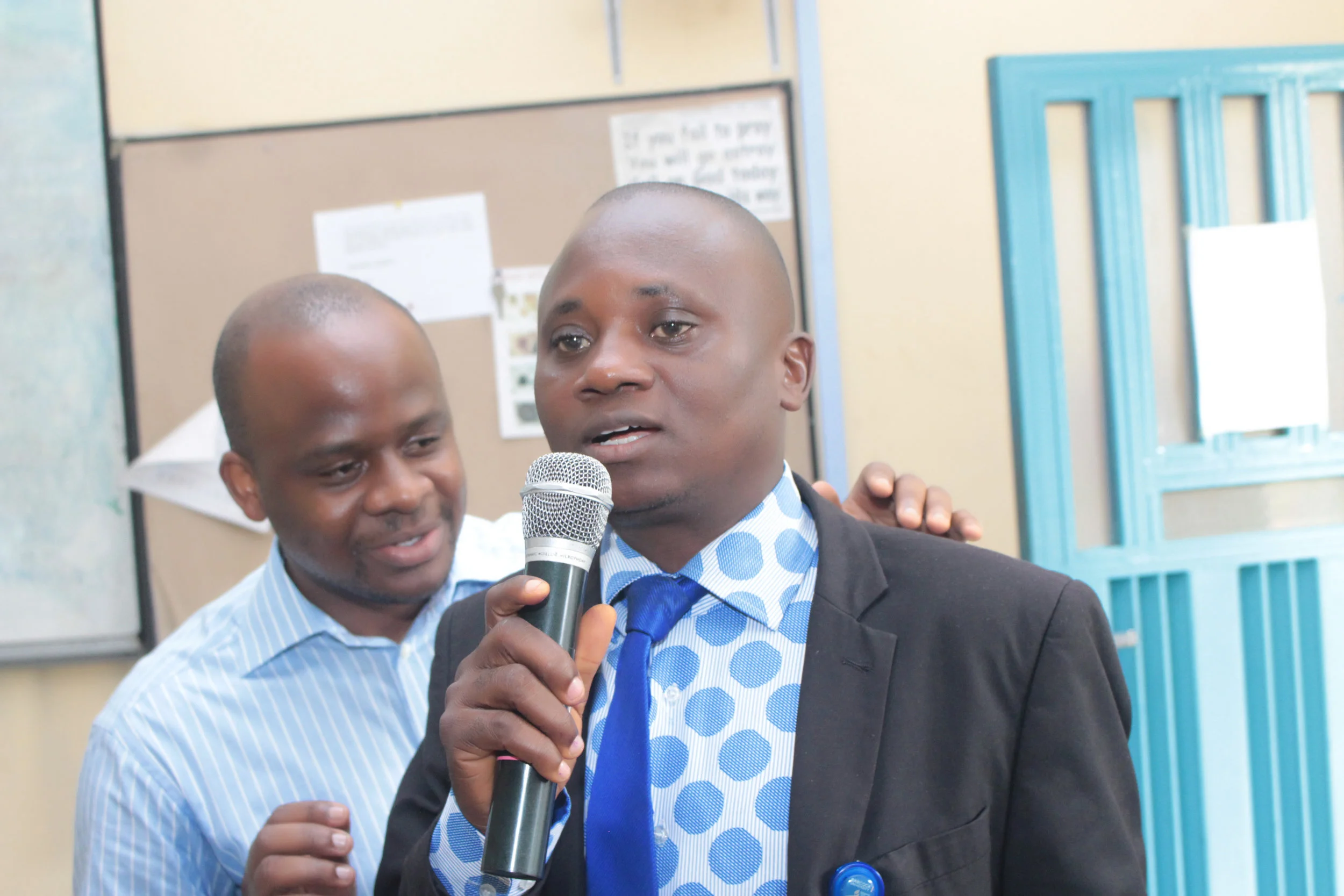
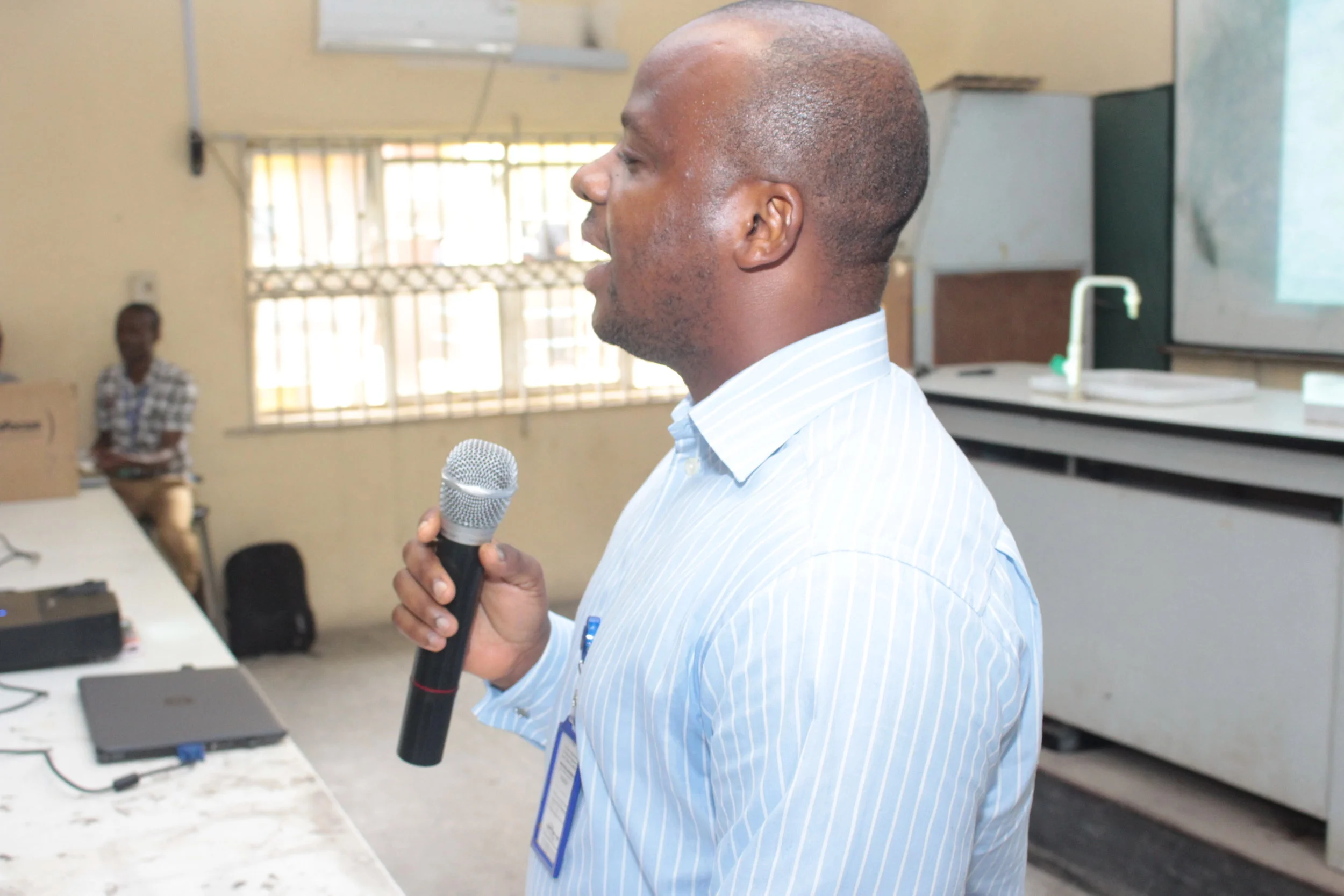
On the 20th of September, Dr Adenike Akinsemolu honored the invitation from the Microbiology Department of Babcock University, one of the leading universities in Nigeria, where she gave a Seminar presentation titled The Role Of Microorganisms In Achieving the Sustainable Development Goals. During the presentation, she demonstrated to the students how and what a Seminar Presentation should look like, and various strategies to engage and capture the attention of the audience. The presentation lasted for about 30 minutes with the questions and answers session Inclusive.

Cradle to Cradle: The School Of Science Seminar

Summary: The Role of Microorganisms in Achieving the Sustainable Development GoalsHarmful practices such as arbitrary use of chemicals, increased usage of non-renewable energy sources and uncontrolled generation of industrial waste has posed a great…

Summary: The Role of Microorganisms in Achieving the Sustainable Development Goals

Harmful practices such as arbitrary use of chemicals, increased usage of non-renewable energy sources and uncontrolled generation of industrial waste has posed a great threat to the sustainability of the environment. The way forward is to embrace sustainable measures, cleaner production and green technologies in order to conserve the ecology of the earth for future generations and this is achievable through the 17 Sustainable Development Goals (SDGs) which is sponsored by the United Nations (UN). These goals are divided into five sub-groups namely; People, Planet, Prosperity, Peace and Partnership.

Dr Adenike Akinsemolu, in her presentation, defined microorganism as living things that cannot be seen with the ordinary eyes. Microorganism play important roles in green processes and technologies. If microorganisms are used legally and well, they can contribute to the sustainable development goals. The advantages of microorganisms in this context is, in spite of this, often underestimated. The presenter discussed how microorganisms can be deliberately used to play fundamental roles in achieving the SDGs.

The usages of some microorganisms in actualizing the SDGs were highlighted at the seminar. Production of Gobar gas, also referred to as Bio-gas, by methane-producing organisms such as Methanomonas, yogurt (using Lactobacillus delbruekii subsp bulgaricus), prebiotics and probiotics (using Lactobacillus acidophilus) and other organisms can be harnessed to achieve the goals under the people sub-group of the SDGs. Botryococcus can store up to 50% of the biomass in the form of long-chain hydrocarbons for the generation of electricity, Eremothecium ashbyii, used in riboflavin fermentation and Pseudomonas as well as Rhizobia used in the production of bio-fertilizers can facilitate the realization of the prosperity sub-group of the SDGs. Microorganisms used in bioremediation and Algae like Saccharomyces or modified Escherichia coli can be used for third-generation biofuel production in actualizing the goals of the planet sub-group of the SDGs. Microbial forensics can be used to trace perpetrators and sources of biohazard in combating bioterrorism while capacity building on trade-related aspects of microbes and microbial technology can help in achieving the goals of peace and partnership sub-groups of the SDGs respectively.

Dr Akinsemolu recommends that, to effectually achieve the targets of sustainable development, the most important actions are to be taken by the government through legislations and policies. Government should improve funding for research and development in order to promote micro-based industries. She also recommends that researchers should not only focus on the health benefits of using microorganisms, but also on other significant applications like production of fermented foods, microbial electricity and biocontrol agents among others.

Mr Kafaru Simileoluwa

Mr Kafaru Simileoluwa

Summary: Cradle to Cradle

The second speaker Mr Kafaru Simileoluwa spoke on the need to rethink the way we make things. He established the fact that Recycling, Reducing, Reuse and Regulating is not enough to solve the present environmental threats faced by the world today; ranging from Climate Change, to pollution and also resource depletion. He stated that the mother earth should not be treated as merely a tool for mans progress, but man should see a need to actively interact with nature in a mutually benefitting manner.

DSC_8469 copy.jpg

He emphasized that there is a need to go back to the very foundation of all products and bring out a design that would interact safely with the environment, a world where the word WASTE only exists as a source of natural resource for man and equally nutrient for the environment.

AUGUST 2018 NEWSLETTER

Civilians are #NotATarget

"15 years ago, on 19 august, 22 humanitarian aid workers were killed in a bomb attack on the canal hotel in Baghdad, Iraq. This World Humanitarian Day, we’re shining a light on the millions of people whose lives are being destroyed by wars. Explore their stories, then join the movement to demand action from world leaders. Civilians are #NotATarget."


SEMINAR 1.jpg

SCHOOL OF SCIENCE SEMINAR SERIES

Join us as Dr. Akinsemolu discusses the numerous positive functions microbes perform in the environment and a need to explore the microbial world astutely as it can contribute tremendously to sustainable development. The seminar is open to the general public but limited seats are available. 


_The problem is we don't know what the climate is doing. We thought we knew 20 years ago. That led to some alarmist books – mine included – because it looked clear-cut, but it hasn't happened._ (1).png

DAVID BELLAMY: Green Personality of August 2018

David Bellamy is the President of the British Institute of Cleaning Service (BICSc) and a strong supporter of the BICSc plan to educate young people to care for and protect the environment. Also, he runs the David Bellamy Awards program as a competition designed to encourage schools to be aware of and act positively towards environmental cleanliness


tedx.jpg

TEDx ELIZADE UNIVERSITY

On 28th June, Founder of the Green Institute, Adenike Akinsemolu featured on a TEDx event titled Shaping The Future, where 12 speakers within 12 minutes spoke on various fields of study spanning across agriculture, music, poetry, social and biological environment.


ag cony.jpg

NAME: Ageratum conyzoides

COMMON NAMES: Goat weed, Billygoat-weed, chick weed, whiteweed

LOCAL NAMES: Imi-esu, Ula ujula, Urata, Ahenhen, pig feces, macela 

USEFUL PART(s):  Whole plant, leaves, root


sci afri.jpg

THE SCIENTIFIC AFRICAN LAUNCHED ON ELSEVIER

Currently, only two percent of all global scientific research comes from Africa. A new scientific journal has been launched in Africa in an effort to increase research output from the continent, which currently provides just two percent of all global research publications. We encourage young African researchers to publish in this new scientific journal.


sustainable-development-and-paradigm-shift-1-192x300.png

Call for Chapter Contribution

Our ultimate goal is to elevate the dialogue about the challenges of sustainable development as an inclusive approach to solving pressing global problem.

We invite experts, academics and students to submit chapter contributions and innovations for collectively addressing the contemporary challenges facing the anthroposphere, in which the environment is a pivotal constituent.


FUNDING OPPORTUNITIES

THINGS YOUSHOULD KNOW

You can get a Nano Degree in various courses at the Green Institute:

  1. Agriculture, Nutrition and Sustainability. CLICK HERE
  2. Early Childhood Education for Sustainability. CLICK HERE
  3. Principles of Green Science. CLICK HERE
  4. Culinary Arts. CLICK HERE

DAVID BELLAMY: Green Personality of August 2018

GREEN PERSONALITY (1).png

Full name: David James Bellamy

Date of birth: 18 January, 1933

Nationality: British

Residence: County Durham, England

Family: He married Rosemary Froy in 1959 and they had 5 children together

Global warming is part of natural cycle and there’s nothing we can actually do to stop these cycles. The world is now facing spending a vast amount of money in tax to try to solve a problem that doesn’t actually exist.
— David J. Bellamy

EDUCATION

He attended Chatsworth Road Primary School, Cheam; Cheam Road Junior School and Sulton County Grammar School; all in England.
He originally wanted to study English Literature and History but later changed to study Botany, Physics and Chemistry in the sixth form. Thus he studied Botany for a bachelor degree at Chelsea college of science and Technology which is now part of University College, London. Also, he got his PhD at Bedford College (now part of the University of London) in 1960.

OCCUPATION/CAREER

In 1960, David Bellamy became a lecturer in Botany Department of Durham University, after having worked as a laboratory assistant at Ewell Technical College, London and before becoming a graduate. However, it was his environmental consultancy work on the Torrey Canyon oil spillage in 1967 that brought him into prominence as a result of his write up in a leading scientific journal named “Nature”.

Also, he wrote many books for TV series in the 1980’s, especially for children’s enjoyment and education. In 1980, he released a musical single entitled ‘Brontosaurus Will You Wait For Me?’. It reached number 88 in the charts then.
Besides, Bellamy worked for the New Zealand Tourism department’s unique program for foreign journalists. While in New Zealand, he also worked on a documentary series known as “Noah’s Ark” which was released in 1990.

Moreover, he is one of the originators of the Ford European Conservation Awards. Significantly, David Bellamy has worked on and presented hundreds of television programs on Botany, ecology, environmental and other issues. Examples of such include “Bellamy on Botany”, “Bellamy Britain”; “Bellamy Europe”; and “Bellamy Backyard Safari”.

ADVOCACY/ACHIEVEMENTS

In 1983, Bellamy was jailed for blockading the Australian Franklin River in a protest against a proposed dam. On the 18th of August, 1984, he jumped from the pier at St. Abbs Harbor into the North Sea and thereby Voluntary Marine Reserve, the St. Abbs and Eyemouth Voluntary Marine Reserve.

In the late 1980’s, he staged a campaign in Jersey, Channel Islands, to save Queen Valley from being turned into a reservoir because of the presence of a rare type of snail, but he was unable to stop it. Besides, David Bellamy is the President of the British Institute of Cleaning Service (BICSc) and a strong supporter of the BICSc plan to educate young people to care for and protect the environment. Also, he runs the David Bellamy Awards program as a competition designed to encourage schools to be aware of and act positively towards environmental cleanliness.

In 2004, David Bellamy wrote an article in the Daily Mail in which he described the theory of human-made global warming as ‘poppycock’. He also expressed his opinions on global warming in other newspapers magazines and scientific journals, particularly between 2005 and 2007.

_The problem is we don't know what the climate is doing. We thought we knew 20 years ago. That led to some alarmist books – mine included – because it looked clear-cut, but it hasn't happened._ (1).png

PUBLICATIONS

  • Bellamy on Botany (1972) ISBN 0-563-10666-2
  • Peatlands (1973)
  • Bellamy's Britain (1974)
  • Life Giving Sea (1975)
  • Green Worlds (1975)
  • The World of Plants (1975)
  • It's Life (1976)
  • Bellamy's Europe (1976)
  • Botanic Action (1978)
  • Botanic Man (1978)
  • Half of Paradise (1978)
  • Forces of Life (1979)
  • Bellamy's Backyard Safari (1981)
  • The Great Seasons (with Sheila Mackie, illustratorHodder & Stoughton, 1981)
  • Il Libro Verde (1981)
  • The Mouse Book (1983)
  • Bellamy's New World (1983)
  • The Queen's Hidden Garden (1984)
  • I Spy (1985)
  • Bellamy's Bugle (1986)
  • Bellamy's Ireland (1986)
  • Turning The Tide (1986)
  • Bellamy's Changing Countryside (1987)
  • England's Last Wilderness (1989)
  • England's Lost Wilderness (1990)
  • Wilderness Britain? (1990, Oxford Illustrated Press, ISBN 1-85509-225-5)
  • Moa's Ark (with Brian Springett and Peter Hayden, 1990)
  • How Green Are You? (1991)
  • Tomorrow's Earth (1991)
  • World Medicine: Plants, Patients and People (1992)
  • Blooming Bellamy (1993)
  • Trees of the World (1993)
  • The Bellamy Herbal(2003)
  • Fabric Live: Bellamy Sessions (2004)
  • Jolly Green Giant (autobiography, 2002, Century, ISBN 0-7126-8359-3)
  • A Natural Life (autobiography, 2002, Arrow, ISBN 0-09-941496-1)
  • Conflicts in the Countryside: The New Battle for Britain (2005), Shaw & Sons, ISBN 0-7219-1670-8

RESOURCES

TEDx Elizade University: Shaping The Future

On 28th June, the Green Institute featured on a TEDx event titled Shaping The Future, where 12 speakers within 12 minutes spoke on various fields of study spanning across agriculture, music, poetry, social and biological environment. Some of the speakers include Walter Spearheart (multi-instrumentalist), Olushola Amusan (Curators), Professor Theophilus Fadayomi (Acting Vice Chancellor, Elizade University), Tade Ajiboye (Virtual Reality Developer) and others.

Adenike_Akinsemolu_TEDx

The event took place in Elizade University, Ilara-Mokin, Akure, Ondo Nigeria. Among the speakers was Dr. Akinsemolu Adenike (Founder of the Green Institute) who was accompanied by a few representatives of the Green institute, where she gave a presentation titled “Selling the Green Idea”. 

With a time limit of 12 minutes, she gave an orientation about what the Green Institute is involved in, what it means to go green, the need for environmental sustainability and also implored the audience to take the green pledge.

BEAT PLASTIC POLLUTION: WORLD ENVIRONMENT DAY 2018

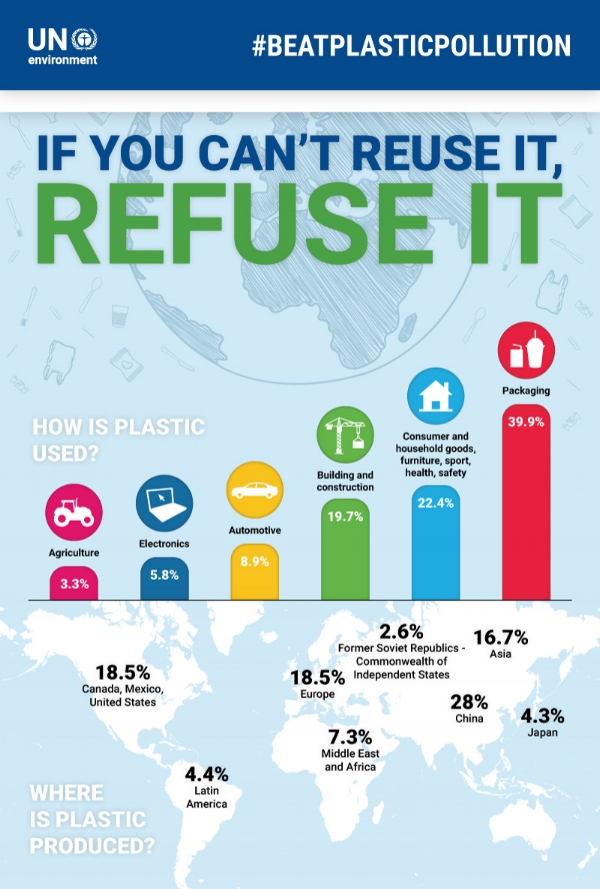
Pollution is posing a great threat to the existence of life on this planet. Plastic pollution magnifies this problem. The number of plastic waste disposed on a yearly basis can go around the earth three times and over. Unfortunately, the final destination of most of these plastic wastes are the oceans as 8 million plastics are estimated to get into the ocean yearly.

Plastic pollution poses challenges to wildlife, plants and even humans. Since 2004, about 4 billion plastics have been produced. The extensive use of plastics in clothing, automobiles, electronic gadgets, storage facilities, food packages shows how important the use of plastics can be which accounts for such a rise in production. Sadly, they play a vital role in polluting the environment as they are not biodegradable since they are meant for durability. It is established that 78% of hazardous wastes are plastics. Apart from the threat which improper management of plastics pose to our ecology, our health is also at risk. Plastics, a product of refined crude oil containing Bisphenol-A -a chemical functioning as plasticizers, responsible for the flexibility and durability of the material poses health risks when in contact with food.

PLASTIC_infographic_en.jpg

Africa is no stranger to pollution. The continent has battled with garbage disposal issues for many years. The use of plastic bags account for a large number of landfill dilemmas. The Nile and Niger have been listed amongst the chief culprits of disastrous pollutions of the environment by a recent study conducted in 2017. The large populations living on the river banks are responsible for why the rivers entry points of plastics into the ocean.

The devastating effects of poor waste management are so evident in the continent. In Lagos, Nigeria, only 40% of 10,000 tonnes of waste are collected. Nigeria has also had an estimated 349 oil spills, and has lost 80% of the country's forest.

The expansion of the middle class in the continent has seen the consumption of more plastics and items contained in plastics than any other time in the history of the continent. Mismanaged wastes from maritime and shipping activities in the continent also find its way into the oceans. Polystyrene buoys that form significant amounts of plastic debris from agricultural processes also end up in oceans or beaches.

Other factors identified to influence the movement of plastics into the oceans include human behaviour such as littering, wind, water flows, vehicular transport. The primary sources found to be caused by human practices.

Beating plastic pollution

In a bid to address the alarming rise of plastic wastes, many countries have adopted different policies. Many African countries are banning the use of plastic bags. After losing 70% of its livestock to the ingestion of plastics, Mauritania was the first African country to ban plastic wastes. Mali, Cote d'Ivoire, Kenya, Ghana, Ethiopia, Senegal, Uganda and Tanzania have followed suit, while South Africa and Cameroon placed taxes for its use.

Retail serves as a great opportunity by which plastic pollution can be beaten. Plastic wastes are being transformed into marketable products for retail. For instance, plastic bags are transformed into school bags for kids; tires are turned to shoes and plastic bottles are being recycled for further use by appropriate agencies.

Trash for education is another concept in play to beat plastic pollution. This process involves tapping into informal waste collection and exchanging it for educational vouchers which can be redeemed for online/offline courses or educational materials. The heavier the weight of the trash, the higher the value of the educational voucher awarded to the student. The scheme which is designed by Green Campus Initiative creates value for participants by generating revenue through recycling and reuse of materials, which serves as an employment avenue. To what effect? Let's consider a case study of Grace, a Gambian-born Nigerian living in the western part of the country.

Grace Otemuyiwa

Grace Otemuyiwa

Like every other fresher preparing for resumption, Grace had prepared a lengthy list of needs for her first year in higher institution. Grace whose childhood dream has always been to become a Civil Engineer hopes to build sustainable buildings in local communities. Though her farmer dad and her trader mum can be said to be lower middle-class, they have strongly influenced and supported her ambitious dreams.

Determined to prepare herself in the best possible way, she made an exhaustive list of items needed to excel in her studies. In a quest to assist her parents as she knew they might not be able to afford all she needed, she enrolled in a paid internship with Green Campus Initiative (GCI). It was during the internship she learnt about the ‘Trash for Education’ programme; a system designed to reward people who trade their valuable wastes and other unused materials with formal education, educational materials and vocational training.

That waste could serve as a substitute for money seemed foreign to Grace. However, she saw this as an opportunity to get some items off her list of needs; waste is everywhere, after all! Her parents were super excited when they heard as well. She signed up for the programme. Grace and her parents did not break a sweat fetching the amount of waste that will get her the most coveted item on her list – the Calculus TextBook. Beyond the bargain, Grace was also presented a solar lamp to enable her read at night. Grace vowed to be a vanguard of Trash for education, as she truly believes it is a great scheme that can provide access to education, especially for those struggling to afford it.

Grace exchanging her plastic bottles

Grace exchanging her plastic bottles

Why the need to beat plastic pollution arises

Plastic pollution affects the food chain as microorganisms become poisoned from ingestion. This poses a bigger problem when fishes and larger animals feed on them which brings plastic poisoning further up the food chain. Clean drinking water is also at risk as plastic poisoning can find its way to humans. This can be due to the interaction of plastics with water in landfills which seeps underground, degrading the water quality. The burning of plastic also releases poisonous chemicals into the atmosphere which leads to respiratory problems when inhaled by humans and animals.

The effects of the improper management of plastic wastes are far-reaching, and it is imperative that we start acting fast to curb these effects for the ultimate good of sustaining life and making it better for the planet. We all need to get involved in the process of managing plastic waste. Recycling is an excellent point to start, but it cannot be done solely by a section of society. The world's environmental day gives us a perfect opportunity to remind ourselves to stand up and make more moves in cleaning the planet. We all have a role to play in ensuring that government legislations and independent environmental initiatives come to a realisation. Then and only then, can we truly have a cleaner, safer and better earth.

1.jpg

VANDANA SHIVA: Green Personality of June 2018

Vandana Shiva_Green

Full names: Vandana Shiva

Date of Birth: 5th November 1952

Place of Birth: Dehradun, India

Nationality: Indian

Nature shrinks as capital grows. The growth of the market cannot solve the very crisis it creates.
— Vandana Shiva, Soil Not Oil: Environmental Justice in an Age of Climate Crisis

Education

She was educated at St. Mary’s School in Nainital, and at the Convent of Jesus and Mary in Dehradun.

Also, Shiva read Physics for both bachelor and Masters Degrees at Panjab University in Chandigarh, graduating in 1972 and 1974 respectively. Moreover, she studied for and got an MA in Philosophy of Science at the University of Guelph, Ontario, Canada, in 1977.

Furthermore, Shiva studied for and bagged a PhD in Philosophy of Physics at the University of Western Ontario, Canada, in 1978.

Finally, she later proceeded for interdisciplinary research in Science, Technology and Environmental Policy at the India Institute of Science and the India Institute of Management, both in Bangalore, India. Thus, Vandana Shiva is a complete and prolific technocrat and a celebrated environmentalist.

Career

Though Vandana Shiva is a well-trained and Certificated Pure Scientist, she makes a living as an author of various innovative books on green education and as a conference speaker.

Residence

Vandana Shiva lives in India.

Advocacy

Vandana Shiva is a prolific advocate of women rights and sustainable living. She is also an ever-ready and indefatigable activist of biodiversity and indigenous knowledge.

Thus, she founded the Research Foundation for Science, Technology and Ecology (RFSTE) in 1982, which later led to the forming of what is known as “Navdanya” in 1991.

Navdanya means ‘Nine seeds’ or ‘New Gift’, which is a means of educating farmers of the immense advantages in the practice of having various and individualized crops rather than receiving offers from mono-culture food producers. The initiative brought about the establishment of over 40 seed banks across India for diversified agriculture. Shiva also set up ‘Bija Vidyapeeth’ which is an international College for sustainable living, in Doon Valley, in 2004. He first book entitled ‘Staying Alive’ was published in 1988 and it helped redefine perceptions of Third World Women. Also, Shiva has written copious reports for FAO and the UN on mainly women rights issues and sustainable agriculture and even manufacturing. Besides, she has worked for the Promotion of biodiversity in agriculture to increase productivity, nutrition and farmer’s incomes. It is for this work that Time magazine recognized her as an ‘Environmental Hero in 2003. In an interview with David Borsamian, Shiva argues that the Seed-Chemical Package promoted by Green revolution agriculture had depleted soil, destroyed living ecosystems, and negatively impacted people’s health. In her work, she cites data allegedly demonstrating that today there are over 1400 pesticides that may enter the food system across the world because only 1% of pesticides sprayed act on the target pest. Vandana Shiva, alongside her sister, Dr Mira Shiva, argues that the health costs of increasing pesticide and fertilizer use range from cancer to kidney failure to heart disease. Also, on what she calls ‘biopiracy’, Shiva has fought against and won attempted patents of several indigenous plants in India, such as basmati by the US Department of Agriculture and the Corporation WR Grace. Moreover, her activitism included the struggles against the promotion of the Sale and consumption of ‘Golden rice’ (a breed of rice that has been genetically engineered to biosynthesize beta-carotene, a precursor of Vitamin A) in India by GMO corporation of India, around 2013. However, there have been several and severe criticisms of Vandana Shiva’s views and methods by some reputed solid analysists notably investigative Journalist Michael Specter of the New Yorker in an article on 25 August, 2014 entitled ‘Seeds of Doubt’ and journalist Kerth Kloor in an article published in ‘Discover’ on 23 October, 2014 entitled ‘The Rich allure of a Peasant Champion. Notwithstanding, all the criticisms have not reduced the personality and achievements of Vandana Shiva as a first-rate, world-class environmentalist.

Vandana Shiva and Adenike Akinsemolu, the founder of the Green Institute

Vandana Shiva and Adenike Akinsemolu, the founder of the Green Institute

Achievements of Sustainable Development and Environmentalism

The setting up and continuing operation of the Research Foundation for Science, Technology and Ecology (RFSTE) in 1982, the initiative, promotion and benefit of ‘Navdanya’ in India since 1991; the winning of a 10-year legal battle against biopiracy the US Department of Agriculture and other organizations in 2005; the recognition by Time magazine as an ‘Environmental Hero’ in 2003; the establishment and continuing operation of an international college for sustainable living in Doon Valley, (i.e. Bija Vidya peeth) in 2004; etc

_The problem is we don't know what the climate is doing. We thought we knew 20 years ago. That led to some alarmist books – mine included – because it looked clear-cut, but it hasn't happened._.png

PUBLICATIONS

OFFICIAL WEBSITE

http://vandanashiva.com/

World Migratory Bird Day!

Today is World Migratory Bird day (WMBD)! 

2018 is an important transition year in the history of World Migratory Bird Day - unifying the planet’s major migratory bird corridors, or flyways: the African-Eurasian flyway, the East Asian-Australasian flyway, and the Americas flyways. Celebrated from now on twice a year, on the Second Saturday in May and in October, WMBD aims to reach out to a broader audience and amplify its message for bird conservation. As a new global platform that unifies efforts worldwide, WMBD will be reinforcing education and awareness-raising about the need to protect migratory birds and their habitats - at all different levels, in all parts of the world.
— www.worldmigratorybirdday.org
rufus.jpg

Rufous Hummingbird / Selasphorus rufus

  • This tiny migratory pollinator breeds in western Canada and the U.S. It spends the non-breeding season primarily in Mexico, but has also have been increasingly documented as wintering in the southeastern U.S.
  • The Rufous Hummingbird is known as one of the “feistiest” hummingbirds in North America, aggressively defending nectar at feeders and flowers.
  • This species breeds farther north than any other hummingbird, all the way to Alaska. Its migratory pattern is unusual, with most following the Pacific Coast north and the Rocky Mountains south, as one of the earliest fall migrants at backyard feeders.
  • Their declining population may be due to changes in the timing of flowering as temperatures warm, pesticide applications, or loss of habitat. To help these brilliantly colored birds, plant native flowers that bloom throughout the season.
GoldenWingedWarbler.jpg

Golden-winged Warbler / Vermivora chrysoptera

  • Changing habitats are impacting this striking bird with bright yellow markings.
  • The Golden-winged Warbler prefers nesting sites with sparse shrubs and trees in wetlands or in upland areas. As this habitat matures to forest or is developed, numbers of this species have declined steeply.
  • This species usually nests on the ground.
  • Conservation efforts are focused on implementing management practices to increase breeding habitat in wetlands and shrublands, and on collaborating with partners to protect their wintering grounds in Central and South Am
Red_Knot_2012c_RWD.jpg

Red Knot / Calidris canutus

  • Traveling as many as 19,000 miles each year from non-breeding sites in South America to nesting sites in Canada, in as few as six days, it faces challenges throughout its journey.
  • During spring migration this species stops over in Delaware Bay to feed on the eggs of horseshoe crabs. Such sites where they refuel for their long flights are important to protect.
  • One of the biggest contributors to the declines in Red Knot populations is a warming climate, which is reducing the tundra where they nest, intensifying storms during their migration, and warming sea waters which affects the shellfish they need to survive.
  • Helping to protect migratory birds from climate change impacts starts at home. Weatherizing your home, using energy-efficient lights and appliances, and reducing your use of fuel are small steps, but when multiplied across the planet they can have a big impact.