Philippines volcano: UN stands ready with support, as thousands told to flee

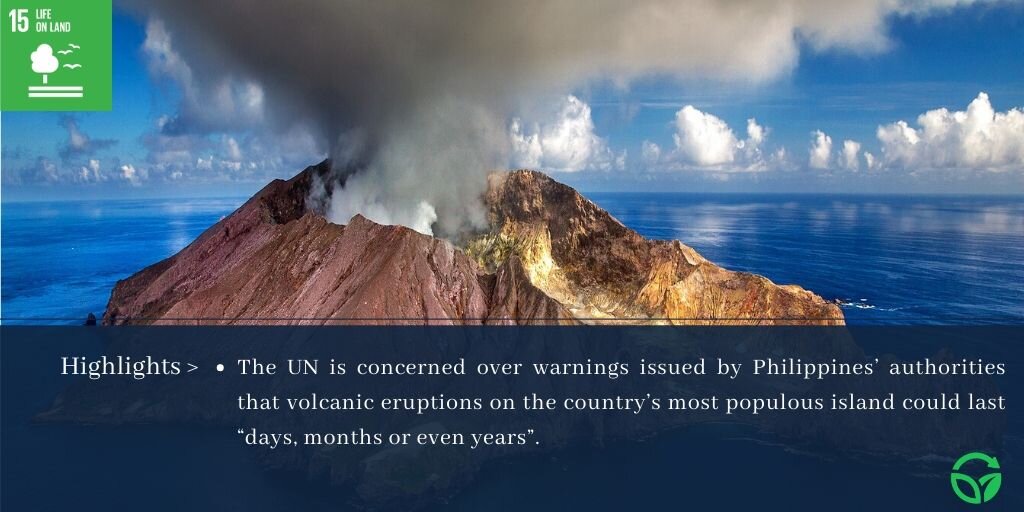
In explosive eruptions last Sunday, the Taal Volcano, located on the island of Luzon, some 70 kilometres south of the capital city of Manila, began to violently spew magma, which has led to the evacuation of more than 38,000 people to 198 evacuation centers so far.

Within hours, the volcano shot a mile-high plume of ash and triggered multiple earthquakes. Taal has had at least 35 reported eruptions since records began, most recently in 1977.

The country of 105 million sits on the Pacific Ocean’s “ring of fire”, where seismic activity is frequent.  

Although eruptions had eased by Wednesday, Taal remains on level four of a five-step alert level, signaling the possibility of a flare-up within hours or days that still threatens the lives of hundreds of thousands of people. 

2019, the second warmest year as confirmed by the UN

_The problem is we don't know what the climate is doing. We thought we knew 20 years ago. That led to some alarmist books – mine included – because it looked clear-cut, but it hasn't happened._ (3).jpg

“The average global temperature has risen by about 1.1°C since the pre-industrial era and ocean heat content is at a record level,” said WMO Secretary-General Petteri Taalas.  

At the current trend of CO2 emission rate, we are headed towards between a 3 to 5 degree increase in temperature by the end of the century.

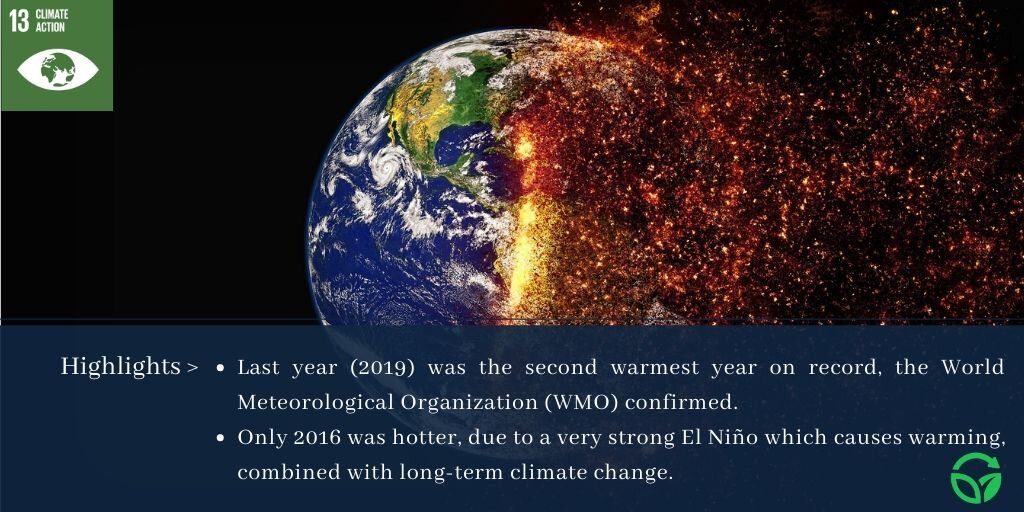
2019, as reported by the World Meteorological Organization (WMO) was 1.1°C warmer than the pre industrial era.

Only 2016 was hotter, due to a very strong El Niño which causes warming, combined with long-term climate change. 

World Statistics

Temperature Anomaly Trends

  • The average rate of increase since 1981 (0.17°C / 0.31°F) is more than twice as great.

  • The 10 warmest years on record have all occurred since 1998, and 9 of the 10 have occurred since 2005.

  • According to IPCC 2007 report, sea levels will rise by 7-23 inches by the end of this century due to global warming

  • Since 1880, the average temperature has risen by 1.4-Fahrenheit degrees.

  • The last two decades of the 20th century have been hottest in the last 400 years, according to climate studies.

  • The Arctic is one of the worst places to be affected by global warming.

FURTHER READING

Ruedy, R., Sato, M., & Lo, K. (2010). Global surface temperature change. Reviews of Geophysics. https://doi.org/10.1029/2010RG000345

Hansen, James, Sato, M., Ruedy, R., Lo, K., Lea, D. W., & Medina-Elizade, M. (2006). Global temperature change. Proceedings of the National Academy of Sciences of the United States of America. https://doi.org/10.1073/pnas.0606291103

Vermeer, M., & Rahmstorf, S. (2009). Global sea level linked to global temperature. Proceedings of the National Academy of Sciences of the United States of America. https://doi.org/10.1073/pnas.0907765106

UN moves to tackle ‘hidden abuse’ and violence against Europe’s children

_The problem is we don't know what the climate is doing. We thought we knew 20 years ago. That led to some alarmist books – mine included – because it looked clear-cut, but it hasn't happened._ (2).jpg

Each year, at least 55 million children in Europe suffer some form of physical, sexual, emotional or psychological violence - the UN health agency (WHO).

And despite the magnitude of this figure, “it is well established that incidents of interpersonal violence are widely underreported”, according to the World Health Organization’s European Region office.

Accounting for underreporting, WHO estimates that of the 204 million children under the age of 18 across the region, 9.6 per cent experience sexual exploitation, 22.9 per cent physical abuse and 29.1 per cent emotional harm. Moreover, 700 are murdered every year

“The cost of violence against children adds up”, WHO maintained, highlighting that an estimated $581 billion is spent annually on treating victims.

Violence against children is chilling and distressing
— WHO Spokesperson


Volcanic Eruption in the Philippines

_The problem is we don't know what the climate is doing. We thought we knew 20 years ago. That led to some alarmist books – mine included – because it looked clear-cut, but it hasn't happened._ (1).jpg

There are reports of a volcano spewing Lava in the Philippines. In the early hours of Monday, a weak flow of lava began seeping out of Taal volcano - located some 70km (45 miles) south of the capital Manila.

The Taal Philippines volcano is considered the second most active volcano in the country, It is positioned on an Island in the middle of a lake, it is one of the world's smallest volcanoes and has recorded at least 34 eruptions in the past 450 years.

The Philippine Institute of Volcanology and Seismology (PHIVOLCS) has raised the alert level to four, meaning an "explosive eruption" could happen in the coming hours or days. Its highest alert level is five, indicating an eruption is taking place. - CNN

Inaction over climate emergency ‘not an option’ says UN Assembly chief

_The problem is we don't know what the climate is doing. We thought we knew 20 years ago. That led to some alarmist books – mine included – because it looked clear-cut, but it hasn't happened._.jpg

Tijani Muhammad-Bande was addressing the International Organization for Renewable Energy High-Level meeting on the particular threat faced by Small Island Developing States, or SIDS, and their partners in development. 

“Inaction will put at risk all life on earth as we know it”

Warned the veteran Nigerian diplomat. “Inaction will only lead to more severe and extreme weather events, land degradation and deforestation, loss of biodiversity, pollution and acidification of oceans, global food insecurity as well as drought and floods.” 

Inaction will lead to continued sea level rise, risking the displacement of 280 million people from coastal areas and islands by 2050
— Muhammed Bande

Spread of polio still an international public health concern

_The problem is we don't know what the climate is doing. We thought we knew 20 years ago. That led to some alarmist books – mine included – because it looked clear-cut, but it hasn't happened._ (3).jpg

The opinion comes in a statement released on Tuesday following the latest meeting of the Emergency Committee convened by the World Health Organization (WHO) that provides technical advice on international public health emergencies.   

“The Committee unanimously agreed that the risk of international spread of poliovirus remains a Public Health Emergency of International Concern (PHEIC) and recommended the extension of Temporary Recommendations for a further three months”, it said.

The Emergency Committee, which met in December, expressed concern over “the significant increase” in cases of wild poliovirus 1 (WPVI), the last of three strains to be eliminated.   

There were 28 cases in 2018, compared to 113 as at mid-December last year, “with no significant success yet in reversing this trend.”

Transmission remains widespread in Pakistan, where challenges include continued refusal to accept vaccination by individuals and communities.  There was also evidence of further spread to neighbouring Afghanistan, where ongoing instability makes scores of children inaccessible, particularly in the south. 

Population Statistics

One of the most astounding facts about population is the sheer speed at which the world population is growing.

  • The world population reached 7.6 billion as of mid-2017.

  • The world has added approximately one billion inhabitants over the last twelve years.

  • Even with the high death rates of those living in poverty, the world population is still expanding at an incredible rate.

  • The world’s population is growing by 1.10 percent per year, or approximately an additional 83 million people annually.

  • The global population is expected to reach 8.6 billion in 2030, 9.8 billion in 2050 and 11.2 billion in 2100.

  • 50.4 percent of the world’s population is male and 49.6 percent is female.

  • The median age of the global population, that is, the age at which half the population is older and half is younger, is 30 years.

FURTHER READING

ONU. (2015). World population, ageing. Suggested Citation: United Nations, Department of Economic and Social Affairs, Population Division (2015). World Population Ageing. https://doi.org/ST/ESA/SER.A/390

Population Reference Bureau. (2016). 2016 World Population Data Sheet. 2015 World Population Data Sheet. https://doi.org/10.2307/1972177

UN-DESA Population Division. (2017). World Population Prospects: The 2017 Revision. In World Population Prospects: The 2017 Revision.

United Nations / Department of Economic and Social Affairs. (2009). World Population Prospects : The 2008 Revision. In Population Newsletter. https://doi.org/21 February 2014

66 People Have Died in Indonesia's Devastating Floods

From the Jakarta flood, Indonesia, dozens of people have been reported dead while  Landslides and flash floods have displaced more than 36,000 in Jakarta and the nearby provinces of West Java and Banten, according to the ASEAN Coordinating Centre for Humanitarian Assistance (AHA).

Mudslides and power blackouts have hampered the search for people missing in massive floods in Indonesia’s capital, where more than 60 people have died and some of the tens of thousands of evacuees are living in damp, cramped emergency shelters.

Reports say it is the worst flooding since 2007 which killed over 80 people, spanning over 10 days. More rain is forecast, with the potential for more extreme rainfall in the next month.

Economic impact of Australia's bushfires set to exceed $4.4bn cost of Black Saturday

_The problem is we don't know what the climate is doing. We thought we knew 20 years ago. That led to some alarmist books – mine included – because it looked clear-cut, but it hasn't happened._.jpg

Damages record of $4.4b from the 2009 Australian bush fire called Black Saturday is set to be broken by the intense wildfire currently battled in the Country, according to Moody Analytics.

The Moody’s economist Katrina Ell said the fires would further cripple Australia’s already anaemic consumer confidence, increasing the chances of a rate cut next month, as well as causing damage to the economy through increased air pollution and direct harm to industries such as farming and tourism.

Fires have charred about 8.4 million hectares of land compared to the 450000 from the 2009 Black Saturday blazes where about 173 people were killed. Currently, reports show that about 25 people have been killed by the ongoing fire.

Tourism in the country has already taken a significant hit during what is supposed to be a Peak season and Tourism bodies say it will cost billions to rebuild.

Record-breaking 4.9m hectares of land burned in New South Wales (Australia) this bushfire season

_The problem is we don't know what the climate is doing. We thought we knew 20 years ago. That led to some alarmist books – mine included – because it looked clear-cut, but it hasn't happened._ (12).jpg

A record-breaking area of land has been burned in New South Wales this bushfire season, according to the latest figures released by the Rural Fire Service.

A total of 4.9m hectares – an area larger than Denmark – has been destroyed in the state during the nationwide fire crisis.

The total area burned across NSW, Victoria, Queensland, South Australia, Western Australia and Tasmania has now reached 8.4m hectares – an area larger than Scotland. At least 25 people have been killed, including three volunteer firefighters, and thousands of homes destroyed.

Statistics show that it has burned an estimated 8.4 million hectares (21 million acres; 84,000 square kilometres; 32,000 square miles), destroyed over 2,500 buildings (including over 1,300 houses) and killed 25 people as of 5 January 2020.

Investing in health workers yields ‘triple dividend - WHO chief says

_The problem is we don't know what the climate is doing. We thought we knew 20 years ago. That led to some alarmist books – mine included – because it looked clear-cut, but it hasn't happened._ (11).jpg

“They are doing life-saving work every day, including during holidays when the rest of us are with our loved ones at home”, said Tedros Adhanom Ghebreyesus, Director-General of the World Health Organization (WHO), in his video message for the new year.

“But the world needs to do a better job in supporting our health workers, paying them, training them and protecting them”.

WHO estimates that the world will need another 18 million health workers, mostly in low- and middle-income countries.

He recalled that 2020 is the Year of the Nurse and the Midwife, which celebrates the professionals who provide a wide range of health services “from the first moments of life to the last”.

There are 22 million nurses and two million midwives worldwide, who prevent, diagnose and treat diseases, provide expert care during childbirth and also serve people caught in humanitarian emergencies and conflicts, according to WHO. 

Pollution Statistics

Pollution Statistics

Pollution is one of the biggest global killers, affecting over 100 million people. That’s comparable to global diseases like malaria and HIV.

Cleanups can save animals’ lives and discourage people from littering in the future. Take initiative and host a cleanup -- wearing anything but clothes! -- at a park near you. Sign up for 

In 1975, the National Academy of Sciences estimated that ocean-based sources, such as cargo ships and cruise liners had dumped 14 billion pounds of garbage into the ocean.

Over 1 million seabirds and 100,000 sea mammals are killed by pollution every year.

People who live in places with high levels of air pollutants have a 20% higher risk of death from lung cancer than people who live in less-polluted areas.

Further Reading

  1. World Health Organization. "Climate change and health." 2014. Web Accessed April 25, 2015. ↩︎

  2. Keep America Beautiful. “LITTER IN AMERICA.” 2010. Web Accessed April 25, 2015. ↩︎

  3. California Coastal Commission. "Marine Debris." State of California. Web Accessed April 25, 2015. ↩︎

  4. United Nations Environment Programme. "Marine Liter: Trash that Kills." Web Accessed April 25, 2015. ↩︎

  5. Grens, Kerry. "Air pollution tied to lung cancer in non-smokers." Thomas Reuters, 2011. Web Accessed April 25, 2015. ↩︎

Secretary-General calls for global participation in UN75 dialogues for better future for all

_The problem is we don't know what the climate is doing. We thought we knew 20 years ago. That led to some alarmist books – mine included – because it looked clear-cut, but it hasn't happened._ (10).jpg

The UN75 initiative is  described as a "global reality check" to spark conversations  around building a better future for all.

As the UN prepares to turn 75, we want to hear your views on how to tackle the biggest challenges of our time.

Four innovative data streams will capture discussions across the world, and in diverse settings, to build the first-ever repository of crowd-sourced solutions to major global challenges.  

The UN75 dialogues – together with a ‘One-minute Survey’, opinion polling in 50 countries, and an artificial intelligence sentiment analysis of traditional and social media in 70 countries – will generate compelling data to inform national and international policies and debate

UN Secretary-General António Guterres will present the views and ideas that are generated to world leaders and senior UN officials at a high-level event on 21 September to mark the Organization's 75th anniversary.

Sub-Saharan Africa faces grave hunger challenges in 2020: UN food relief agency

_The problem is we don't know what the climate is doing. We thought we knew 20 years ago. That led to some alarmist books – mine included – because it looked clear-cut, but it hasn't happened._ (8).jpg

According to the World Food Programme (WFP) 2020 Global Hotspots Report, millions of people in Zimbabwe, South Sudan, Democratic Republic of Congo and the Central Sahel region will require life-saving food assistance in the coming months – the sheer scale and complexity of which will stretch the UN food relief agency’s capacity to the limit and require generous donor support for a ramped-up humanitarian response.

WFP Executive Director David Beasley spelled out: “WFP is fighting big and complex humanitarian battles on several fronts at the start of 2020”.

WFP is fighting big and complex humanitarian battles on several fronts at the start of 2020
— WFP chief

“In some countries, we are seeing conflict and instability combine with climate extremes to force people from their homes, farms and places of work”, he elaborated. “In others, climate shocks are occurring alongside economic collapse and leaving millions on the brink of destitution and hunger.”

Why Is It So Difficult to Fund Infrastructure Development in Africa?

_The problem is we don't know what the climate is doing. We thought we knew 20 years ago. That led to some alarmist books – mine included – because it looked clear-cut, but it hasn't happened._ (6).jpg

In a period of rapid advancement worldwide, Africa’s development needs remain huge. Why? Closing the infrastructure deficit in Africa entails recognizing the numerous barriers impeding economic growth and prosperity. Environmental, social and governance factors should not be ignored.

Over the past two decades, the region has expanded core infrastructure, such as telecommunications networks and access to safe potable water, but developmental progress has generally been too limited, with Africa remaining the only world region where there has been a decline in road network density and almost no improvement in per capita electricity-generating capacity. Investment in development infrastructure has also been insufficient: according to recent statistics,

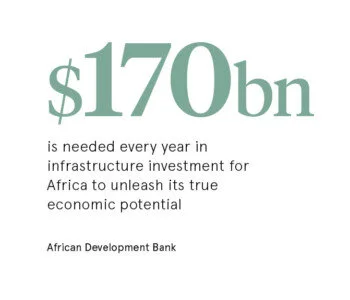
Africa has a development financing gap of nearly USD 108 billion and an estimated need for infrastructure investment of between USD 130 billion and USD 170 billion.

Africa’s development gap and relatively slow progress present attractive investment opportunities for developmental projects focused on building intra-regional transport networks, creating power generation solutions, revolutionizing manufacturing and agro-processing, and achieving environmentally responsible natural resources extraction. But the chances of meeting this potential are hampered by fundamental challenges limiting the involvement of potential financiers. To successfully fund infrastructure development projects, financial investors need to identify, understand and overcome these challenges.

The Green Institute at The Youth Energy Summit (YES) 2019

Dr Akinsemolu Adenike at the YES summit

Dr Akinsemolu Adenike at the YES summit

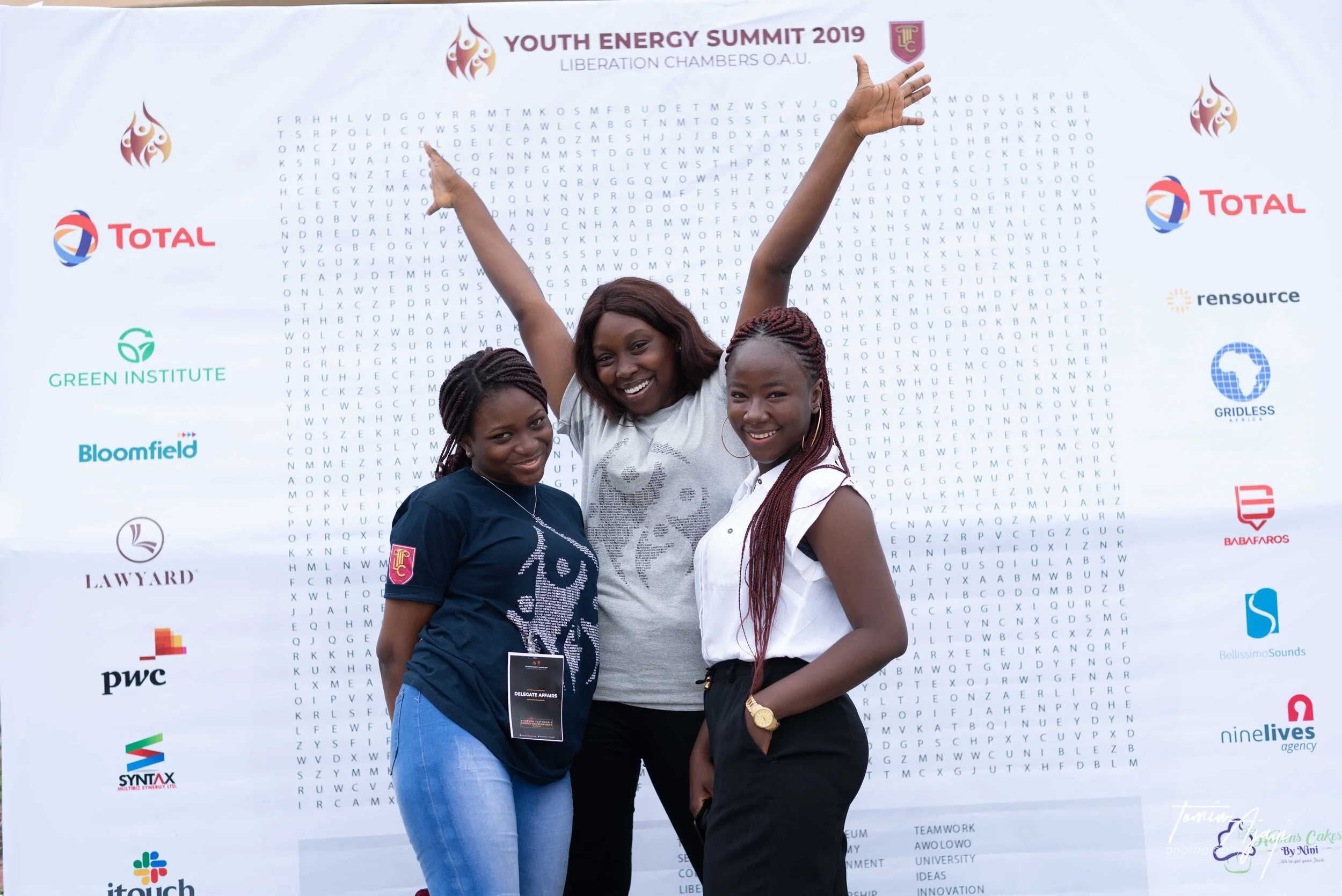
The Youth Energy Summit (YES) which is the first ever energy conference organized by students was held at Nacatem Hall, Obafemi Awolowo University Ile-Ife on the 6th and 7th of November 2019. The summit was tagged ACHIEVING SUSTAINABLE ENERGY DEVELOPMENT IN NIGERIA. At the Summits Energy Project Finals, it had in attendance the founder, Green Institute Dr Adenike Akinsemolu, who was a panelist at the event. Also, present were Prince Ojelabu, Head Engineering Operations at Rensource Energy, Damilola Asaleye, Co-founder Ashdam Solar Company Limited amongst others.

About 30 Nigeria Universities participated in this summit presenting recommendations on achieving sustainable Energy in Nigeria. All speakers at the event spoke on the need to take action towards harnessing renewable energy sources available in Nigeria. According to The Green Institute founder we may not be ready for renewable energy in the fullest of forms but we are ready for the traditional biomass.The time to take ACTIONS is NOW.

The Green Institute to Participate in the UN Global Goals Week in Doha, Qatar

The Green Institute is excited to be a collaborator for the Maker-Majlis during the Global Goals Week in Doha, Qatar. Hosted by the College of Islamic Studies at the Hamad Bin Khalifa University, the Maker-Majlis holds from 22 to 25 September 2019. This event offers a space for transformative dialogue and synergy on the UN Sustainable Development Goals (SDGs), Qatar National Vision 2030, and faith. 

At the Maker-Majlis, diverse participants and institutions will come together to share ideas, identify solutions, and develop meaningful partnerships. We will maintain a booth and showcase how our training and research on environmental sustainability and development advances the SDGs in Nigeria. 

The Green Institute’s 3-man team led by our founder, Dr. Adenike Akinsemolu, has arrived Education City, Doha. Others are Mr. Oghenekevwe Oghenechovwen and Ms. Leclair.

Dr. Akinsemolu will serve as a Judge for the SDG Awards recognizing Qatari individuals or entities advancing the Global Goals, informally interact and share her expertise with students of HBKU, mentor high-school students, and give one of the Halaqa talks on how some of Green Institute’s initiatives led by children and youth are inspiring adults to act on environmental protection. Oghenekevwe Oghenechovwen will also give a Halaqa talk on plastic pollution in the ocean and how our Trash for Education initiative addresses this environmental crisis. 

Find full information and schedule of the Maker-Majlis here: https://www.hbku.edu.qa/en/maker-majlis-islam

SALOME KARWAH: Green Personality for July 2019

GREEN PERSONALITY.png

NAME: SALOME KARWAH

DATE OF BIRTH: 1988

NATIONALITY: LIBERIAN

Helping others with Ebola brought meaning to my life.
— Salome Karwah

FAMILY

Karwah’s father was a medical doctor who was the first person to die from Ebola in Liberia. She lost also her mother and seven other relatives to the epidemic. She herself was an Ebola survivor who later engaged to work with ‘Medecins Sans Frontierers’ (i.e Doctors Without Borders) and other healthcare professionals helping to save lives of thousands of people from the Ebola epidemic.

However, in 2013, Karwah had met James Harris at a mutual friend’s place and the two later became lovers. They had two children together before getting married in January, 2016, while Karwah was pregnant with their third child.

It’s unfortunate that Karwah died on February 21, 2017, while giving birth to the fourth child for James Harris.

It’s noteworthy that though James Harris too had been infected with the Ebola Virus, it was discovered that both Karwah and Harris had developed a natural immunity to the particular strain of Ebola in Liberia. Thus, shortly after their discharge from the hospital, ‘MSF’ (i.e Doctors Without Borders) hired the couple as mental health counsellors in their Ebola units.

EDUCATION

Karwah was educated in Liberia and apparently was trained to be a medical practional. 

OCCUPATION/CAREER

Although Karwah had lost her parents and other relatives to the Ebola epidemic in the Liberia, after her surviving the attack herself and the survival of her then boyfriend, James Harris, the two later devoted all their training and experiences on the disease to caring for other victims without minding the risk to their own personal health.

Thus, they were employed by MSF to serve as mental health counsellors in Ebola units. For instance, when Karwah was interviewed on her work by ‘NPR’ in 2014, she recalled that ‘it was not hard to come back (to the Ebola treatment centre)….. if I can help someone survive, I will be very happy.’ No wonder she remained at the unit until the end of Ebola crisis.

ADVOCACY AND ACHIEVEMENT ON SUSTAINABLE DEVELOPMENT AND ENVIRONMENTALISM                                         

In October, 2014, the Guardian featured Karwah as a guest writer. In the piece, she stated categorically that helping others with Ebola brought meaning to her life. She also declared that ‘If someone has Ebola, it is not good to stigmatize, because you don’t know who is next in line to contact the virus.’ It’s noteworthy that Karwah’s efforts, determination, sacrifices and experience really helped thousands of victims of the Ebola epidemic while it lasted in Liberia.

PRIZES/AWARDS/HONOURS 

Times Magazine named Salome Karwah as its Co-Person of the year, along side several other ‘Ebola fighters’ in December, 2014. Also, various publications and institutions celebrated her rare and tremendous contributions and doggedness on the fight against the Ebola epidemic.

_The problem is we don't know what the climate is doing. We thought we knew 20 years ago. That led to some alarmist books – mine included – because it looked clear-cut, but it hasn't happened._.png

RESOURCES

Paye-Layleh, Jonathan (2017-03-02). "Ebola health care worker dies after childbirth in Liberia". Associated Press. CBC News. Retrieved 2017-03-15.

#BeatAirPollution: 2019 World Environment Day

Green_Beat_Air_Pollution.jpg

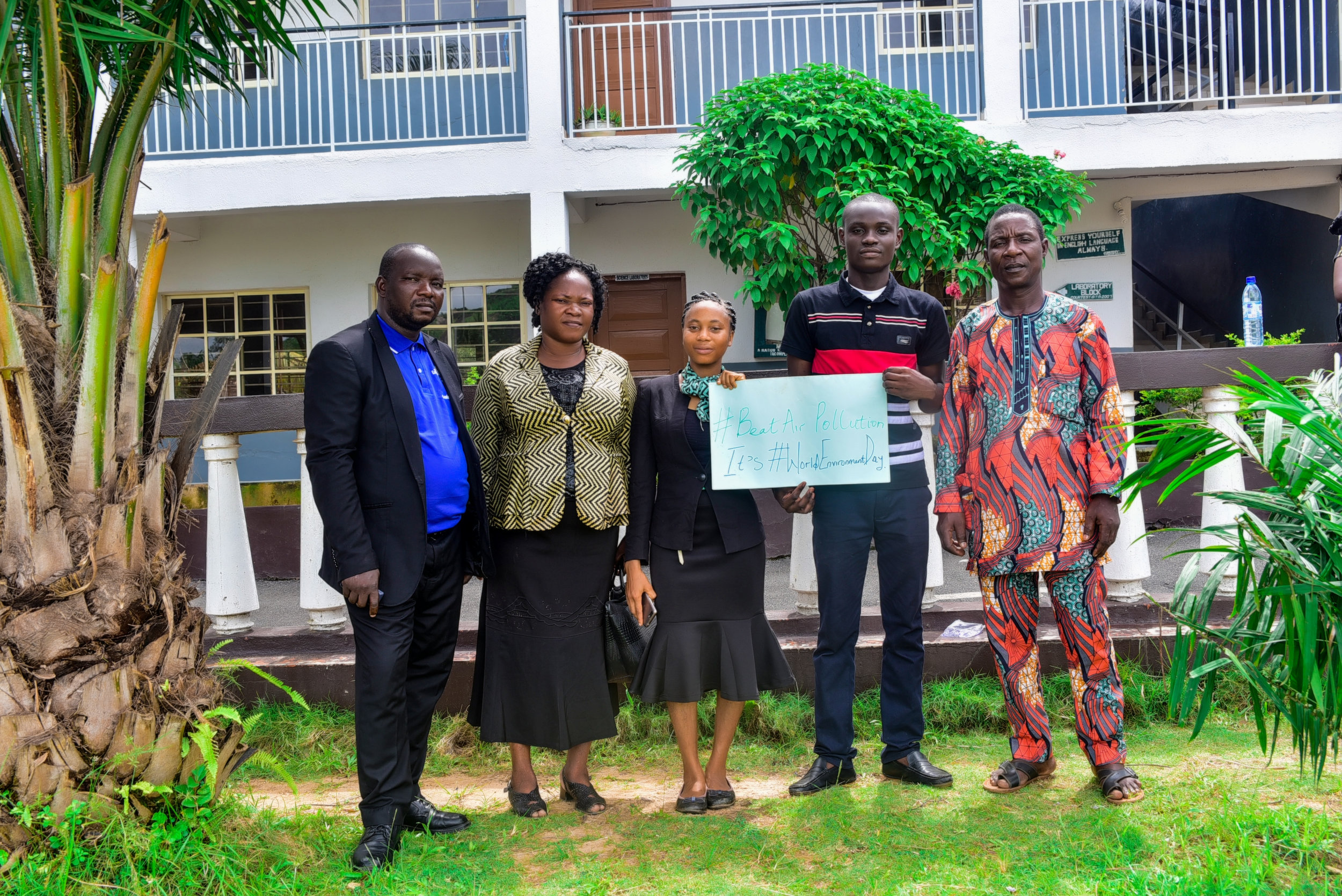
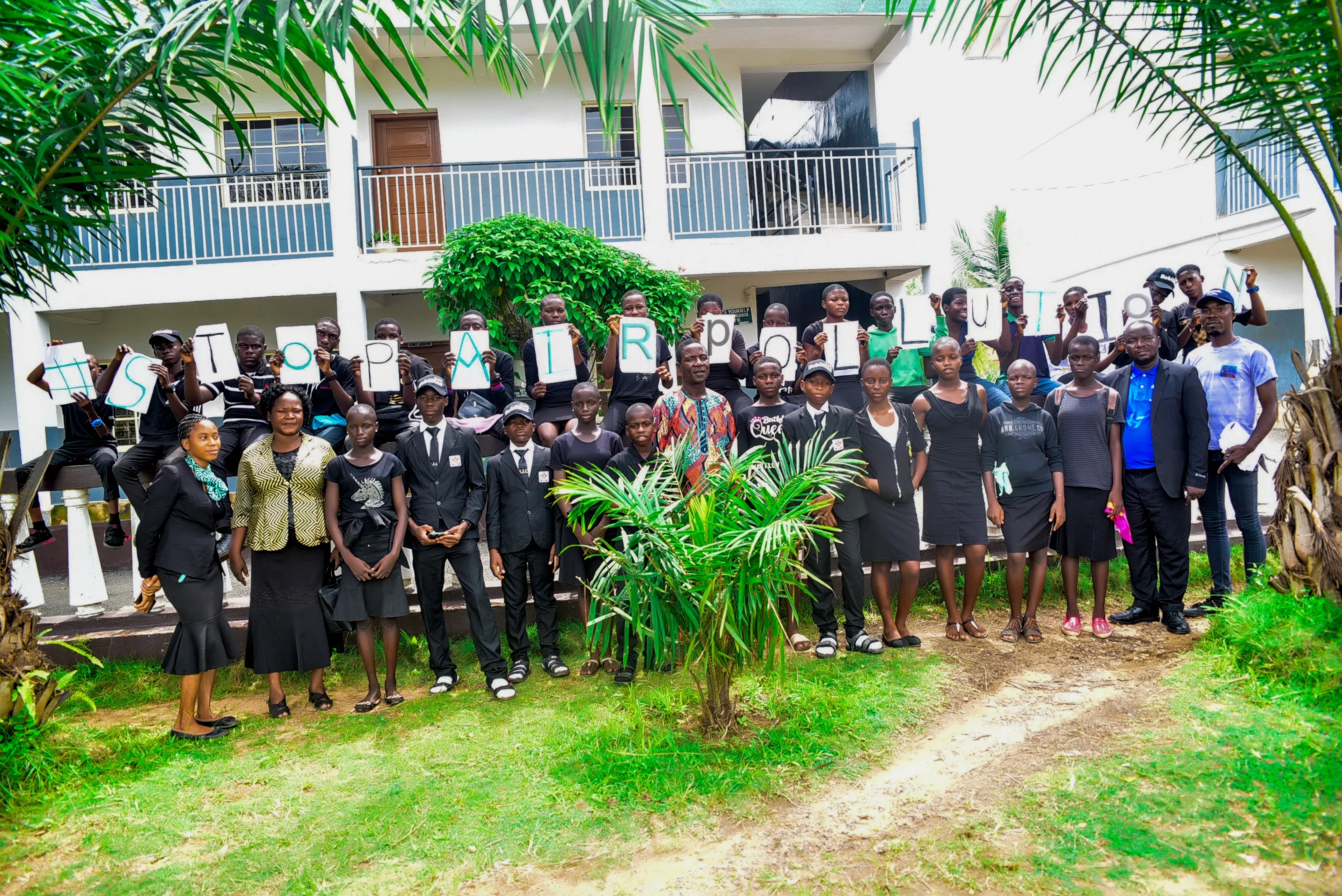
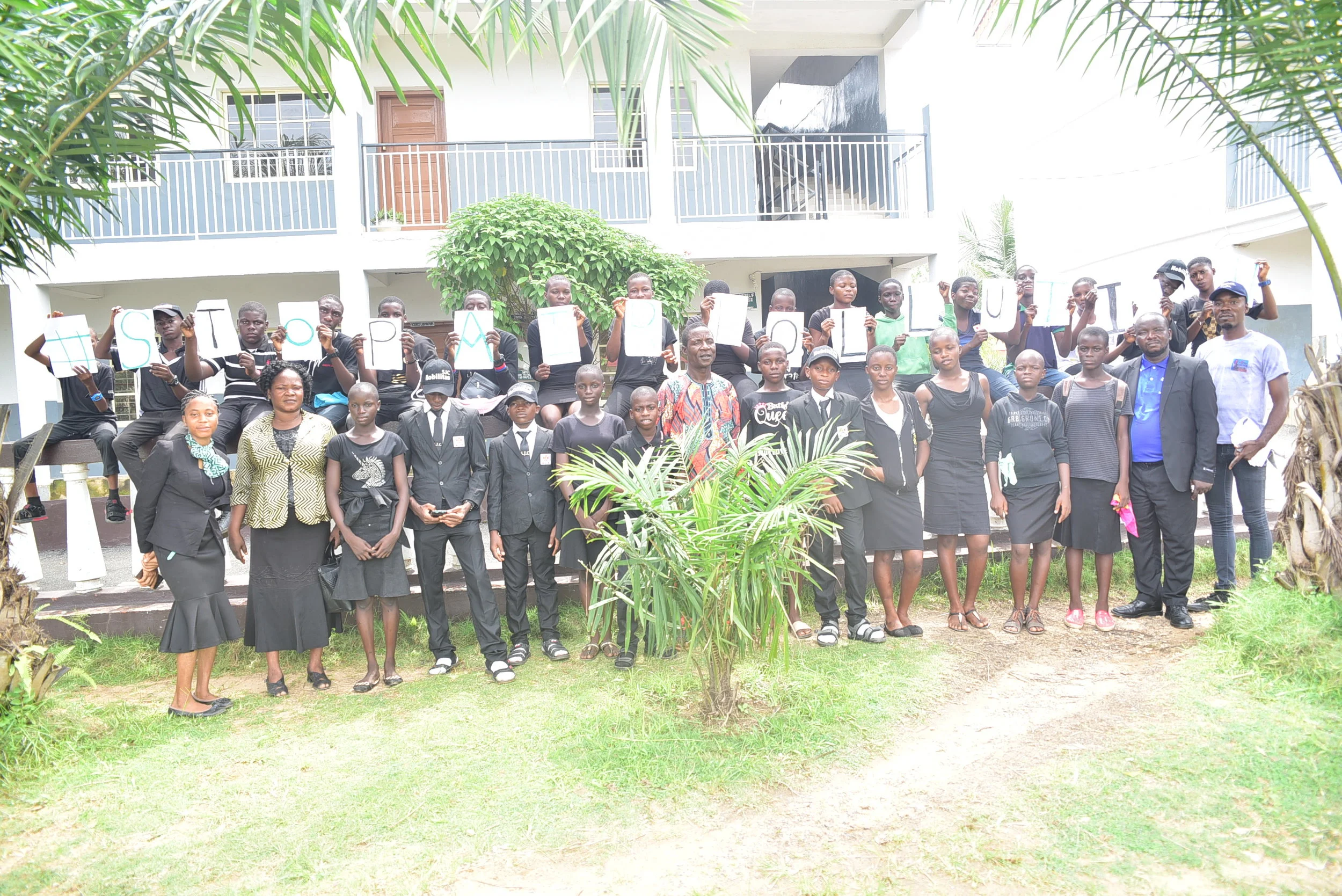
The program commenced by a few minutes to 10 in the morning, with a welcoming speech by one of the Green officials, Seun Owoka. All the five schools represented were all identified and introduced; she also gave a brief outline of the day’s program. After that, the kids were enlightened on air pollution, which was the major theme of the program. They watched four different videos to help widen their knowledge. It was an interactive session between the Green Kids and the staff advisers from various school.

Another interactive aspect of the program was when the kids were asked the question, “If you become the President of your country, what will you do”?

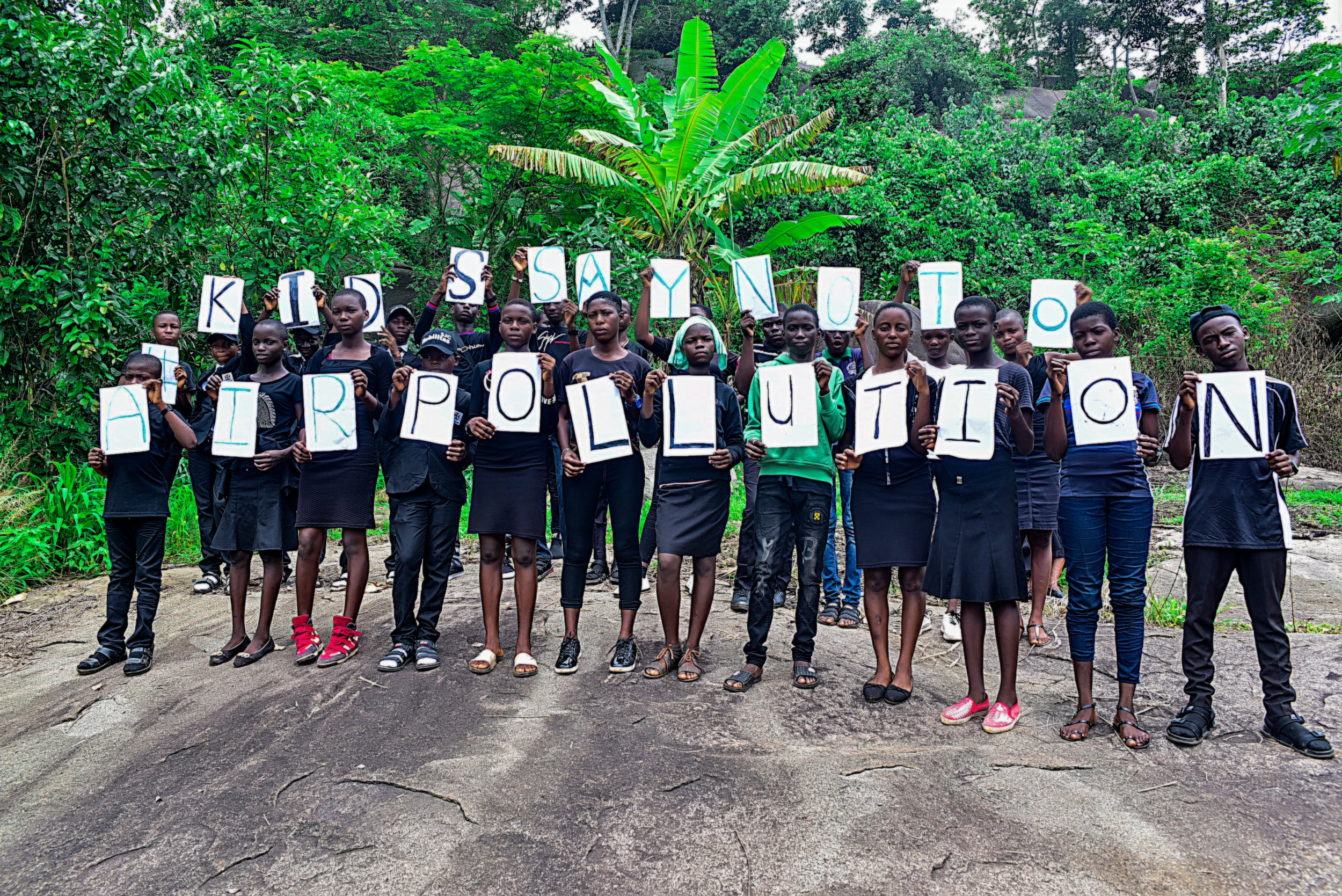
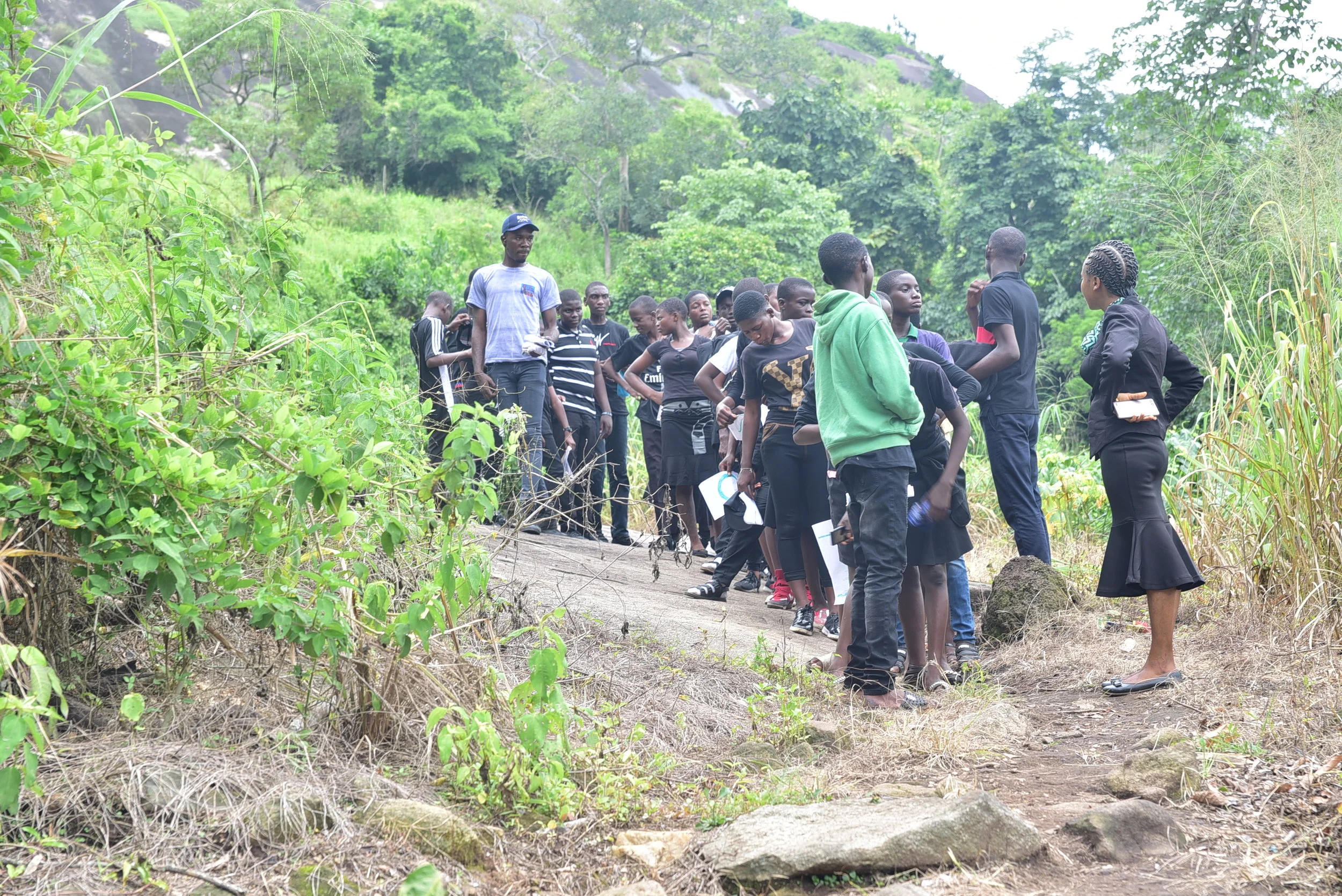
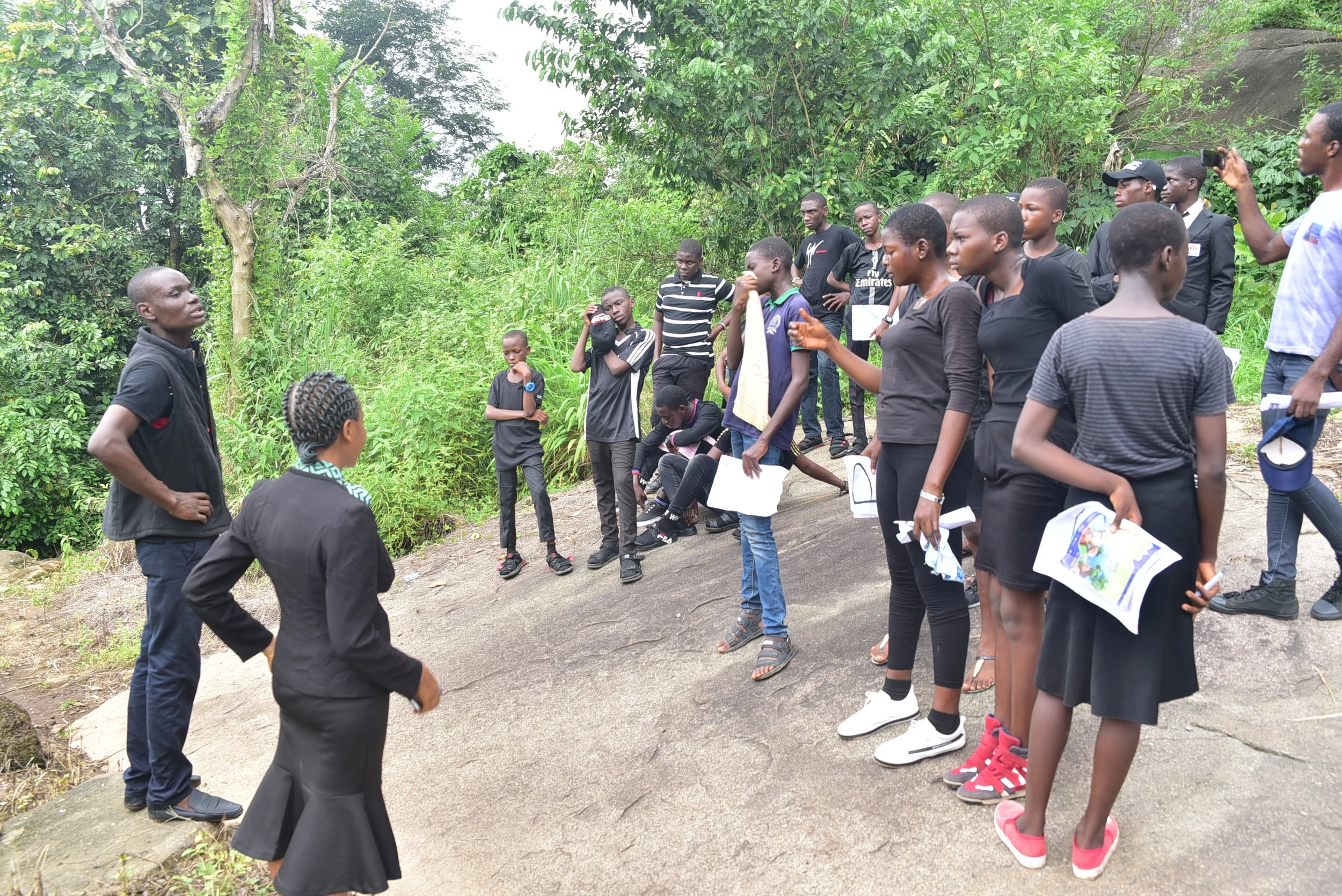
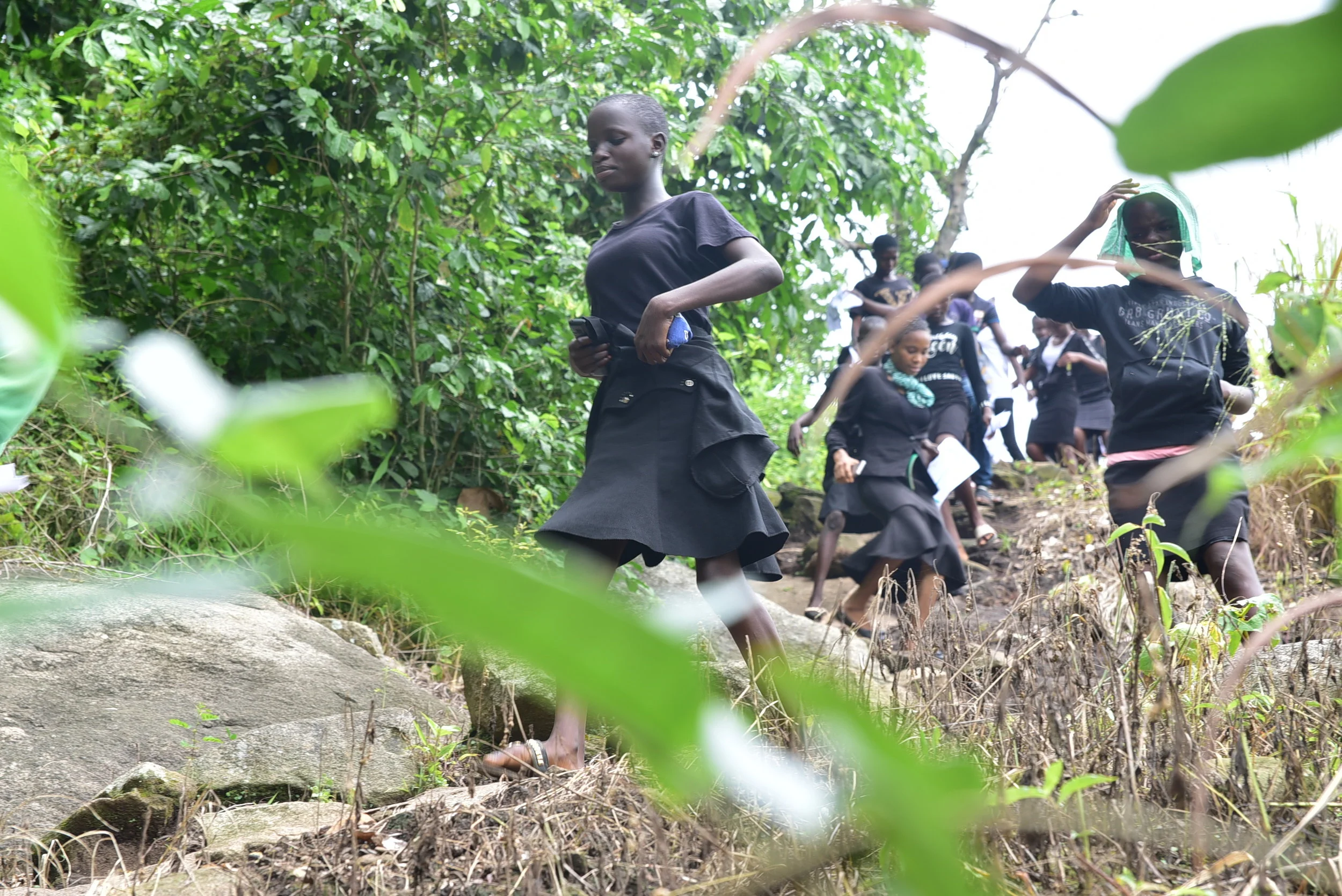
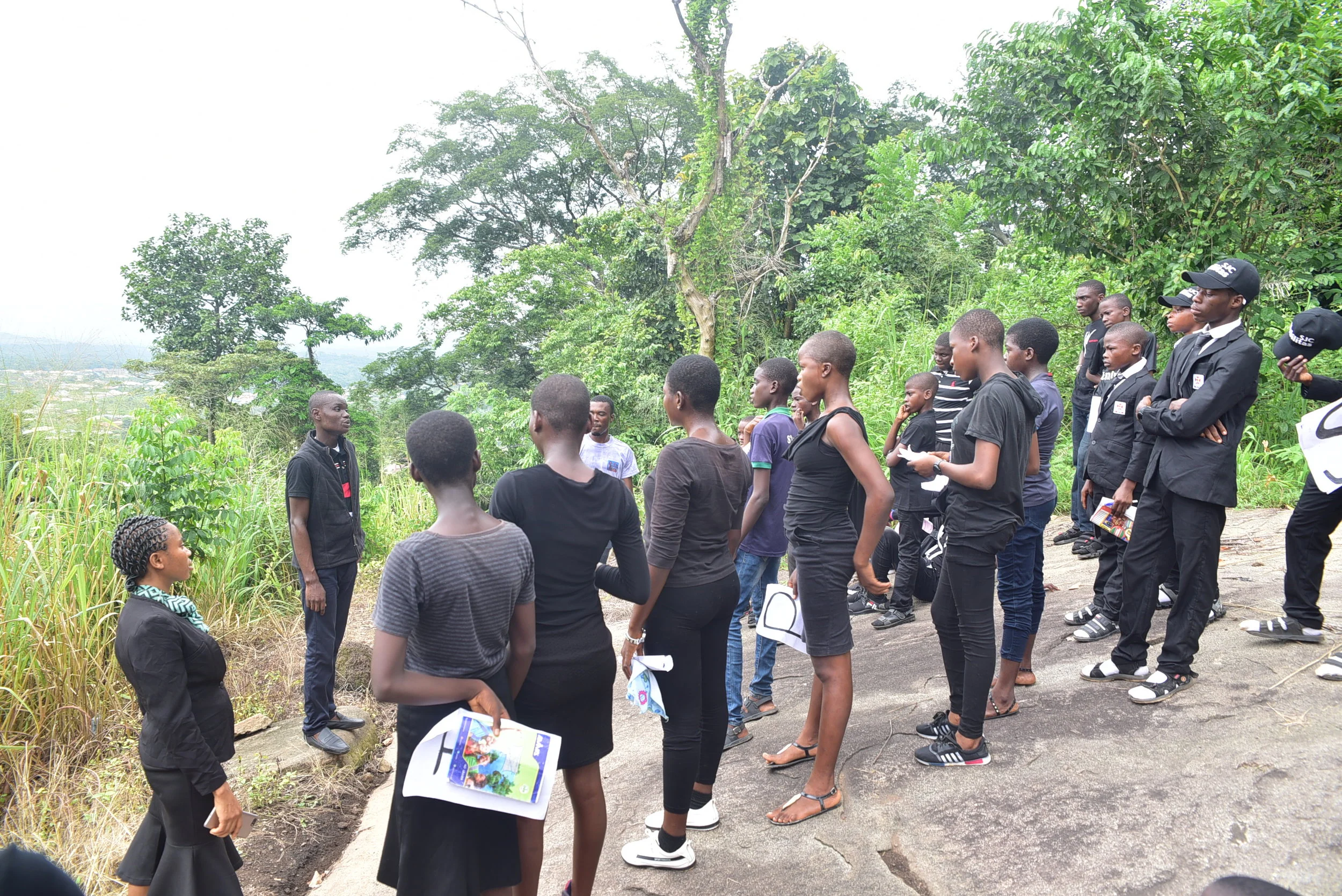
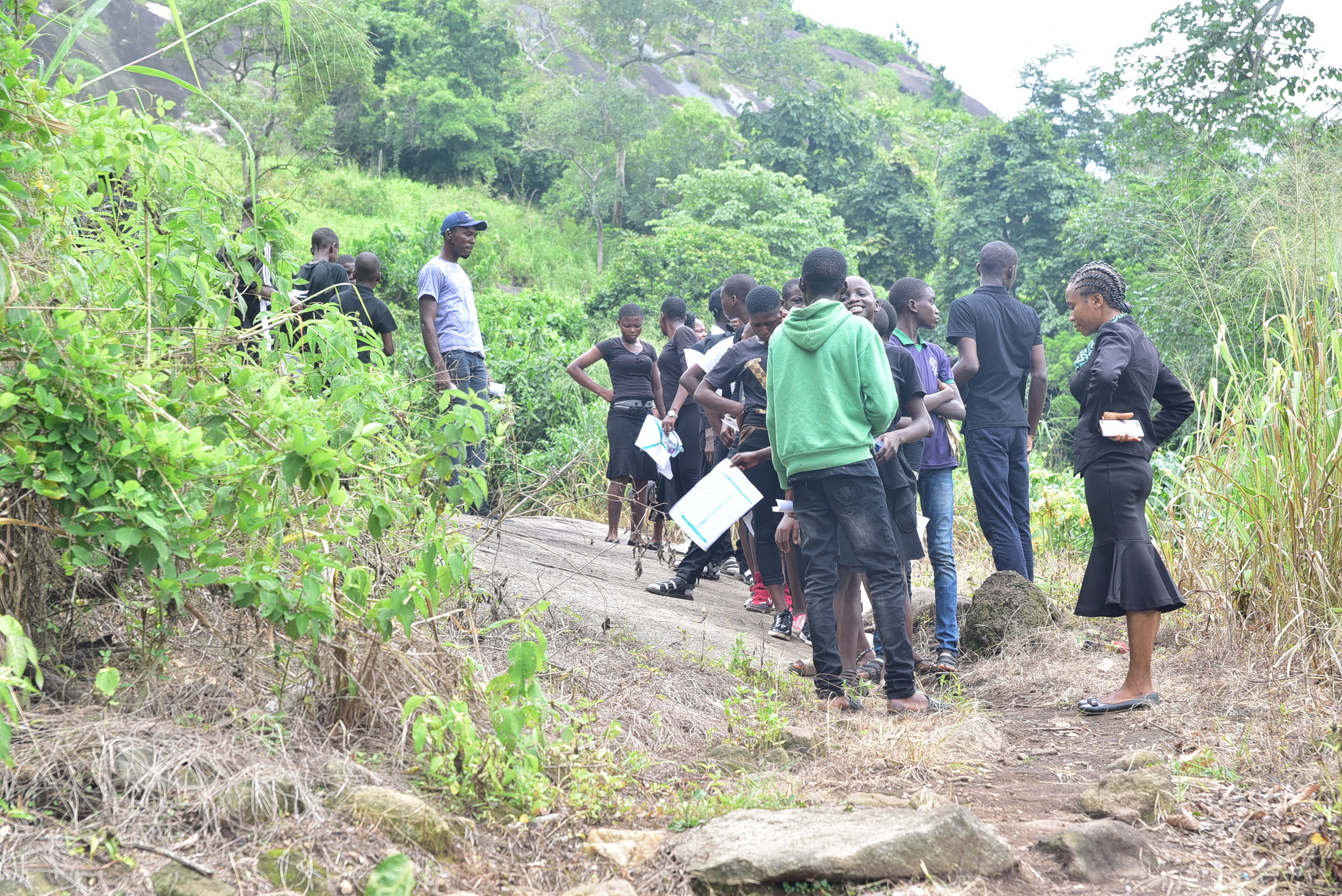
Many of the kids said they would enforce policies that will help to protect the environment and ensure people abide by them. The Green cheer was not left out of the program because of its great importance, which brings life and vitality to the kids. After this, the kids were all set to launch out for the practical aspect of the day’s work, which was the visitation to the Green Mountain.

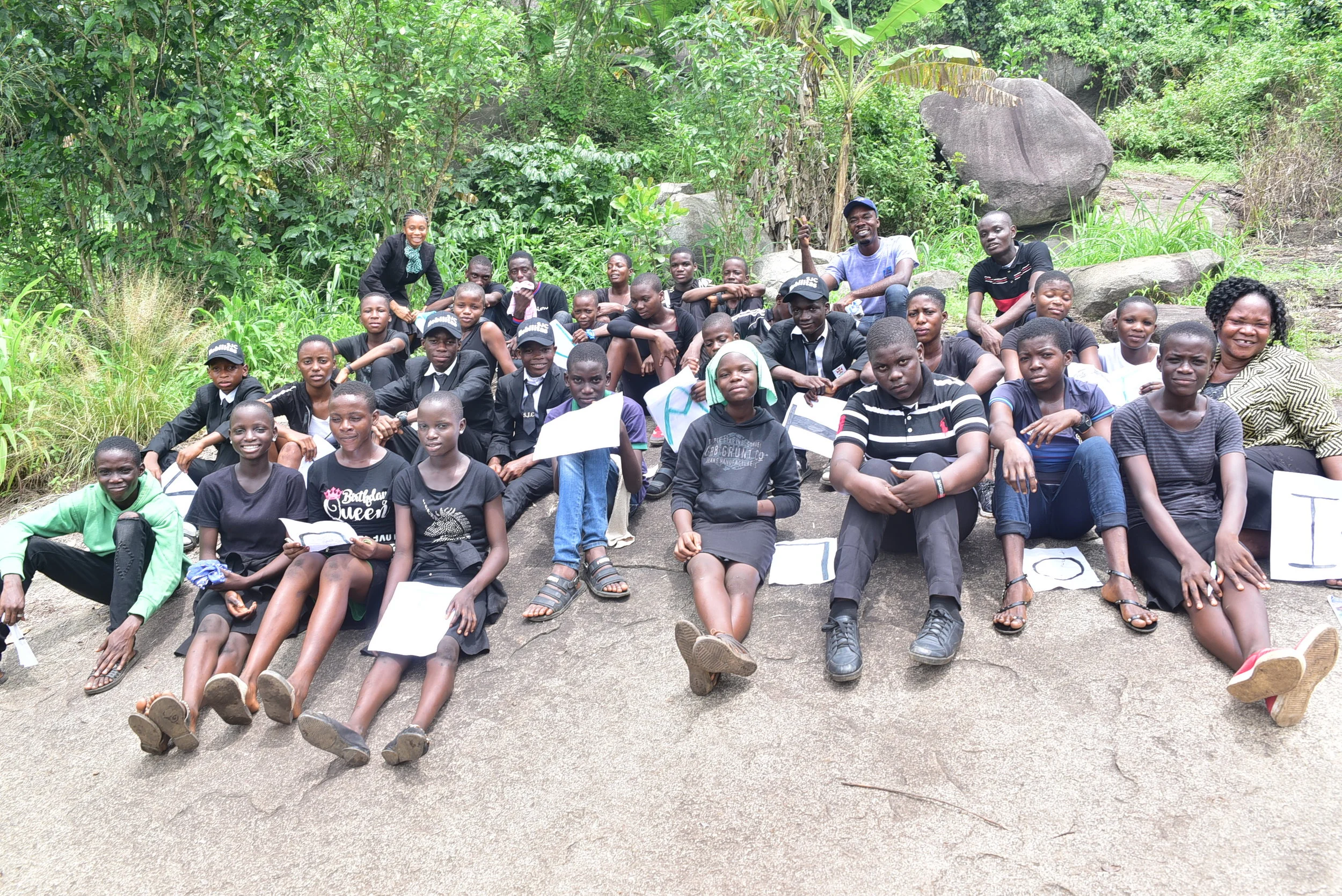
When the kids got there, they were all excited, and observation that the air was fresh, which was quite different from where they came from. They also realized the importance of trees and rocks in our environment, and the need to stop air pollution in the environment. A group photograph was taken with the kids and the staff advisers.

The kids returned to the institute, refreshed and entertained. After which the program was brought to a close by reciting the Green pledge which was led by Joshua, the Commissioner for Health of La Salle College Ondo.