Evren Tok on World Environment Day, 2020: Impacts of Values and Morality in Sustainable Development

Evren Tok an Associate Professor and Program Coordinator for the MA program in Islam and Global Affairs M. Evren Tok Hamad bin Khalifa University and the fou...

Summary of the Event

The event kicked off at 7am GMT with a morning yoga video performed by Adriene.The Virtual Symposium hosted over 25 renowned sustainability leaders, environmentalists, researchers, specialists on health, botanic conservation, resource management sustainable agriculture and building from around the world. Speaker such as Jeffrey Sachs, Adenike Akinsemolu, Marc Rosen, amongst others share their insights on our path towards sustainable development.


LISTEN TO PODCAST


ABOUT THE SPEAKER

Dr. M. Evren Tok is the Associate Professor and Program Coordinator for the MA program in Islam and Global Affairs at the College of Islamic Studies (CIS) and the Assistant Dean for Innovation and Community Development.

Dr. M. Evren Tok is the Associate Professor and Program Coordinator for the MA program in Islam and Global Affairs at the College of Islamic Studies (CIS) and the Assistant Dean for Innovation and Community Development.

Read full bio

ABOUT THE MODERATOR

S. Duygu Sever is a passionate researcher who works on the intertwined relationship between energy politics, sustainability and human security. She is a PhD Candidate in Political Science and International Relations at Koç University, Turkey.

S. Duygu Sever is a passionate researcher who works on the intertwined relationship between energy politics, sustainability and human security. She is a PhD Candidate in Political Science and International Relations at Koç University, Turkey.

read full bio

Q & A (SELECTED)

Dugyu Sever: How do you think we can establish and sustain social values and morality despite differing cultures, beliefs, and ethnicities?

Evren Tok: In terms of values and moralities within this type of multicultural, multiethnic and multinational and complex environment which are actually globalised and also same time transnational, translocal, we can see there are different types of identity that are in place. So it is not really a motivation as to think of a common approach to design a project. In reality we can actually look for how there can be areas that we can identify common denominators and all these denominators can be tri-discussed in a deliberate confession and afterwards this can actually resolve in distilled into certain kind like of not responses or behavior that area quite localized. It’s been kind of a cliché that people are saying I’m global but is saying I’m local but  I’m saying I’m global but act local. How individuals, groups, communities regardless of their race, nationality, gender, age, we are all in the same box, is one thing that has been learnt in this time of corona. One way of showcasing that we are really in the same boat is by creating those scales of action, space that we can act jointly. This is the section that values and morality comes into the picture because we don’t often realize the commonality but we often star the differences. I believe in order to act together or start a prolific action whether it is COVID-19, environmental change, climate change, global warming or racism, any kind of action requires core beliefs and values at the initial stage, even though there are a lot of differences, so that the difference can build on commonalities.

Dugyu Sever: What is the morality in terms of areas of inequality, food, electricity, health care in sustainable development?

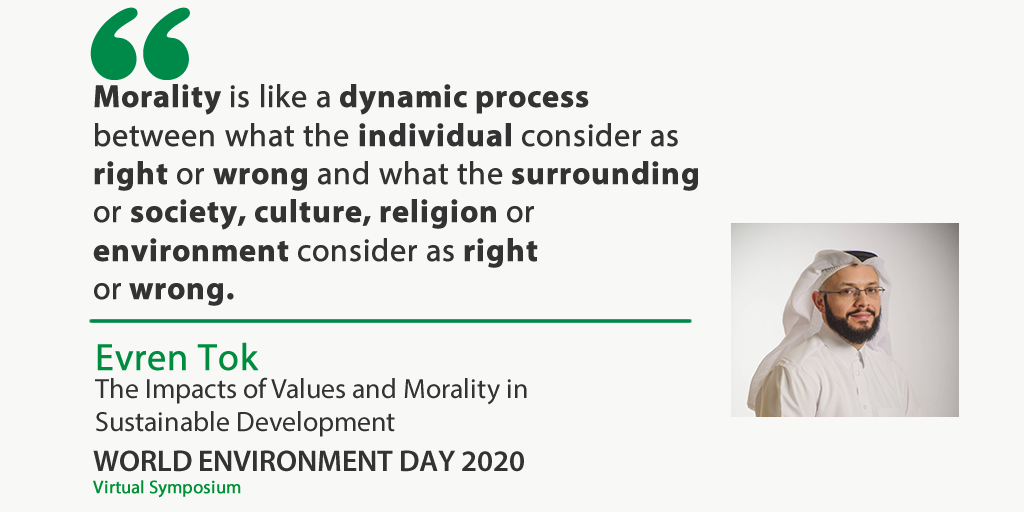
Evren Tok: Morality in Turkish, Arabic it intertwine with the term ‘Ethical Behavior’ Morality is what people see as the right thing to do from a person standpoint. In my view, morality is more like a path or a dynamic process between what the individual considers as right or wrong and what the surrounding ,like the environment, society, institution, social, culture and religious environment that the individual is embedded in institute as right or wrong. Morality is more like multidimensional, continuous discussion or corporative kind of process that is always continuously redefined.

Sabika Shaba (Audience): Do you believe the level of moral consciousness in the world is rising or falling in your own opinion? Why could this be?

Evren Tok: Making reference to the famous study of UNESCO, the citizen education because morality is more embedded in this study. The fourth element for sustainable development in the report of the citizenship education emphasizes on is the ‘values formation’ which they divided into two areas, most important one is the early family socialization and cultural grouping like taking your children to specific event, giving them training on planting trees because when we are young our brain are like sponge, it kind of absorb everything. So this is one way to instill values to the youth. These three elements; social, emotional, and behavior that is basis of the moral consciousness.


Quotes
Evren-quote-2-twitter.fw.png
One way of showcasing that we are really in the same boat is by creating those scales of action, space that we can act jointly.
— Evren Tok

FURTHER READING

Evren Tok. (2017). Sustainable Development and the Rule of Law: A Policy Perspective from Qatar. MEI Rule of Law Insights.

Ha-Brookshire, Jung & McAndrews, Laura & Kim, Jooyoun & Freeman, Charles & Jin, Byoungho & Norum, Pamela & Lehew, Melody & Karpova, Elena & Hassall, Lesya & Marcketti, Sara. (2017). Moral Education for Sustainable Development: Exploring Morally Challenging Business Situations within the Global Supply Chain Context. Sustainability.


REGISTER FOR THE NEXT GREEN ROOM

Data Oruwari on World Environment Day, 2020: The Role of Virtual Art in Sustainable Development

Data Oruwari a Nigerian raised and Brooklyn based Virtual Artist speaks on The Role of Virtual Art in Sustainable Development on World Environment Day 2020 V...

Summary of the Event

The event kicked off at 7am GMT with a morning yoga video performed by Adriene.The Virtual Symposium hosted over 25 renowned sustainability leaders, environmentalists, researchers, specialists on health, botanic conservation, resource management sustainable agriculture and building from around the world. Speaker such as Jeffrey Sachs, Adenike Akinsemolu, Marc Rosen, amongst others share their insights on our path towards sustainable development.


LISTEN TO PODCAST


ABOUT THE SPEAKER

Data Oruwari is Nigerian raised and Brooklyn based visual artist and user experience designer who is passionate about “Creativity” and it's role in shaping society.

Data Oruwari is Nigerian raised and Brooklyn based visual artist and user experience designer who is passionate about “Creativity” and it's role in shaping society.

Read full bio

ABOUT THE MODERATOR

Linda Moss is a handcrafted jewellery maker and the owner of Nzuri Gems, a handmade jewellery company. She also works in one of the foremost PR companies in Nigeria.

Linda Moss is a handcrafted jewellery maker and the owner of Nzuri Gems, a handmade jewellery company. She also works in one of the foremost PR companies in Nigeria.

read full bio

Q & A (SELECTED)

Linda Moss: The role of the Visual Arts towards achieving sustainable development has been quiescent. Where do the arts fit in towards our trajectory to sustainable development, and how can we make its impacts more pronounced?

Data Oruwari: In terms of virtual arts and its role in sustainable development, art has been a very active race in the sustainable development of nature and environment from time immemorial. This is because if we think of old painting from the roman and classical era where artist painted like landscapes, painted things about nature, things about animals. The virtual art role is that it made people appreciate the beauty of nature and animal life. And it’s the reason why people are being called to action, to actually protect these beautiful things. Images like nature, animals, and landscapes are very powerful in helping people to want to protect part of the environment. The goal of the virtual art has been to uplift human mind to that which is necessary for humanity, that which is uplifting, spiritual and would return us back to who we are truly as human beings and our existence. If artist are able to immerse on current environmental issues, we can contribute to help sustainable development conversation.

Linda Moss: With rising unemployment rates and recent job losses due to COVID-19, what is the economic advantage of the Virtual Arts, and how can it contribute to a country’s GDP?

Data Oruwari: In COVID, Every industry is taking the hit even the art industry not only countered by the virtual art but also the fine art. Everything in term of art, the coronary art, music art performance, visual, everything that has artis taking a tank right now but the beauty about fine art and art in general is that while there is the economic and monetary aspect of values, there is also the cultural aspect that is building values based on telling stories about human existence which as well what fosters company GDP. But right now, everything might take a hit but virtual art can play a role in these that this is a time for artists to actually be producing a lot of cultural values, so when the economy decide to pick up once COVID is over, we have quite an assets because art is something that never depreciate but appreciate overtime. This is the best time to support artist because a lot of them have had to cancel exhibitions and all.

Linda Moss: Dr. Adenike Akinsemolu, in her book The Principles of Green and Sustainability Science, pointed out the role of science in innovation and invention. How can we maximize the gains of an interfaculty approach towards achieving sustainable development?

Data Oruwari: One thing that comes to mind is something like NASA that started working with virtual art to express concerns about earth and space.

The best invention, the most creative ideas don’t come from people who have a narrow and focused mindset. It comes from when you have diversity and diverse mindset and skillsets. Science can be better and innovative when they learn to work with people who are not scientist, having some level of diversity. For Instance, Bill gates is one of the most innovative thinkers.


Quotes

Data-quote-1-twitter.jpg
Arts have been a very active race in the sustainable development of nature and the environment from time immemorial.
— Data Oruwari
The virtual art role is that it made people appreciate the beauty of nature and animal life.
— Data Oruwari

Top Comments

I am a big fan, really love your art works-Oluwaseunfunmi Adeeko


FURTHER READING

Özsoy, Vedat. (2016). Arts and design education for sustainable development. Global Journal on Humanities and Social Sciences.

Salzburgglobal. (2016). Beyond Green: The Arts as a Catalyst for Sustainability.

REGISTER FOR THE NEXT GREEN ROOM

Eva Andriyash on World Environment Day, 2020: Impact Investing and Impact Entrepreneurship: The new rule for a new world


Summary of the Event

The event kicked off at 7am GMT with a morning yoga video performed by Adriene.The Virtual Symposium hosted over 25 renowned sustainability leaders, environmentalists, researchers, specialists on health, botanic conservation, resource management sustainable agriculture and building from around the world. Speaker such as Jeffrey Sachs, Adenike Akinsemolu, Marc Rosen, amongst others share their insights on our path towards sustainable development.


LISTEN TO PODCAST


ABOUT THE SPEAKER

Eva Andriyash is the CEO, Co-founder, BoD at IxD Capital; Founder at POSITIVE DIALOGUE Management Company; Co-Founder, BoD at Impact Investors Association.

Eva Andriyash is the CEO, Co-founder, BoD at IxD Capital; Founder at POSITIVE DIALOGUE Management Company; Co-Founder, BoD at Impact Investors Association.

Read full bio

ABOUT THE MODERATOR

Byron E. Price, Ph.D. is a professor of public administration and the former Dean of the School of Business at Medgar Evers College of the City University of New York in Brooklyn.

Byron E. Price, Ph.D. is a professor of public administration and the former Dean of the School of Business at Medgar Evers College of the City University of New York in Brooklyn.

read full bio

Q & A (SELECTED)

Byron Price: What is the role of investors in supporting Impact entrepreneurship and how does entrepreneurship facilitate sustainable development?

Answer: You know investors have to invest in a profitable ventures and enterprises, so we have to adhere to high rate of returns. Another concept of impact investing that actually facilitate the whole process of shifting to sustainable development  because sustainable development  is a very global concept that means we can actually create, lead the road up to us to the next generation with at least the same parameter. The next generation could live with the same conditions we lived in, so investors need to take into accounts the fact that don’t have planet B, from one point of view  we talk about philosophy of investing, mindset, it’s not only about returns. Traditional investors should look at impact investing and supporting projects.

Byron Price: What role can colleges play to get students more involved in impact investment or do impact investment companies try to get colleges involved in impact investment?

Answer: Colleges can be seen as evangelist of that transition to a zero carbon economy. They mind introduce some innovative approaches to educational system and in their subjects. But at the same time, the practice is what makes it perfect. So, I think colleges should connect with the social enterprise and organize activities that would entail the communication between the students and the founder of the social enterprises of sustainable projects, so they could really understand what it means to be an entrepreneur and find the bridge between theory and practice.

Byron Price: In an age of sustainable development, what is the correlation between impact entrepreneurship and green entrepreneurship?

Answer: Impact Entrepreneurship is a broad concept, it actually includes green entrepreneurship because, Green Entrepreneurship is where we talk about businesses that operate in the green sector that minimizes carbon footprint, at maximum they produce green product, services and green processes. But impact entrepreneurship in overall is the entrepreneurship that entails making a contribution to achieving one or several of the 17 sustainable development goals. We can talk about increasing income, gender equality and fostering innovations. This is a broader concept I must say.


Quotes

Eva-quote-2-twitter.jpg
Colleges can be seen as evangelist of that transition to a zero carbon economy.
— Eva Andriyash
impact entrepreneurship in overall is the entrepreneurship that entails making a contribution to achieving one or several of the 17 sustainable development goals.
— Eva Andriyash

FURTHER READING

Jessica Jones. (2019).The Demand Side of Impact Investing. Elevating the perspectives of local entrepreneurs in the impact sector. Oxfam research backgrounder.

Höchstädter, A., & Scheck, B. (2015). What's in a Name: An Analysis of Impact Investing Understandings by Academics and Practitioners. Journal of Business Ethics, 132(2), 449-475. Retrieved June 17, 2020.


REGISTER FOR THE NEXT GREEN ROOM

Jonathan Reichental on World Environment Day, 2020: Understanding the Role of Data in Urban Innovation

Video Block
Double-click here to add a video by URL or embed code. Learn more

Summary of the Event

The event kicked off at 7am GMT with a morning yoga video performed by Adriene.The Virtual Symposium hosted over 25 renowned sustainability leaders, environmentalists, researchers, specialists on health, botanic conservation, resource management sustainable agriculture and building from around the world. Speaker such as Jeffrey Sachs, Adenike Akinsemolu, Marc Rosen, amongst others share their insights on our path towards sustainable development.


LISTEN TO PODCAST


ABOUT THE SPEAKER

Dr. Jonathan Reichental is the CEO of Human Future, a global business and technology education, advisory, and investment firm.

Dr. Jonathan Reichental is the CEO of Human Future, a global business and technology education, advisory, and investment firm.

Read full bio

ABOUT THE MODERATOR

Olukoya Obafemi is an architect with many years of professional practice in architecture and construction.

Olukoya Obafemi is an architect with many years of professional practice in architecture and construction.

read full bio

Q & A (SELECTED)

Olukoya Obafemi: How has the global positioning system (GPS) engendered urban innovation towards sustainable development?

Jonathan Reichental: Isn’t GPS incredible, it’s impossible to imagine a world without it. The GPS satellite allows the pinning of information from the satellite down to the receiver. The receiver then knows its position. Using GPS, we can observe and understand what happens with natural disaster like flooding, earthquake, oil spillage, sessimic activities. The GPS infrastructure has been used in managing the very sad logging going on in the world where rich, beautiful forests are been turned down, GPS can be used to understand if it’s been done in a fair way or excessive way that could cause problems. GPS is used in understanding the migration of animals as we can track endangered species or poaches. Then we can do remedation activities if it is seen that group of animals are shrinking or moving to where they shouldn’t be, that’s an indicator of climate and environmental issues. Finally, GPS is used for understanding the health of our planet vegetation. So, GPS becomes a very rich and mature technology for us to build into and utilize for better understanding and manage the environment.

Olukoya Obafemi: In her text The Principles of Green and Sustainability Science, Dr. Adenike briefly explained the importance of sustainable cities in achieving economic growth. How can these cities accelerate urban innovation, and what is the role of data in building these cities?

Olukoya Obafemi: First of all, in every endeavor the first starting point is to have vision. A bold journey you want to go with a desired out. You’ve to choose to have that vision. Do you understand why it is, why it is needed? Secondly, we need leadership, the problem of the world today would have been solved if we choose to solve them and that’s leadership decision we need to make. We can use data more, first by choosing that pathway and then leaders to support it throughout because a successful project depends on the consistency of the leader. Identify the data you have and then understand what kind of data it is, is it protective data? Once of the decision is made, make it available. Another way is for the city to create an innovative lab.

Finally, make the budgeting information of the plans available to your community in order to let communities know how their money is being spent. Fortunately, they would have better understanding of what is going on and they might have something to say. Bringing your community into the budgeting process through data is a way to foster flourishing urbanization.

Courtey (Audience): How do we trust Government with data? Transparent it is difficult

Jonathan Reichental: This is a deep question and a difficult one to solve. The best way to manage dishonesty is to shine a light on it. With people when things are transparent, it’s harder to get away with stuffs. Transparency to open up data, a health journalist community is good to reveal whether there are problems and organizations are doing the right thing.


Quotes

Jonathan-quote-twitter.jpg
GPS becomes a very rich and mature technology for us to build into and utilize for better understanding and manage the environment.
— Jonathan Reichental
Bringing your community into the budgeting process through data is a way to foster flourishing urbanization.
— Jonathan Reichental

FURTHER READING

Jonathan Reichental. (2020). Smart Cities For Dummies (For Dummies (Computer/Tech)). John Wiley & Sons Inc.

Thakuriah, Vonu & Tilahun, Nebiyou & Zellner, Moira. (2015). Big Data and Urban Informatics: Innovations and Challenges to Urban Planning and Knowledge Discovery.


REGISTER FOR THE NEXT GREEN ROOM

THE GREEN ROOM (Episode 2): Jeffrey Sachs on Building Resilient Health Structure to Combat Novel Diseases: A Case of COVID-19


Summary of the Event

Various factors determine a country's infectious diseases' death rate: the quality of leadership, the consistency in government's response, the availability of a responsive health care system, the extent of international travel, and the population's age structure. Following the COVID-19 pandemic, Prof. Jeffrey Sachs shares insights on how to judiciously manage and respond to future infectious disease threats through an integrated and resilient process.


LISTEN TO PODCAST


ABOUT THE SPEAKER

Jeffrey D. Sachs is a University Professor and Director of the Center for Sustainable Development at Columbia University .He is also the Director of the UN Sustainable Development Solutions Network and a commissioner of the UN Broadband Commission f…

Jeffrey D. Sachs is a University Professor and Director of the Center for Sustainable Development at Columbia University .He is also the Director of the UN Sustainable Development Solutions Network and a commissioner of the UN Broadband Commission for Development.

Read full bio

ABOUT THE MODERATOR

Dr. Jason J. McSparren is an educator, researcher, and administrator with a PhD. in Global Governance and Human Security from Massachusetts Boston.He is also a Pre-Doctoral Fellow (2017-18) for the West African Research Association (WARA).

Dr. Jason J. McSparren is an educator, researcher, and administrator with a PhD. in Global Governance and Human Security from Massachusetts Boston.He is also a Pre-Doctoral Fellow (2017-18) for the West African Research Association (WARA).

read full bio

Q & A (SELECTED)

Jason Mcsparren: Dr. Akinsemolu, mentions in her new book, The Principles of Green and Sustainability Science that the ONE HEALTH INITIATIVE is practicing and promoting sustainable public health as it works to prevent infectious disease outbreaks. Can you offer the audience some insight into how the One Health Initiative has minimized the outbreak and spread of diseases in developing countries?

Jeffrey Sachs: The idea of the ONE HEALTH INITIATIVE which is an excellent idea is that we face the ever present risk of new diseases spreading from animal reservoirs to humans and we are in the middle of that pandemic right now with COVID-19. This is a disease where the virus has its host especially in bats, and spread to humans either directly through interaction between bats and humans or from bats to some kind of intermediates mammal species available to humans. We should be taking care of this kind of risk because we keep experiencing this kind of zoonotic transmission from animals to humans. The ONE HEALTH INITIATIVE is trying to draw awareness and preparedness, clearly we haven’t succeeded. COVID pandemic is worldwide and it is killing vast number of people. When politicians ignore science like Trump does, people suffer and die.

Jason Mcsparren: Your latest book, Ages of Globalization: Geography, Technology, and Institutions (Columbia University Press, 2020) Takes readers through a series of seven distinct waves of technological and institutional change throughout human history, starting with the original settling of the planet by early modern humans through long-distance migration then progressing to your reflections on our globally networked modern society. What reflections would you like to share with us about our global-human society and the challenges of environmental sustainability?

Jeffrey Sachs: We have been interconnected as a species from the start over vast human distancing. In other words, from the first dispersal out of Africa until now we have been communicating, moving, and trading goods over huge distances. The whole has been for the benefits of humanity but also carries great risks too like the spread of infectious diseases or war and violence when the trade is not in goods and services but in movement of armies and trade of the killing. This is another side of Globalization, so the book is really a reflection on this interconnectedness, how they get the best of Globalization and how to avoid the worst. We have tried even in modern times at various points to stop Globalization, that has been a disaster but we have to learn how to cooperate too and how to cooperate at a global scale. That’s why I’m a big believer in the United Nations (UN) as vital force and that’s why extreme nationalist who are very arrogant and chauvinistic like Trump don’t like the UN because it would have the United State obey international rules not simply the President whims. This is  all the more reason why we need the UN, when we see such an unstable person in power we need rules not just the discretion of individual with their armies under their command.

Jason Mcsparren: Great point, great point, yes, I would have to agree with you, I also support the idea of multilateralism in the United Nations and all of the other transnational organizations that, you know, the states around the world have put together, you know, the World Health Organization, et cetera, to protect citizens. And we are seeing a little bit of a fracture in that cooperation. So we are at some sort of an inflection point in not only our current society at home in the US, but also globally.

Jeffrey Sachs: I would say it's more than a fracture. It is an attempt by Trump and others to destroy these institutions, to pull the United States out of the Paris climate agreement, to pull the United States out of the World Health Organization, to pull the United States out of the Human Rights Council. They want to break these institutions because they think that the world belongs to the powerful. They also think they're powerful. I'm not so sure, but they are destructive. And that's what they're trying to do, is to destroy these multilateral institutions.

Jason Mcsparren: OK, yes. Yes, that is an interesting observation. I really do hope and I think that our institutions are strong. They are under stress, and we'll see, you know, what the future holds for them. However, there are a lot of people watching us today that feel similarly to to you along those lines and really do support the UN in other transnational organizations.

Jason Mcsparren: Dr. Sachs, I have another question for you. This one relates to the United Nations Sustainable Development Goals. The UN Sustainable Development Goals were inaugurated in 2015 about five years ago. Can you remind us of some notable achievements in the healthcare system across sub-Saharan Africa, and what are the challenges of health coverage in the high-income countries since the declaration of the SDGs? And, what are some remaining challenges?

Jeffrey Sachs: The idea of the Sustainable Development Goals (SDGs) is that everybody should be able to enjoy the benefits of modern technologies and economic progress and to live in an environmentally safe planet. We are obviously far from this. The SDGs are goals. They are aspirations and are not our current reality but they are also an inspiration for action. The SDG 3 calls for Universal access to health care and even in difficult circumstances in Africa, there has been an expansion of access to basic health care often through very creative means such as deploying Community Health Workers (CHWs) backed up by good information technology because CHWs can play a huge role in monitoring the health of the community and helping to connect people in need, suffering from illness, for example pregnant women with the health systems to get antenatal, safe delivery in child birth or to fight the battle of malaria. This is a very positive side and it’s these CHWs that are now in the front line of the fight against COVID-19 in Africa. This epidemic spreads easily, very dangerous, creates lots of deaths, it needs to be fought and the Africa’s health systems needs to be guided urgently so that this epidemic is contained.


Quotes

Jeffrey-quote-post.fw.png
Development aid and tax reform are the two most important ways to help poor countries to close their budget deficit
— Jeffrey Sachs
We face an ever present risk of new diseases spreading from animal
reservoirs to humans.
— Jeffrey Sachs

Top Comments

Such an amazing conversation with Prof Jeffrey Sachs- Deborah


FURTHER READING

Jeffrey D. Sachs (2020) The Ages of Globalization Geography, Technology, and Institutions. Columbia University Press.

Jeffrey D. Sachs (2015) The Age of Sustainable Development. Columbia University Press.

Peter J Hotez, David H Molyneux, Alan Fenwick, Jacob Kumaresan, Sonia Ehrlich Sachs, Jeffrey D Sachs, Lorenzo Savioli (2007) Control of neglected tropical diseases. New England journal of medicine. Massachusetts Medical Society.

REGISTER FOR THE NEXT GREEN ROOM

Jeffrey Sachs (SDSN), Adenike Akinsemolu (Green Institute), and other notable Sustainability Leaders on World Environment Day virtual symposium.

The Green Institute just concluded her first ever virtual symposium in collaboration with Dr. Adenike Akinsemolu’s book launch. Prior to the event, a series of cascading global occurrence made the world to rethink its trajectory towards development. Would it be a continuation of business as usual (BAU) or would there be a transition to sustainable development? Prominent among these is the menace of the Coronavirus whose spread confirmed that the human population is interconnected beyond physical borders. As the annual June 5th World Environment Day drew nearer, The Green Institute under the leadership of Dr. Adenike, reminisced on the recent happenings and pondered on how she can show solidarity. What began as a concern for humanity transformed into taking action with humanity. As swiftly as the ideas rolled in, The Green Institute took to planning and preparation on how to convene world renowned sustainability leaders to share their insights on our path towards sustainable development. Drawing from a vast wealth of experience from diverse fields, The Virtual Symposium hosted over 25 renowned sustainability leaders, environmentalists, researchers, specialists on health, botanic conservation, resource management sustainable agriculture and building from around the world. Among our list of amiable moderators include: Caleb Adebayor, Jason McSparren, Opeyemi Awe, Dyugu Sever, Segun Adaju, Busola Olaposi, Amina Batagarawa, Bryon Price, Olukoya Obafemi, and Chibuike Jigo.

The event kicked off at 7am GMT with a morning yoga video performed by Adriene. The yoga was centered on vulnerability- learning to build awareness, strength and confidence on the mat and then going on to implement them in life situations. This session lasted for an hour during which excited audience couldn’t hold back but kept the discussion room engaged with conversations. Next in our line of event was a brief history on world environment day. The Institute felt the need for individuals to not only become acquainted with history, but to trace an identity and become a part of it.

World Environment Day History

World Environment Day History

The welcome address was given by Prof. Damilola S. Olawuyi, who warmly welcomed everyone and spoke elaborately on the need for all of us to take responsibility as custodians of the environment. Prof. Damilola, a leading advocate in the extractive industry commended the efforts of The Green Institute towards hosting the event. In his words, Prof. Damilola stated accordingly, “the World Environment day is an important initiative of the United Nations; it sets aside a day for the whole world to protect all aspect of the environment from degradation and pollution…we are all part of a complex web or chain that is so interdependent…any attempt to place humans above any other component is speciesism and the result is what we are witnessing…you do not have to wait until you are rich, until you’re powerful, until you’re the president before you can protect the environment. If we all want to protect the environment, we all have significant roles to play

At 9am GMT, the session tagged NOT ALL HEROES WEAR CAPE begun, highlighting past and present sustainability advocates who stood in the face of opposition to pioneer sustainable development. Among these leaders were Henry David Thoreau, Rachel Carson, Greta Thunberg, Alexandria Ocasio-Cortez, Vandana Shiva, Al Gore, Prof. Jeffrey Sachs and Dr. Adenike Akinsemolu, to mention but a few. Our next line of event was alternative teaching methods of ecology, Teaching Ecology beyond the Classroom: Unlearning the way we learn to relearn how we’re supposed to. How can we transition to an inclusive learning module that is transformative and holistic? Noah Martin, a senior program designer at Georgetown University was our host speaker for this session. He took us on a meaningful exploration towards the need for transformative learning and how ecology plays its role in sustainable development. According to Noah,

We are way overdue to be rethinking about the way we should have been thinking about education…
— Noah Martin

“…we no longer have to convey the urgency (to change how we learn) to everyone…we need to build technology on a sense of community.” Noah emphasized the need for story telling in the community context for advocacy of sustainable development. He further emphasizes the need to have a multidisciplinary approach towards ecology in the hope of trying to get the younger generation and more people engaged in it. He reiterated the need for government to give teachers more space by refraining from too much oversight in order to be effective. When asked about the role ecology has to play in government policies, Noah answered, the role of ecology in climate change should be front and center in policy decision. He had no doubt about the centrality of ecology in policy making to combat climate change.

The virtual launch of Dr. Adenike Akinsemolu’s indigenous text, The Principles of Green and Sustainability Science was among the highlight of the event. Dr. Adenike, the founder of The Green Institute marked a milestone in her career by launching her first text in sustainability. The text discusses sustainable development from an African perspective introducing concepts such as the “Tragedy of Commons” where resources are shared not for the common good but for one’s selfish interest. According to Dr. Adenike, Conceptually, the Tragedy of Commons describes a situation where individual users of a resource act independently out of self-interest…Examples of Tragedy of the Commons are mining in South Africa, Artisanal Mining in Ghana, Overgrazing among the Maasai of Kenya and the Fulani Pastoralists in Nigeria…  The five principles of Green are Reduction of pollution, conservation of resources, conservation of energy, reduction of waste, and protection of the ecological balance of the Earth.” These five principles are the framework upon which the science of green and sustainability is founded.

The five principles of Green are Reduction of pollution, conservation of resources, conservation of energy, reduction of waste, and protection of the ecological balance of the Earth.”
— Adenike Akinsemolu

The virtual symposium was honored to have on the platform Prof. Jeffrey Sachs, the Director of United Nations Sustainable Development Solutions Network (SDSN) to discuss on Building Resilient Health Structures to Combat Novel Diseases: A Case of COVID-19. According to Prof. Jeffrey Sachs, the One Health initiative is challenged with an ever present risk of new diseases spreading from animal reservoirs to humans. He highlighted the danger the human population face when politicians refute scientific evidence about global pandemic. He pointed out emphatically by saying, “when politicians ignore science like Trump does, people suffer and die”. When asked about his new book, The Age of Globalization, Prof. Sachs recounted the relationship of the human species before civilization. According to Prof. Sachs, “we have been interconnected as a species from the start over vast human distanceswe have to learn how to cooperate on a global scale”. Prof. Sachs affirmed his belief in multilateral organizations as opposed to nationalistic views by stating,

Extreme nationalist who are very arrogant and chauvinistic like Trump don’t like the United Nations because it will have the United States obey international rules not simply the president’s whims.
— Jeffrey Sachs

This is all the more reason why we need the United Nations when we see such an unstable person in power we need rules not just the discretion of individuals with their armies under their command”.

Obviously, the path to sustainable development, especially in developing countries is plagued with challenges which the sustainable development goals seek to address. With remaining a decade to Agenda 2030, Prof. Sachs’ thought on the SDGs were: “The idea of the sustainable development goals is that everybody should be able to enjoy the benefits of modern technology and economic progress and to live in an environmentally safe planet…. The SDGs are goals, are aspirations, they are not our current reality but they are also an inspiration for action

The privatization of health care in developed countries, precisely the United States has led to a high cost of medical services in the region while unavailable health care services in developing countries has led to the spread of infectious diseases. When asked for a solution to this dilemma, Prof. Sachs recommended universal publicly financed access to health care. Emphasizing on developing countries, he was quoted as saying, “Development aid and tax reform are the two most important ways to help poor countries to close their budget deficit

In his closing remarks, Prof. Sachs concluded: “thank you for your excellent questions and thank you for your leadership which is very important now. We have to act together, act sensibly, act sustainably and act on the basis of science and against the whims of corrupt politicians like Trump

Sequel to Prof. Sachs exposition on Building Resilient Health Structures, Prof. Marc A. Rosen, a professor of Engineering Ontario Tech University, Canada spoke on Ramping up Renewable Energy for Sustainable Economic Growth. Prof. Marc Rosen talked about the need for government to incentivize for renewable energy that has long term advantage for the country. When asked about the recently released documentary of Planet of the Humans, he responded: “I find it fascinating and interesting to watch, I can understand how it raises skepticism, I can understand suspicion flowing from it and downright feelings that there are conspiracies within the renewable energy sector, yet overall, I find it entertaining but not factual in so many ways….I think the movie exaggerates negatives that we are all aware of and understand…we can use renewable energy badly, that applies to conventionals (fossil fuels) as well as renewables. If we handle them well, I don’t think we will run into those problems...but in the long term the benefits of renewable energy where they exist are there, companies look past that, government look pass that… and in the long term they will probably prevail

The challenges of renewable energy in providing intermittent supply of energy has questioned the integrity and long term positive impacts of renewables. Prof. Marc expressed his thoughts thus saying; “When it comes to energy, there is no perfect solution, there is no ideal, if there was… we would have taken advantage of it and everybody would have been using it 100%... In the longer term, I still think the benefit of renewable energy will prevail.

In response to the impact covid-19 has on the renewable energy sector, Prof. Marc humorously said, “People are so concerned with covid-19 that they are not thinking about other things... …The other big problem here is uncertainty.  The covid-19 situation basically is unprecedented everyone tells me... Industry hates uncertainty, they love making investments where they can foresee that this is profitable over 10 years…

eli.PNG

Acting Executive Secretary for the Convention on Biological Diversity Elizabeth Maruma Mrema stressed that the time has come for us to stand together in solidarity and care for each other and our planet in which we live. She gave this clarion call to humanity in response to the covid-19 pandemic that has caused unprecedented deaths in a short period of time. She reiterated that returning to normal would be a worst case scenario, but rather we need to build better resilient structures and avoid destruction of biodiversity. She commemorated World Environment Day by concluding that,

It is time for urgent international sweeping cooperation to preserve nature, conserve biodiversity and protect human health for generations to come
— Elizabeth Maruma Mrema

A popular mantra by leadership expert John Maxwell states, “Everything rises or falls on leadership”. What Is the Role of the Youths in Achieving Sustainable Development as global leaders rally round in achieving sustainability? Walid Machrouh, youth activist for United Nations program was our distinguished speaker for the session. Walid began the discussion with the opening phrase; “When we talk about sustainability, we talk about sustaining resources, sustaining opportunities, sustaining so many things for the future and when we are talking about youths, we are talking about a big component of the society…

Walid affirmed the dearth of sustainability knowledge amongst youths and highlighted the need for us to form partnerships in order to take active roles in sustainable development. In his words, “Before the covid-19 era I would say that there is only a minority of young people who are interested by sustainable development and they know what they should do and how they can contribute…If we don’t collaborate together, if we don’t start by initiating small initiatives, we as young people create opportunities, we’re going to assume what’s happening in the world, we’re going to just consume it with no reflection and also with no feedback.

Michael Waas, Global vice president of brand partnerships Terracycle, was going to educate us on Integrated Waste Management System: Redesigning the way we manage waste. It is no news that the waste sector has been viewed as one of the most unattractive economic sector in the state. However, the need to manage waste effectively is among the five principles of sustainability. Michael believed that the concept of waste is another human invention. In his words, “The concept of building a circular economy and of promoting circular product streams seems like a new conversation, but what we found truly is waste is a modern invention throughout the entire history of the natural world, there was no waste because it doesn’t exist in nature the output of every system becomes the input for another

How then do we combat the problem of rising waste? Michael answered by saying, “The easiest way to solve the global crisis of garbage is to start manufacturing everything from gold” Therefore, we have to rethink our design model to achieve the concept of a circular economy where no waste exists.

The transition to sustainable development will be sabotaged without corresponding institutions to facilitate this transition. Qatar Green Building Council (QGBC) a non-profit, membership-driven organization was selected to share insights into Transitioning to Green Schools for Better Learning Experience. At Qatar Green Building Council, Ruba Hinnawi, a technical specialist was nominated to be our guest speaker for the auspicious event. Qatar Green Building Council is providing leadership and encouraging collaboration in conducting environmentally sustainable practices for green building design and development in Qatar.

Ruba opened the session from her power point presentation by quoting Nelson Mandela who said that, “Education is the most powerful weapon you can use to change the world” According to Ruba, the three main objectives of Green Schools are: to improve the health and wellbeing of its occupants, to minimize its environmental impact and to use all of its physical features as a dynamic teaching tool. Green School minimizes its environmental impact because it gives a great consideration to energy and water, indoor environment quality, sight and surrounding, and to transportation. Ruba was generous enough in highlighting the Green School features which include; Efficient Operation, Sight and Nature, Building Envelope, Comfort, Transportation, Active Building, Material and Waste, and innovation.

The role of agriculture in enhancing sustainable development cannot be over-emphasized. We were joined by Farmer Samson Ogbole, the lead trainer for farm lab who was speaking on The Role of Agriculture in Sustainable Development. Samson Ogbole expressed his belief that “food production should not be seasonal because hunger is not seasonal” Samson talked on urban and periurban farming reiterating that our problems should not be left for the government to solve. He suggested, “There is a need to ensure that as farmers, we have to come together and ask ourselves what solutions we can proffer by ourselves such that when we have tangible results, those in power by default will want to key into it; and the way that works is by having farms in urban and periurban areas” He regrettably pointed out the attitudes of individuals and governments towards farming and farmers, especially in developing countries like Nigeria. Unless such attitudes are changed, agriculture which is one of the pillars of civilization will continually decline into a vicious cycle rising and falling.

The roles of values and morality in civilization is non-negotiable. As humans embrace the era of sustainable development, what are the Impacts of Values and Morality in Sustainable Development? Dr. Evren Tok Assistant Dean for Information and Community Development Hamad Bin Khalifa University was the selected speaker for this session. Hamad Bin Khalifa University (HBKU), a member of Qatar Foundation for Education, Science, and Community Development (QF), was founded in 2010 to continue fulfilling QF’s vision of unlocking human potential. HBKU is a homegrown research and graduate studies University that acts as a catalyst for positive transformation in Qatar and the region while having a global impact.

Dr. Evren cut to the chase by pointing out, “I believe one of the things we are learning in the time of Corona is how individuals, groups, communities, regardless of their kind of race, regardless of their nationality, regardless of their gender, their age whatever, we are in the same boat and one way of showcasing that we are really in the same boat is to create those kind scales of action, those space where we can act jointly… We don’t often realize the commonalities, but we often spot the differences… In order to act together, in order to start any kind of collective action, whether it is covid-19, whether it is environmental change, climate change, global warming or racism, any kind of collective action, require certain core beliefs and values at the initial stage so that differences can build on these commonalities

I believe one of the things we are learning in the time of Corona is how individuals, groups, communities, regardless of their kind of race, regardless of their nationality, regardless of their gender, their age whatever, we are in the same boat.
— Evren Tok

Our next speaker, Eve de la Mothe Karoubi, a Senior Manager at United Nations Sustainable Development Solutions Network (SDSN) was going to enlighten us about SDG progress in Africa. Africa’s track progress towards sustainable development has been overshadowed by inadequate data. However, having a speaker whose work has been centered on Africa and the SDGs would indeed be an eye-opener. When asked whether Africa was on track towards achieving sustainable development by 2030, Eve came out blunt by saying that “Africa is not on track to achieve the SDGs, not by a long shot.” Her response points out the need for African governments to revisit the drawing board that employ workable policies to achieve sustainable development.

The goal of quality education is among the top tier goals of the SDGs occupying the fourth position. The rising rate of illiteracy is not only alarming in itself, but acts as a catalyst towards socio-economic vices. One major challenge of attaining higher education is the lack of monetary support especially in developing countries. For the symposium, The Green Institute could select none other than Lois Afua Damptey - a Ghanian has been the beneficiary of numerous scholarships. She defined scholarship as a “monetary gift” given to beneficiaries for the purpose of advancing their education. After explaining briefly on the structure of scholarship and how to apply, she left her audience with the following nuggets,

one of the things you should know when applying for scholarships is that you should never give up
— Lois Afua Damptey

…there are no seasons for scholarship because scholarships are all year round…it is very important that you yourself write your own essays and be drawn by your own inspiration…don’t use social media for any other thing rather than your own personal and career development…the time is now for you to be intentional about your education and career development.

According to Lois, Nigeria is a very high recipient of commonwealth scholarships. Therefore, there is no excuse for anyone serious about furthering their education not to advance in their field of study.

With an intermittent display session of arts and entertainment, we had a presentation by poet Tosin Gbogi who opened with a poem titled Aridity of the Moment, and performance by indigenous harpist Walter Spearheart. Walter highlighted the role of music as therapeutic in relieving stress and distress. According to Walter, “It is difficult to think music without thinking about the unique way of life, the lifestyle of the people.” The virtual artist Data Oruwari expounded on the role of visual arts in achieving sustainable development. In sharing her thoughts, she said: ‘I think the visual arts has its role in sustainable development. Arts have been a very active race in the sustainable development of nature and the environment from time immemorial, and I say so because if you think of old paintings from the Roman and classical era where artist painted things like landscapes, they painted about nature, animals…the visual arts role is that it has made people appreciate the beauty of nature and animal life, and it is the reason why people have been called to act to actually protect this beautiful things.” When asked about the inter-relationship between science and the arts towards achieving sustainable development, Data said,

The best inventions and ideas don’t come from people who have a very narrow mindset. It comes from where you have an opportunity for diversity and diverse mindset and diverse skill sets.
— Data Oruwari

 so I think that science can get better at innovation when they learn to work with people who are not scientists. I think that is where you have some level of diversity.”

The entertainment dance session was performed by The Green Maasai Troupe from Qatar Doha. The Green Maasai Troupe is an organization of African culture that promotes cultural integration by performing to foreign cultures. Their aim is to bridge the wall of divide that exists amongst us and achieve sustainability through cultural inclusivity.

Economic activities such as businesses, entrepreneurship and investment do have identifiable role to play in our journey towards sustainable development. For the purpose of this symposium, we had Eva Andriyash, CEO of IxD Capital inform us about Impact Investing and Impact Entrepreneurship: The New Rule for a New World. Eva highlighted that Impact Investing and Impact Entrepreneurship are motivated by the 17 SDGs adopted by the UN. She further highlighted the key objectives for all investors and entrepreneurs to include; joining forces to face the challenges of covid-19, strengthening innovations in various sectors, implement the 2030 Agenda for sustainable development and maximize the positive impact of private capital    

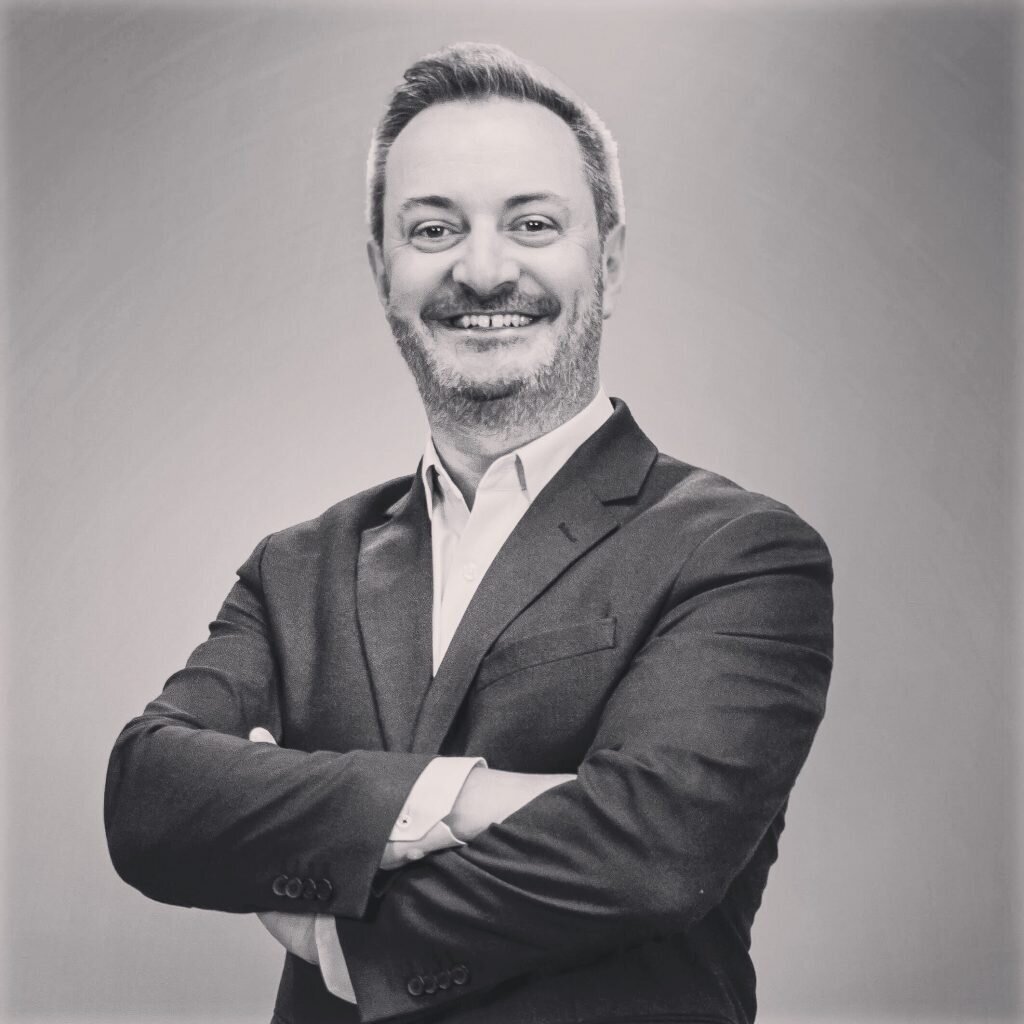
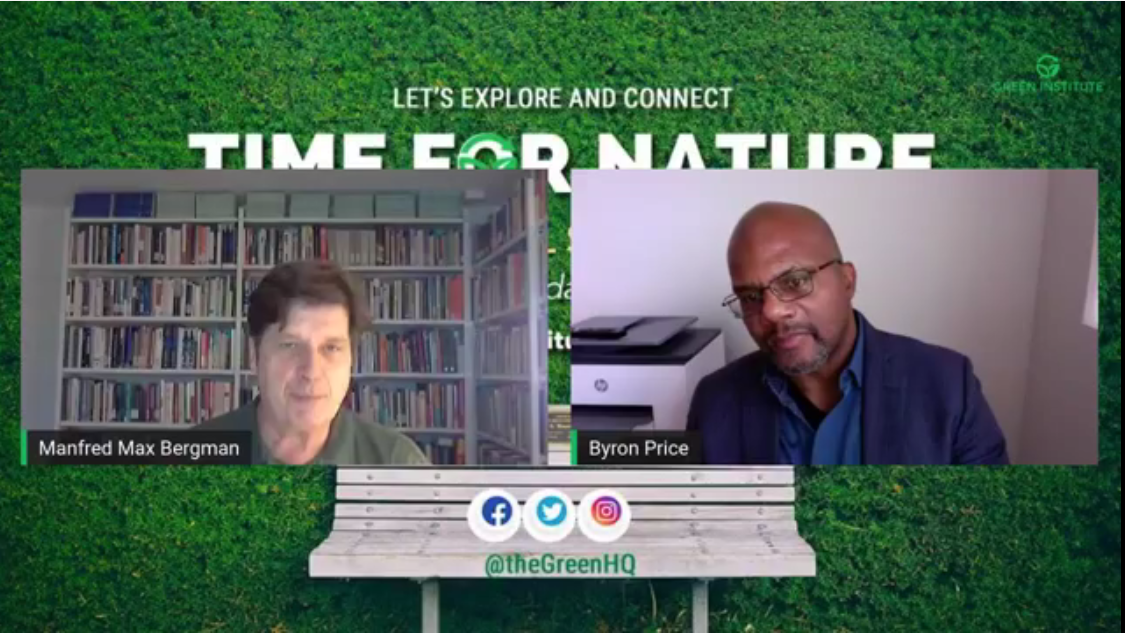
Manfred Max Bergman

Manfred Max Bergman

Businesses and the environment could work harmoniously when the skills of sustainability are applied. This is the strong position held by Prof. Max Manfred Bergman as he spoke on How Does Sustainability Intersect with Business and Society in a Globalized World. Prof. Bergman reinforced the need to have business models that will not only hit home runs, but whose design is connected to environmental wellbeing and social inclusion. As a people, we are getting connected on a daily basis due to the revolution of technology. Prof. Bergman opined that we should therefore leverage on this technology to bridge the gaps of our differences. That is the only way to achieve true sustainability.                                                                                              

Jonathan Reichental

Jonathan Reichental

Jonathan Reichental spoke on Understanding the Role of Data in Urban Innovation as the symposium came to a close. According to Reichental, “our world is now running on data as if it is a new type of natural resource like oil, it has enormous value in how we make decisions, private organizations and increasingly in government…we create 2-half quintillion bytes of data everyday.

 Dr. Reichental impressed on the usefulness of GPS in monitoring and regulation. We can observe and understand what happens during a natural disaster such as flooding, mudslides, oil spills, seismic activity et cetera. It is also used to manage indiscriminate logging going on in different parts of the world. GPS is used for understanding the migration of animals. We use GPS to understand the health of our planet vegetation.

As the event drew to a close, The Green Institute looked back from the beginning of planning and preparation to the culmination of the event and appreciated all her speakers and moderators for honoring her invitation. To her viewers on the different social platforms, she stands in solidarity and encourages them to act for nature consistently and continuously.

The just concluded virtual symposium shared great insights on sustainable development. However, what should be the response of stakeholders towards sustainable development? Once more, sustainable development is meeting the needs of the present without compromising the ability of future generations to meet their own need. What events will unfold in a post-covid 19 era? These are likely questions springing in the minds of the people as they watch the government’s response to the pandemic. The need for world governments to revamp the economy after the debilitating impact has shifted focus from Agenda 2030. With environmental laws pushed to the sidelines, companies have indirectly been given license to run amok in their emission of carbon. As leaders continue to blame multi-lateral organizations, the platform for collaboration towards achieving the SDGs is threatened. The question remains, have we drifted from the path to sustainable development in a bid secure temporary solutions? Are we still on the trajectory towards sustainable development?

Jeffrey Sachs (SDSN), Adenike Akinsemolu (Green Institute), and Qatar Foundation will discuss sustainability on the World Environment Day online event.

FRIDAY, JUNE 5, 2020

Jeffrey Sachs (SDSN), Adenike Akinsemolu (Green Institute), and Hamad Bin Khalifa University (Qatar Foundation) are gathering sustainability experts from across the globe to host a virtual summit Time #ForNature for the World Environment Day, a United Nations awareness campaign for environmental protection, held annually since 1974.

Since the industrial era, humans have practiced dominance instead of coexistence with nature. The latest lockdown made it possible to review environmental concerns that humanity is currently facing. Scientists and most authorities agree that the world is experiencing an unprecedented ecological crisis, with large numbers of species on the brink of extinction and rising global temperatures continuing. We weren’t prepared for Covid-19, and we have paid the price – but the cost of ecological collapse and biodiversity loss will be too high, and we cannot afford to wait any longer. Perhaps, now is the time to evaluate our past, present, and future decisions to realize the future we want.

Adenike Akinsemolu-1024X512(1).jpg

Adenike Akinsemolu, the founder of the Green Institute, a leading and multiple award-winning sustainability research institute in Nigeria, is hosting a virtual summit Time #ForNature in partnership with Hamad Bin Khalifa University (a member of Qatar Foundation) and the UN Sustainable Development Solutions Network that will focus on sustainability and green education. The theme for World Environment Day, June 5, 2020, is biodiversity.

The online event will cover a range of topics such as biodiversity conservation, infectious diseases, sustainable agriculture, sustainable building, urban innovation, minimal living, waste management, renewable energy, etc. This paradigm-shifting online symposium will gather over 25 eminent sustainability leaders in different professions around the world to provide an opportunity to learn from successful cases and technologies for achieving Environmental Sustainability.

Jeffrey Sachs-1024X512.jpg

One of the keynote speakers is Jeffrey D. Sachs, who was named twice by Time magazine as one of the 100 most influential world leaders and ranked by The Economist among the top three most influential living economists. Jeffrey D. Sachs will join the conversation to discuss building resilient health structures to combat novel diseases. He has been an advisor to three United Nations Secretaries-General, and currently serves as an SDG Advocate under Secretary- General António Guterres. Jeffrey Sachs, being a University professor, is also the Director of the Center for Sustainable Development at Columbia University, a commissioner of the UN Broadband Commission for Development and the Director of the UN Sustainable Development Solutions Network.

“Everyday anthropogenic activities are responsible for the problems of our planet, and there is a need to salvage the situation through creativity, innovation, and critical thinking,”Adenike Akinsemolu stresses in her recent book, The Principles of Green and Sustainability Sciences (Springer, 2020), which will be launched at the event. In the book, Akinsemolu offers a detailed and step-by-step guide to understanding sustainability and discusses best practices to establish a more harmonious and balanced approach to living, highlighting her efforts in Africa and successful global cases. It is also one of the first texts, which examines sustainability issues in Africa.

Her Green Institute has already recruited more than 5,500 ambassadors and trained over 25,000 people globally. The revolutionary Trash for Education model lets hundreds of students study for free in exchange for collected waste. Its programs include the Green School, nano-degree-programs in sustainability and social entrepreneurship, The Green Kids Club, mentorship program and prizes for girls in sustainability, and research initiatives.

The participating organizations include the UNDP, Qatar Green Building Council, Qur’anic Botanic Garden, Farm Lab, Human Future, Springer Nature, Institute for Oil, Gas, Energy, Environment and Sustainable Development, University of Basel, the Open University UK, TerraCycle, Design Future(s) Initiative of Georgetown University, United Nations Development Program, and the Green Maasai Troupe Doha Qatar.

Press Credentials

To request a press credential, email Kate Kifa at  pr@greeninstitute.ng with PRESS CREDENTIAL REQUEST in the subject line.

For more information and the full schedule: www.greeninstitute.ng/wed2020

About

The Green Institute, a leading and multiple award-winning research institute founded by Adenike Akinsemolu in Nigeria, is dedicated to the broad sustainability discourse, and to training leaders who will systematically transform attitudes about environmentalism in Africa. Its programs include the Green School and The Green Kids Club for kids and young adults, recycling programs such as Trash for Education, nano-degree-programs in Sustainable Science and Technology, Sustainable Business and Social Entrepreneurship, and research initiatives.  https://greeninstitute.ng  

Adenike Akinsemolu, Ph.D. is the founder of the Green Institute, a leading and multiple award-winning research institute in Nigeria dedicated to the broad sustainability discourse and to training leaders who will systematically transform attitudes about environmentalism in Africa. She holds a Ph.D. in Environmental Microbiology and a Postgraduate Diploma in Education. She is a Senior Fellow of Environment and Sustainable Development at the Institute for Oil, Gas, Energy, Environment, and Sustainable Development at Afe Babalola University, Nigeria. Her most recent book, The Principles of Green and Sustainability Science (2020), is the first sustainability text to deal exclusively with sustainability issues in Africa while offering viable solutions for the problems besetting our societies, especially the environment and unemployment. 

Jeffrey D. Sachs, Ph.D. is a University Professor and Director of the Center for Sustainable Development at Columbia University, where he directed the Earth Institute from 2002 until 2016. He is also Director of the UN Sustainable Development Solutions Network and a commissioner of the UN Broadband Commission for Development. He has been an advisor to three United Nations Secretaries-General and currently serves as an SDG Advocate under Secretary- General António Guterres. He spent over twenty years as a professor at Harvard University, where he received his BA, MA, and Ph.D. degrees. He has authored numerous bestseller books. His most recent book is Ages of Globalization: Geography, Technology, and Institutions (2020). Sachs was twice named as Time Magazine’s 100 most influential world leaders and was ranked by The Economist among the top three most influential living economists.

z-Cover Design Speakers-2000X2000.jpg


United Nations: Secretary-General's message on Africa Day

un.org

un.org

This year, the world marks Africa Day under extremely difficult circumstances as we grapple with the global COVID-19 pandemic, which threatens to derail progress by African countries towards meeting the Sustainable Development Goals and the targets set out in the African Union’s Agenda 2063.

African countries have demonstrated commendable leadership through a swift and coordinated response. The AU established a task force to develop a continent-wide strategy and appointed special envoys to mobilize international support. Its Peace and Security Council has also taken steps to counter the negative impact of COVID-19 on the implementation of critical peace agreements and reconciliation efforts. The Africa Centres for Disease Control and Prevention established a response fund, while African Member States undertook robust measures to contain the spread of the virus and mitigate the socio-economic impacts.

I welcome the African Union’s support for my call for a global ceasefire to fight the COVID-19 pandemic – an imperative that also reflects the AU’s 2020 theme: “Silencing the Guns: Creating Conducive Conditions for Africa’s Development.” Armed groups in Cameroon, Sudan and South Sudan have responded to the call and declared unilateral ceasefires. I implore other armed movements and governments in Africa to do likewise. I also welcome the support of African countries for my call for peace in the home, and an end to all forms of violence, including against women and girls.

About 20 African countries are scheduled to hold elections this year, some of which will be postponed due to the pandemic, with potential consequences for stability and peace. I urge African political actors to engage in inclusive and sustained political dialogue to ease tensions around elections and uphold democratic practices. 

The United Nations has just issued a policy brief outlining the impacts of the pandemic on Africa. We are calling for debt relief and action to maintain food supplies, protect jobs and cushion the continent against lost income and export earnings. African countries, like everyone, everywhere, should also have quick, equal and affordable access to any eventual vaccine and treatment. African governments, like all those around the world, can also use this moment to shape new policies that bolster health systems, improve social protection and pursue climate-friendly pathways.  Targeting measures to those employed in the informal sector, the vast majority of whom are women, will be an important step to recovery, as will leveraging women’s full participation and leadership.  The inclusion and leadership of young people will also be crucial every step of the way. 

On Africa Day, I reaffirm my total solidarity with the people and Governments of Africa in fighting the COVID-19 pandemic and paving the way for recovery and a better future for all.

CORONAVIRUS UPDATE: Confirmed Cases and Deaths by Country, Territory, or Conveyance Statistical data

pexels-CORONA.jpeg

The coronavirus COVID-19 is affecting 213 countries and territories around the world and 2 international conveyances.

Globally, there are currently 5,517,708 confirmed cases, 2,310,480 recovery cases and 346,964 deaths from the coronavirus COVID-19 outbreak as of May 25, 2020, 09:43 GMT.

In Africa, there are 112,181 confirmed cases, 45,001 recovery cases, and 3,356 confirmed deaths as of May 25, 2020, 09:05  GMT.

CHECK MORE STATISTICS OR RESEARCH
TAKE A COURSE IN INFECTIOUS DISEASE & CLIMATE CHANGE

World Total confirmed COVID-19 cases, by source

World Total confirmed COVID-19 cases, by source


For a detailed view, see table below:


THE GREEN ROOM (Episode 1): Damilola Olawuyi on Extractive Industries and Sustainable Development

GREEN ROOM: LIVE WEBINAR TRANSCRIPT


Summary of the Discussion

The discussion kicked off with a brief introduction of our distinguished speaker, Professor Damilola Olawuyi, and our amiable moderator Dr. Jason McSparren. The topic was one that is long overdue, only to be validated by the COVID-19 pandemic. Nigeria as a nation and Africa as a continent has not lived up to its abundance of natural resources. The extractive industries have been bedeviled by corrupt practices and environmental insensitivity. In the age of sustainable development where the environment is unassailable, economic development is non-negotiable and equality is indisputable; what role would the extractive industry play in expediting sustainable development in Nigeria and Africa? Oil is one of the products of the extractive industry, has been the mainstay of our economy, and has enriched public coffers conveniently. How do we transition from this monoculture economic system to a rich multicultural economic system without hemorrhaging the economy?

For satisfactory answers and an in-depth analysis into this mysterious industry, find out more by downloading the audio, video or transcript of the webinar.

DOWNLOAD full transcript

LISTEN TO PODCAST


ABOUT THE SPEAKER ABOUT THE MODERATOR

Professor Damilola S. Olawuyi is an international jurist, professor of law, arbitrator, author and policy consultant, with expertise in petroleum, energy and environmental law. He is the Deputy Vice Chancellor of Afe Babalola University, Ado Ekiti, …

Professor Damilola S. Olawuyi is an international jurist, professor of law, arbitrator, author and policy consultant, with expertise in petroleum, energy and environmental law. He is the Deputy Vice Chancellor of Afe Babalola University, Ado Ekiti, Nigeria.

Read full bio
Dr. Jason J. McSparren is an educator, researcher, and administrator with a PhD. in Global Governance and Human Security from Massachusetts Boston.He is also a Pre-Doctoral Fellow (2017-18) for the West African Research Association (WARA).

Dr. Jason J. McSparren is an educator, researcher, and administrator with a PhD. in Global Governance and Human Security from Massachusetts Boston.He is also a Pre-Doctoral Fellow (2017-18) for the West African Research Association (WARA).

read full bio

Q & A

Chibuike Jigo: What efforts are the extractive industries putting towards letting the government know that this is where we are, this is where we stand, that natural resources will soon be over by 2048 or 2050. So what policies had been geared towards making the government realized that this is where we stand?

Prof. Damilola Olawuyi: Well, thank you very much Chibuike. That's a fantastic question. I know that even when we talk about agriculture in Nigeria, no one is interested, well at Afe Babalola how many people are studying agriculture, you know, even though I know very well that the founder provided a lot of incentives and said if you study agriculture, you know, it is cheaper, just study agriculture, but you know, the truth is that the agriculture sector has just remained less attractive to a lot of people and I think it all starts with this whole idea of you know, the emphasizing oil and gas, you know, everyone wants to work in the oil and gas industry. No matter what you do in the oil and gas industry, you are well respected. I think that has to change, you know, there is a need to make the other sectors equally, you know important and equally attractive to everyone so that to change that narrative and extreme focus on oil and gas, that's number one. Number two is that I agree with what Afe Babalola University is doing in terms of spearheading this whole poll education approach, you know, which you know empowering students to think about agriculture, to think about sustainability as a whole and I think every institution every University in Nigeria should learn from Afe Babalola University and see how they can also promote that sort of, you know, for example, I know that ABUAD students can learn about farming and can try and become entrepreneurs on their own. We have seen a number of people leave the University to become entrepreneurs and start Innovative ventures and I think those are some of the ways in which you can view the new generation that is less dependent on this whole oil and gas promoting sustainability education, promoting whole education, promoting agriculture, you know, promoting Innovation and an Enterprise development is exactly the way to go and I think if we can do more of that we will make progress.

Alex: Why are some solid minerals left largely untapped in Nigeria, bearing in mind that can help to address energy deficiency issues and also diversify the economy, research Uranium, Gold, and some other solid minerals up North Nigeria. Why are they left untapped?

Prof. Damilola Olawuyi: Yes, thank you, Alex, that is a very fantastic question from a place of knowledge and I think the truth is that we've had as I mentioned we've had and you know an onyx, someone something like an inexplicable dependence on oil, you know, like, you know, almost like an addiction to oil and gas for many years and it was only recently that people started talking about the mineral sector, you know, the solid mineral sector. As a matter of fact, I think this does is one of the positive achievement of this current government because was the current governor of Ekiti state governor Fayemi, when he was Minister for solid minerals just recently, you know in the last, you know in the first term of the current government was when they began to accentuate this need for solid mineral diversification, and you see that the progress they've made just by talking about it so much over the last four years, now everyone is aware that we have so much you mentioned Gold, You mentioned Copper, you know, we have Uranium and we have all of that. So I think the awareness had already been created by the Fayemi led ministry of solid minerals and the next step is to build on that awareness and ensure that we continue along that path.  Why is it that you know, they didn't do this in the past. Like I said because oil and gas was providing a lot of money and everyone just thought what else do we need? Now everyone knows that the oil and gas money is about to end, so this is the right atmosphere. I think COVID has also played the right stump because it has created the perfect crisis because no one cares about oil and gas right now. I joked with someone that a barrel of oil is so cheap that you know, it's cheaper than table water you know, so again, which means if you have another commodity like Gold another, you better start looking at them because you know oil is no longer the golden child that it used to be. So I think, so those are some of the reasons why historically we've not focused on them. Again, because we've not focused on them we've not been able to appreciate the full issues. People have raised concerns when we talked about Uranium in the past, that oh you want to kill the whole country with Uranium which is environmental, which can lead to death and the likes. Yeah, but a lot of countries are producing Uranium because they have spent time studying it perfecting it. So I think if we begin to study it as well who will be ready to produce it and will be ready to use it. Lithium, you know is another one you know, which the Lithium is like a very expensive commodity because there is a huge demand for Lithium. Everyone that has a laptop uses a Lithium battery every form relies on and you know, so Nigeria can produce its Lithium and raise a lot of money from all of these things. So I think we are about to see a transformation and already I am beginning to say, I'm not an oil and gas lawyer, I'm an energy lawyer so that I can be part of the opportunities coming in the mining sector.

DOWNLOAD FULL Q & A

Favourite Quote

The face mask is an analogy that shows you the real need for local content, we cannot continue to rely on imported solutions.
— Professor Damilola Olawuyi

Top Comments

"I have a new crush. Prof Olawuyi: Simple, Brilliant, Succinct, Elaborate. He knows his stuff." - Anonymous

Prof. Olawuyi knows his stuff. He didn't just speak defensively, he took an offensive approach towards his expertise and ended up making converts. Now I want to be a Sustainable Extractive Industry Expert.

Thumbs up Prof. Olawuyi. Thumbs up the Green Institute

Chibuike J.

"My Warmest and kindest regards to Prof Olawuyi. I hope I will see him someday by Grace of God. Again, Brilliant Initiative and discussion." - Professor Adebayo Shittu

"The face mask analogy is brilliant Prof. Homegrown local content is the way to go. There is no one cap fits all solution in the extractive industry." - Oludayo Olorunfemi 

"The foresight possessed by the speakers in this discussion is very, very admirable and commendable." - Emmanuel Best Ali 

"The level of knowledge and foresight every speaker in this discussion is exuding is remarkable!" - Oluwayimika Akinsipe


FURTHER READING

Damilola S. Olawuyi. 2018. Extractives Industry Law in Africa. Springer International Publishing. DOI: 10.1007/978-3-319-97664-8

Damilola S. Olawuyi. June 2016. The Human Right Based Approach to Carbon Finance. Cambridge University Press. DOI: https://doi.org/10.1017/CBO9781316226285

Jason J.  McSparren. May  2020. The Extractive Industries Transparency Initiative (EITI) and Africa Mining Vision (AMV): Policy Tools for Natural Resource-based Development. DOI: https://jasonmcsparren.com/2020/05/14/the-extractive-industries-transparency-initiative-eiti-and-africa-mining-vision-amv-policy-tools-for-natural-resource-based-development/

Jason J.  McSparren. December 2019.The Africa Mining Vision: Beyond Official Development Aid and Partnerships. DOI: https://jasonmcsparren.com/2019/12/17/the-africa-mining-vision-beyond-official-development-aid-and-partnerships/

REGISTER FOR THE NEXT GREEN ROOM

Does warmer weather slow coronavirus?

KAITLYN FOLMER

California was hit with the coronavirus emergency before New York, New Jersey and Chicago. But still, the Golden State has fared -- by every measure -- far better than colder places like the Big Apple.

The total cases of COVID-19 in California stands at just one-fifth of that in New York State. And California has recorded 10% of the deaths.


It's not just California. Texas has also seen a coronavirus problem nowhere near as widespread or as deadly as New York. Neither has Florida. All four states have enormous populations, they all have densely packed urban centers and they boast international hub airports.

Why then, researchers are asking, is the global pandemic that ravaged New York playing itself out so differently in the South and the West?

"For every increase in heat of 1 degree Celsius (the equivalent of 1.8 degrees Fahrenheit), we are seeing about 2% decline in transmission," public-health expert Ali Mokdad, the chief strategy officer for population health at the University of Washington's Institute for Health Metrics and Evaluation, told ABC News. "We find this relationship in our data and possibly it would be more when the weather warms up this month."

It was early on in the pandemic when President Donald Trump mused out loud that the global contagion would not pose a threat to the US because, like the flu, it would dissipate come spring.

"There's a theory that, in April, when it gets warm -- historically, that has been able to kill the virus," Trump said on Feb. 14. "So we don't know yet; we're not sure yet. But that's around the corner."

The virus certainly did not disappear but there was, in fact, scientific logic behind Trumps words. And the pathogen's course has given experts much to think about.

While there is no consensus yet, researchers now believe that the outside temperature and, possibly humidity, plays a role in making the virus spread less aggressively or intensely -- even where people may be living in close quarters without social distancing measures.

"We can't say for certain, but differences we are seeing could be partly related to differences in weather," said ABC News contributor Dr. John Brownstein, an infectious disease expert and professor at Boston Children's Medical School who monitors viral trends around the world.

Take the Houston and Miami metropolitan areas. They have population densities and demographics similar to much of the New York City boroughs of Queens, Brooklyn and the Bronx that were, literally, overwhelmed by coronavirus in late March and early April. But the infection and death rates are markedly lower, with Miami-Dade County's roughly 14,000 confirmed cases and 500 deaths compared to New York's nearly 179,000 confirmed cases and over 14,700 deaths.


Both New York and Texas reported their first COVID-19 cases within days of each other -- March 1 and March 9, respectively -- but the disparity between their numbers of confirmed cases is staggering: 335,395 for New York; 38,869 for Texas, as of Sunday.

"Climate is an important driver for the seasonality of infectious diseases," Brownstein said, and coronavirus may well follow the pattern.

It's no coincidence to health investigators, Brownstein said, that coronavirus, once thrust unwittingly into the New York winter by travelers from Europe became such a viral inferno.

"The combination of cold-weather climate, high population density and increased use of public transport likely created a perfect environment for a novel respiratory virus to move efficiently through the population," Brownstein said.

Researchers now want to figure out what it could mean if coronavirus follows the lead of the influenza of peaking in the cold and wilting in the warm.

Doctors believe increased dryness and close contact indoors could be two factors that promote transmission of infections during the wintertime cold. Warmer climates, on the other hand, offer many possible factors that could explain why disease transmission could be reduced, Brownstein said. Those are: greater sunlight, more humidity and the natural human urge to spend more time outside breathing in air that's been filtered by Mother Nature as opposed to a building's ductwork.

A study from engineers at the Massachusetts Institute of Technology, still awaiting peer review, offered a direct comparison between the spread of coronavirus and local environmental conditions. It determined that places with high growth rates like Italy, New York, and Washington state exhibited "weather patterns similar to original hotspots of Hubei and Hunan (China)," where the pandemic started. Those locations were averaging temperatures between 37 and 50 degrees Fahrenheit at the time. By contrast, places with warmer climates like Saudi Arabia, Australia, Qatar, and Taiwan have exhibited lower growth rates.

The researchers used weather data over 10-day periods between Jan. 22 and March 21 and concluded that the lower number of COVID-19 cases in tropical countries might be due to "warm-humid conditions, under which the spread of the virus might be slower as has been observed for other viruses."

The study's authors, in an email to ABC News, wrote their "main findings pointed towards the role of humidity as most important." They did, however, stress that "there were found COVID cases even in the most humid places on earth, so the only way to stop the spread of COVID is to take precautionary measures."


Brownstein agreed, saying "while there likely could be an environmental relationship, we can't count on humidity alone to slow down the epidemic over the summer period."

IHME, whose coronavirus-projection model is one of the most widely trusted in the field, is now planning to factor in weather-related variables going forward, Mokdad told ABC News.

Professor Mark Urban, an expert in biology at the University of Connecticut, recently authored a paper concluding that ultraviolet light could slow the growth of coronavirus.

"When we look across the US and the world, we find that in places where the ultraviolet light was lowest in the preceding weeks, the COVID-19 growth rate was the highest," Urban said of his findings, which have yet to be peer reviewed.

Access to fresh, outside air is another possible factor experts are looking at -- both because warmer weather sends people outside and because buildings in warmer climates often have more outside air circulating indoors.

"It's logical that more temperate climates are more likely to have architectural designs that are conducive to outdoor engagement, to free flowing spaces that connect to the outdoors like larger windows, more access to fresh air and more access to daylight," according to Professor Kevin Van Den Wymelenberg, who runs an institute at the University of Oregon focused on creating buildings that support human health.

Buildings in colder climates are often much "tighter," Van Den Wymelenberg said, with fewer windows and openings to the outdoors due to extreme weather temperatures and energy codes.

Van Den Wymelenberg said "there is a relationship between outdoor climate and indoor climate but indoor climate is where we should focus our research."

PLASTICS: FRIEND OR FOE?

Green Institute

Plastics are ubiquitous, found in every corner around the globe. Plastics are found in nature as rubber and silk or synthesized from chemicals contained in coal, oil, and natural gas. Plastics consist of material elements, including carbon, hydrogen, oxygen, chlorine, nitrogen, silicon, and sulfur. The basic building block of plastics is called monomers. These monomers are combined through processes of polymerization and condensation to form plastics. Plastics have high molecular weight and can be of two types; Thermoplastics (meltable) and Thermoset Plastics (not meltable). About 92% of world plastics are thermoplastics. Examples of plastics are; Polystyrene (PS), Polypropylene (PP), Polycarbonate (PC), Epoxide (EP), Polyurethane (PUR).

The scarcity of ivory and tortoiseshell as necessary industrial materials sparked interest in the discovery of plastics in the 19th century. Plastics are vital production materials found in virtually all products of modern manufactures like; automobiles, medicine, space travel, construction, food companies, and electronics. Their uses are limitless and beyond the scope of this article. However, we must understand their impact also on human life. Knowing about its importance alone would be inadequate to understand it’s nature and characteristics.

The extent of the drawback of plastics culminates in plastic pollution. Plastic pollution is the indiscriminate dumping of plastic wastes (consumable or industrial) that overwhelms the ecosystem. It becomes a burden to wildlife and their respective habitats. Due to the gravity of plastic pollution, world leaders converged under the auspices of the UN to sign a global treaty on plastic pollution. The marine and terrestrial ecosystem are affected by plastic pollution, hence the need to accomplish SDGs 14 & 15. Studies show that the alteration of the marine ecosystem by plastic pollution consequently affects life on land. Clogging of drainages with plastic materials leads to flooding, and animals that feed on waste dumps have intestinal blockages. Industrial effluence, which constitutes plastic wastes, is disposed into rivers serving as conveyor belts to the seas. These plastics are responsible for affecting 700 extinct and endangered marine species. They affect marine wildlife through entanglement and starvation. They also disrupt their reproductive processes, affecting the quality of eggshells they produce.

According to National Geographic, the following critical facts about plastics are worth noting: 

  • Half of already manufactured plastics were produced in the past 15 years;

  • Plastic production increased from 2.3 million in 1850 to 448million in 2015. This figure would double in 2050;

  • Yearly, 8 million tons of plastics find their way into oceans;

  • Additives added to plastics enable them to outlive their average lifespan, taking about 400 years to break down.

The question remains: Where do we go from here? Having outlined the impact of uncontrolled plastic production briefly, what will our collective response be towards mitigating and controlling plastic pollution?

Best Regards.

The Green Team.

Sewage poses potential COVID-19 transmission risk, experts warn

University of Stirling

Environmental biologists at the University of Stirling have warned that the potential spread of COVID-19 via sewage "must not be neglected" in the battle to protect human health.

The response to the global pandemic has focused upon preventing person-to-person transmission, however, experts now believe the virus could also be spread in wastewater.

Earlier this week, it emerged that analysis of sewage in the UK could provide important data on the spread of COVID-19. However, Professor Richard Quilliam's new paper -- published May 6 -- now warns that the sewerage system itself could pose a transmission risk.

Writing in the journal Environment International, Professor Quilliam and colleagues from Stirling's Faculty of Natural Sciences are calling for "an investment of resources" to investigate their concerns.

Professor Quilliam -- who is currently leading a £1.85 million study into the transport of bacteria and viruses in marine environments -- said: "We know that COVID-19 is spread through droplets from coughs and sneezes, or via objects or materials that carry infection. However, it has recently been confirmed that the virus can also be found in human faeces -- up to 33 days after the patient has tested negative for the respiratory symptoms of COVID-19.

"It is not yet known whether the virus can be transmitted via the faecal-oral route, however, we know that viral shedding from the digestive system can last longer than shedding from the respiratory tract. Therefore, this could be an important -- but as yet unquantified -- pathway for increased exposure."

The authors of the peer-reviewed paper presented the example of the severe acute respiratory syndrome (SARS) outbreak in 2002-2003, when SARS-CoV-1 -- closely linked to the COVID-19 virus strain (SARS-CoV-2) -- was detected in sewage discharged by two hospitals in China.

Professor Quilliam highlights that, as most COVID-19 patients are asymptomatic or experience just mild symptoms and remain at home -- not in hospitals, there is significant risk of "widespread" distribution through sewers.

Professor Quilliam authored the paper alongside Professor Manfred Weidmann, Dr Vanessa Moresco, Heather Purshouse, Dr Zoe O'Hara, and Dr David Oliver.

The biologists said a lack of testing "makes it difficult" to predict the scale of the potential spread and the public health implications of the virus arriving at wastewater treatment works, whilst the implications of consequent discharge into the wider environment are only just beginning to be investigated.

They added that the structural makeup of COVID-19 -- specifically its lipid envelope covering -- suggests that it will behave differently in aqueous environments, compared to other viruses typically found in the intestine. There is currently limited information on the environmental persistence of COVID-19, but other coronaviruses can remain viable in sewage for up to 14 days, depending on the environmental conditions.

On the risk of human exposure, the authors said: "The transport of coronaviruses in water could increase the potential for the virus to become aerosolised, particularly during the pumping of wastewater through sewerage systems, at the wastewater treatment works, and during its discharge and the subsequent transport through the catchment drainage network.

"Atmospheric loading of coronaviruses in water droplets from wastewater is poorly understood but could provide a more direct respiratory route for human exposure, particularly at sewage pumping stations, wastewater treatment works and near waterways that are receiving wastewater."

Risk could be further increased in parts of the world with high levels of open defecation, or where safely managed sanitation systems are limited and waterways are used as both open sewers and sources of water for domestic purposes.

"Such settings are commonly accompanied by poorly resourced and fragile healthcare systems, thus amplifying both exposure risk and potential mortality," the authors said.

Currently, all published data on faecal shedding of SARS-CoV-2 derive from hospitalised patients -- with limited information available on mild and asymptomatic cases. The paper concludes: "In the immediate future, there needs to be an investment of resources to improve our understanding of the risks associated with faecal transmission of SARS-CoV-2, and whether this respiratory virus can be disseminated by enteric transmission.

"Understanding the risk of spread via the faecal-oral route, while still at a fairly early stage of the pandemic, will allow more evidence-based information about viral transmission to be shared with the public. Furthermore, the risks associated with sewage loading during the remainder of the COVID-19 outbreak need to be rapidly quantified to allow wastewater managers to act quickly and put in place control measures to decrease human exposure to this potentially infectious material.

"At a time when the world is so focused on the respiratory pathways of a respiratory virus, understanding the opportunities for SARS-CoV-2 to be spread by the faecal-oral route must not be neglected."

COVID-19 – A Nature’s Self-Healing Mechanism

 Ekta Chaudhary

The recent CORONA outbreak is currently posing as one of the biggest epidemic disease hovering over the World. Due to this recent outbreak of this epidemic, the World has come to a standstill. The never stopping life on the Earth has been stopped abruptly. As we all know, the Nature always find its way. In this recent Corona Outbreak, the nature has found its way to help heel itself. With the onset of this epidemic disease all over the world, the nature has started healing itself at a very fast pace.

As this COVID-19 situation is proving to be out of the human reach, the only preventive measure for this disease is to maintain social distancing. As this disease is a communicable disease, it is spreading very rapidly from individual to individual. To prevent this contamination chain, the World Health Organisation (WHO) has declared maintain social distancing as the only possible measure to prevent the spread of the disease.

Following the WHOs advisory, affected countries over the world have adopted social distancing for preventing their people form this infection. The World is currently undergoing a total lockdown mode. The World has been on the shutdown mode since this COVID-19 outbreak. The World’s lockdown is been proving as a boon for the deteriorating environmental conditions of the World.

EFFECTS ON AIR QUALITY

Image Source: Twitter

Image Source: Twitter

Countries have imposed stricter restrictions on the movement of modes of transportation causing a drastic decrease in the pollution level in the atmosphere. The streets are empty with more people inside their houses. As per the NASA report, the air pollution levels have been decreased drastically since the COVID-19 outbreak. Since the factories, industries, and all the workplaces are on the shutdown mode, the CO2 and CO emission levels have also been reduced. According to the World Air Quality, the average concentration of PM 2.5 in New Delhi came down by 71 percent.

Image Source: Twitter@RameshPandeyIFS

Image Source: Twitter@RameshPandeyIFS

As a result of decreased air pollution levels, the Himalayan ranges were clearly visible from the Jalandhar area. It is on of the rarest cases that happened to be in India. According to the local people, the incident has happened after a huge interval of 30 years. The distance of the Jalandhar city from the Dhauladhar ranges is approx. 200 km.

In another rare sighting due to decreased levels of AQI, the inner Himalayan peaks of Bandarpunch and Gangotri became visible from the town of Saharanpur in Uttar Pradesh

EFFECT ON WATER QUALITY

The clear water of Ganga River at Haridwar, Uttarakhand (Image Source: PTI)

The clear water of Ganga River at Haridwar, Uttarakhand (Image Source: PTI)

The water transport movement, water activities has also been stopped resulting in the improvement of the water quality. The water in the famous Venice lake has been marked absolutely clear. The huge reduction of tourist numbers and commuting workers in the city may also be leading to an improvement in the water quality due to a reduction of sewage discharges into the canals.

Many industries and offices are closed due to the lockdown these days and therefore the water quality of many rivers has improved. The stoppage of industrial pollutants and industrial waste has definitely had a positive effect on water quality. The water quality of river Ganga, in India, is also been marked as fit for drinking as per recent research by Indian scientists.

As several religious activities have decreased as the lockdown effect, the banks of river Ganga at Varanasi and Haridwar areas are comparatively clearer and cleaner than before.

  • The COVID-19 pandemic is also likely to have a significant impact on other environmental factors, including the emission of greenhouse gases as the global economy heads into recession.

  • The quarantine protocols may also have a deep, but short-term, impact on greenhouse gas emissions and other pollutants, as fewer people are traveling and fewer businesses are operating.

As per the recent records, there is currently a total of 32,56,846 confirmed cases of COVID -19. The total number of people worldwide who have lost their lives is 2,33,388. The total number of recovered cases at present is 10,14,753.

Speaking of India’s context, a total of 35,043 are the total active cases with a total of 1,147 deaths across the country, A total of 8,889 cases have reportedly been cured of the disease.

(Data as on 01-05-2020).

The role of immunity in fighting against COVID-19

As the world fidgets in returning to its regular activities, it seems as if the fight against COVID-19 has been lost already (we do not believe so). The race of producing a vaccine by world leaders seem no longer enthralling and exciting. Gradually, the bane of lethargy is creeping upon us. We are now seeing COVID-19 as a next-door neighbor with whom we have to live peaceably together. With this kind of relationship becoming a last resort, health workers have encouraged people around the world to boost their immune system. In essence, we have chosen a strategy of defense against our fight with COVID-19. Hence the need to strengthen this last line of defense.

What is immunity? Contextually speaking (relative to health), immunity is the response of our body mechanisms against the invasion of foreign bodies. These foreign bodies are usually disease-causing organisms that seek to alter the normal body working conditions, leading to ill health. This role of immunity is provided for by our immune system, and like every other system, it needs to be constantly 'upgraded' for maximum performance. The quality or strength of our immune system will determine how often we are plagued with sicknesses and diseases. To this effect, the need for strengthening our immune system cannot be overemphasized.

How can we boost our immune system? Ever heard of the phrase 'garbage in garbage out"? Our body systems reproduce whatever 'message' we send to it. The immune system works similarly. We are what we eat. Therefore, credence should be given to the kinds of food we take into our body system. Summarily, we should eat healthily. Let us avoid much of synthesized foods and drinks. As we are observing social distance from the pandemic, keeping our distance from inorganic foods will go a long way in the long term. Inorganic foods are foods produced through human-induced processes making use of chemicals and additives to boost production. The resultant effect of such foods is usually seen in developed countries. Consumers develop a variety of ailments as a result of their intake. Conditions such as obesity, cancer, and mutation are all too common due to the massive consumption of inorganic foods. Another important lesson of the COVID-19 pandemic is the need for us to have a transformation of diet. We need to transition from our heavy dependence on synthesized foods to organic foods. Organic foods are those foods produced sustainably without industrially influencing their growth stages and value chain. Foods such as vegetables and fruits are primary examples of organic foods. For an effective transition to sustainable food farming and consumption, it becomes compulsory for the masses and stakeholders to be educated in sustainable agriculture. This education is provided through sustainability courses offered by the Green Institute. Remember, eat healthily and stay alive.

Best Regards.

The Green Team

Randomized Clinical Trials and COVID-19 Managing Expectations

Howard Bauchner, MD, and Phil B. Fontanarosa, MD, MBA

Despite the millions of cases and hundreds of thousands of deaths that have occurred in this devastating coronavirus disease 2019 (COVID-19) pandemic, no peer-reviewed studies of specific therapies proven to be effective in reducing mortality have been published and a vaccine is many months to years away. To date, more than 1000 studies addressing various aspects of COVID-19 are registered on ClinicalTrials.gov, including more than 600 interventional studies and randomized clinical trials (RCTs).1 During the next few weeks and months, the results of numerous RCTs involving therapies for COVID-19 will be reported. Indeed, preliminary results from some studies have already been reported in social media and the popular press. How will clinicians, the public, and politicians understand the results of these much-anticipated and critically needed clinical trials?

First, the interventions in some of these trials are being evaluated in various ways. For instance, some studies do not have a control group, whereas others lack true “controls” such as trials that compare different dosages of the same drugs. This will limit the inferences that can be drawn, likely necessitating further research to define the true benefit of a specific treatment. In addition, in some trials, the investigational agents are administered in combination with multiple other therapies given at various time points in the disease process. Without rigorous design and attention to trial protocols for study drug administration, there will be challenges disentangling the true effect of the intervention.

Second, many ongoing trials were designed prior to emerging information that is providing a better understanding of the disease process. It has become clear that some critically ill patients with COVID-19 have substantially different manifestations, including profound hypoxia, extensive inflammatory activation, or evidence of coagulopathy. Accordingly, there may be significant heterogeneity of treatment effects based on the timing or constellation of disease manifestations. It is possible that an antiviral agent or other agents, such as those directed against inflammatory markers (ie, certain cytokines), could be helpful for critically ill patients who do not have overwhelming inflammation but would not be effective for patients in whom the inflammatory cascade is markedly activated. Given that the size of many ongoing trials is limited, few investigations will be appropriately powered to conduct meaningful secondary and subgroup analyses. Most additional analyses should likely be considered exploratory.

Third, the outcomes for many of these trials involve time to symptom resolution, improvement of laboratory or radiographic abnormalities, or reduction in the use of mechanical ventilation. Few of the studies will be sufficiently powered to detect a difference in mortality. Although these are important clinical outcomes, and use of mechanical ventilation is associated with mortality, it will be important to objectively assess and accurately describe the outcomes from ongoing trials and what the results potentially mean in terms of improving overall survival. In addition, for trials with unblinded treatment allocation and unblinded outcome assessment, interpretation of findings, such as symptom resolution, may be problematic.

Fourth, even a highly successful trial is likely to reduce the mortality outcome by only a 5% to 10% absolute difference; hence, the number needed to treat will be a minimum of 10 to 20. Smaller absolute differences would have greater numbers needed to treat. This remains a challenging issue for clinicians and patients to understand. Given these likely numbers needed to treat, most patients will not benefit from even a successful treatment. Moreover, even though there have been reports of studies that some interventions have reduced the duration of intubation or length of hospital stay represent progress against COVID-19, these findings do not indicate that patients with this disease are “cured” with the drugs used in these investigations.

Fifth, most of these trials are directed at treatment, and even if some trials show clinically important results, most will not address prevention of COVID-19. The results of these trials (most of which are being conducted among hospitalized patients in whom the disease is well-established) might not necessarily be directly applicable for altering the incidence of disease in the coming months or preventing future surges of disease. Numerous observational studies using existing databases are being conducted to determine whether the use of certain drugs is associated with COVID-19 disease outcomes, such as whether hydroxychloroquine is associated with less disease, or whether use of angiotensin-converting enzyme inhibitors and angiotensin receptor blockers is associated with an increased risk of disease. However, these will be observational studies with all the attendant limitations. Accordingly, the findings of rigorous clinical trials of vaccines and possible other therapies will be essential in determining how to effectively prevent COVID-19.

Sixth, it will be helpful if investigators share individual patient data from similar trials with one another. This will allow for additional analyses, even if the analyses of the combined data were not preplanned and would be considered exploratory. The goal is to expand what is known about possible treatments, so that future trials can be improved, perhaps by using approaches such as large adaptive platform trials.

The clinical trials community around the world, in conjunction with numerous funders, has rapidly mounted important RCTs during the COVID-19 pandemic. This is a remarkable achievement. However, presenting and interpreting the results of these studies clearly, and communicating findings appropriately to clinicians, the public, and policy makers, is critically important. Because much of the focus is now on preventing recurrence of the pandemic, it will be important for investigators, journals, and the media to accurately report the results of the studies responsibly and what they mean both for individuals and for population health.

Article Information

Corresponding Author: Howard Bauchner, MD, JAMA, 330 N Wabash Ave, Chicago, IL 60611 (Howard.Bauchner@jamanetwork.org).

Conflict of Interest Disclosures: None reported.

Additional Contributions: We thank Derek C. Angus, MD, MPH (associate editor, JAMA), and Rob Golub, MD (deputy editor, JAMA), for their valuable comments.

References

1.US National Library of Medicine. ClinicalTrials.gov. Accessed April 30, 2020. https://clinicaltrials.gov/

[SDSN Global]: Take the global COVID-19 Survey

Dear Friends,

 How are you coping with the spread of COVID-19?

SDSN and the World Happiness Report has partnered with the international research consortium running the largest Covid19 survey globally to measure how people cope with the situation.

Please join 100,000+ volunteers and help inform evidence-based policy for happiness and well-being. Feel free to complete the survey again at a later stage, as each set of answers will be interpreted against the background of the current progress of the epidemic in your own region.

The 5-minute survey is available in 60+ languages, share your thoughts, and share with your social and business networks too!

Thank you,
Jeff Sachs

Take the Survey #covid19study

Participate Now!

Jeffrey Sachs: What Asian nations know about squashing Covid

devex.com

devex.com

The number of Americans who have died from Covid-19 now significantly exceeds the total US troop fatalities during the Vietnam War.
 
While the coronavirus continues to ravage the country, with confirmed cases exceeding 1 million and deaths rising by the day, some states are lifting stay at home orders in hopes of salvaging the economy. With so many lives at stake, it's time the United States looked to those countries in the Asia Pacific region that have successfully controlled the pandemic to figure out how to save ourselves and the economy.
 
Several places in the Asia-Pacific, including Australia, China, New Zealand, South Korea, Taiwan and Vietnam, have suppressed the estimated effective reproduction number -- the average number of people who will catch the disease from a single infected person -- to below 1, without the need for continued, widespread lockdowns.
 
They are now rapidly and successfully suppressing outbreaks of the disease by isolating those who are infected and their contacts who are likely to be infected.
           
It's as if there are two worlds.
 
The United States has had more than 66,000 deaths, or about 20 deaths per 100,000 people. The number of deaths per 100,000 people reported in Western European countries is also very high: Belgium, 67; France, 37; Italy, 47; Germany, 8; Spain, 53; and Sweden, 26.

Meanwhile, the reported rates in Asia and Oceania are considerably lower: Australia, 0.4; China, 0.3; New Zealand, 0.4; South Korea, 0.5; Taiwan, 0.03.
 
Despite the stark disparities, America seems blind to the strategies other countries have used to control the virus. How is it that one part of the world is succeeding, while the other part refuses to learn the lessons of success?
 
On Tuesday, The Wall Street Journal extolled the virtues of Germany's efforts in comparison with the United States, France, Italy, and Spain, without even a mention that Germany's mortality rate per million is itself more than 100 times higher than Taiwan and Hong Kong, and more than 10 times higher than in Australia, Japan, New Zealand and South Korea.
 
How have these countries succeeded to date?
 
Many have adopted nationwide public-health standards, using mobile technologies, professionalism of government, widespread use of face masks and hand sanitizers, and intensive public health services to isolate infected individuals or those likely to be infected.
 
Testing has played an important role, but has not been the be-all-and-end-all as is sometimes believed in the United States.
 
Vietnam has succeeded, for example, with contact tracing and an aggressive quarantine regime. When one person is confirmed positive, many of his or her close contacts -- even those without symptoms -- are isolated. As a result, Vietnam tested only a moderate number of people as a share of the population because it managed to contain outbreaks so effectively. Vietnam, with about 95 million people, has not reported a single Covid-19 death so far.
 
In New Zealand, the government is starting to ease lockdown restrictions as officials say they are now in a position to test and trace any new clusters of infection.

Here are the careful and precise words of New Zealand Prime Minister Jacinda Ardern. "There is no widespread undetected community transmission in New Zealand. We have won that battle. But we must remain vigilant if we are to keep it that way."
 
There are similar success stories across much of the region.
 
South Korea, which has dramatically broken the epidemic with aggressive testing, contact tracing and basic public health measures such as thermal monitoring, has also employed digital technology in the fight against Covid-19, according to a new report. South Korea uses a text alert system to keep the public informed, while various apps allow people to track new Covid-19 cases, make doctor's appointments or monitor hotspots to avoid.
 
The government also uses apps to monitor people in quarantine, through self-reported symptoms and location tracking. Despite the fact that these apps may raise privacy issues in the United States, the upshot is an economy that is open, albeit cautiously so, together with a suppression of new infections.
 
The US government has been utterly incapable of learning from these cases of success.
                   
President Donald Trump is incompetent and his appointees at Health and Human Services, the US Centers for Disease Control and Prevention, and Transport Security Administration have failed to provide leadership. America First has put us first in deaths in the world, with tens of thousands of lives squandered as a result.
 
We can save ourselves and our economy, if we look to and learn from the achievements of other nations. And if the federal government continues to fail, as seems likely, our governors and mayors must step forward to do the job.

Sustainable Response to inundated global economic recess caused by COVID-19

As the mystery of COVID-19 is yet to be fully uncovered, the importance of microbial and sustainability education has never been more demanding.

It is not surprising that global leaders are eager to jumpstart their respective economies and reclaim their top spot as economy behemoths. However, what is disturbing are the policies they are likely to adopt in revamping the economy. World organizations such as the United Nations (UN) and the International Monetary Fund (IMF) has bemoaned the downward spiral of the economy. As global leaders rally round to implement policies of equality and solidarity, their national counterparts have relegated to nationalism and protectionism. These leaders have hinted at the possibility of uplifting environmental protection laws, banning immigration, and implementing border closure in the guise of emergency responses to the pandemic. According to estimates, if current conditions persist, global economic growth could be reduced to 2% per month and global trade could also fall by 13% to 32%. The International Monetary Fund (IMF) propounded that government expenditures and revenue measures adopted through mid-April 2020 amounted to $3.3trillion, while loans, equity injections, and guarantees totaled an additional $4.5 trillion. Consequently, the IMF estimates global governments' borrowing to increase from 3.7% of Gross Domestic Product(GDP) in 2019 to 9.9% in 2020.

Strategies have been put in place by both developed and developing countries to tackle these economic challenges. The Federal Reserve has adopted and implemented policy measures never taken since the 2008-2009 global financial crisis to confront the economic effects of COVID-19. These measures include; quantitative easing, discount window, and reduction of reserve requirements. Also in other countries, central banks have cut down interest rates, reduced bank reserves ratios, relaxed capital buffers, and injected huge liquidity into capital markets. However, policymakers are in a dilemma of tackling short-term economic restraints in a bid to avoid mortgaging long-term environmental impacts of Post COVID-19. If caution is thrown to the wind, the world could see itself backdating to the Industrial Era after COVID-19. The deplorable state of living conditions, rising inequality, and environmental pollution that characterized that era could become our reality in Post COVID-19 Era. This reality can only be avoided if we stick to our trajectory of sustainable development amidst the assault of the COVID-19 pandemic.

As the economy and health sector face a steep decline from the menace of COVID-19, governments are unduly pressured to rescind their commitment to achieving the Sustainable Development Goals. The challenge of achieving these goals and Agenda 2030 has never been more imminent and pressing. More so, the credibility and solidity of our multilateral structures are brought to question by the pandemic. However, this is not the time for us to lose focus and derail from the path of sustainability. On the contrary, our present crises should give us more reasons to strengthen multilateral agreements, remain steadfast, and advocate for sustainable development. The onus doesn’t rest entirely on global leaders alone, but also on individuals in our quest for a sustainable future.


Best Regards

The Green Team.

Rising rates of unemployment as COVID-19 calls the shot on Workers' Day

May 1st has always been recognized internationally as Workers' Day/May Day/International Workers' Day/Labor Day depending on the country. This Day commemorates the historical struggles and gains made by workers and the labor market in different countries. Never has the world been brought to its knees in rising unemployment in such a short period (a quarter of a year). Workers in developed countries are filing for unemployment benefits while those in the developing and least developed countries are battling with social unrest. The glorified average American worker has lost faith in job security. The average worker in developing countries is questioning if he was ever employed. The mandatory lockdown has led to salary reduction, deferment, and ultimately loss of jobs. The agitation of global workers does not in any way call for celebration. May 1st, 2020 would go down in history as a day of celebration without a cause to celebrate, a public holiday celebrated in lockdown.

The link between unemployment and the economy is increasingly becoming clearer. As millions of workers lose their jobs, the economy is dealt a blow due to a fall in demand and supply. When workers become unemployed, their purchasing power is limited, leading to a reduction in their demand for goods and services. Consequently, there is a proportional decrease in the supply of goods and services whose resultant effect is an economy on life support. The repetition of this cycle drags the economy into phases of repression and depression until it is bailed out by ‘economic experts.'

Historically, the underlying causes of unemployment were a combination of both structures and systems. Presently, rising unemployment is spearheaded single-handedly by the Coronavirus invasion. As millions of workers around the globe adhere to the lockdown, so does their jobs face an imminent threat of indefinite lockdown. COVID-19 has placed all workers on a standstill as they are forced to stay at home and observe social distancing. The usual celebration of jubilant workers marching down the streets in some countries has been postponed. Workers around the globe are having a solemn rethink of their employment status.

However, it seems that the only workers whose jobs are not on the line are the health workers. These workers are at the forefront of this pandemic, risking their lives in attending to patients of the virus. They are also leading in the area of Research and Development (R&D) in a race to find a vaccine for the cure. To this effect, they deserve our gratitude and assigning May 1st 2020 as Health Workers Day in lieu of COVID-19 is not too much an honorarium.

In conclusion, could this be the right time for workers and upcoming workers alike to rethink the ‘false hope' laid in job security? Could this be the time that the idea of entrepreneurship is taken seriously? Could this be the right time to emphasize the need for economic diversification? Could this be the time workers realize that they need financial freedom, not more jobs? Could this be the right time to enroll in sustainability courses? Could this be the time…? Only time will tell! 

art.jpg

Question of the day: What will 2020 hold?

Best Regards.

The Green Team.